
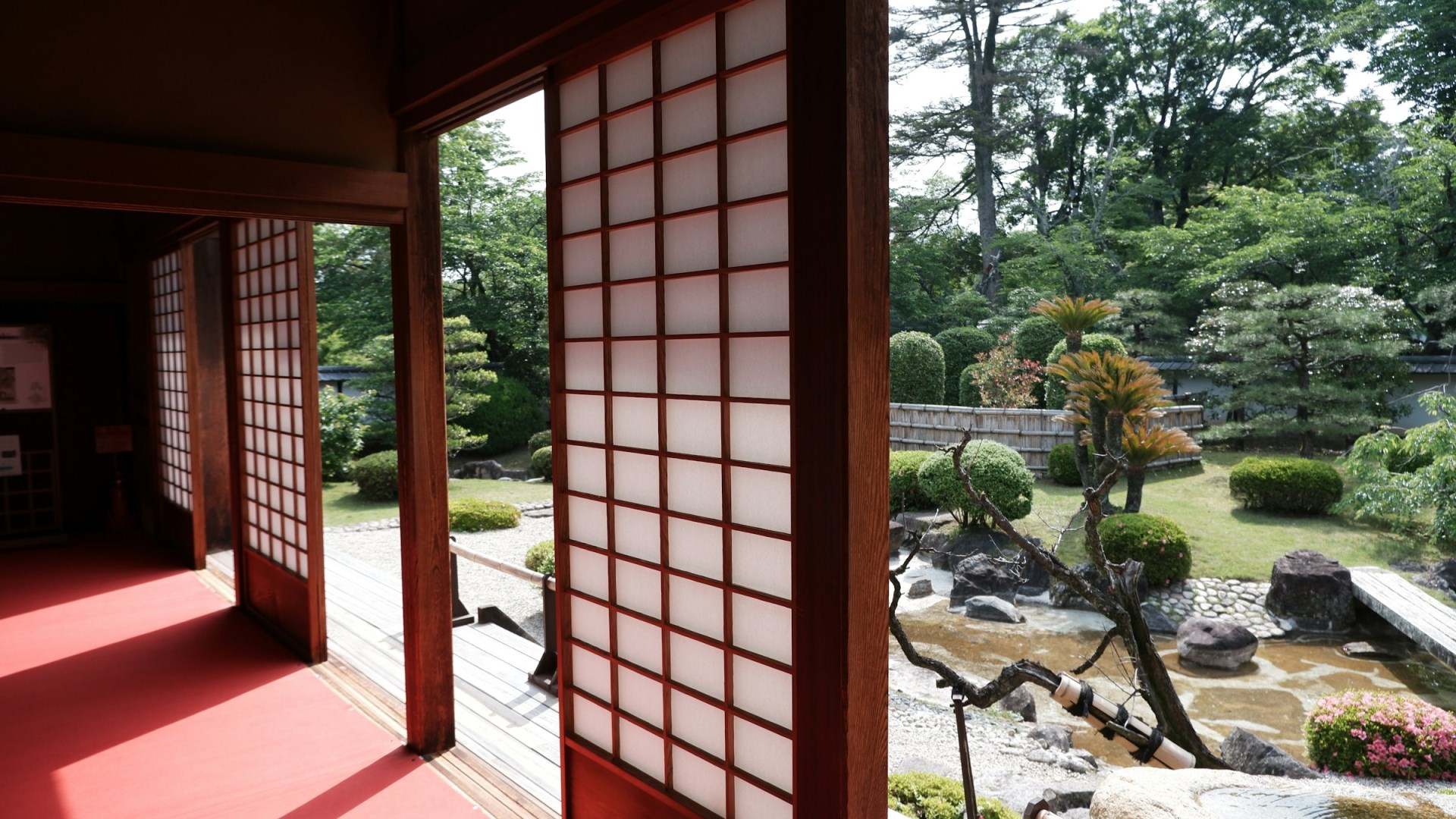
Hikone
Hikone is a city in Shiga Prefecture on the eastern shore of Lake Biwa, Japan's largest lake. Its location combines a historic castle town with lakeside landscapes, wooded hills, and traditional neighborhoods. Hikone Castle, a National Treasure, is the city's best-known landmark and remains surrounded by moats, stone walls, and gardens.
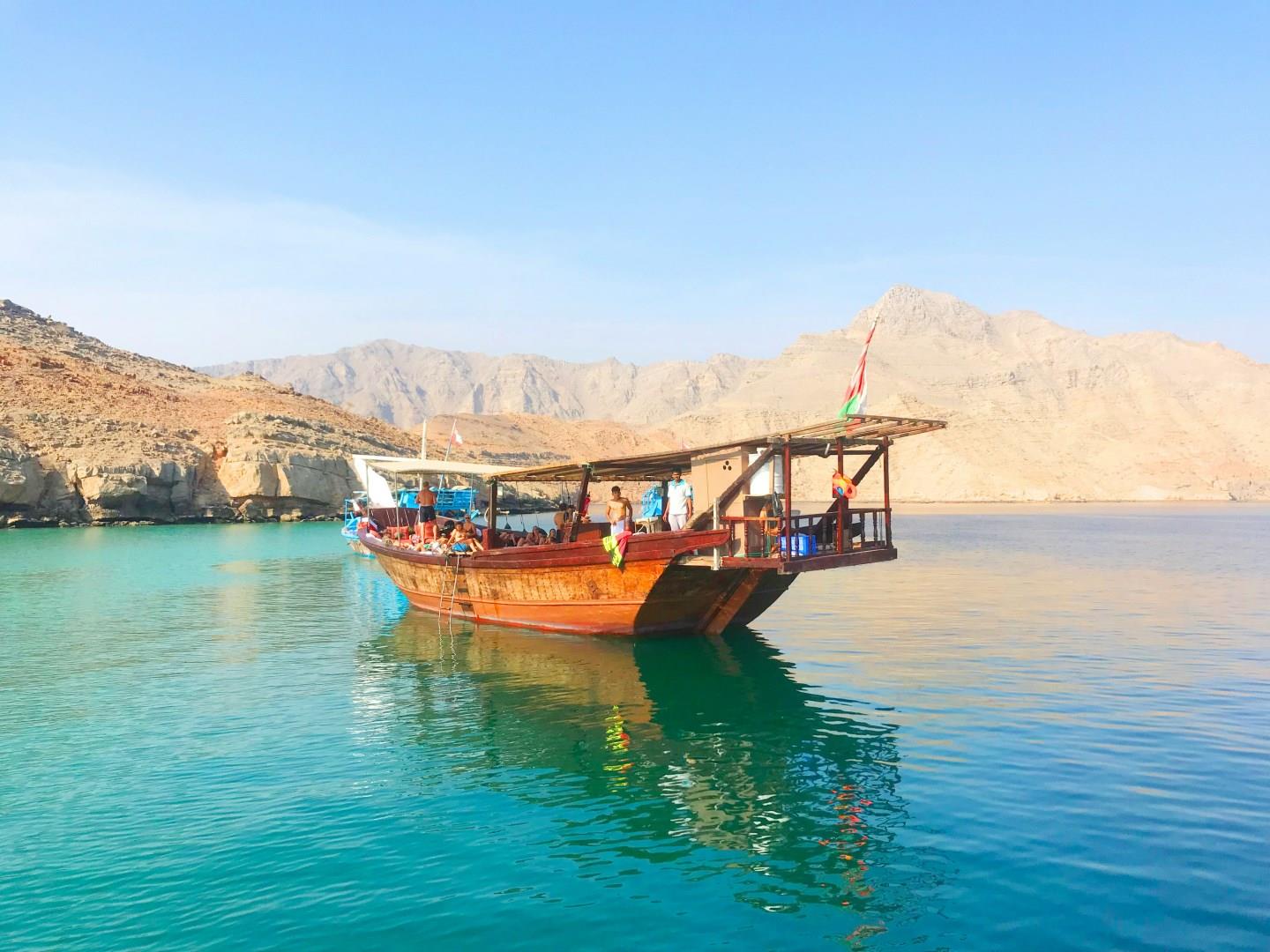
Khasab
Khasab stands at the edge of Oman’s Musandam Peninsula, where rocky inlets carve into the land like desert fjords and earning it the nickname "Norway of Arabia." A short dhow ride uncovers soaring cliffs and narrow waterways, often mirrored by pods of dolphins gliding beside the wooden vessel. These traditional dhows, used for centuries by traders, now carry visitors into those coastal arms for snorkeling, swimming, and quiet reflection.

St. Kitts and Nevis
St. Kitts and Nevis, a twin-island nation in the Leeward Islands of the Caribbean, offers a rare combination of lush landscapes, colonial history, and vibrant local culture.
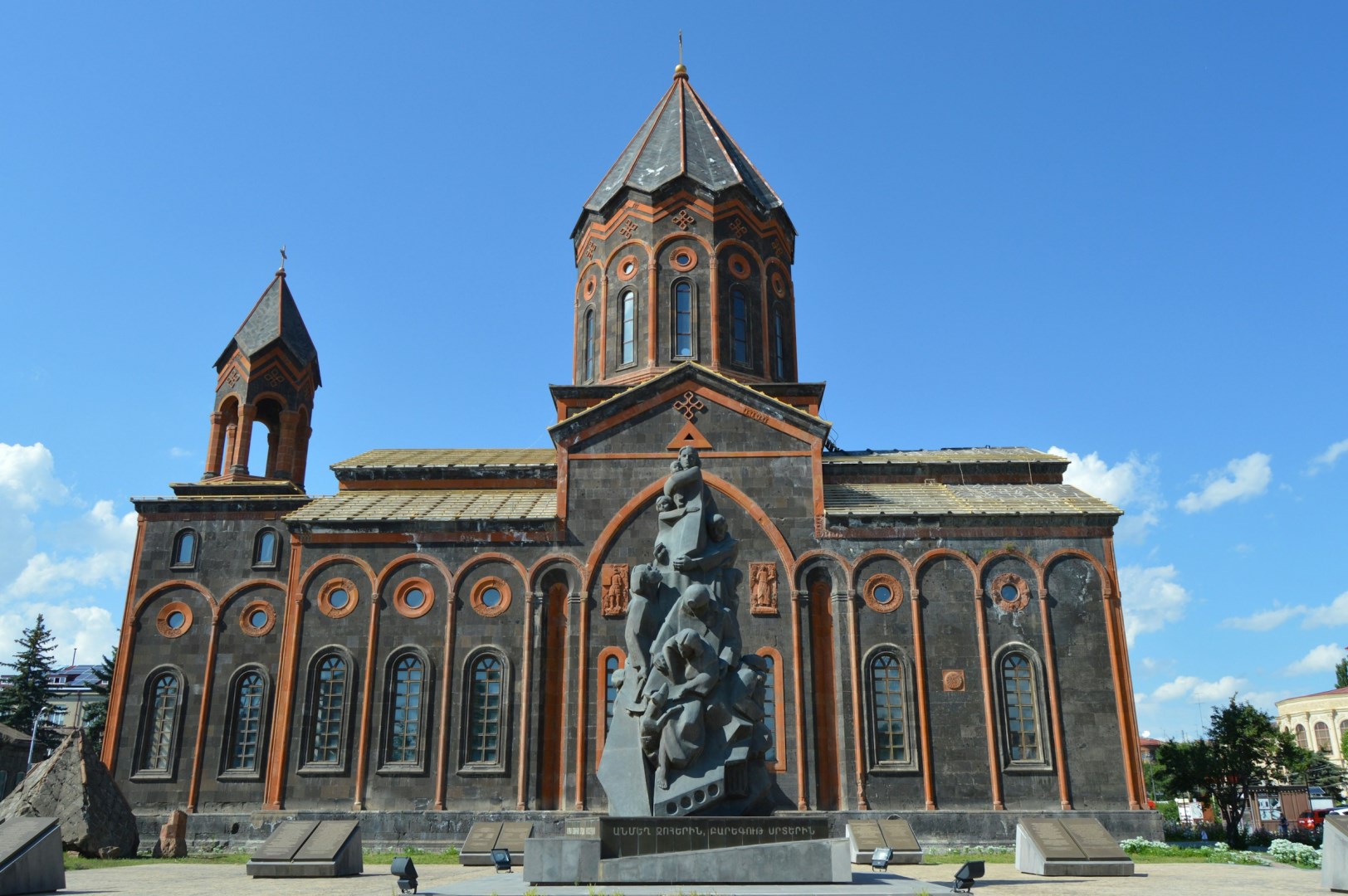
Gyumri
Gyumri is Armenia's second-largest city and the capital of Shirak Province, located on a high plateau in the country's northwestern region. The city is known for its distinctive black and red volcanic-stone architecture, broad streets, historic districts, and strong artistic traditions. Its setting near the Turkish border places it among open plains and volcanic landscapes, with Mount Aragats visible from parts of the surrounding region.

Brighton and Hove
Brighton, a vibrant seaside city on England's southern coast, has long been a favorite getaway for those seeking a mix of culture, history, and the sea. Its most famous landmark, the Royal Pavilion, is an architectural wonder with its exotic, Indian-inspired domes and minarets. Originally built for King George IV as a lavish seaside retreat, the palace today offers visitors a glimpse into royal opulence with its richly decorated interiors and sprawling gardens.
