
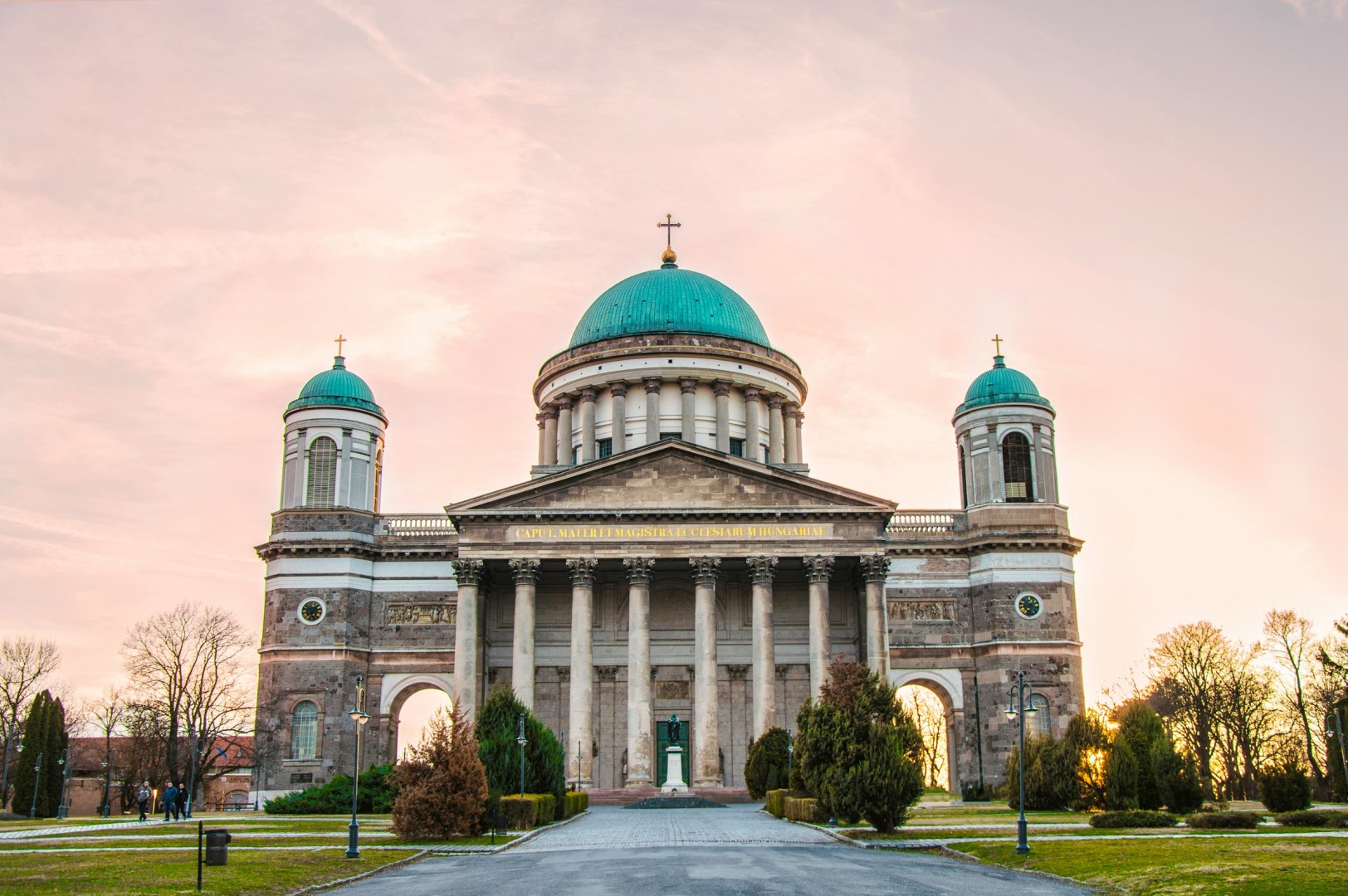
Esztergom
Esztergom is one of Hungary’s oldest and most historically significant towns, located along the Danube River just an hour north of Budapest. It was the country’s royal capital during the Middle Ages and the birthplace of its first king, Saint Stephen. Today, visitors are drawn to the Esztergom Basilica, the largest church in Hungary. Its dome rises over 70 meters high and offers panoramic views of the river, the surrounding hills, and neighboring Slovakia across the Mária Valéria Bridge.
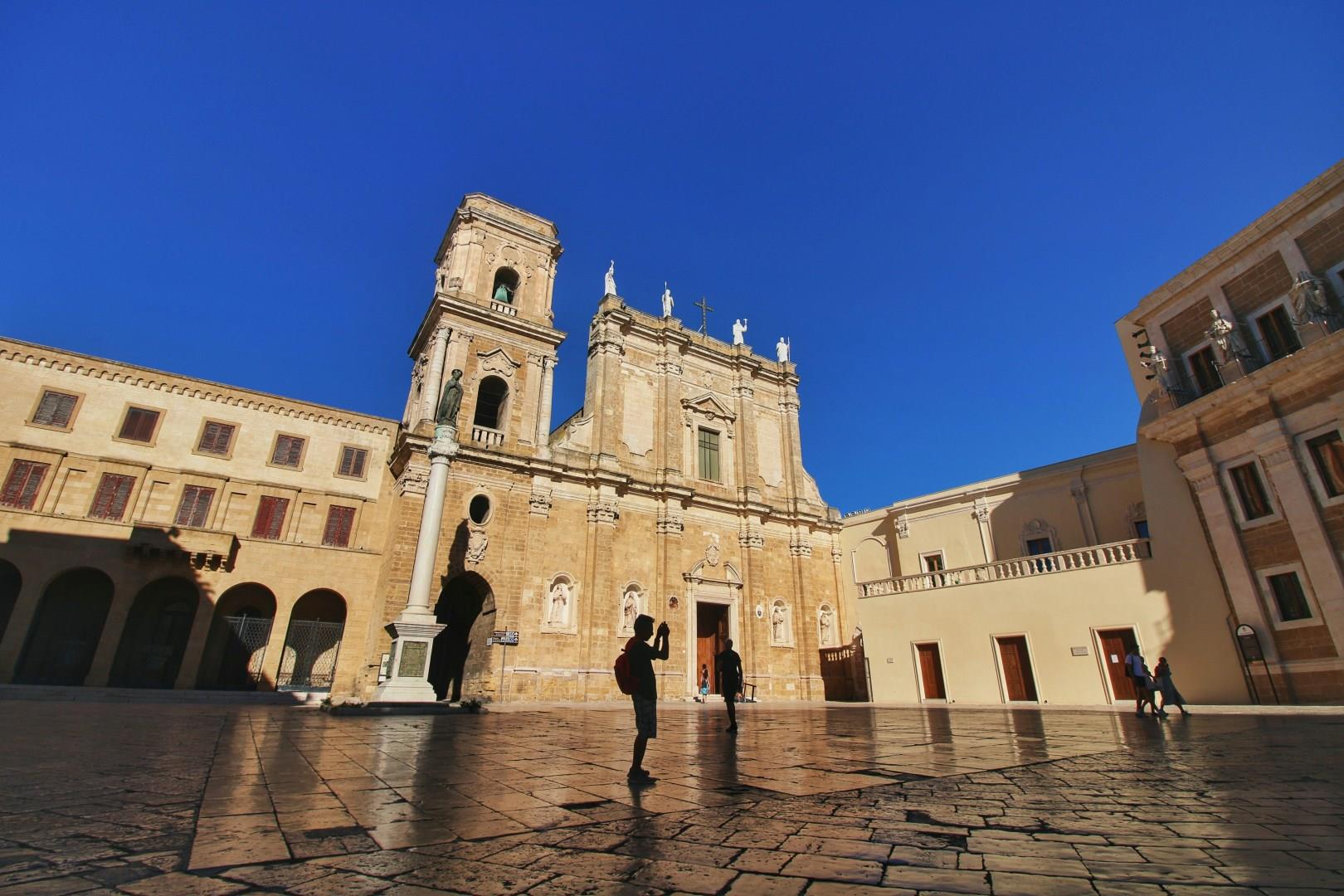
Brindisi
Italy’s port city of Brindisi, tucked along the Adriatic coast in the Puglia region, has been a gateway to the East for over two thousand years. Once the Roman Empire’s main departure point for the Via Appia, the road to Greece and beyond, Brindisi still bears traces of its ancient past, from Roman columns to remnants of old harbors that once welcomed traders, pilgrims, and soldiers.
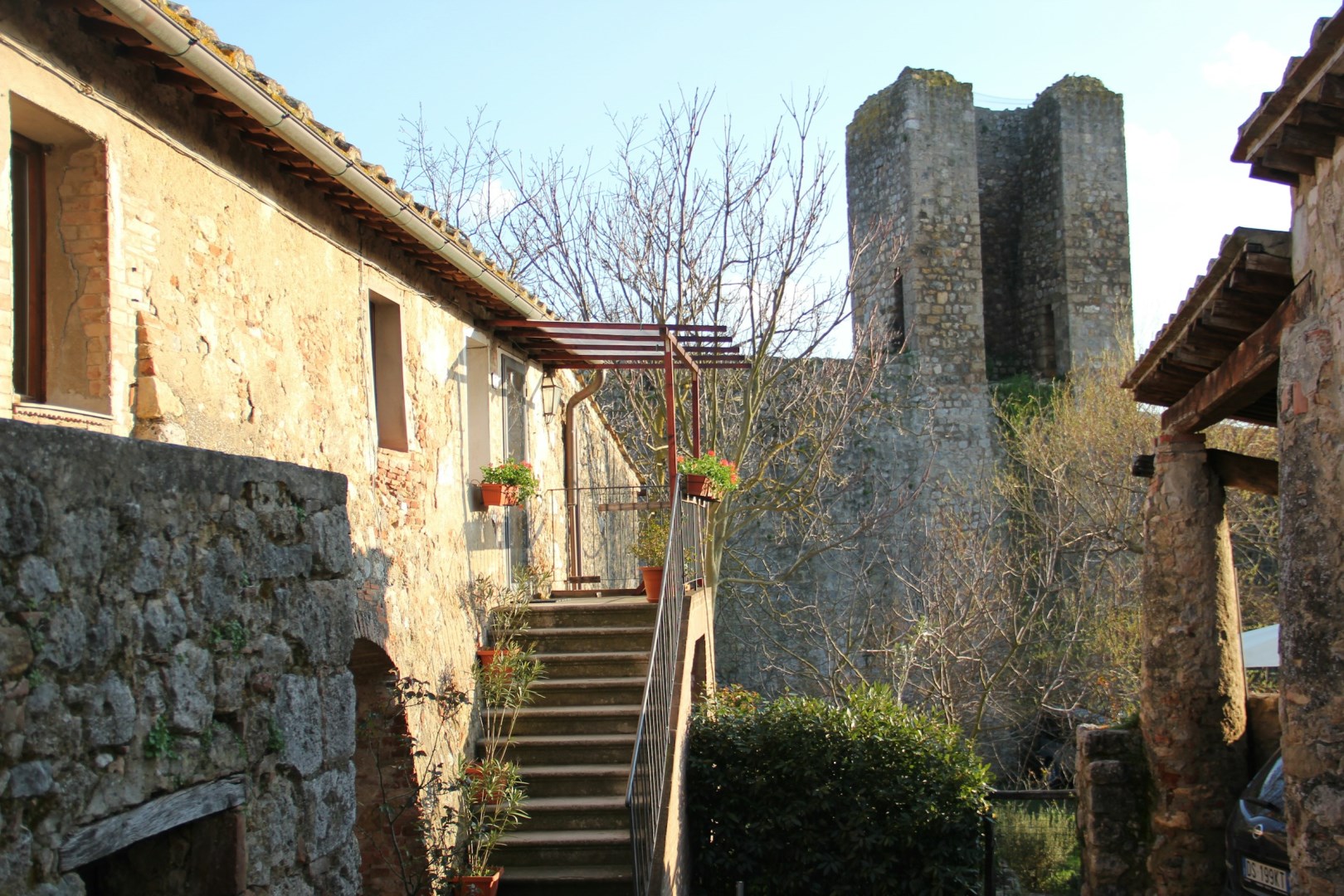
Monteriggioni
Monteriggioni is a comune in the province of Siena in the Italian region of Tuscany.
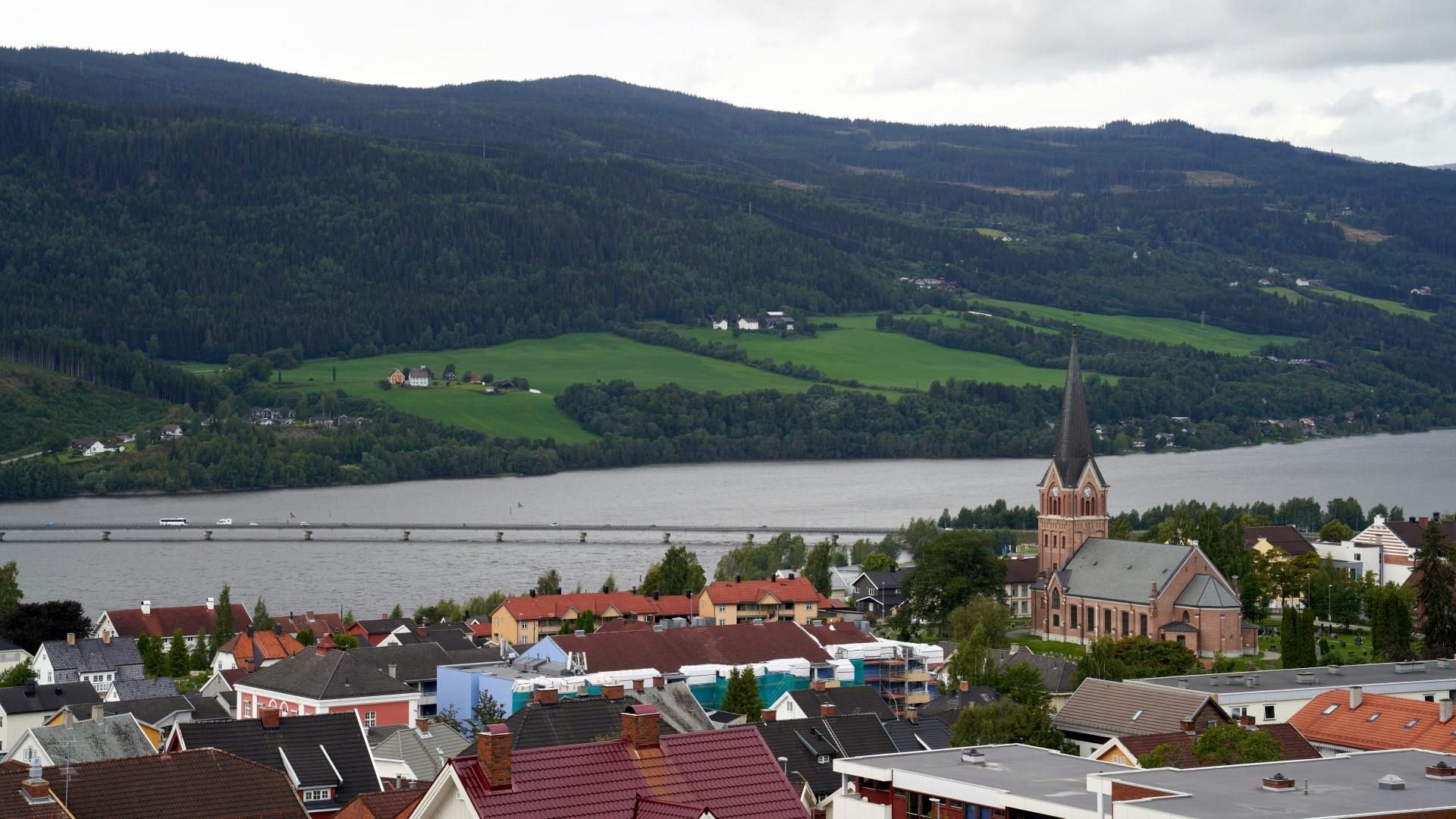
Lillehammer
Lillehammer, nestled along the northern shores of Norway’s Lake Mjøsa and framed by pine-covered hills, is a town that blends natural beauty with cultural richness. Famous for hosting the 1994 Winter Olympics, Lillehammer has leveraged its global spotlight to cultivate attractions that celebrate both its sporting legacy and artistic heritage.
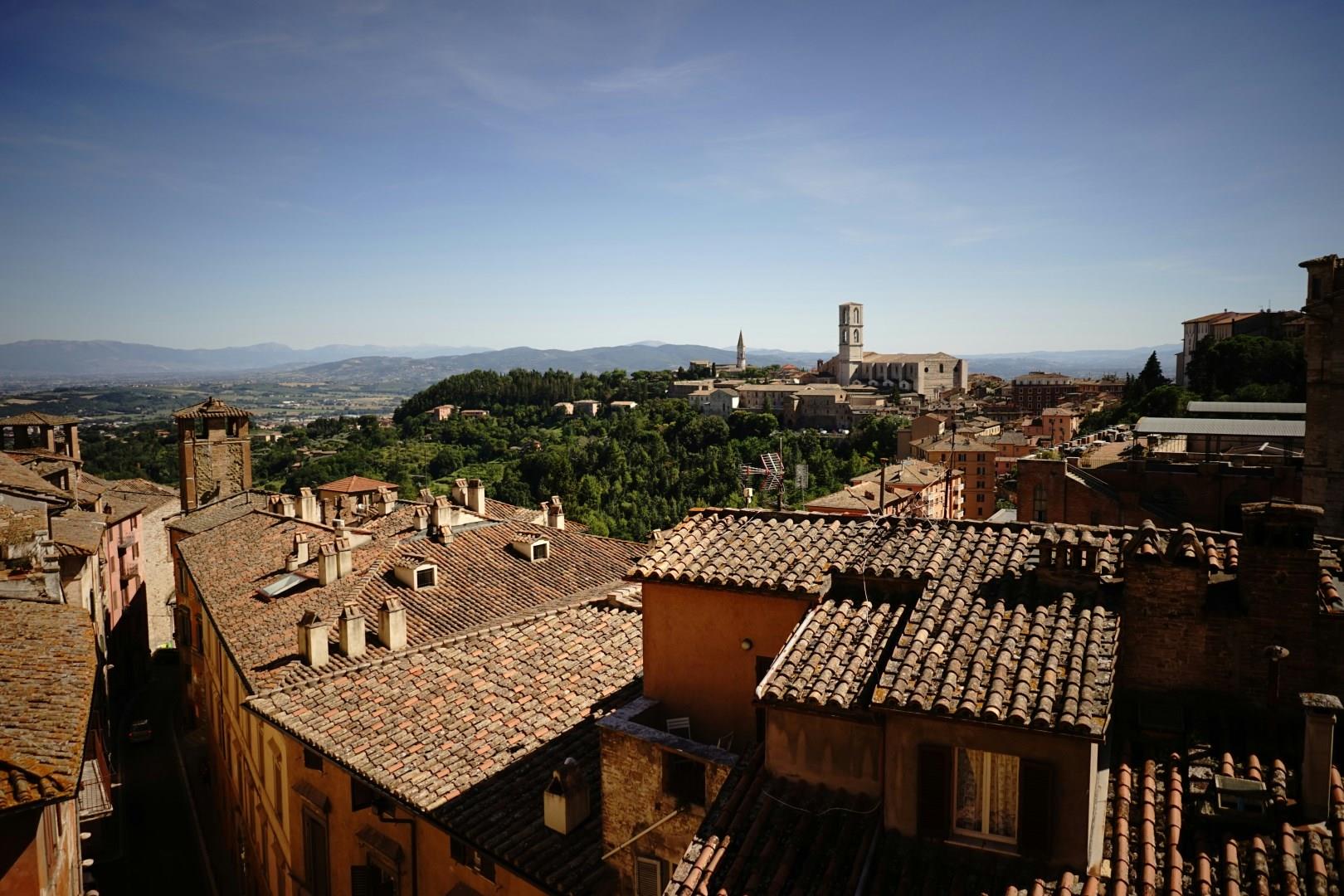
Perugia
Perugia, the capital of Italy’s Umbria region, is a city built across hills and centuries. Originally settled by the Etruscans more than 2,500 years ago, it still holds remnants of their civilization, including one of the largest surviving Etruscan arches in Italy named Arco Etrusco, which greets visitors at the city’s entrance. Walking through the narrow streets of the historic center reveals layers of Roman, medieval, and Renaissance architecture, all woven together within ancient stone walls.
