
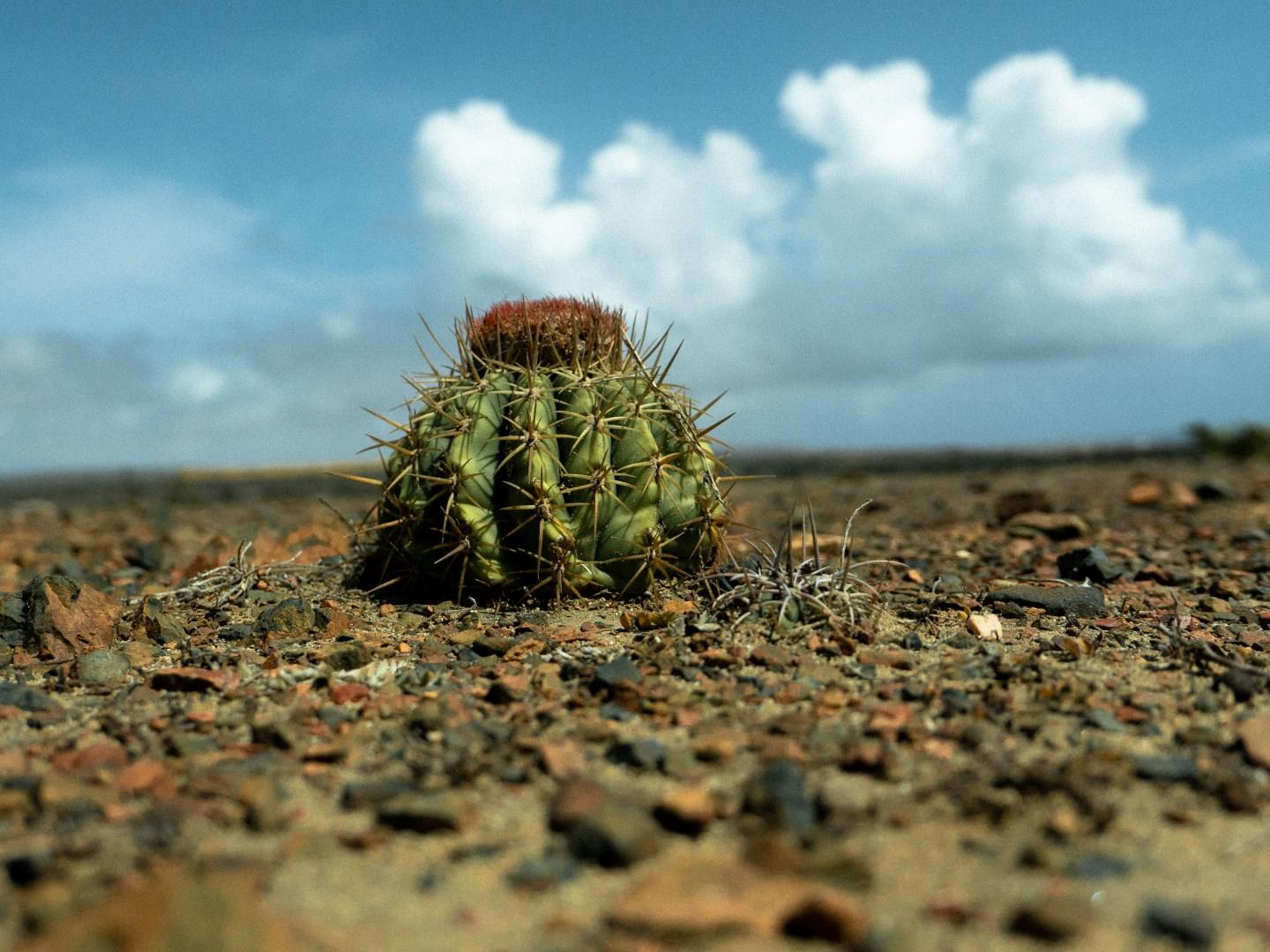
Arikok National Park
Arikok National Park, covering nearly 20% of Aruba, is a striking showcase of the island’s rugged landscapes, cultural history, and biodiversity. Unlike the postcard image of Aruba’s white-sand beaches, Arikok reveals a wilder side, with windswept hills, desert-like terrain, and dramatic limestone cliffs meeting the sea.
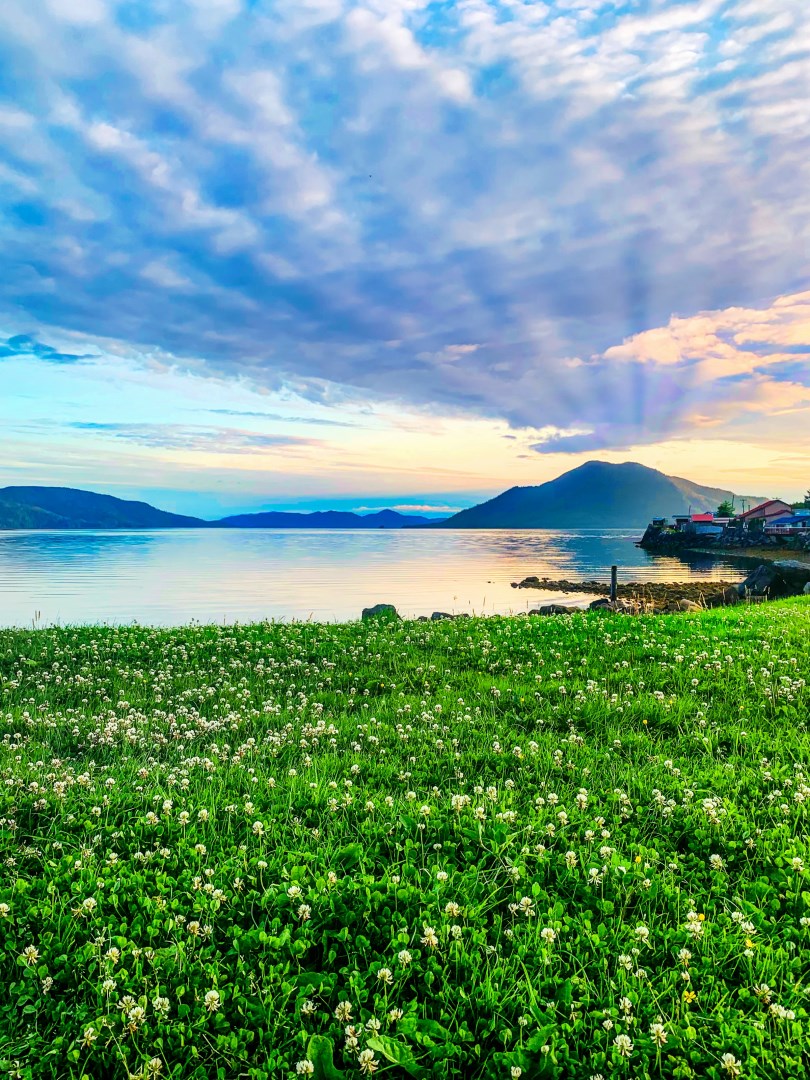
Prince of Wales Island
The island is dominated by a cool and moist maritime climate. During the summers, the average temperatures vary from 45 degrees to 75 degrees F. Yearly precipitation averages from 60" to 200" based on the exact locale.
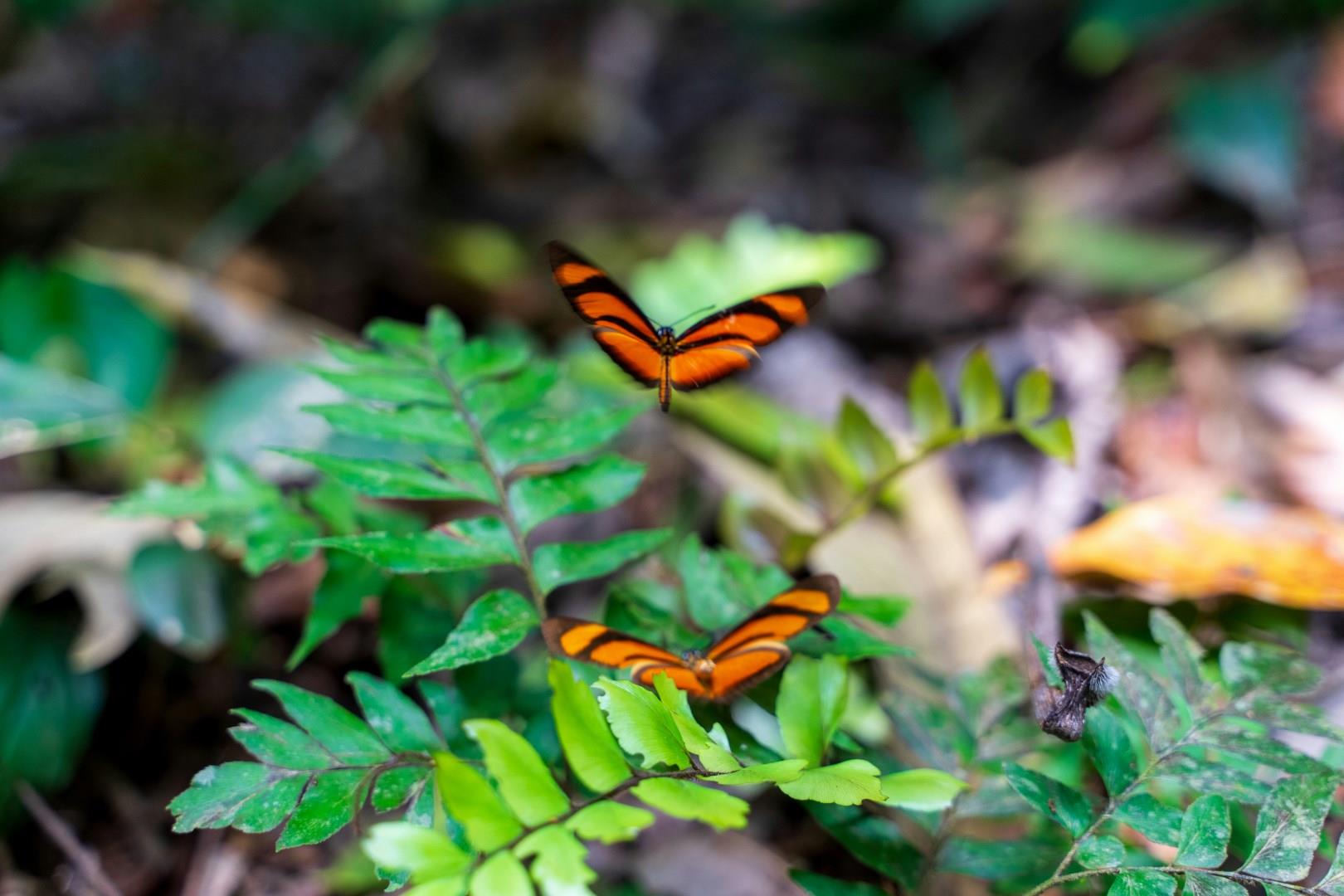
Tambopata
Located in the Madre de Dios region of southeastern Peru, Tambopata is a protected area where visitors can experience the Amazon rainforest in its rawest form. The Tambopata National Reserve spans over 270,000 hectares and is home to an estimated 1,200 butterfly species, 600 bird species, and hundreds of tree varieties. One of its most famous residents is the jaguar, though sightings are rare. More common encounters include red howler monkeys, capybaras, and giant river otters.

Alaska
Known for its vast wilderness, towering mountains, glaciers, and wildlife, Alaska offers unmatched outdoor experiences and endless opportunities for exploration.
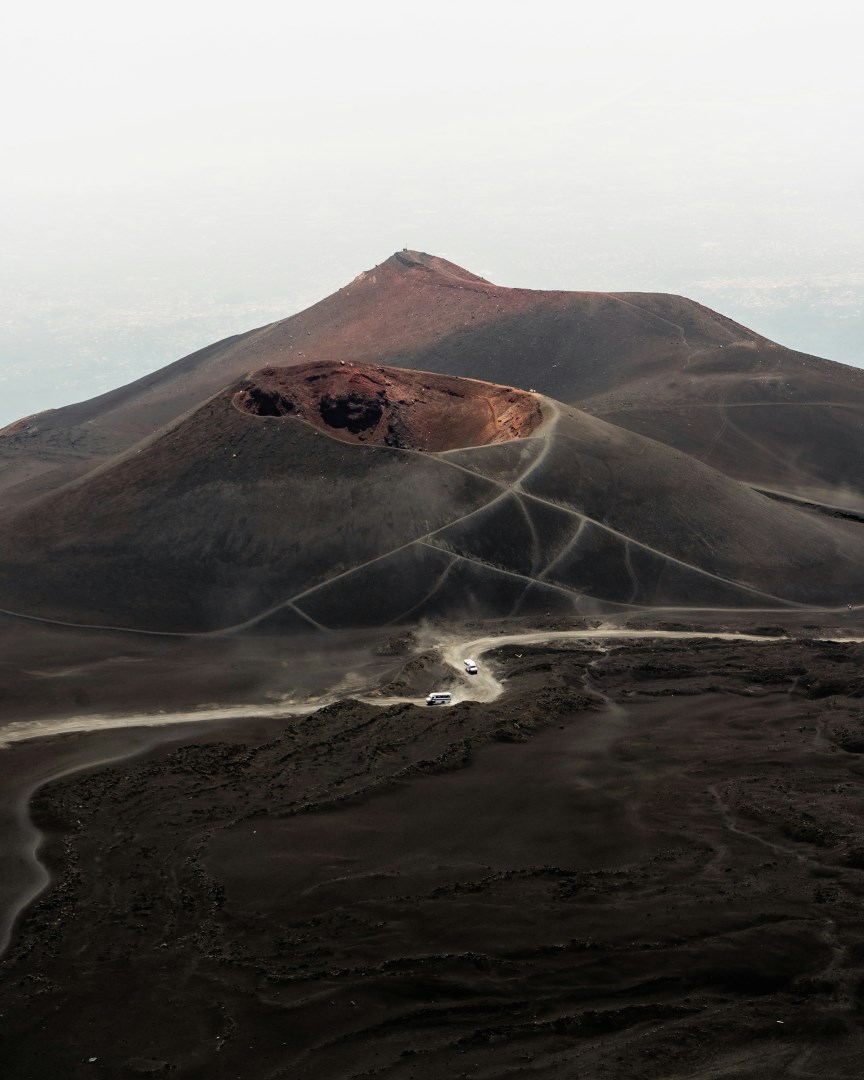
Mt. Etna, Sicily
The biggest volcano in Europe - and still very active. Drive up to the 6,000 foot level, travel along roads that run over layers of hardened lava, created in ancient and modern times. Enjoy the magnificent view of the Tyrrhenian and lonian coasts.
