
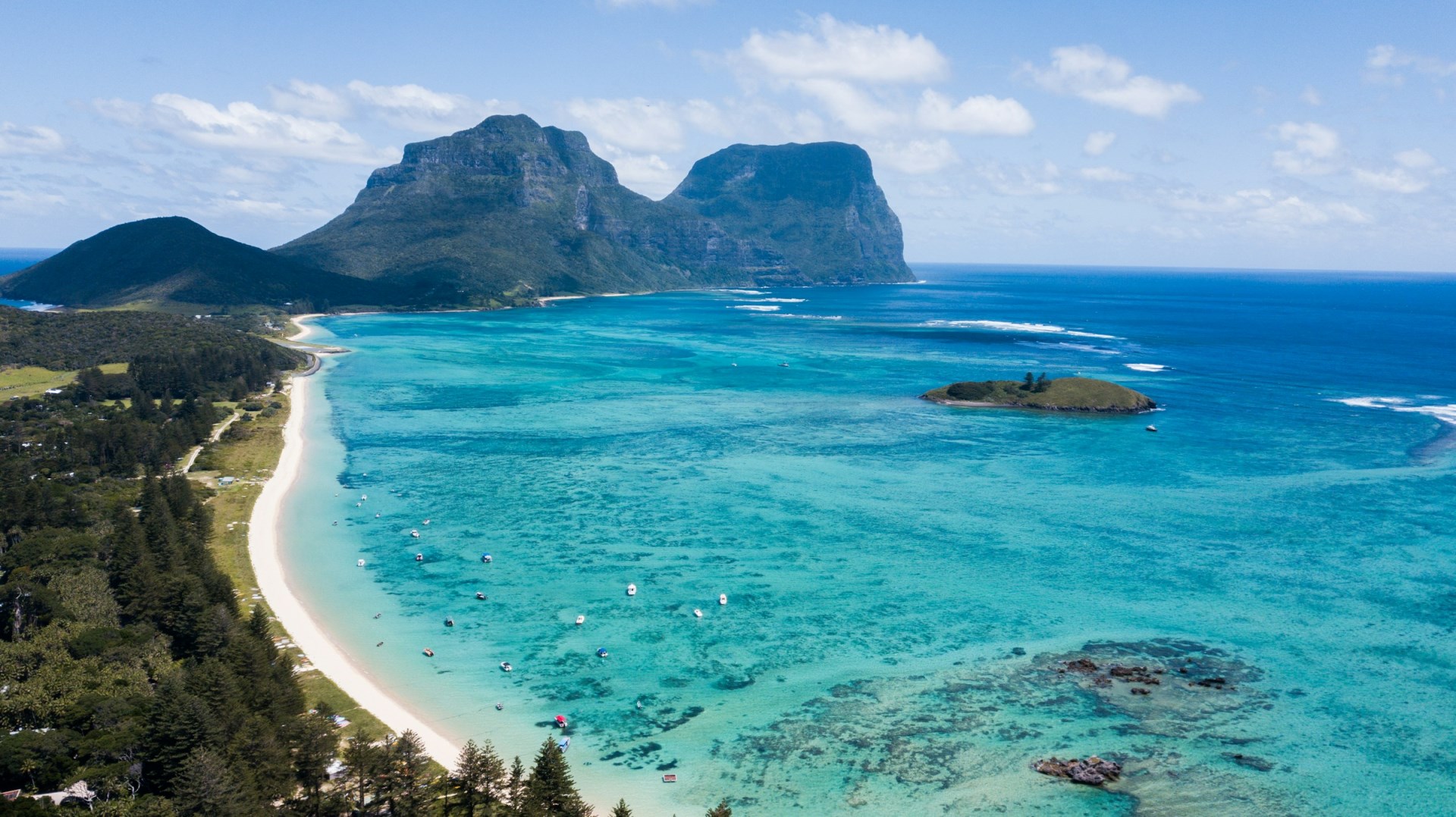
Lord Howe Island
Over 70% of this island off the coast from Canberra, is a national park. It is a popular tourist destination
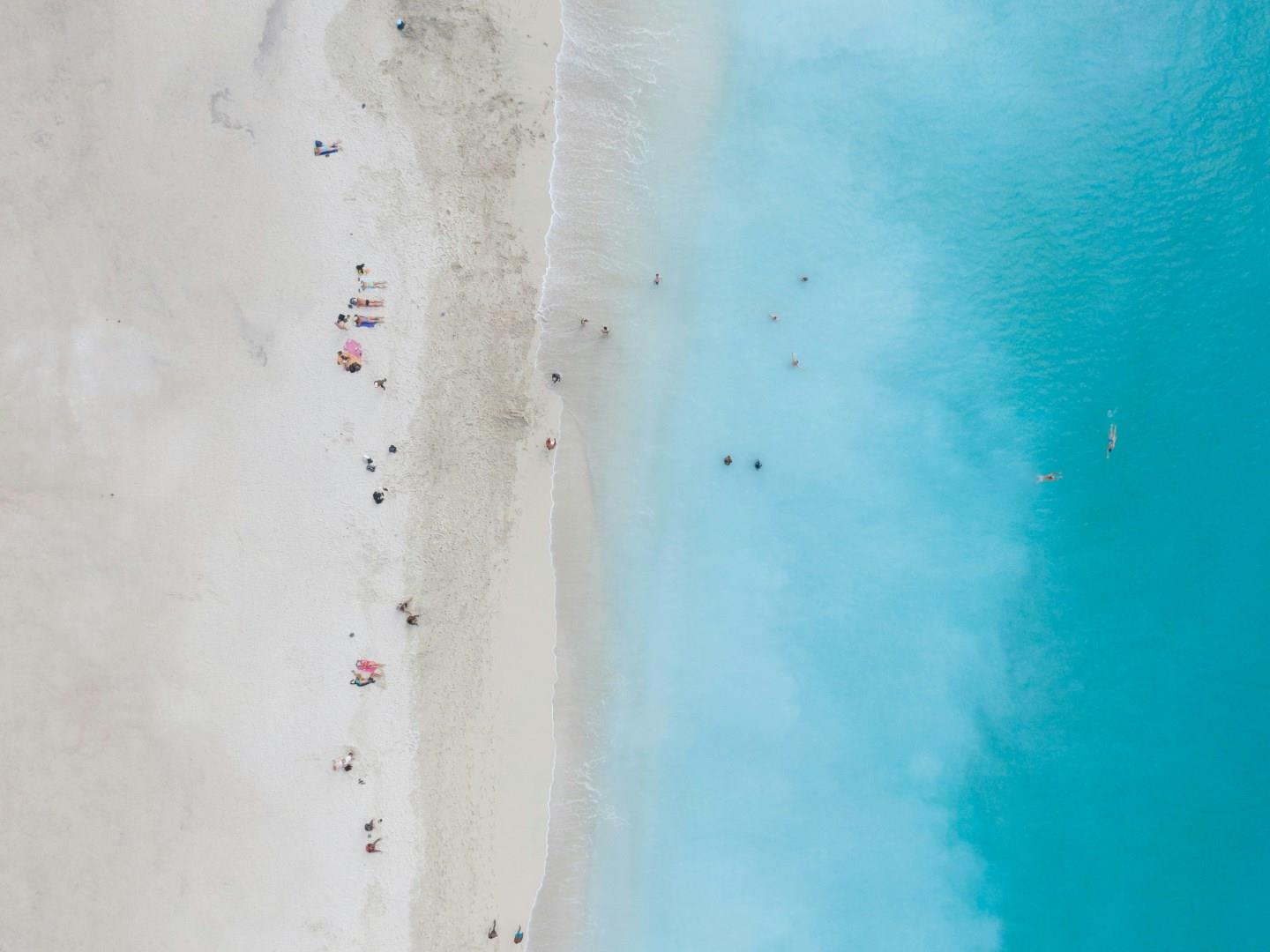
Mindelo
Mindelo, on the northern coast of São Vicente Island, is Cape Verde’s cultural pulse. Its streets are lined with colorful colonial buildings, lively squares, and historic churches that echo the city’s maritime past.

Dominica
Dominica, known as the “Nature Island of the Caribbean,” is a haven for eco-tourists and adventure seekers. Nestled between the French islands of Guadeloupe and Martinique, this lush island boasts a remarkable landscape of volcanic mountains, dense rainforests, and stunning waterfalls. Dominica’s most iconic natural wonder is the Boiling Lake, the second-largest hot spring in the world.
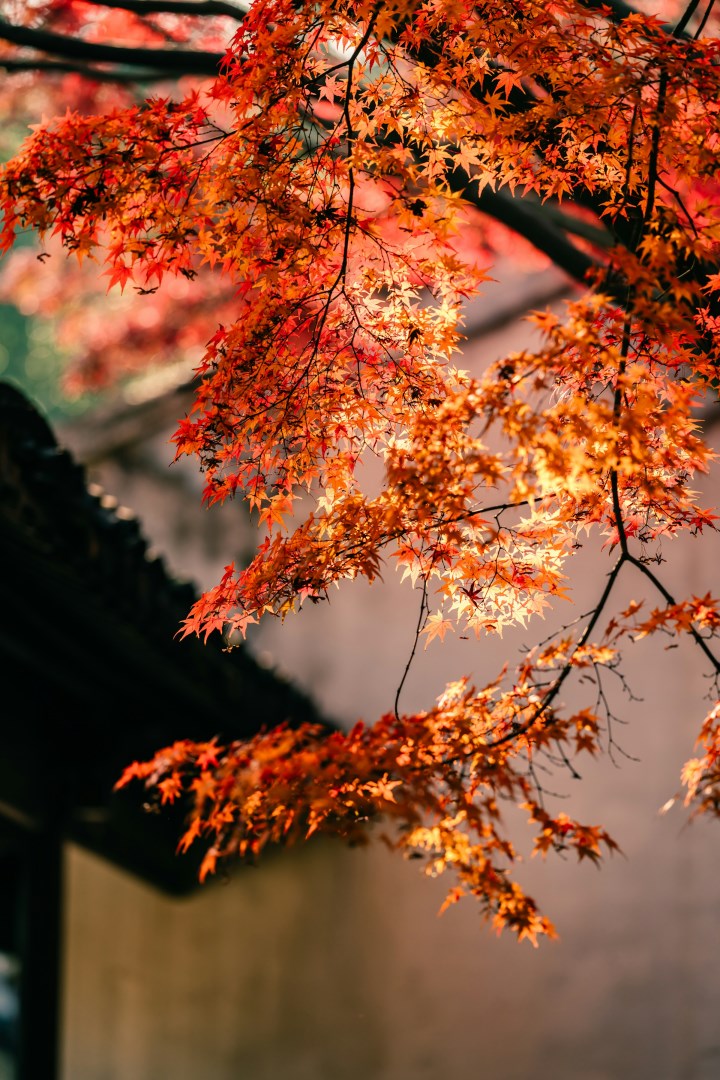
Wuxi
Wuxi is an industrial and resort city located along the Da Yunha (Grand Canal). Settled some 3,000 years ago, it has long been known for its silk production. Today, Wuxi is still known for its silk industry, which has been revitalized since 1949, as well as for its high technology industries. It is also the center of a rich agricultural area.
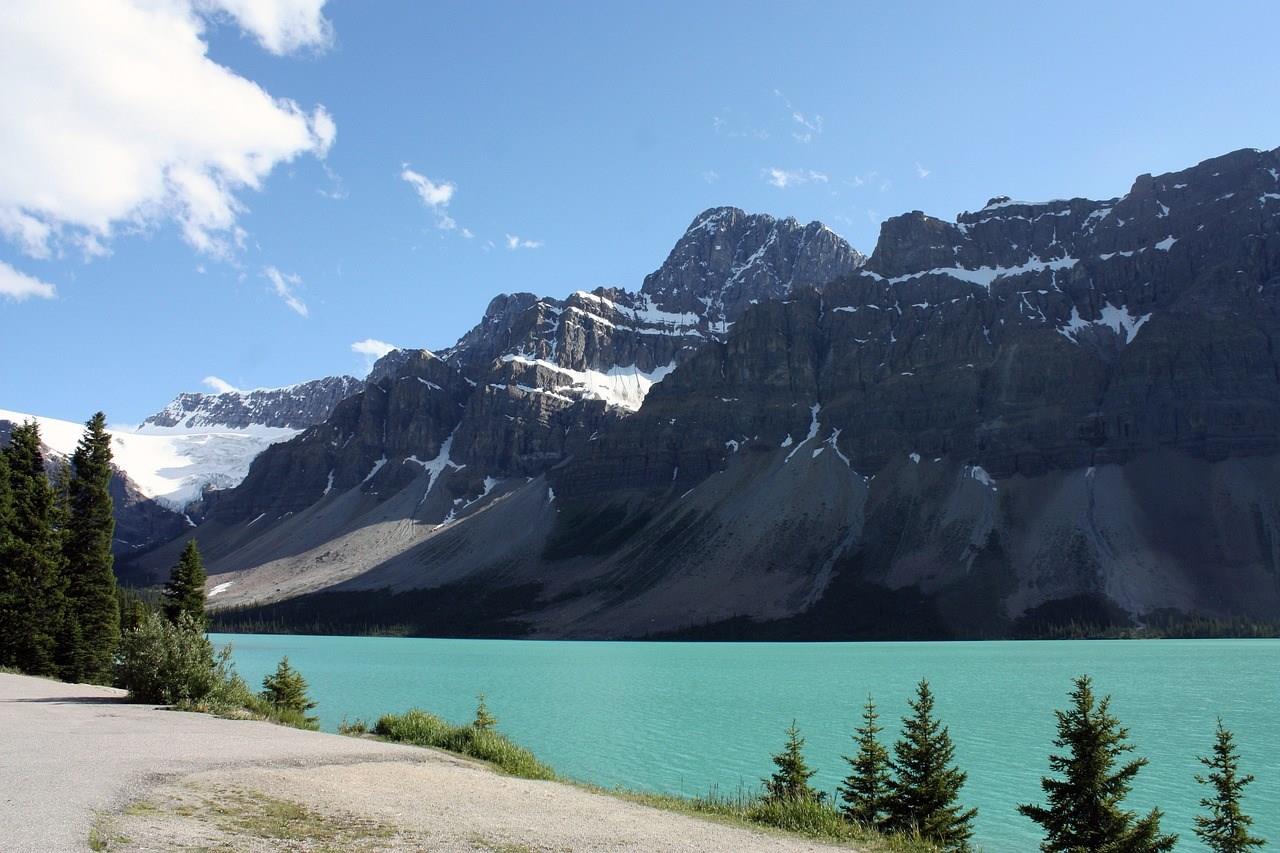
Jasper National Park
Jasper National Park, located in the heart of the Canadian Rockies in Alberta, is a breathtaking destination known for its stunning natural beauty and diverse wildlife. Spanning over 11,000 square kilometers, it is the largest national park in the Canadian Rockies and offers a wide range of outdoor activities such as hiking, camping, and wildlife viewing.
