
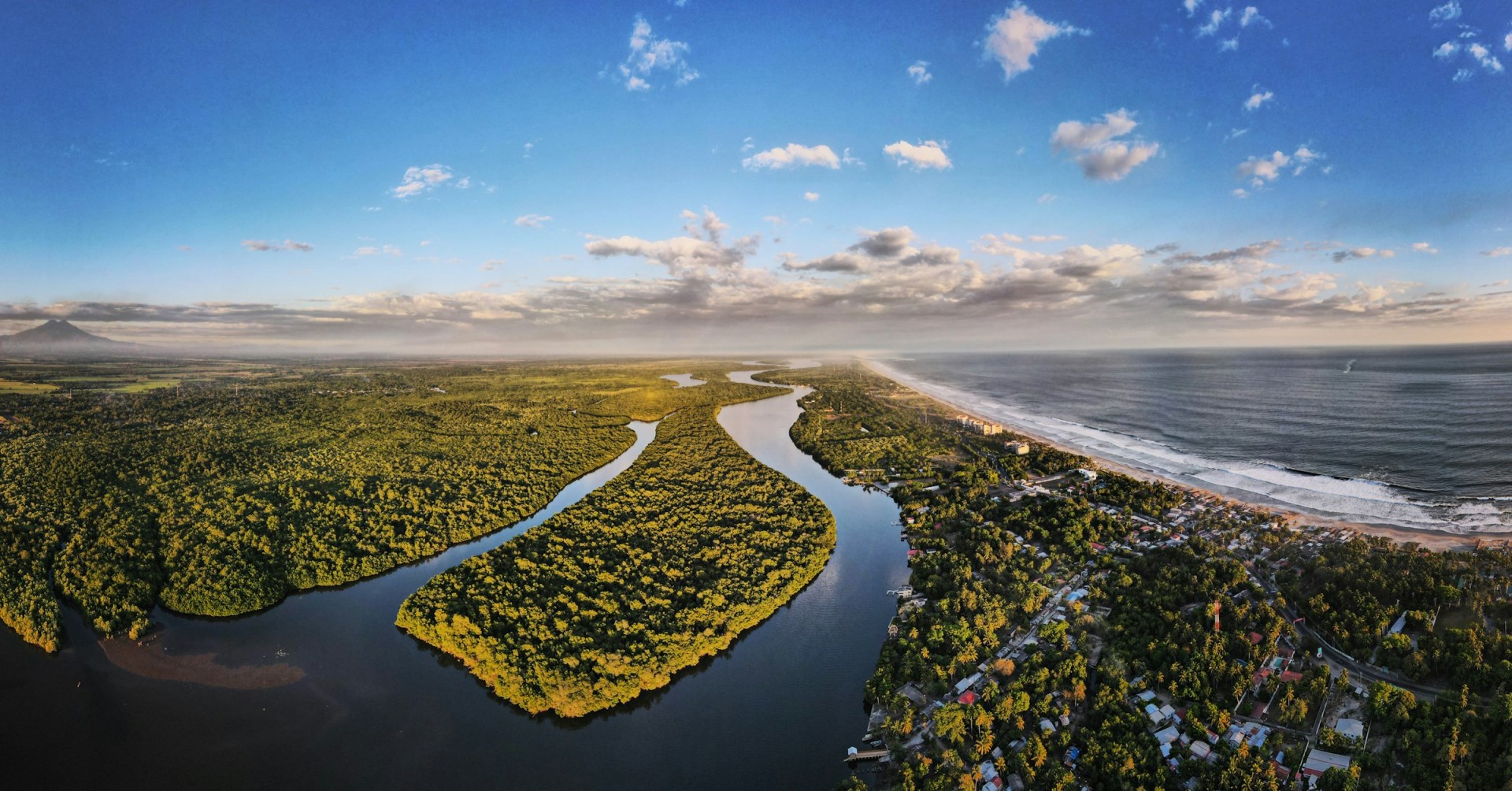
El Salvador
El Salvador, the smallest country in Central America, carries a big presence with its blend of history, culture, and dramatic landscapes. Known as the “Land of Volcanoes,” it has more than twenty within its borders, some of which remain active and shape the country’s terrain.

Antigua
Antigua and Barbuda are located in the middle of the Leeward Islands in the Eastern Caribbean. Antigua, the largest of the British Leeward Islands, is about 14 miles long and 11 miles wide, encompassing 108 square miles. Barbuda, a flat coral island with an area of only 68 square miles, lies approximately 30 miles to the north. The population is approximately 68,000 and its capital is St. John's on Antigua.
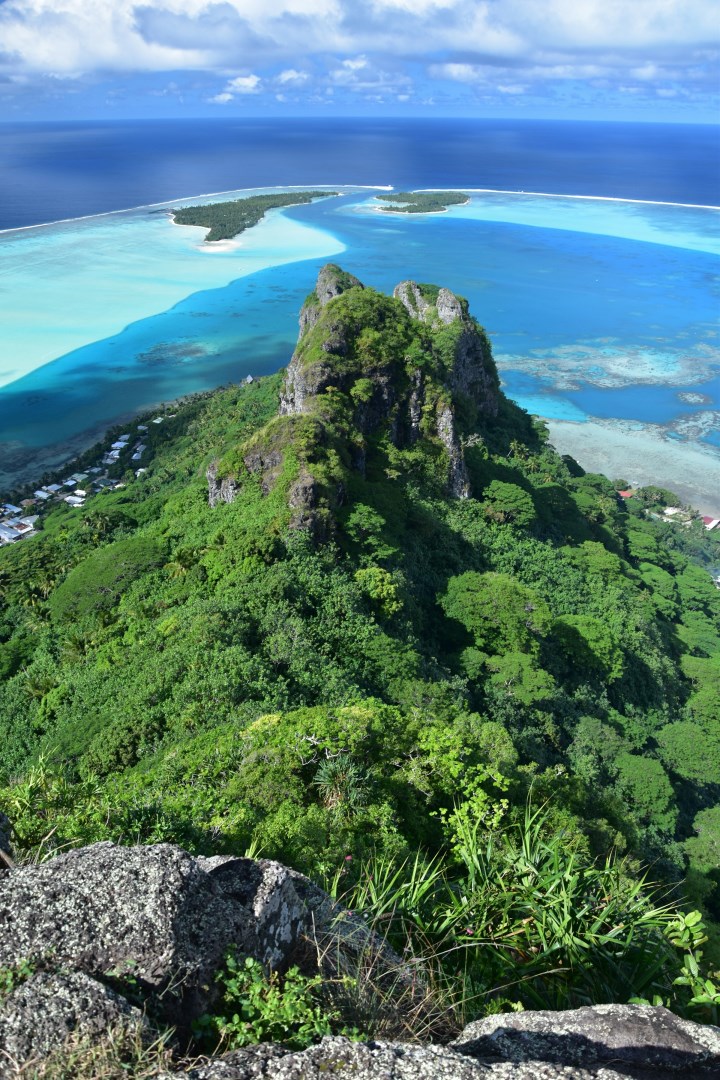
Maupiti
Maupiti is a small island in the Leeward Islands of French Polynesia, surrounded by a shallow lagoon and a barrier reef in the South Pacific. The main island is dominated by a steep central mountain ridge, while several low motu form a ring around the lagoon. Unlike larger neighboring islands, Maupiti has limited development and a predominantly rural character.
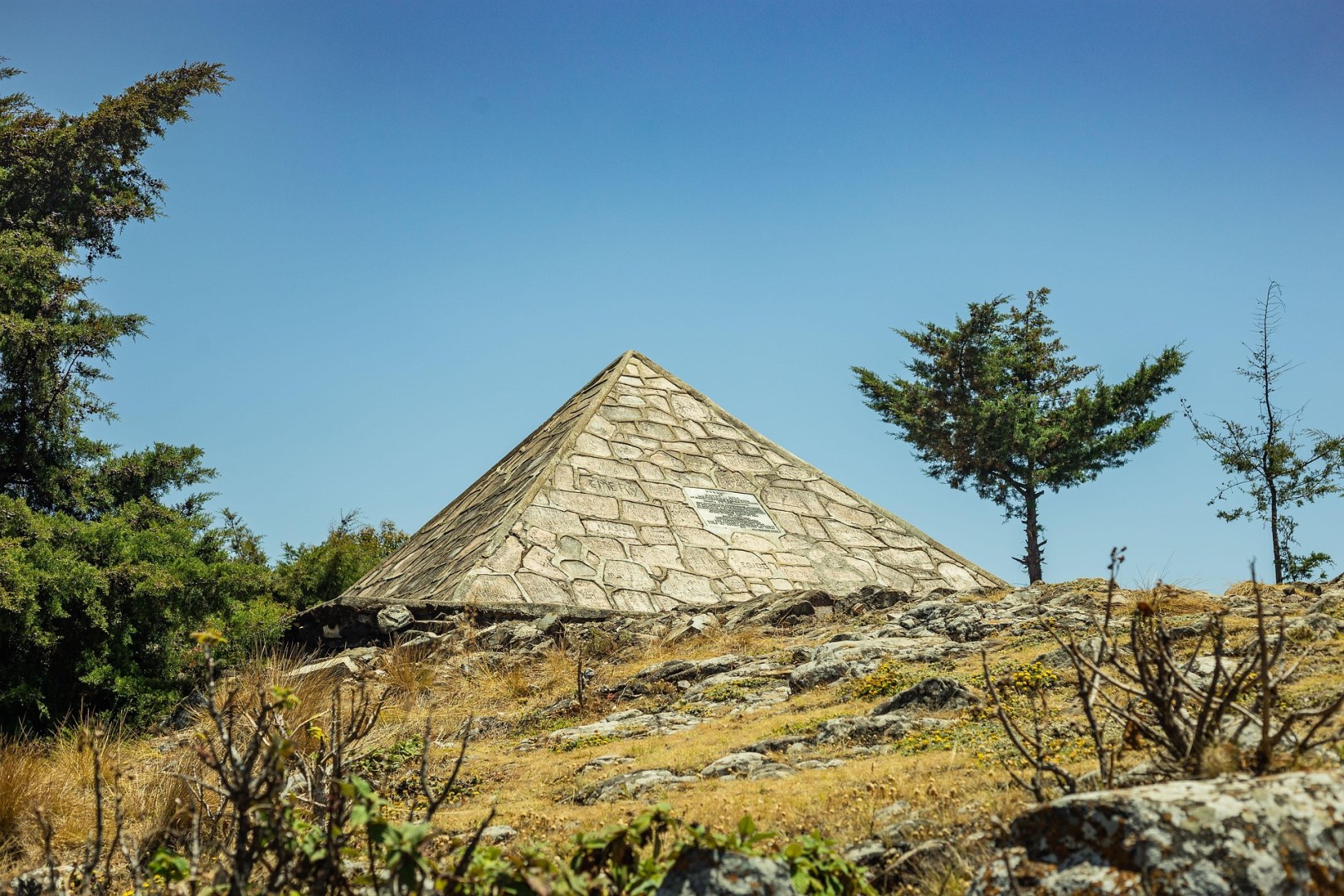
Burundi
Burundi, a small country tucked along the shores of Lake Tanganyika, offers travelers a deeply authentic experience that few destinations can match. Known as the “Heart of Africa” due to its location, Burundi is home to dramatic landscapes, from rolling hills and volcanic mountains to wide plains and ancient forests. One of its most remarkable natural features is the southern tip of the Nile River, which begins near Rutovu.
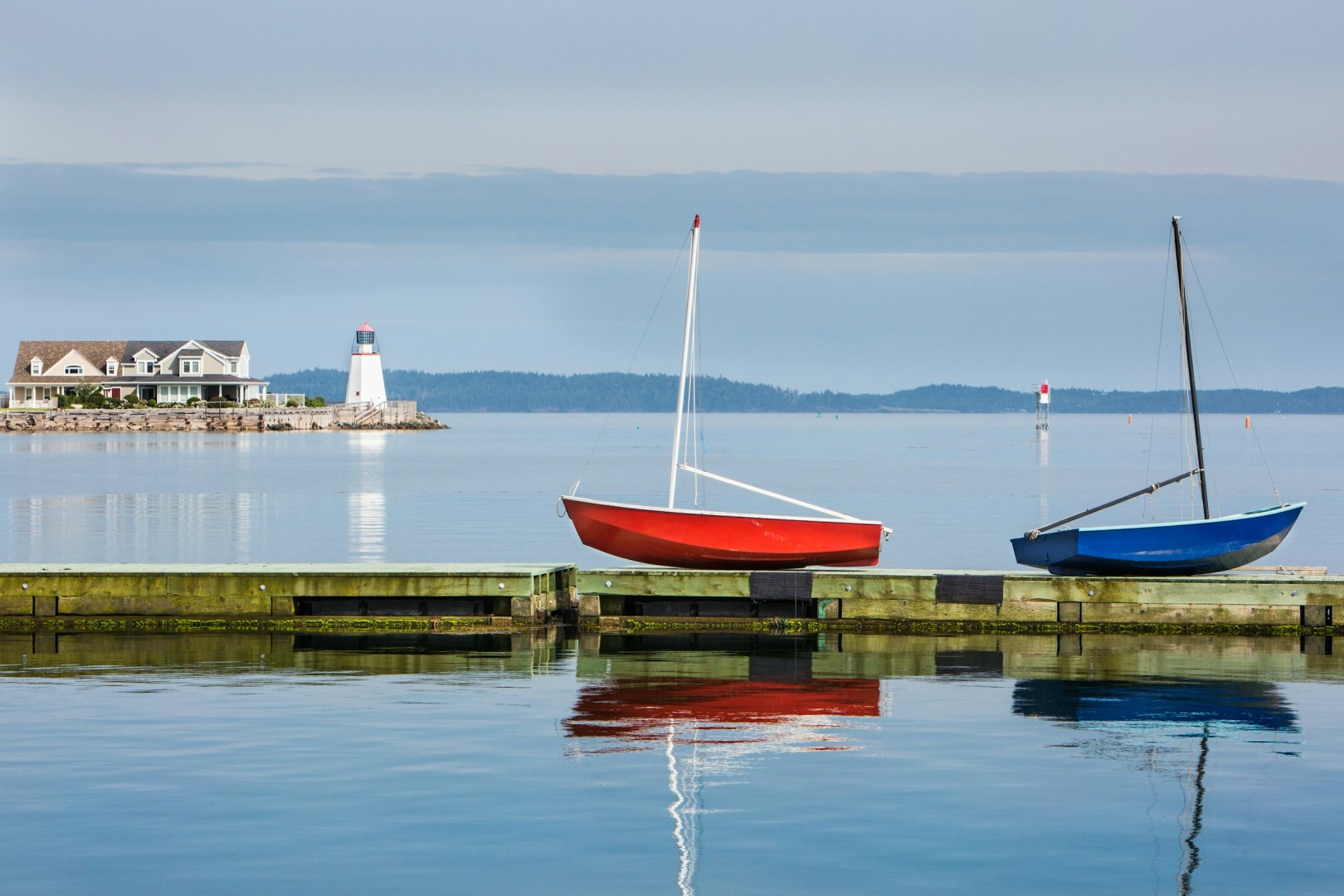
St. Andrews
Surrounded by Passamaquoddy Bay, St. Andrews' relaxed pace can be linked to the rhythm of powerful tides that can rise over 28 feet. The intertidal zone is an ever-changing landscape that nourishes a rich diversity of marine creatures. A guided walk over the tidal flats will prepare you to explore the area's many coves and islands.
