
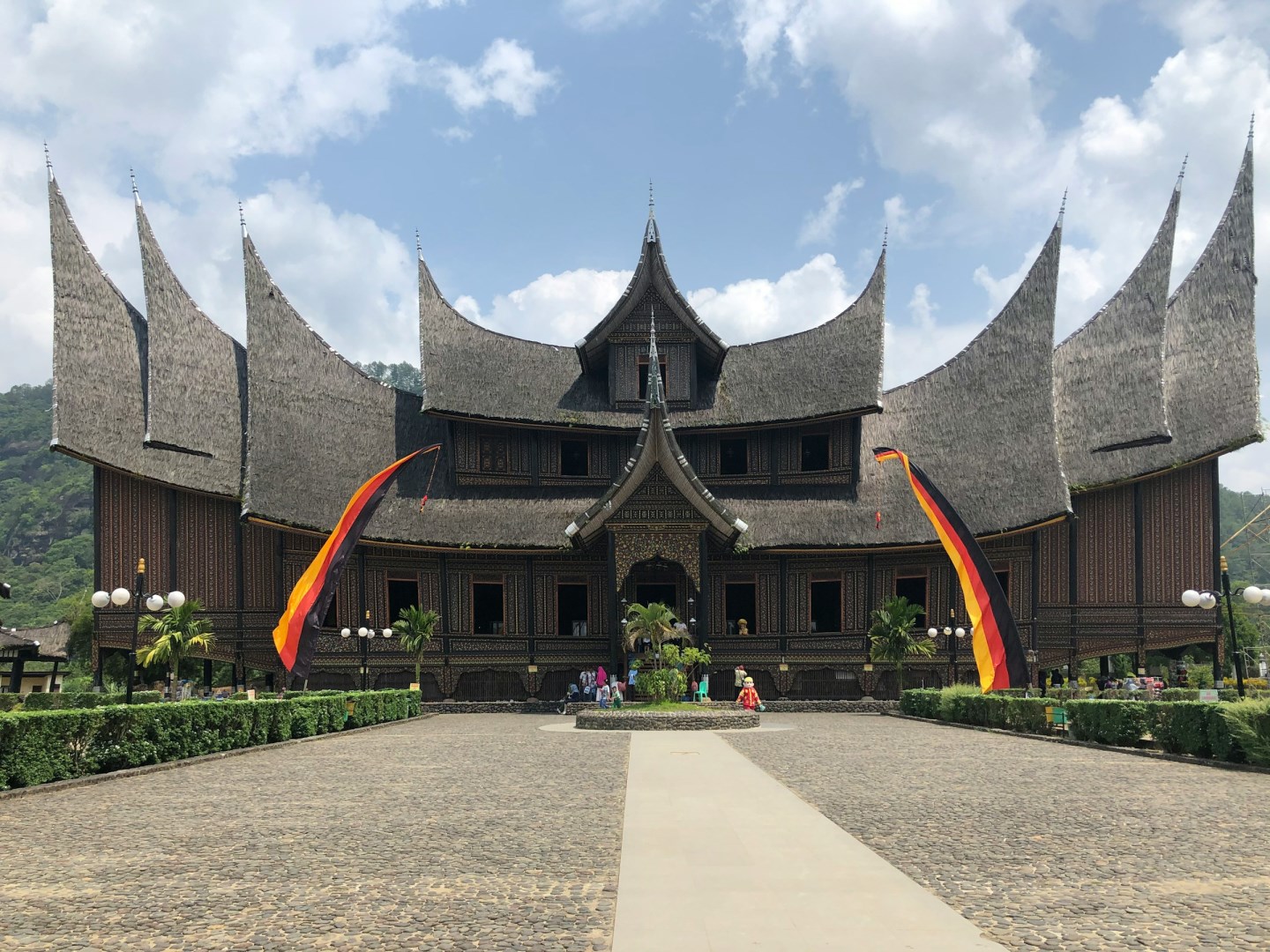
Padang
Padang is the third largest city and the capital of West Sumatra. It is the biggest seaport along its west coast, and is a center of business and government. The terrain of the city is mostly flat, and the name Padang actually means "plain." But if you venture outside of the city limits, the scenery is quite lovely going towards the neighboring city of Solok.
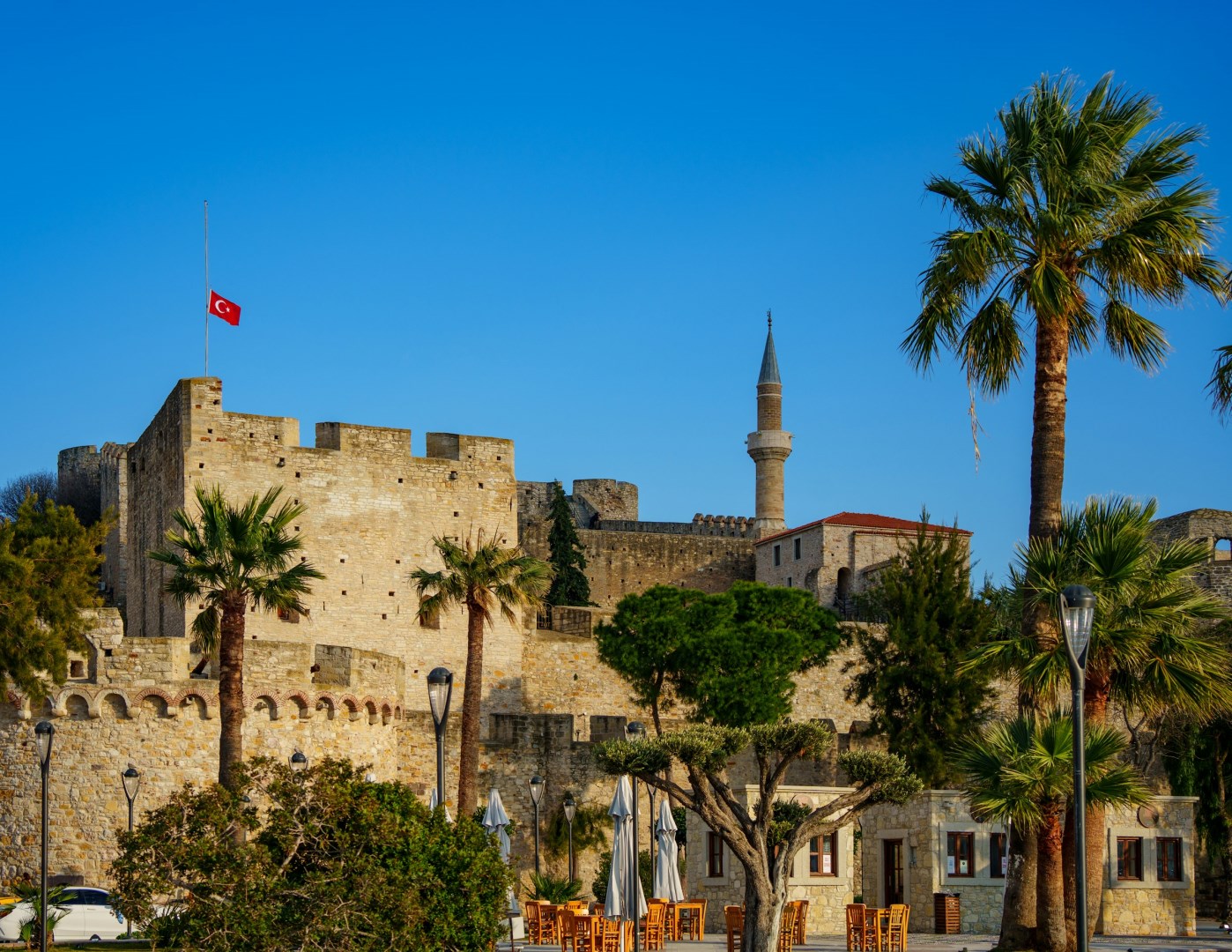
Çeşme
Çeşme is a coastal town on Turkey’s western Aegean shore, located on a peninsula opposite the Greek island of Chios. Its name means “fountain,” reflecting the numerous historic springs and fountains found around the town. Çeşme combines a busy marina and waterfront with sandy beaches, wind-swept headlands, and villages surrounded by vineyards and olive groves.
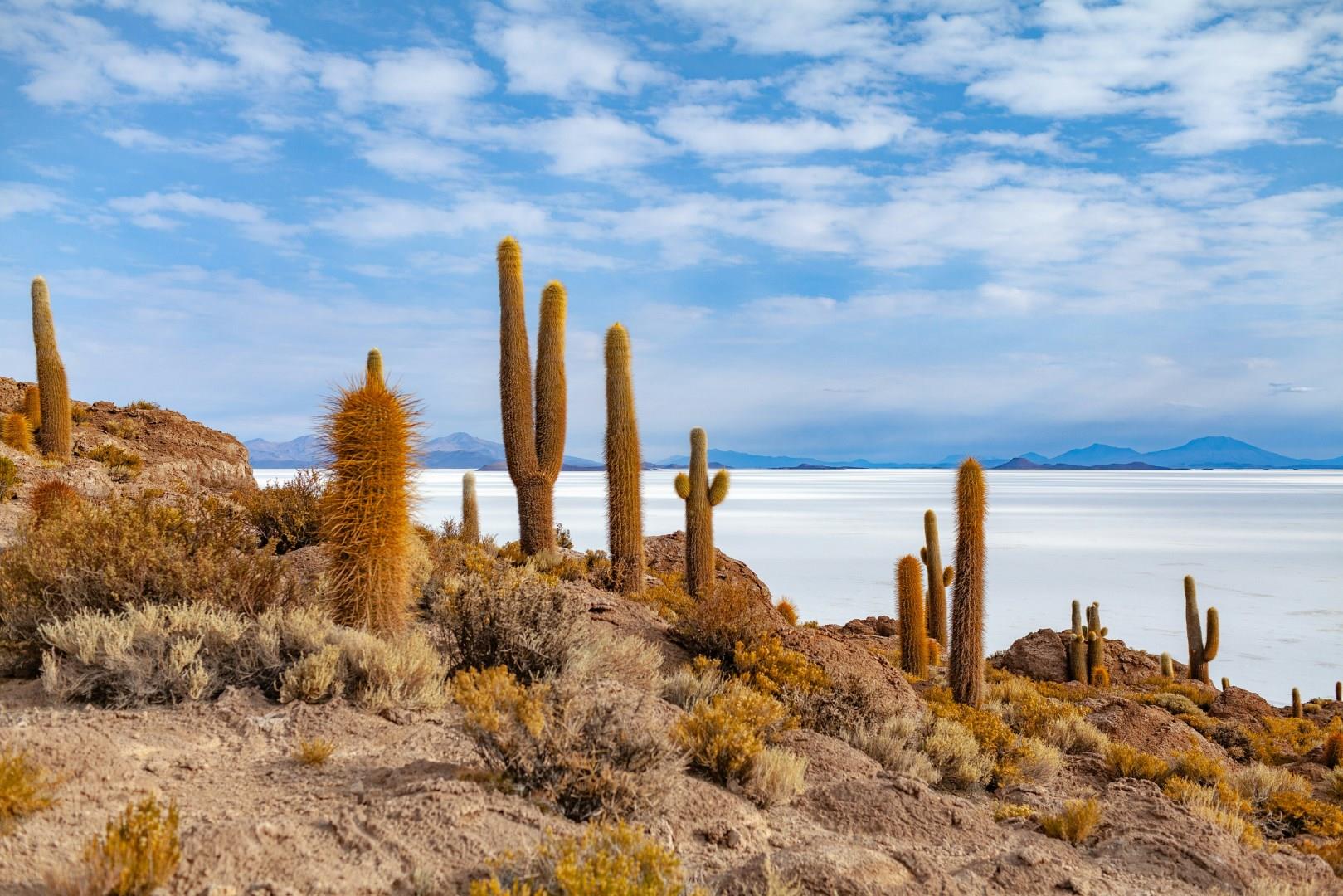
Uyuni
Uyuni, in southwestern Bolivia, is best known as the gateway to the world’s largest salt flat, Salar de Uyuni. Once a humble railway town, Uyuni has grown into a base for travelers drawn to this surreal landscape, where an ancient dried-up lake has left behind a vast expanse of glistening salt crust.

Alyeska
A true destination, Alyeska is Alaska's biggest ski area. At the summit sits Mt. Alyeska Roundhouse, the state's only mountaintop museum.

Busan
Busan is located on the southeastern coast of South Korea and is an exciting port city famous for its beaches, including Haeundae Beach, Gwangalli Beach, and Dadaepo Beach. From bustling marketplaces, to Buddhist temples, to Korean War memorials, Busan is brimming with culture and history and offers plenty to explore on your next visit to South Korea.
