
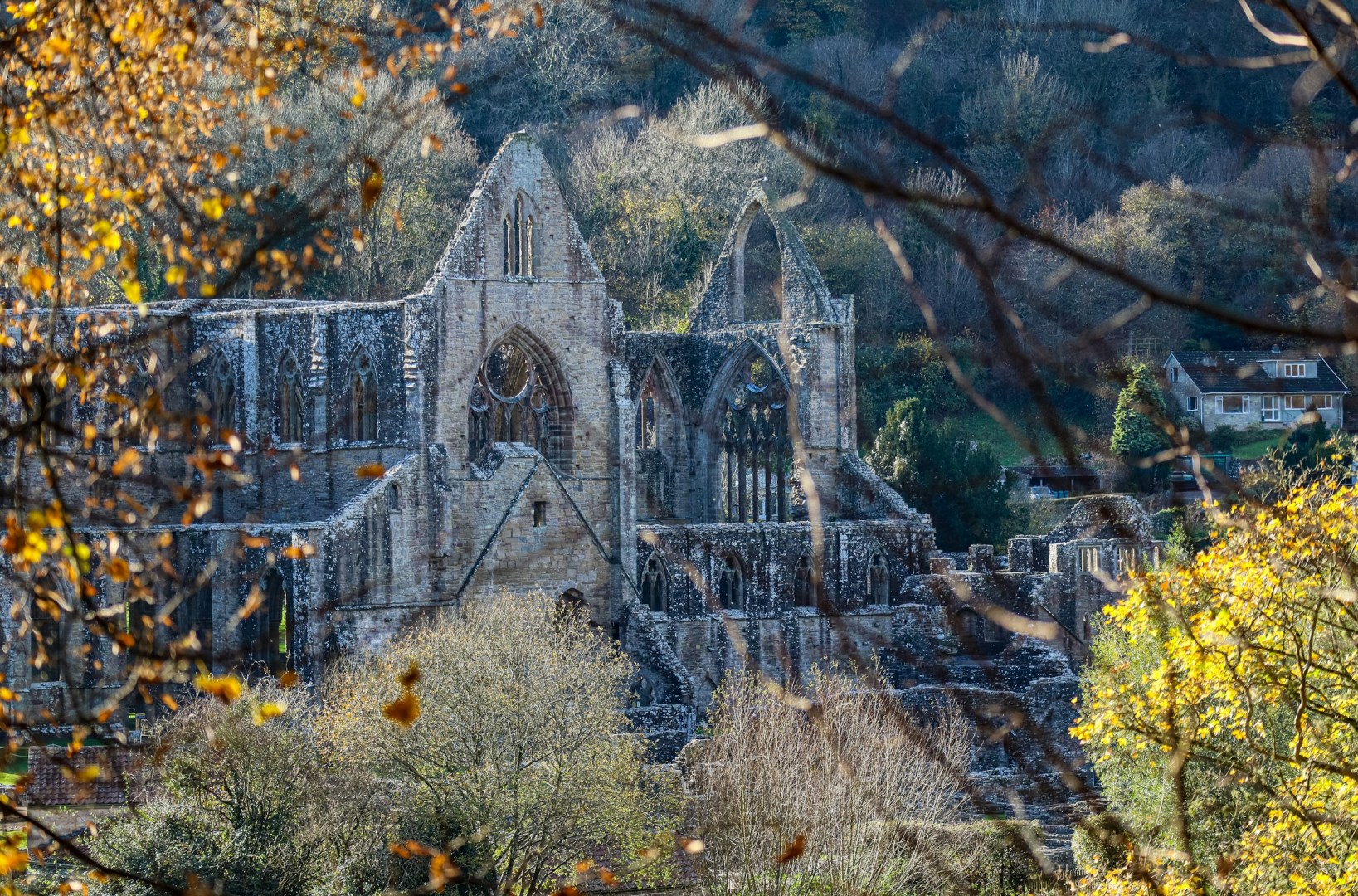
Tintern
Tintern, a picturesque village in Monmouthshire, Wales, is nestled in the heart of the scenic Wye Valley. This charming destination is renowned for the atmospheric ruins of Tintern Abbey, a 12th-century Cistercian monastery that has inspired poets like William Wordsworth and artists such as J.M.W. Turner. Visitors are often captivated by the abbey's majestic presence and the serene beauty of its surroundings.
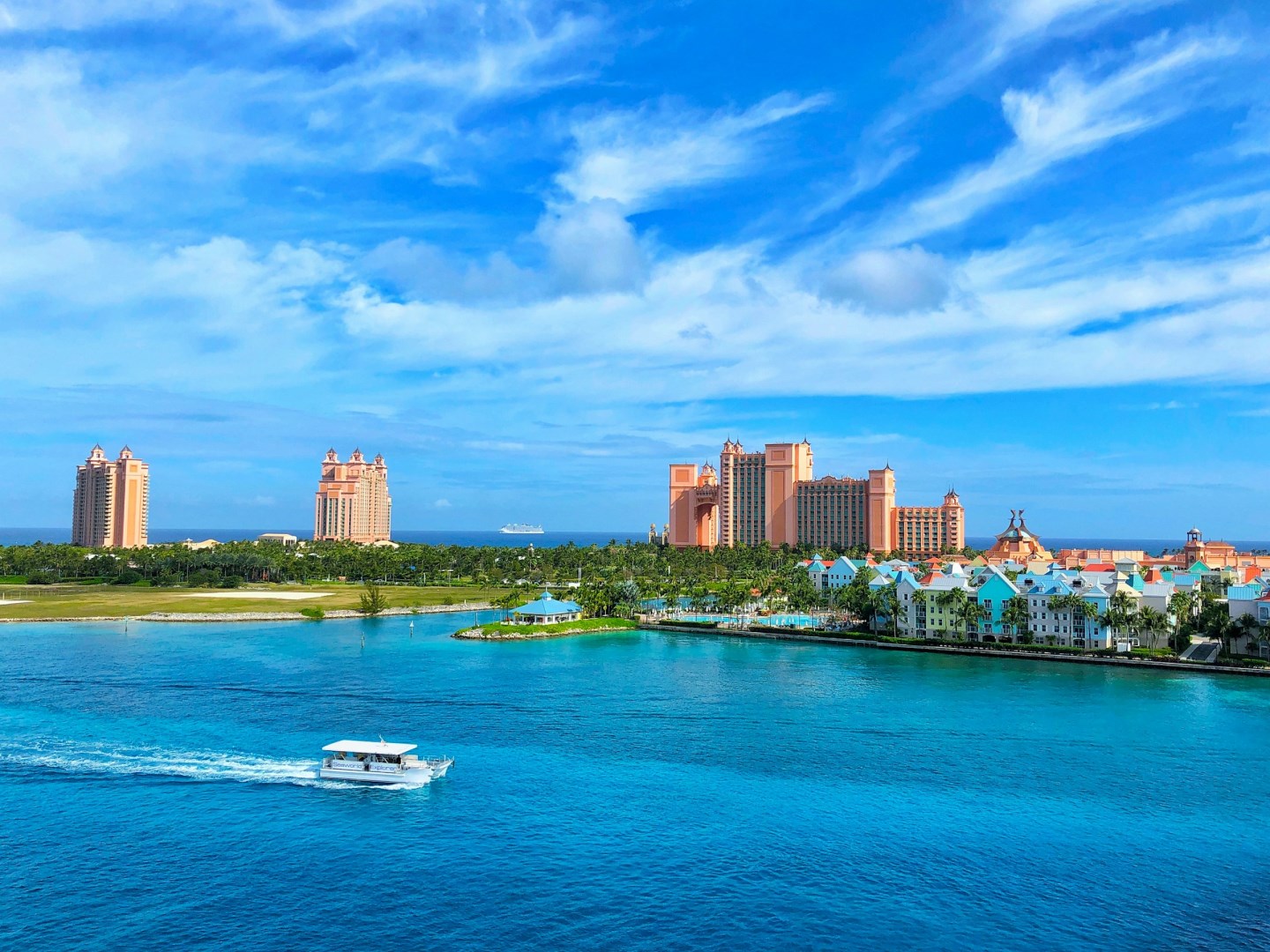
Paradise Island
For a unique exciting vacation explore Paradise, with resorts, casinos and exciting nightlife on an island formerly called "Hog." Its transformation is not unlike Cinderella's putting on the glass slipper. For years the island stood completely undeveloped, its beaches and tropical splendor unnoticed by the world. Suddenly, with the addition of luxurious hotels and a sparkling casino, it was transformed into one of the most glamorous and celebrated resort centers in the world.

Massachusetts
Massachusetts, a state steeped in American history and vibrant culture, offers visitors a rich tapestry of experiences. Begin your journey in Boston, the state capital, where history comes alive along the Freedom Trail. This 2.5-mile route takes you through pivotal sites such as the Massachusetts State House, Paul Revere’s House, and the Old North Church, where the famous signal lanterns were hung during the American Revolution.
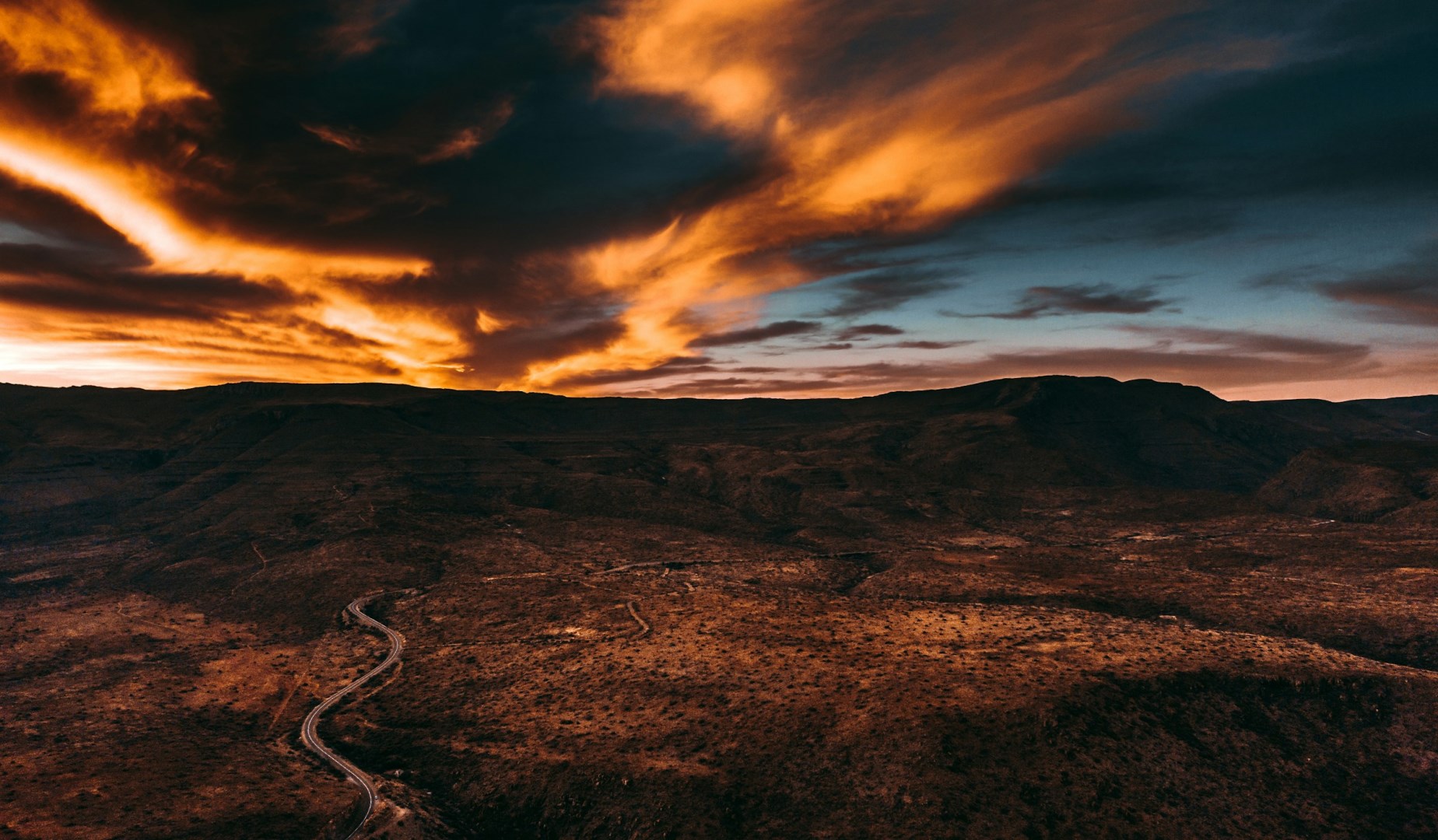
Karoo
The Karoo National Park is one of the quietest places on Earth. The park is known to be breathtakingly quiet, offering its visitors an opportunity to really connect with nature.

Rapid City
Rapid City is the gateway to iconic Mount Rushmore National Memorial and a delightful stop for your next trip to South Dakota.
