
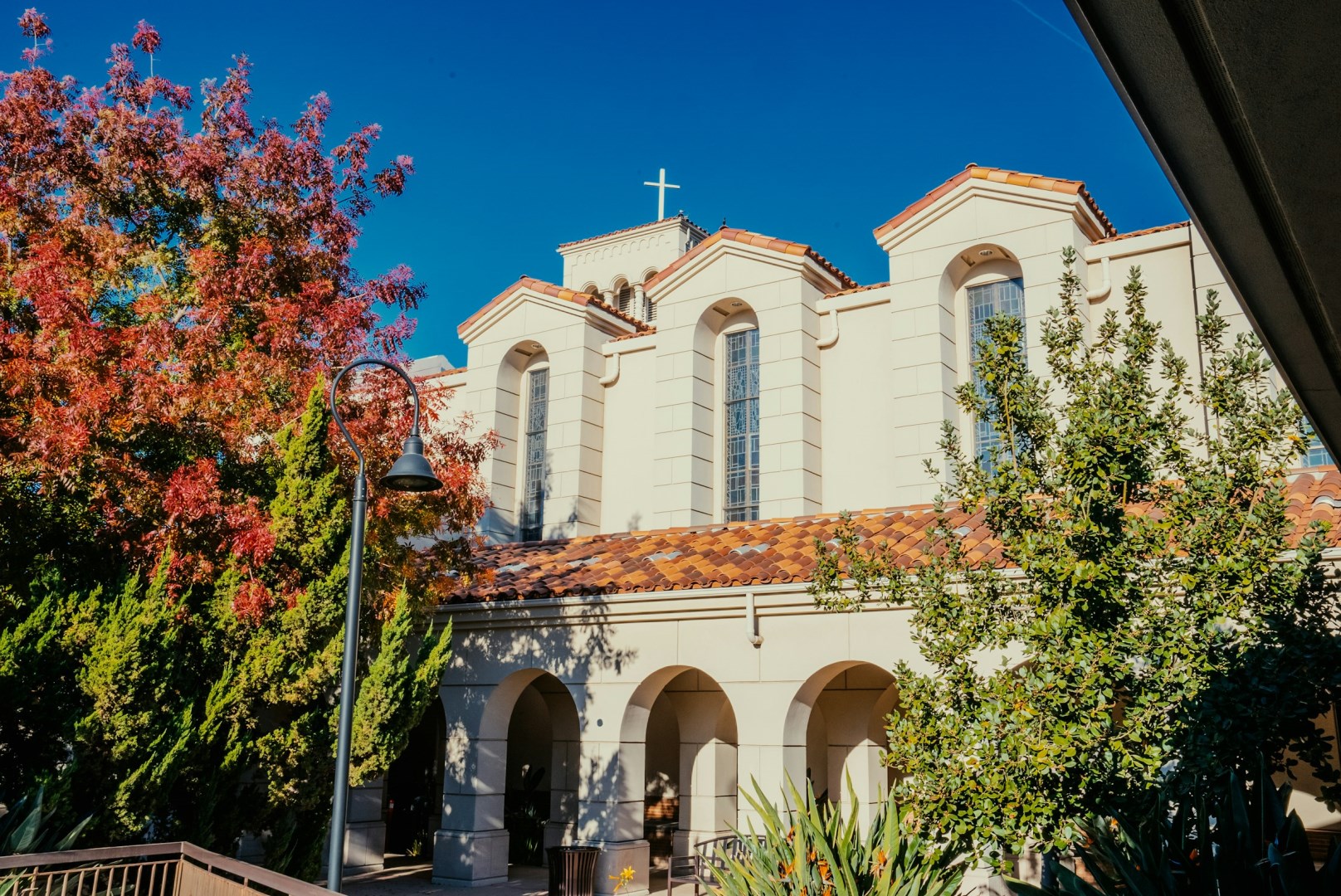
Fresno
Fresno is a major city in California’s San Joaquin Valley, positioned between the Sierra Nevada and the Coast Ranges. Its flat agricultural surroundings are among the most productive farming areas in the United States, with orchards, vineyards, vegetable fields, and citrus groves extending beyond the urban area. Fresno also serves as a regional center for education, healthcare, business, and transportation.
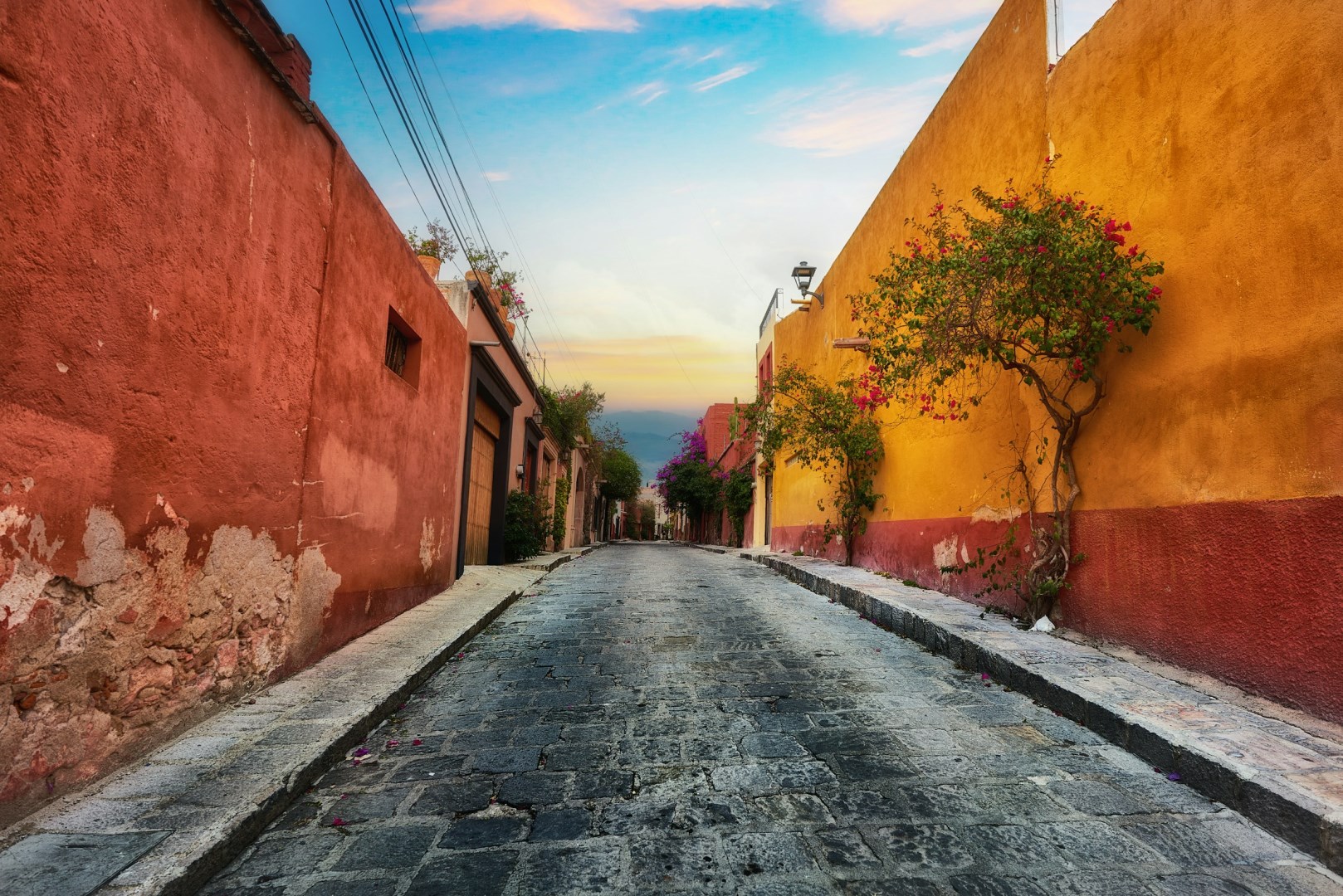
San Miguel de Allende
One of the most beautiful cities in the world, the cobblestone streets line the city center along with colonial Spanish-style architecture. San Miguel de Allende is also known for its thriving art scene, cultural festivals, and some of the most inventive cuisine in Mexico! There is so much to enjoy in this lesser-known gem of North America.
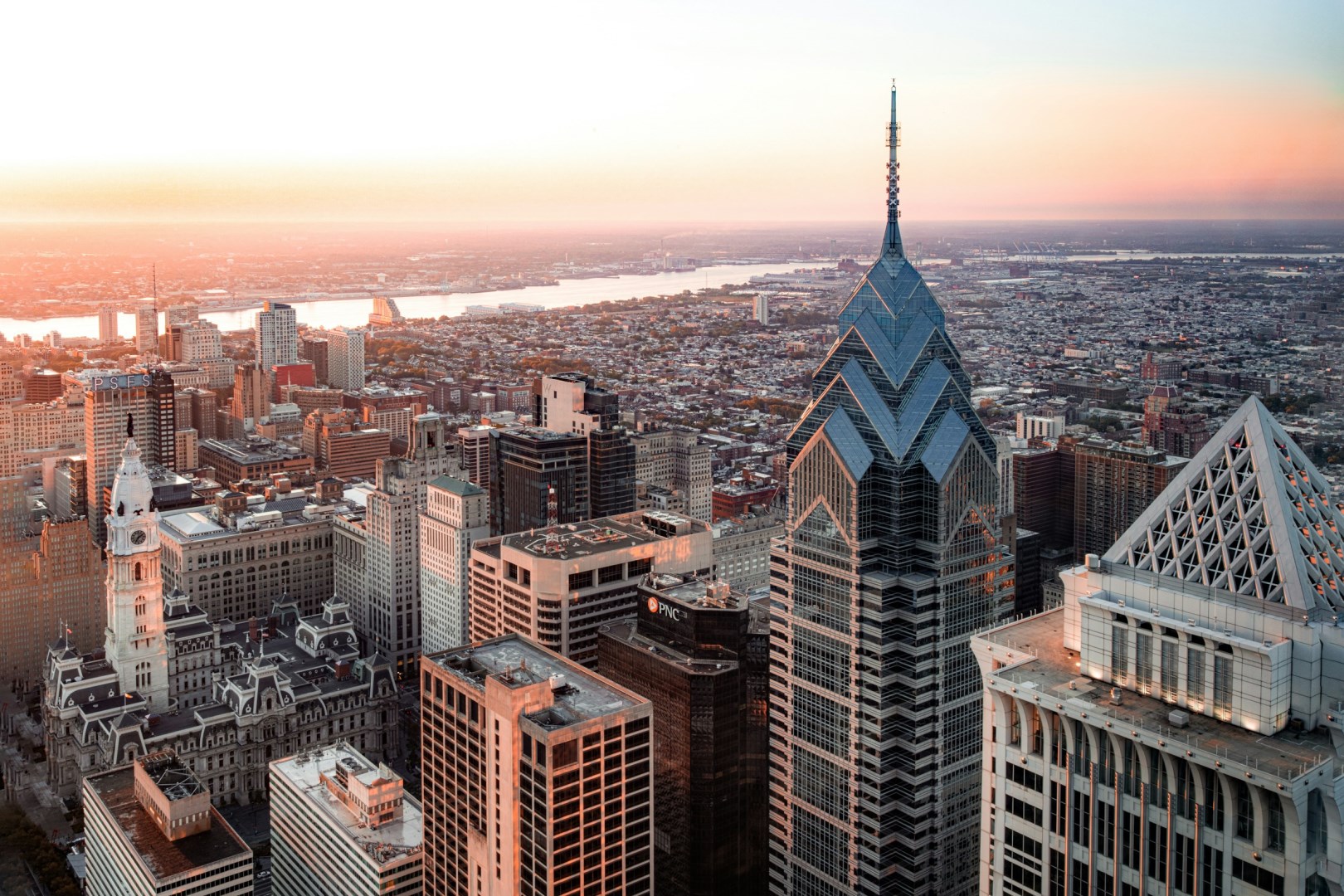
Philadelphia
Philadelphia, the birthplace of American democracy, offers visitors a rare opportunity to walk through the very streets where the nation’s founding ideals were debated, signed, and set into motion. The city's art scene is as bold as its history. The Philadelphia Museum of Art is home to works by Van Gogh, Duchamp, and an entire Japanese teahouse, but it might be better known for the "Rocky Steps" out front, where visitors recreate the famous movie scene daily.

Bequia
Bequia, the largest of the Grenadines, is a hidden gem in the Caribbean Sea that captivates visitors with its unspoiled beauty and warm, welcoming atmosphere. Often described as the "island in the clouds," Bequia (pronounced "Bek-way") offers a tranquil escape where turquoise waters meet lush green hills. The island's charm lies in its simplicity—no sprawling resorts or crowded beaches, just a peaceful haven where time seems to stand still.
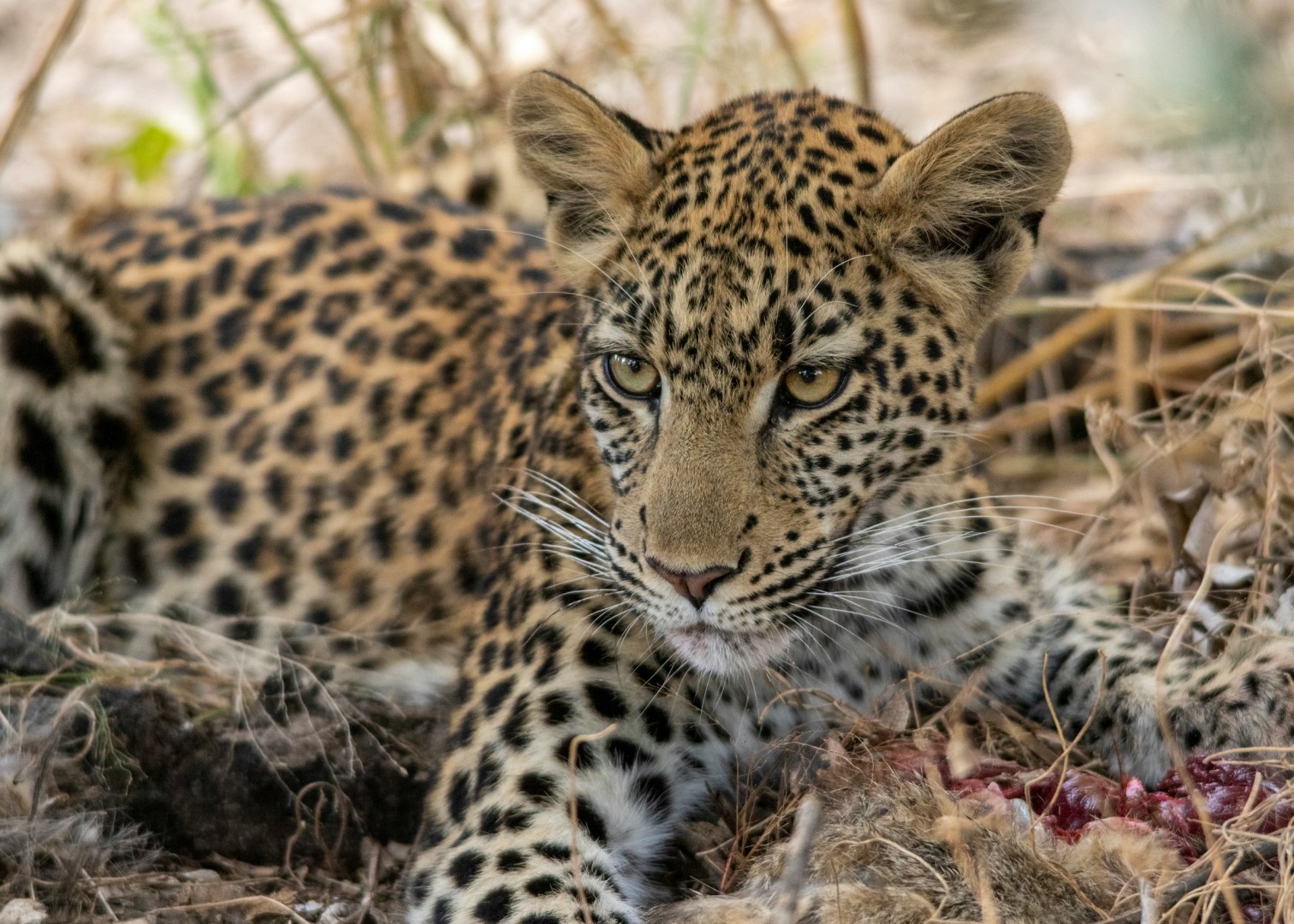
Khwai
Khwai is a small community in northern Botswana situated beside the Khwai River, on the eastern edge of the Okavango Delta. Its location places the village between the Moremi Game Reserve and the Chobe National Park area, within a landscape of floodplains, seasonal wetlands, grasslands, mopane woodland, and riverine forest.
