
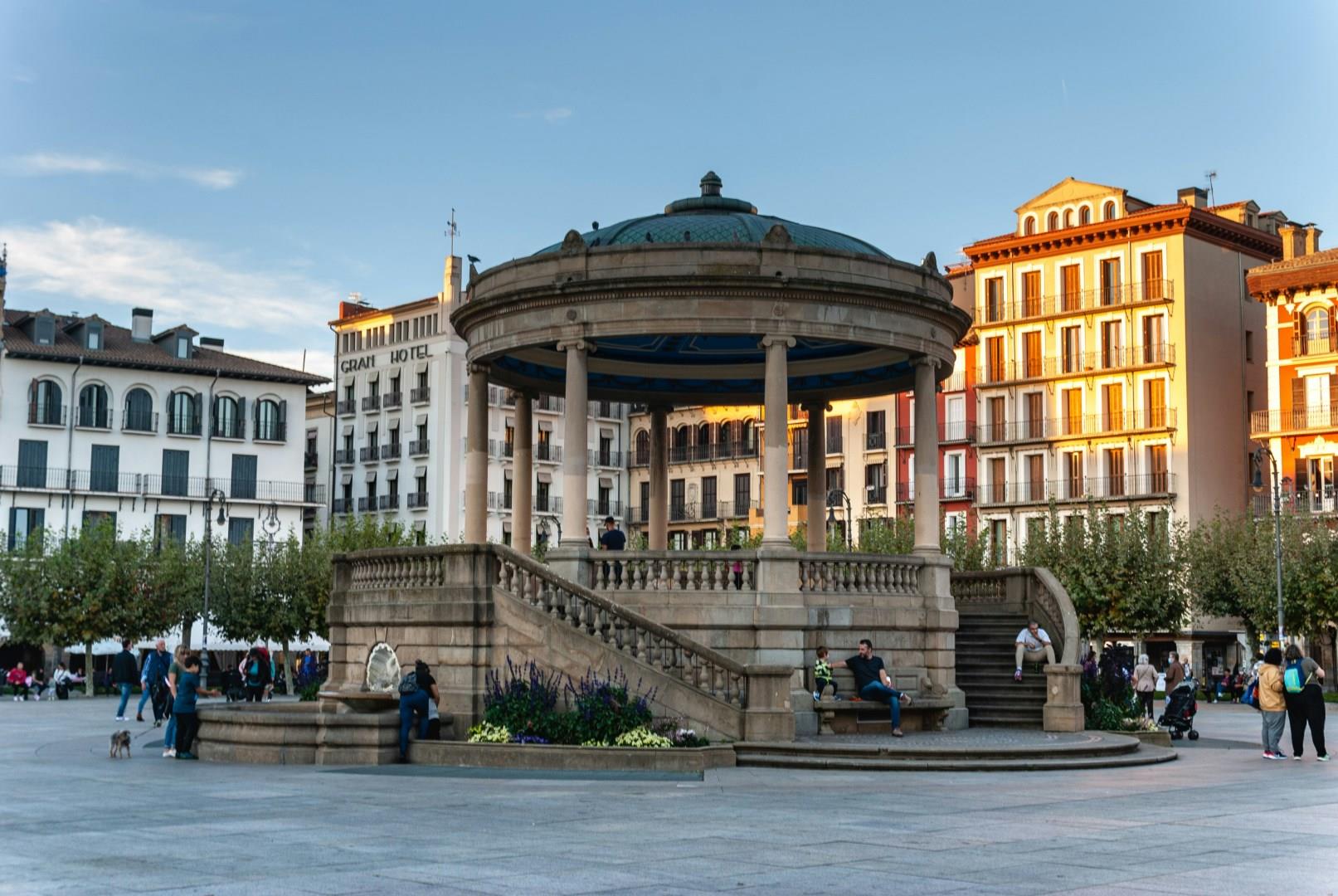
Pamplona
Pamplona, the capital of Spain’s Navarre region, is best known worldwide for the Running of the Bulls during the San Fermín festival each July. But beyond the brief rush of that event lies a city steeped in medieval history, Basque influence, and a slower pace that surprises many visitors. One of the most significant aspects of Pamplona is its place on the Camino de Santiago, the ancient pilgrimage route to Santiago de Compostela.

Costa Rica
Costa Rica is a country that has built its identity around both natural preservation and cultural vibrancy. Known for its stable democracy and emphasis on sustainability, it has become a global leader in eco-tourism.
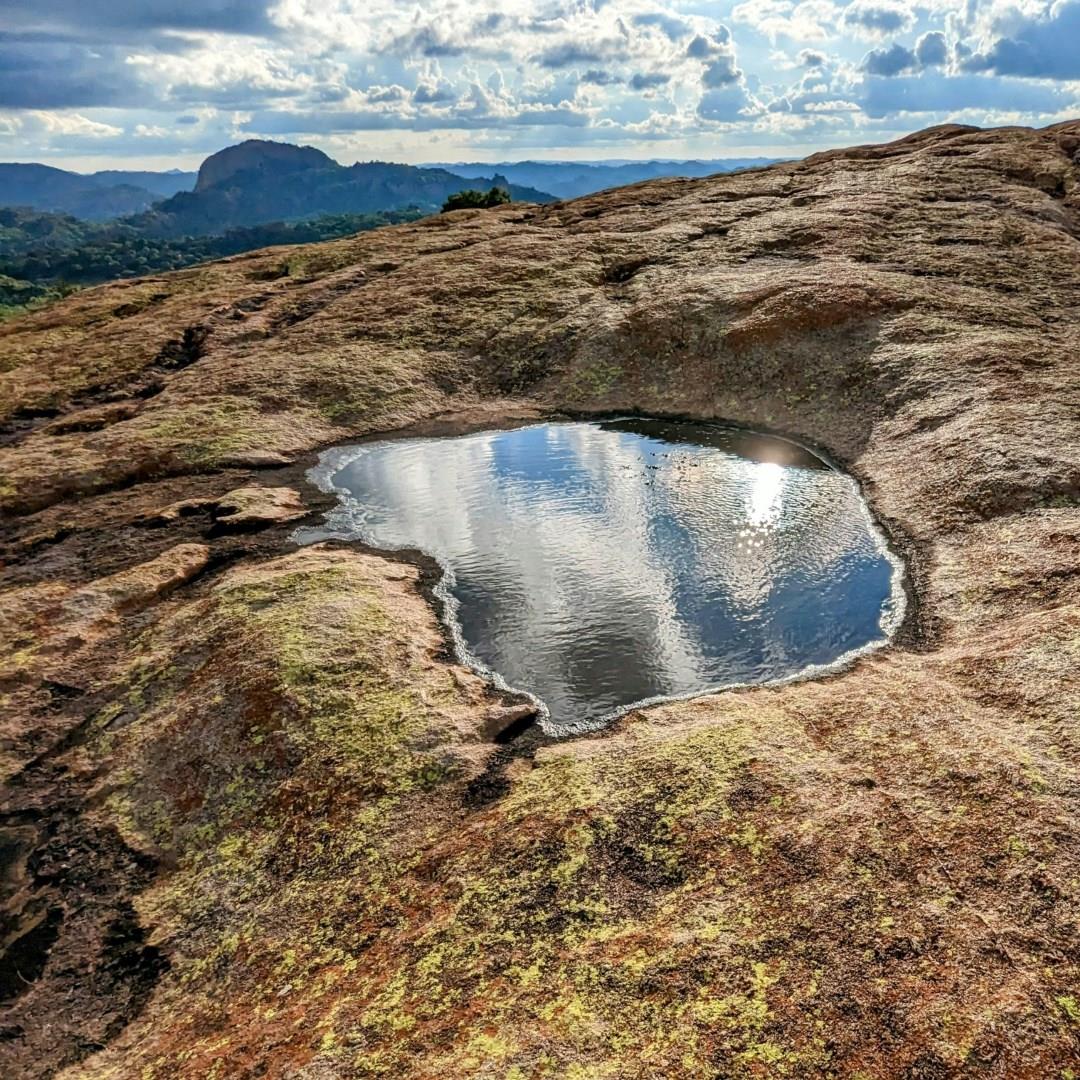
Matobo National Park
Matobo National Park sits in the rolling hills of southern Zimbabwe stands as one of the country’s most remarkable landscapes. Its granite domes, balancing rocks and wooded valleys have formed over more than two billion years, creating a setting that feels both ancient and alive. As a UNESCO World Heritage cultural site, the park preserves a landscape that has shaped human life here for millennia, drawing travelers to explore its unusual terrain and storied past.
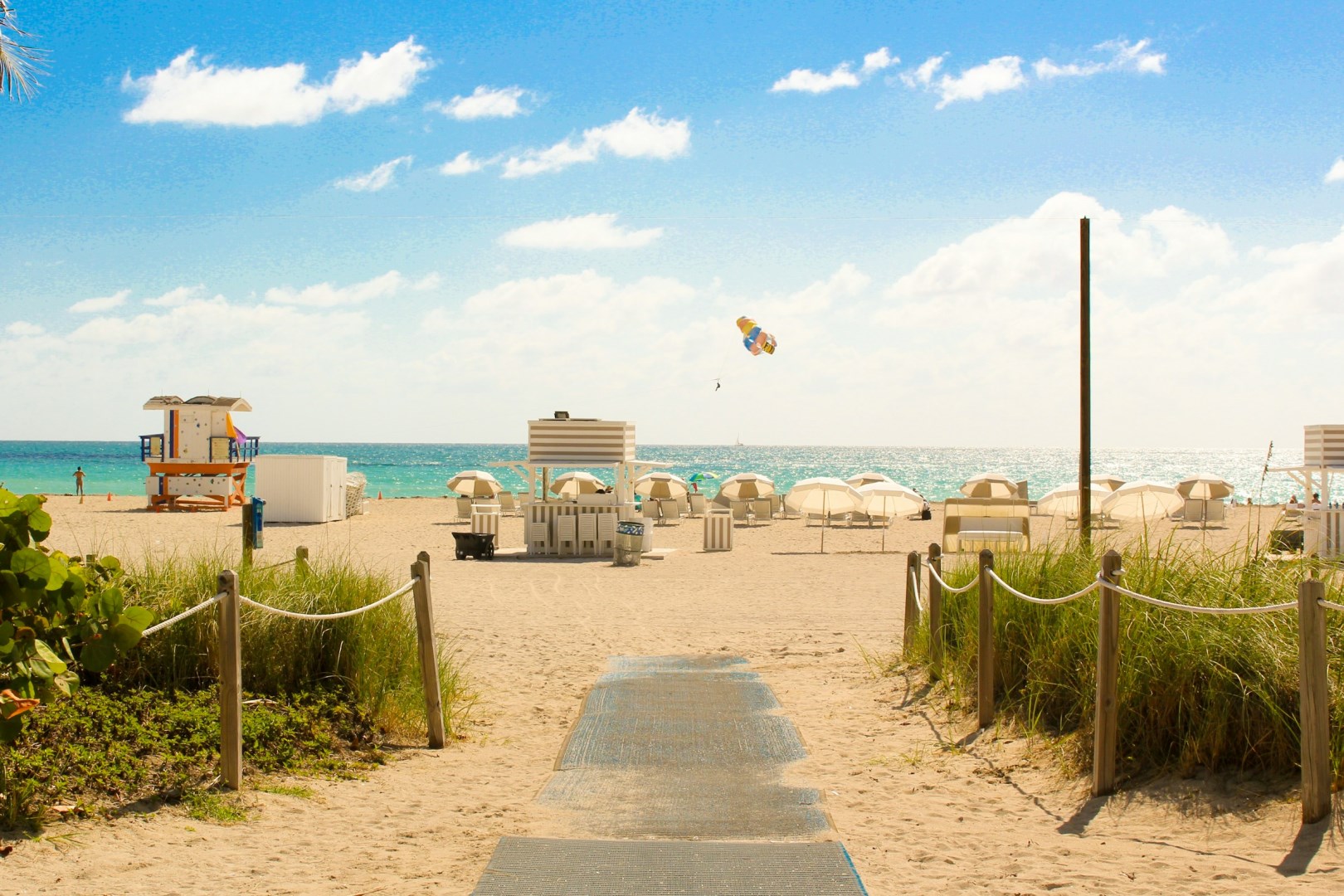
South Beach
South Beach... Florida's favorite party spot. Sunny streets and beautiful beach ...not to mention beautiful people!
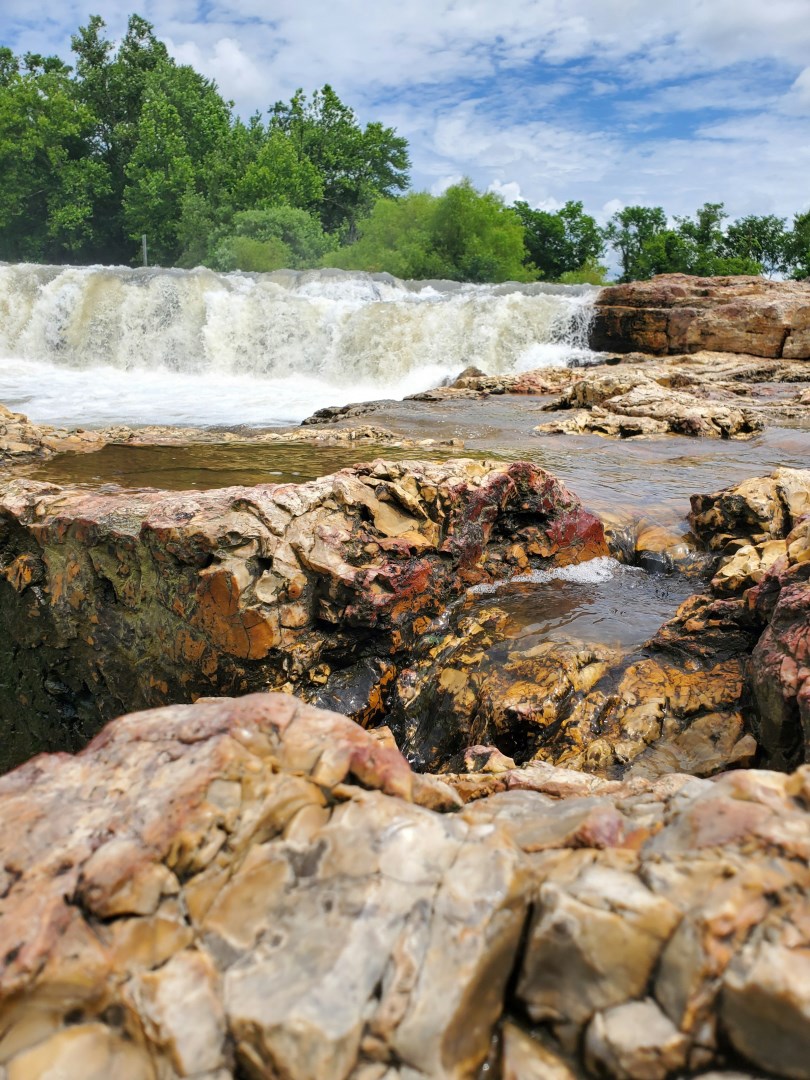
Joplin
Joplin, Missouri, sits in the southwestern corner of the state within the Ozarks region, where rolling woodland, limestone formations, and waterways surround a city shaped by mining, transportation, and Route 66. Its downtown combines historic buildings, murals, independent businesses, restaurants, and cultural venues, while the Murphysburg Historic District preserves some of the community’s older residential architecture.
