
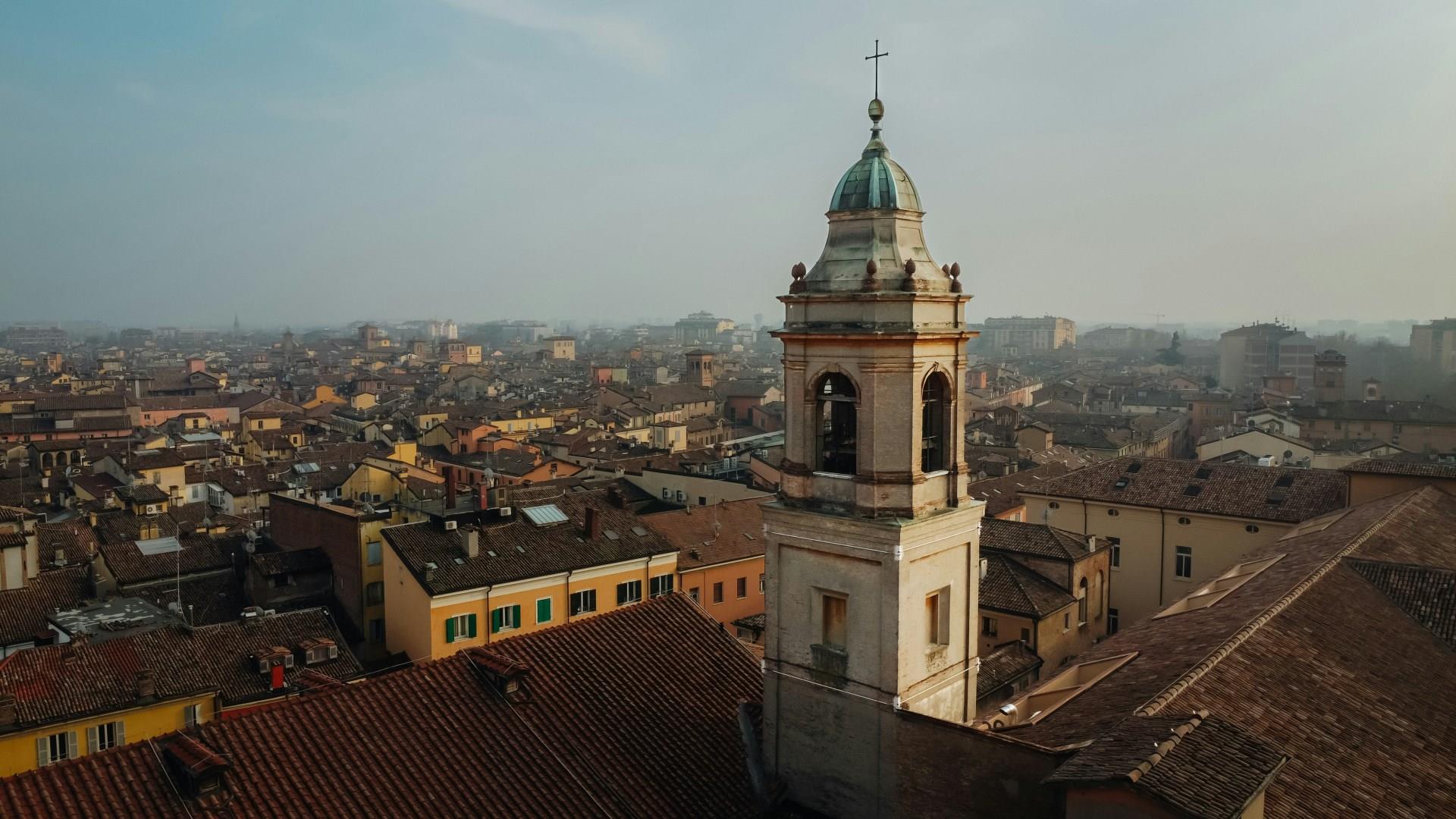
Modena
Modena is a historic city in the Emilia-Romagna region of northern Italy, celebrated for its deep culinary heritage, elegant architecture, and automotive excellence. It lies in the fertile Po Valley and is often considered one of Italy’s most livable cities.
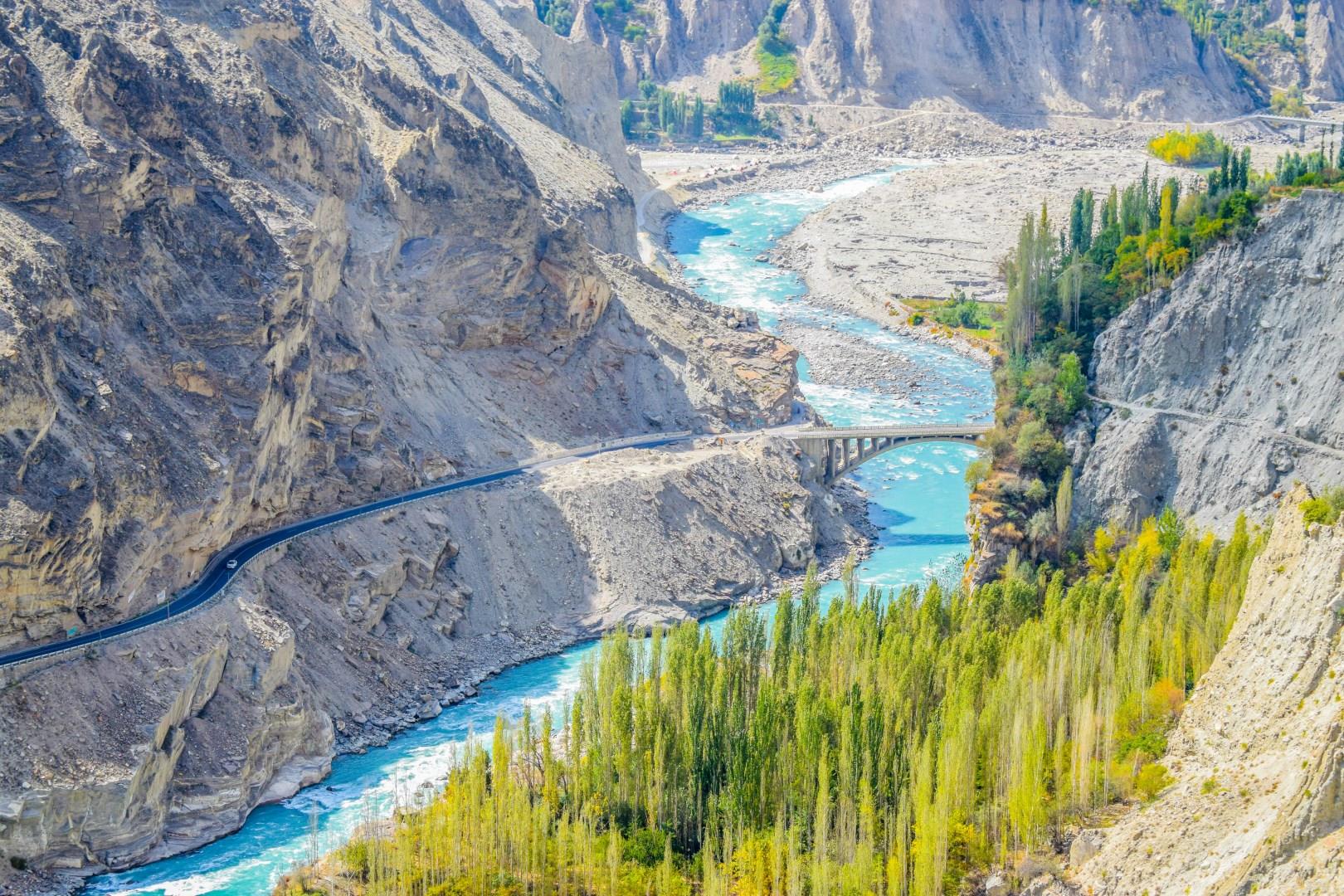
Pakistan
Pakistan is a country of remarkable diversity, combining mountains, deserts, rivers, and coastal areas. The northern regions feature some of the world’s highest peaks, including K2, while the southern plains are home to fertile agricultural land and the port city of Karachi.

Toiny
Toiny is a quiet, scenic village located on the eastern coast of Saint Barthélemy (St. Barts), known for its unspoiled natural surroundings and authentic Caribbean charm. Unlike the more developed west coast beaches, Toiny offers a serene retreat where rolling hills meet the Atlantic Ocean, and dramatic cliffs frame the coastline.
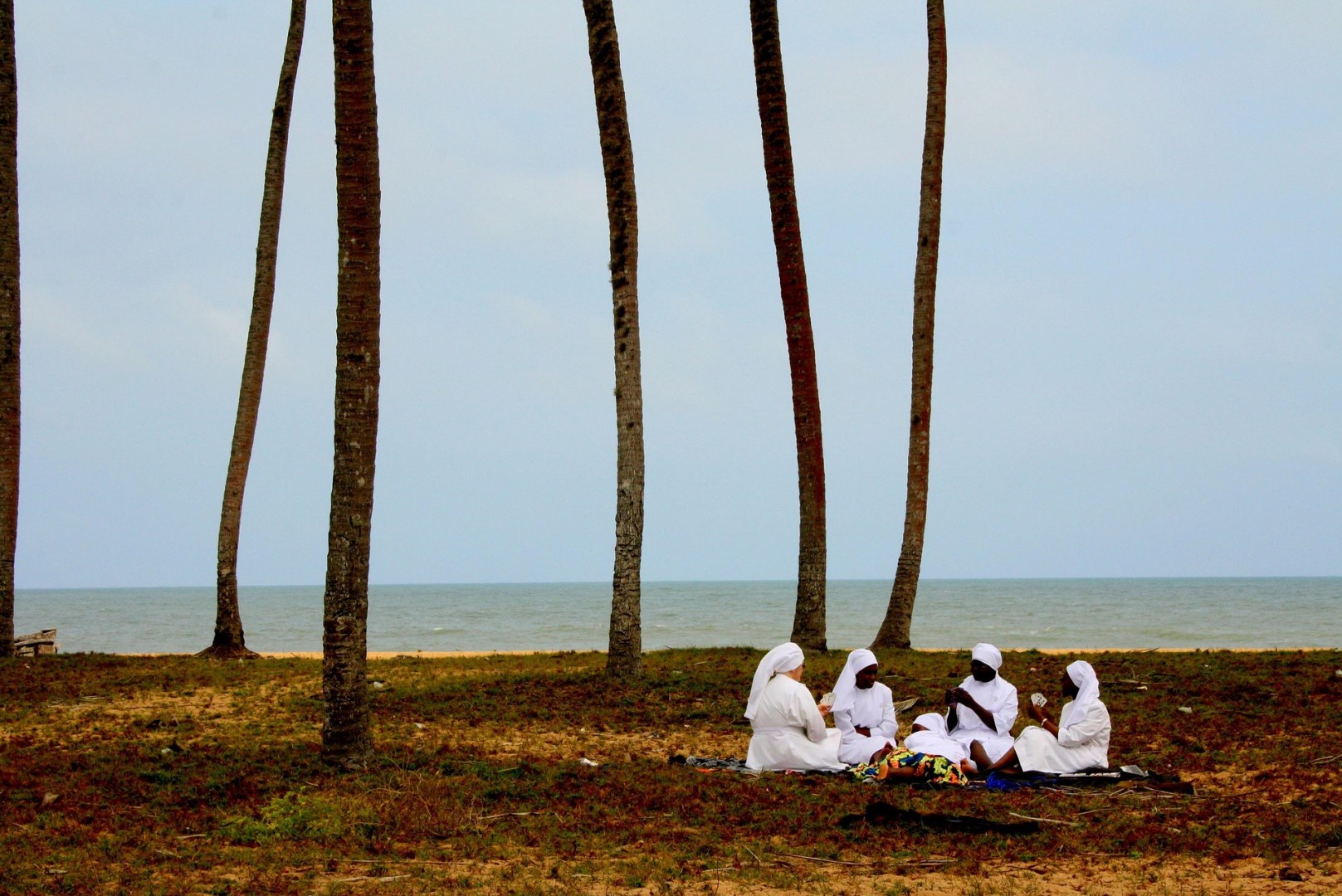
Benin
Tucked along the Gulf of Guinea in West Africa, Benin offers a vibrant blend of traditions, rich history, and colorful daily life that surprises and delights travelers at every turn. The country is the birthplace of Vodun (commonly known as Voodoo), a spiritual tradition still practiced widely and celebrated each January 10th with processions, drums, and dance in the city of Ouidah.

Angkor Ban
A visit to Angkor Ban offers a unique opportunity to step back in time and witness a Cambodia that remains untouched by modern development. Whether admiring the historic wooden houses, visiting the temple, or engaging with friendly locals, travelers will find this riverside village a rewarding cultural experience.
