
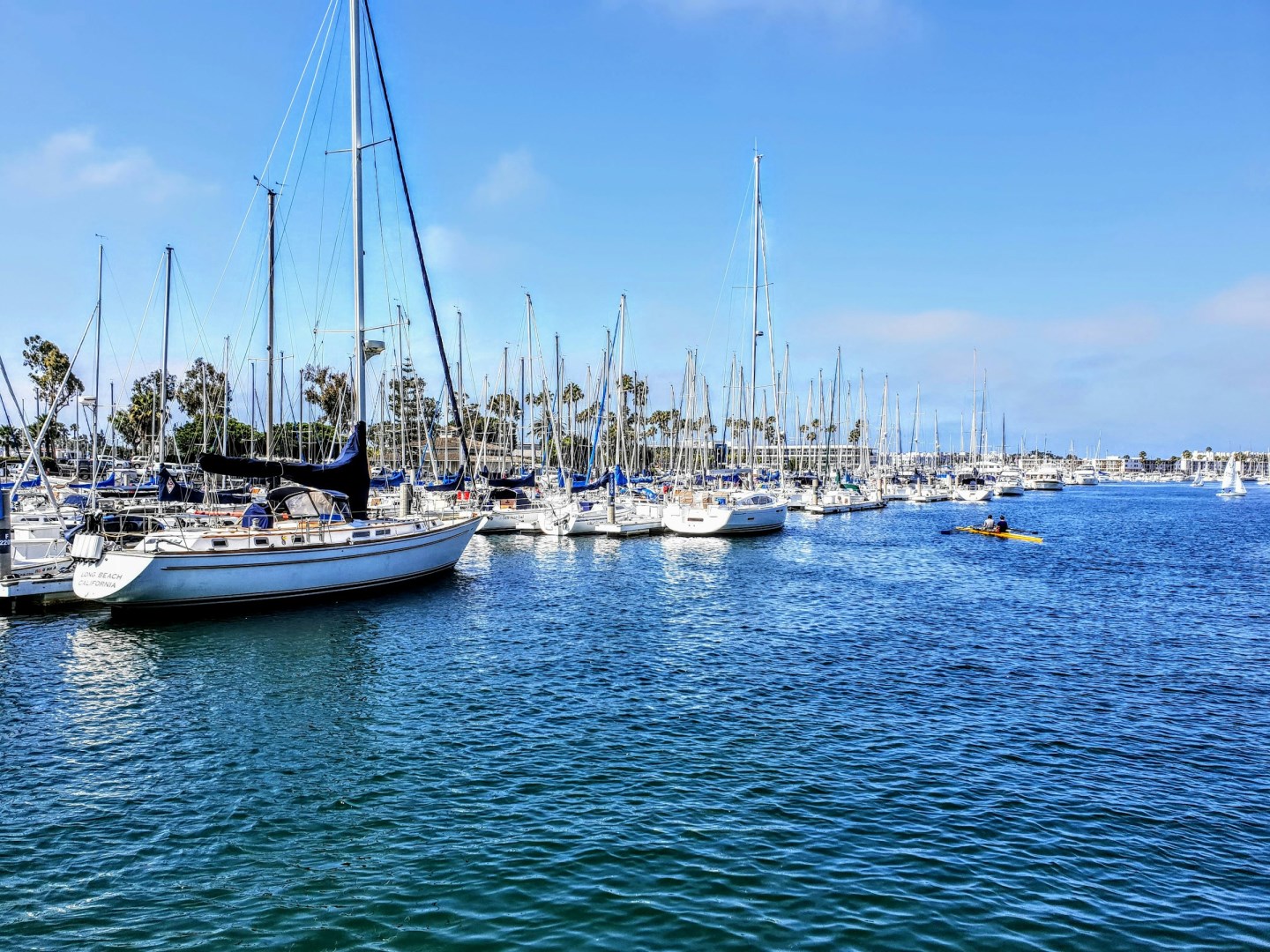
Marina del Rey
Marina del Rey is a coastal community in Los Angeles County, California, centered on one of the largest artificial small-craft harbors in North America. Located beside Santa Monica Bay, the area combines a network of marina basins with residential buildings, restaurants, parks, and waterfront paths. Its position between Los Angeles and the Pacific Ocean makes it closely connected to the wider Southern California coastline.
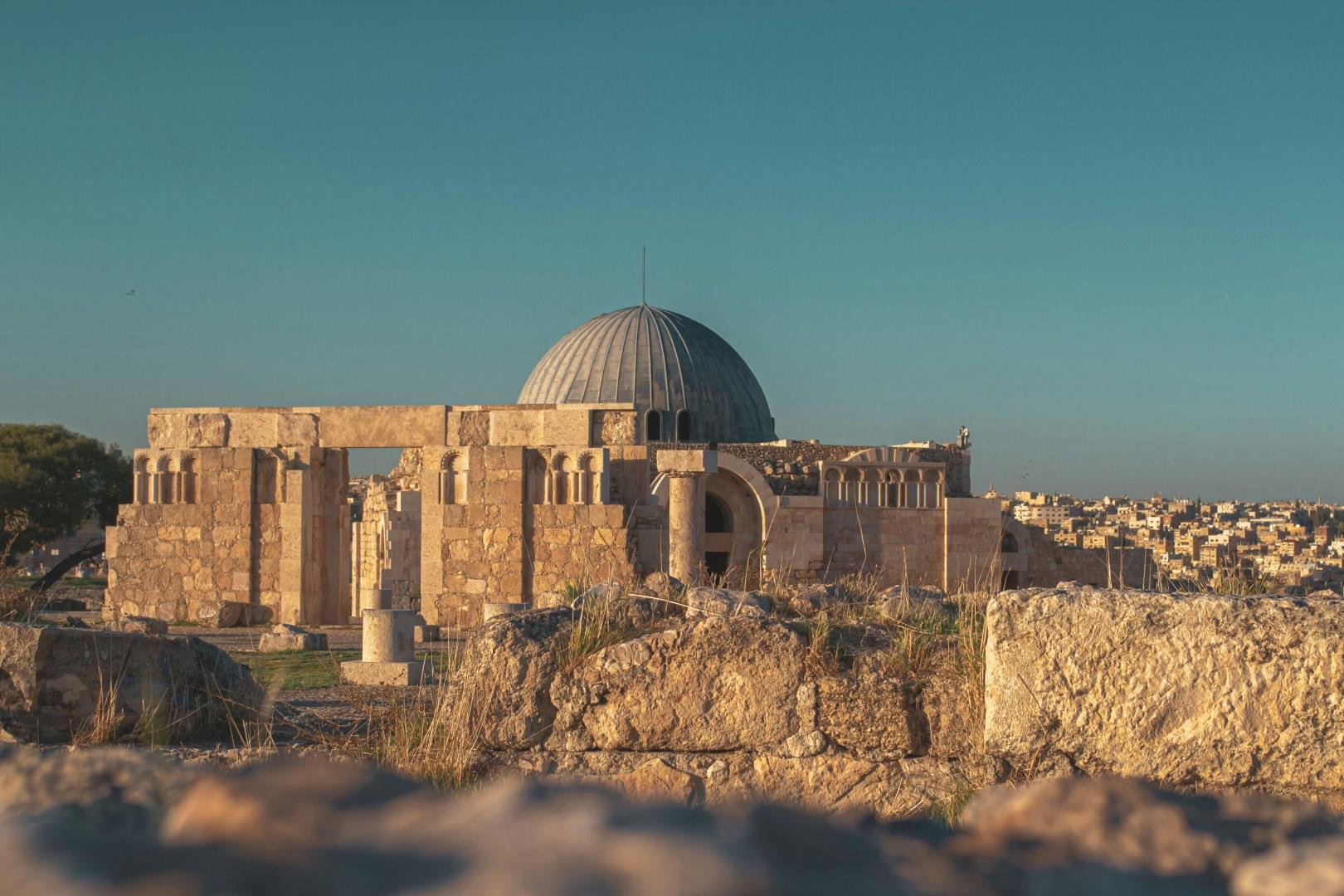
Amman
Situated near the Dead Sea, Amman is the capital of Jordan and a cultural and historical hub in the Middle East. Explore this sprawling city, replete with historic landmarks, museums, and mosques, and you’ll soon be enraptured by its blend of metropolitan and ancient beauty.

Bologna
Bologna, Italy, is a city that effortlessly weaves together rich history, vibrant culture, and renowned gastronomy, making it an irresistible destination for travelers seeking an authentic Italian experience. Often referred to as "La Dotta, La Grassa, La Rossa" (The Learned, The Fat, The Red), Bologna proudly wears these nicknames that highlight its academic prestige, culinary heritage, and distinctive terracotta-colored architecture.
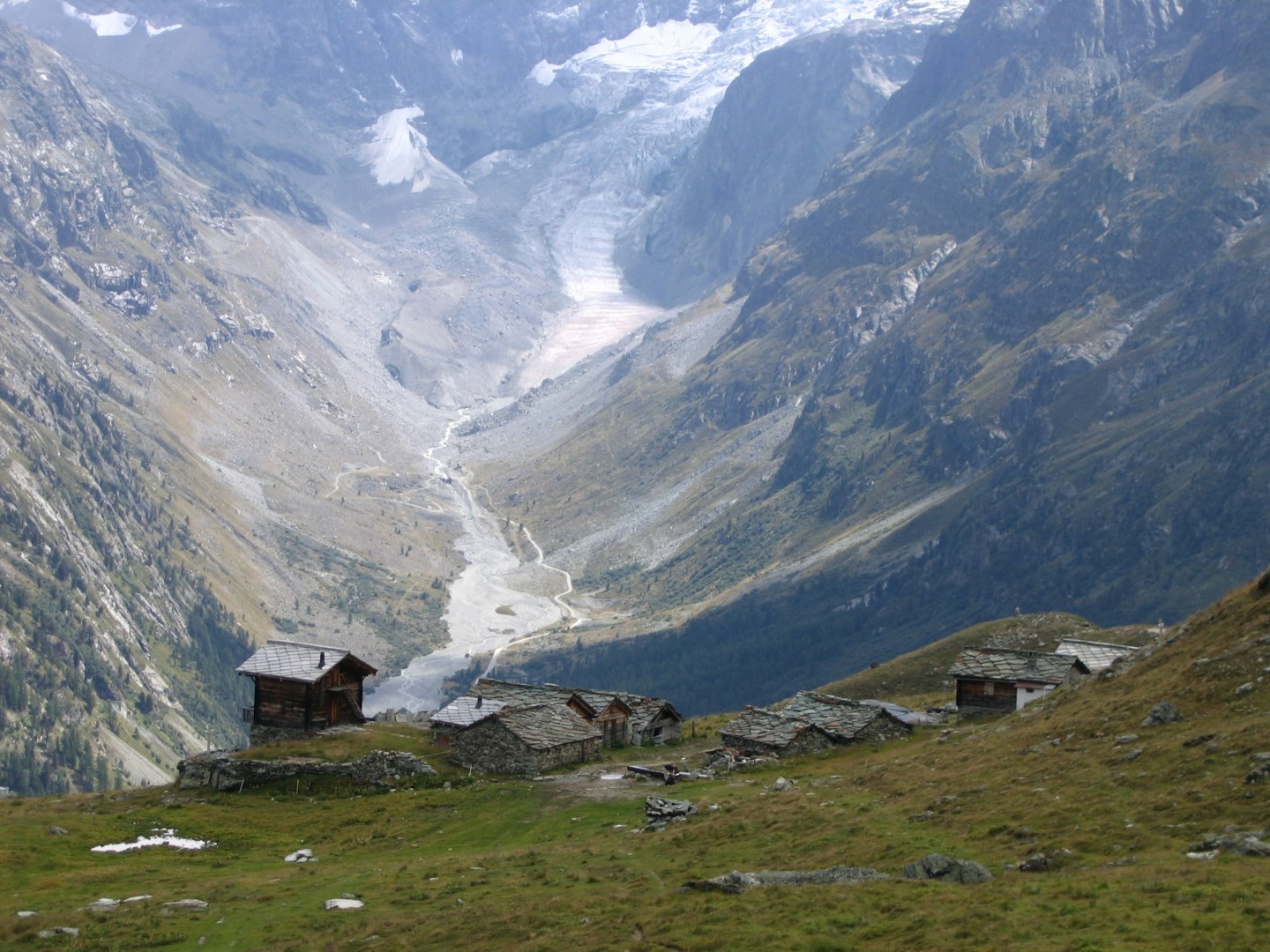
Arolla
Situated at the foot of Mont Collon, the small village of Arolla is a popular starting point for summer mountain hikes as well as a common stop on the Chamonix-Zermatt Haute Route expeditions. In the winter, it's a small ski resort with five lifts and guaranteed snow thanks to the elevation.

Gulf of Alaska
The Gulf of Alaska, a vast expanse of icy blue waters nestled along the southern coast of Alaska, is a remarkable destination for nature enthusiasts and adventure seekers. This pristine region is renowned for its dramatic fjords, rugged coastline, and majestic glaciers, which contribute to its breathtaking scenery.
