
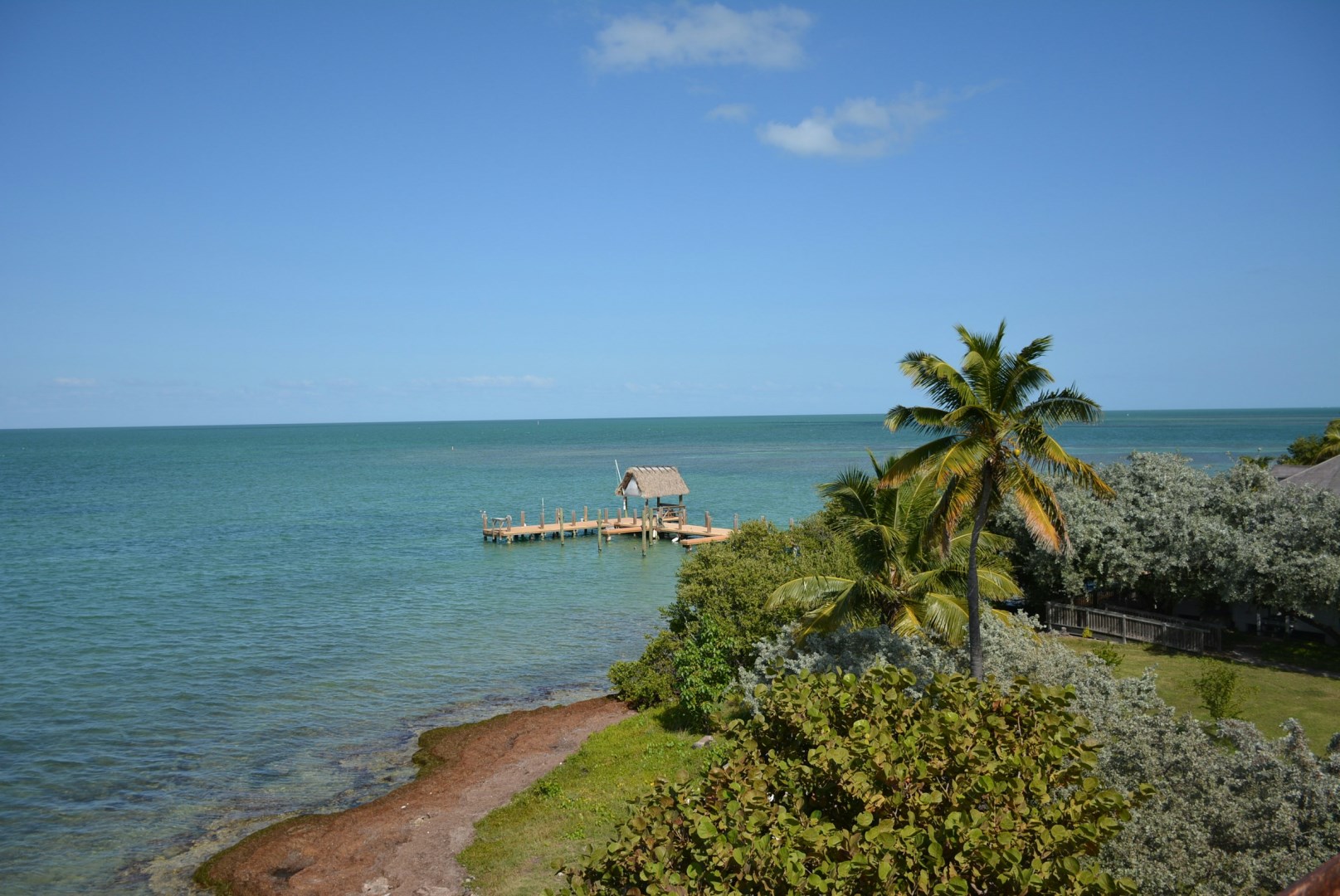
Pigeon Key
Pigeon Key is a small historic island in the Middle Keys, located just offshore from Marathon beneath the Old Seven Mile Bridge. The island occupies only a few acres, yet its position within the Florida Keys gives it an unusual combination of maritime history and tropical surroundings. Today, Pigeon Key is preserved as a historic and educational site, with restored buildings, a small museum, and facilities for marine science programs.

Sun City
Suncity South Africa is internationally renowned as Africa 's premier holiday resort. Suncity offers a myriad of different entertainment and relaxation opportunities, as well as enough attractions and activities to keep everyone busy.
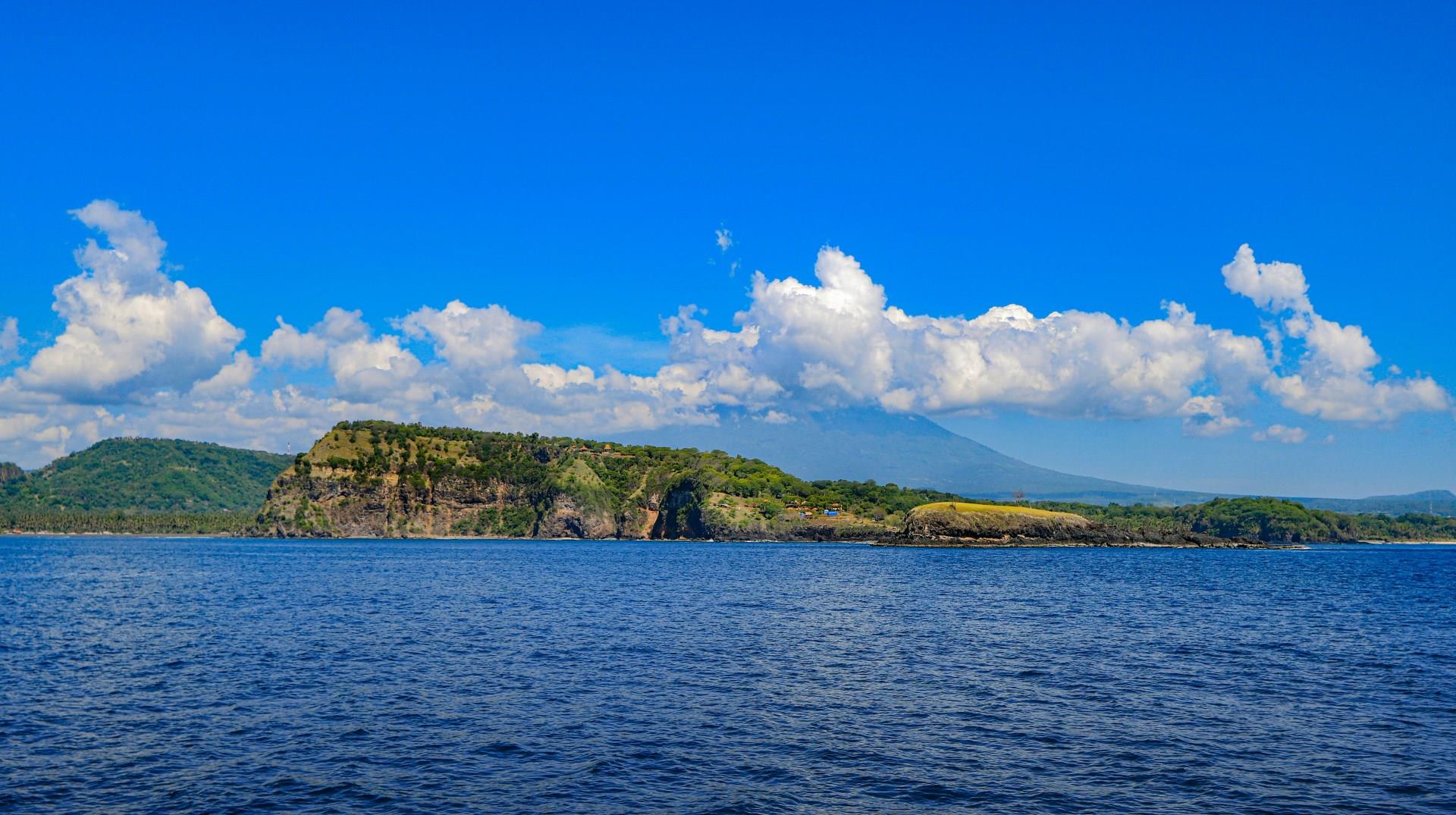
Candi Dasa
Candi Dasa lies along Bali’s quieter east coast, where the village grew around a coastal lagoon once used for ritual and fishing life. Its development has remained low-key compared to southern Bali, and local temples and daily offerings reflect a rhythm shaped more by tradition than tourism.
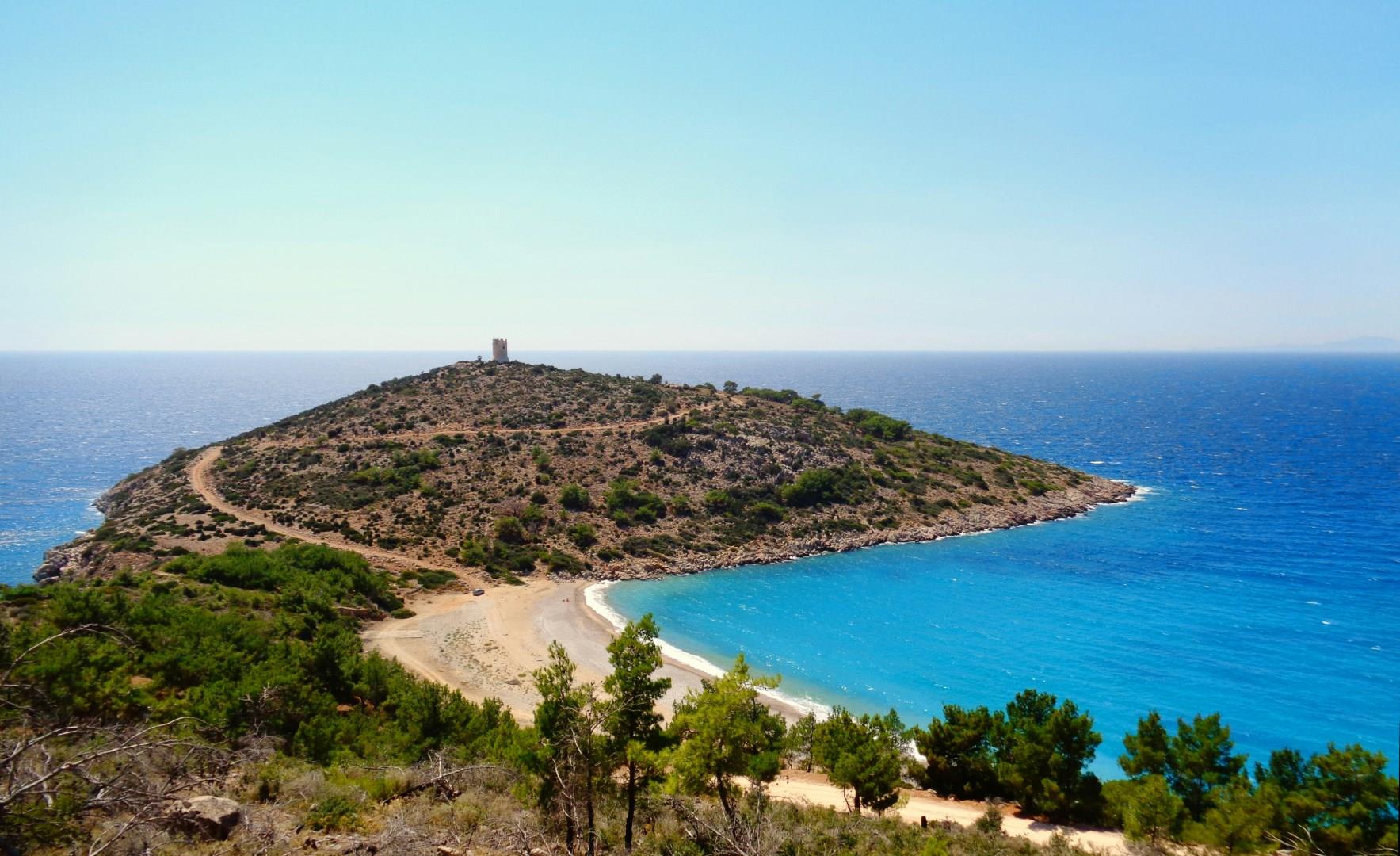
Chios
Chios lies in the northeastern Aegean, close enough to the Turkish coast that the mainland feels present in daily life.

Bangor
Settled in 1769, this Maine city is located on the Penobscot River in south central Maine.
