

Dominica
Dominica, known as the “Nature Island of the Caribbean,” is a haven for eco-tourists and adventure seekers. Nestled between the French islands of Guadeloupe and Martinique, this lush island boasts a remarkable landscape of volcanic mountains, dense rainforests, and stunning waterfalls. Dominica’s most iconic natural wonder is the Boiling Lake, the second-largest hot spring in the world.
Hannibal
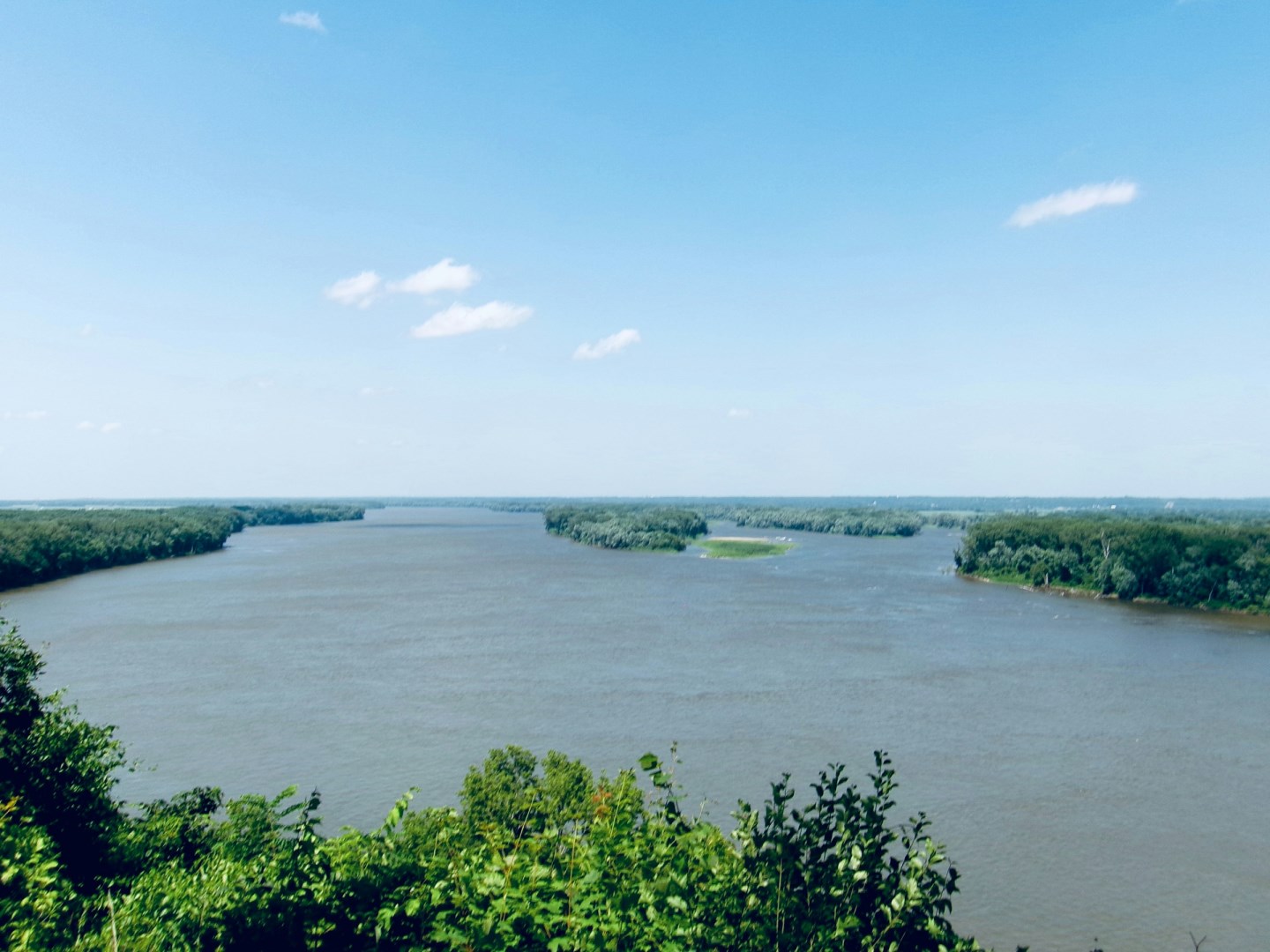
Home of Mark Twain's boyhood home, Hannibal is a quaint Missouri town located on the Mississippi River and a popular stop for river cruises.
Davos
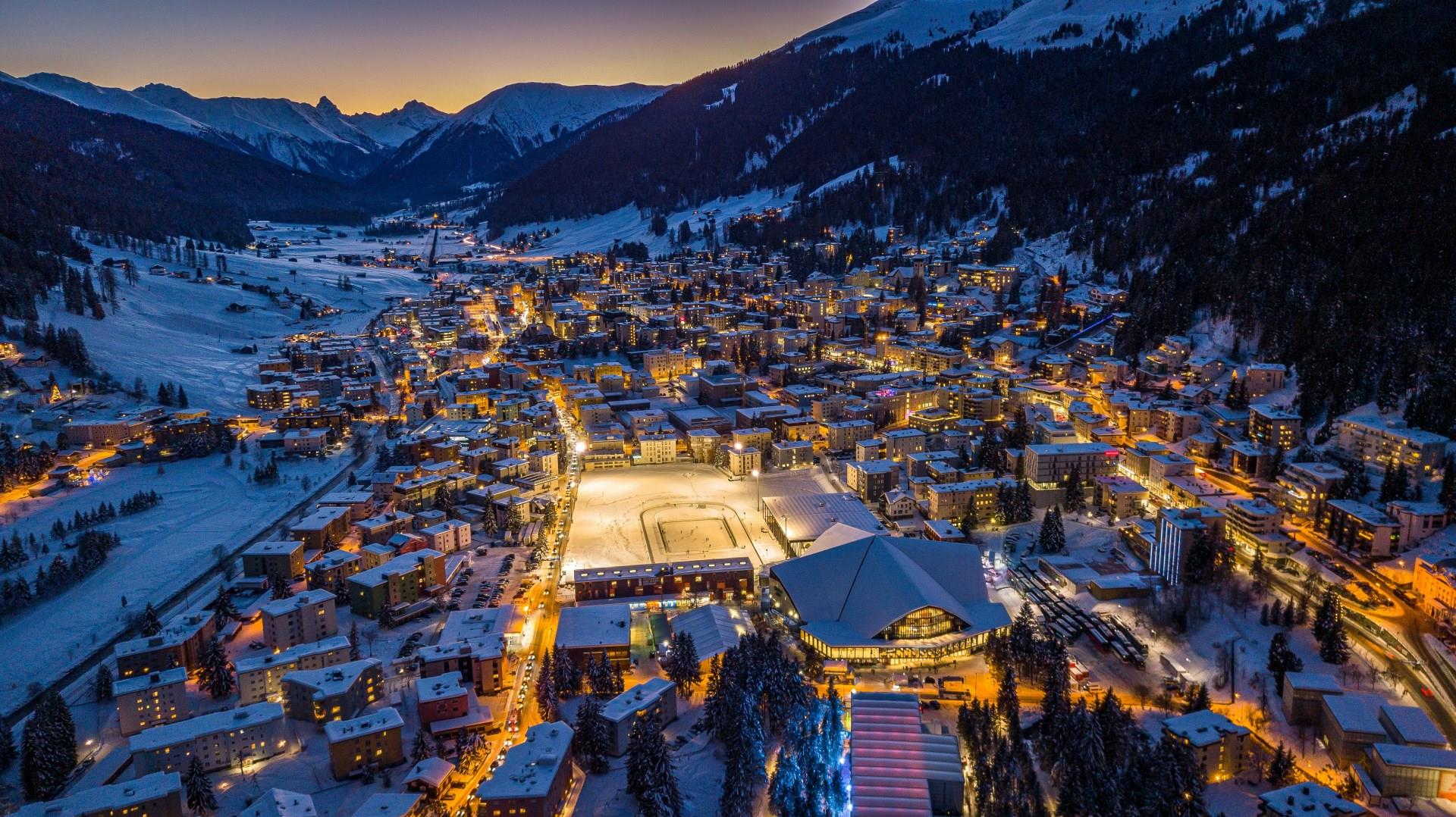
Davos, located in the Swiss canton of Graubünden, is the highest town in Europe at 1,560 meters above sea level and known for its alpine sports and outdoor activities. In winter, it offers over 300 kilometers of ski slopes shared with neighboring Klosters, along with cross-country trails and Europe’s largest natural ice rink. In summer, the same mountains transform into hiking and mountain biking routes, including the panoramic Jakobshorn and Parsenn areas.
Negombo
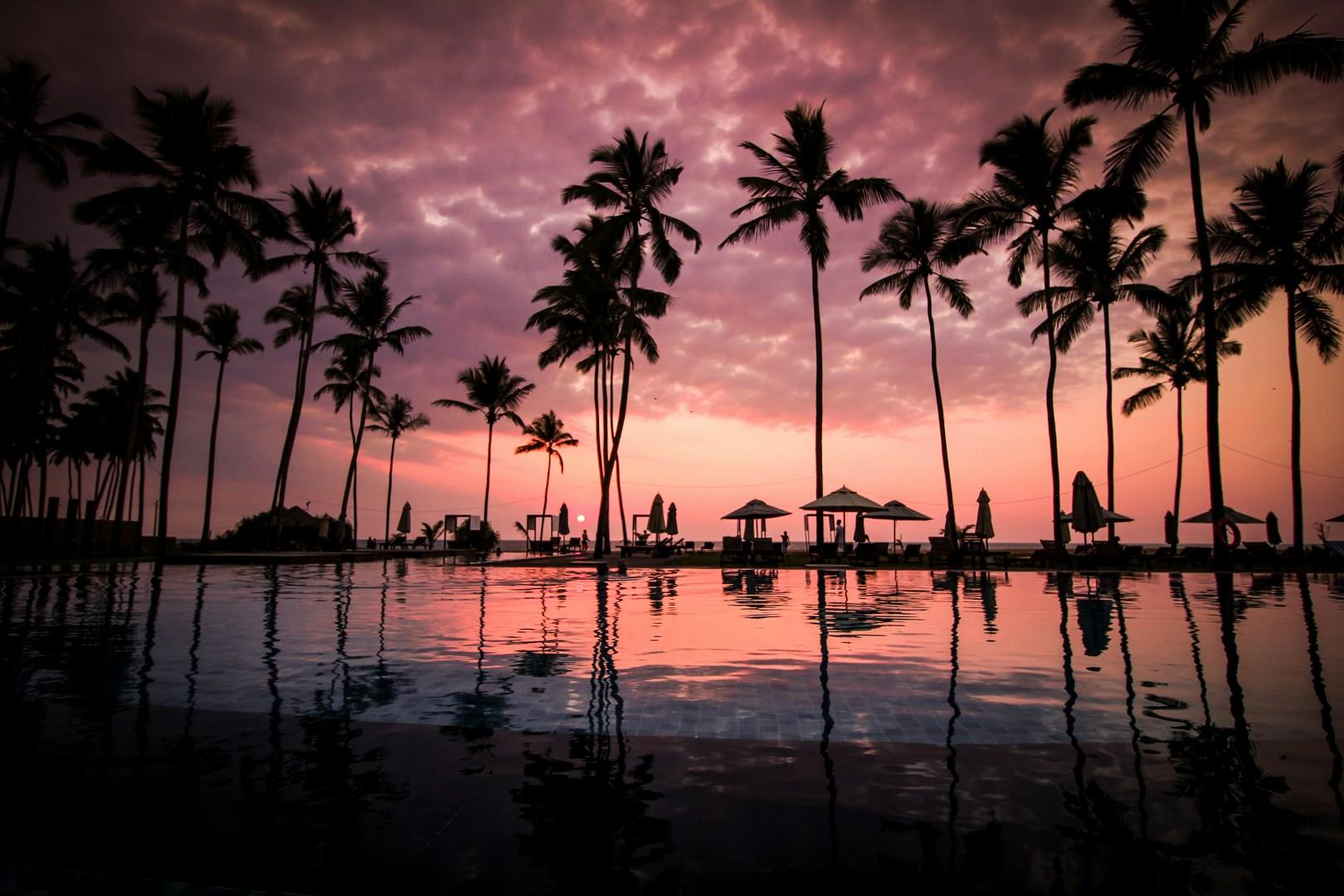
Negombo, located just north of Colombo and minutes from Sri Lanka’s main international airport, offers a coastal town experience steeped in layered history and local life. Once a vital trading post for cinnamon during the colonial era, Negombo has seen Portuguese, Dutch, and British influence with each leaving a mark on its architecture and culture. The Dutch-era canal system, still used by fishermen and local vendors today, runs through parts of the town and can be explored by boat or bicycle.
Kitakyūshū
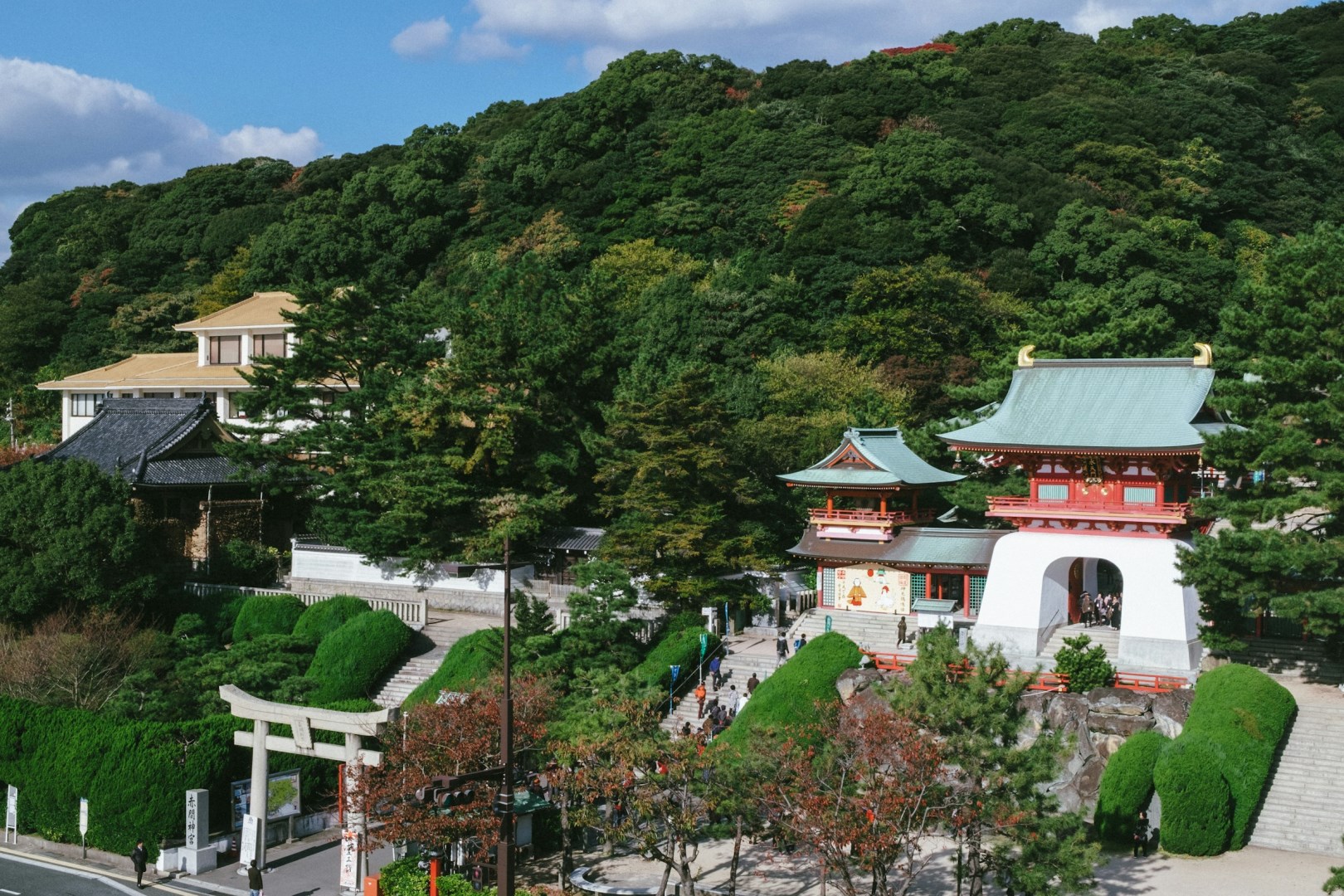
Kitakyushu, located in northern Kyushu, Japan, is a city that seamlessly combines industrial prowess with cultural and natural attractions. Formed from the merger of five cities in 1963, Kitakyushu has a strong industrial history, particularly in steel production, while also investing heavily in environmental sustainability and urban revitalization.
