
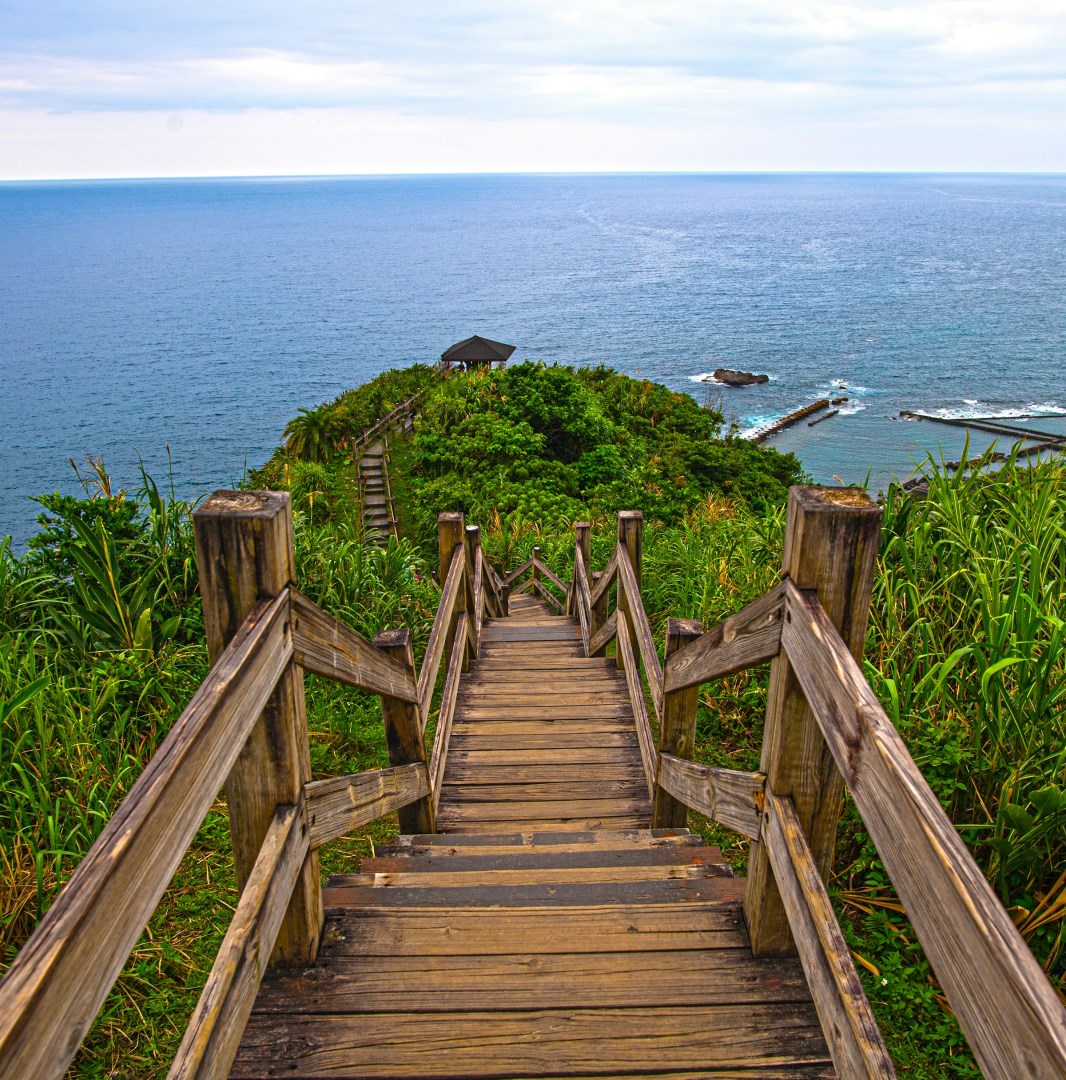
Hualien
Nestled between the Pacific Ocean and the towering Central Mountain Range, Hualien, Taiwan offers an enchanting blend of natural beauty and cultural richness. This coastal city is renowned for its proximity to the stunning Taroko Gorge, a marvel of nature where marble canyons and lush vegetation create a dramatic landscape. Visitors can embark on breathtaking hikes along the Swallow Grotto Trail and the Shakadang Trail, each offering spectacular views of waterfalls and unique rock formations.
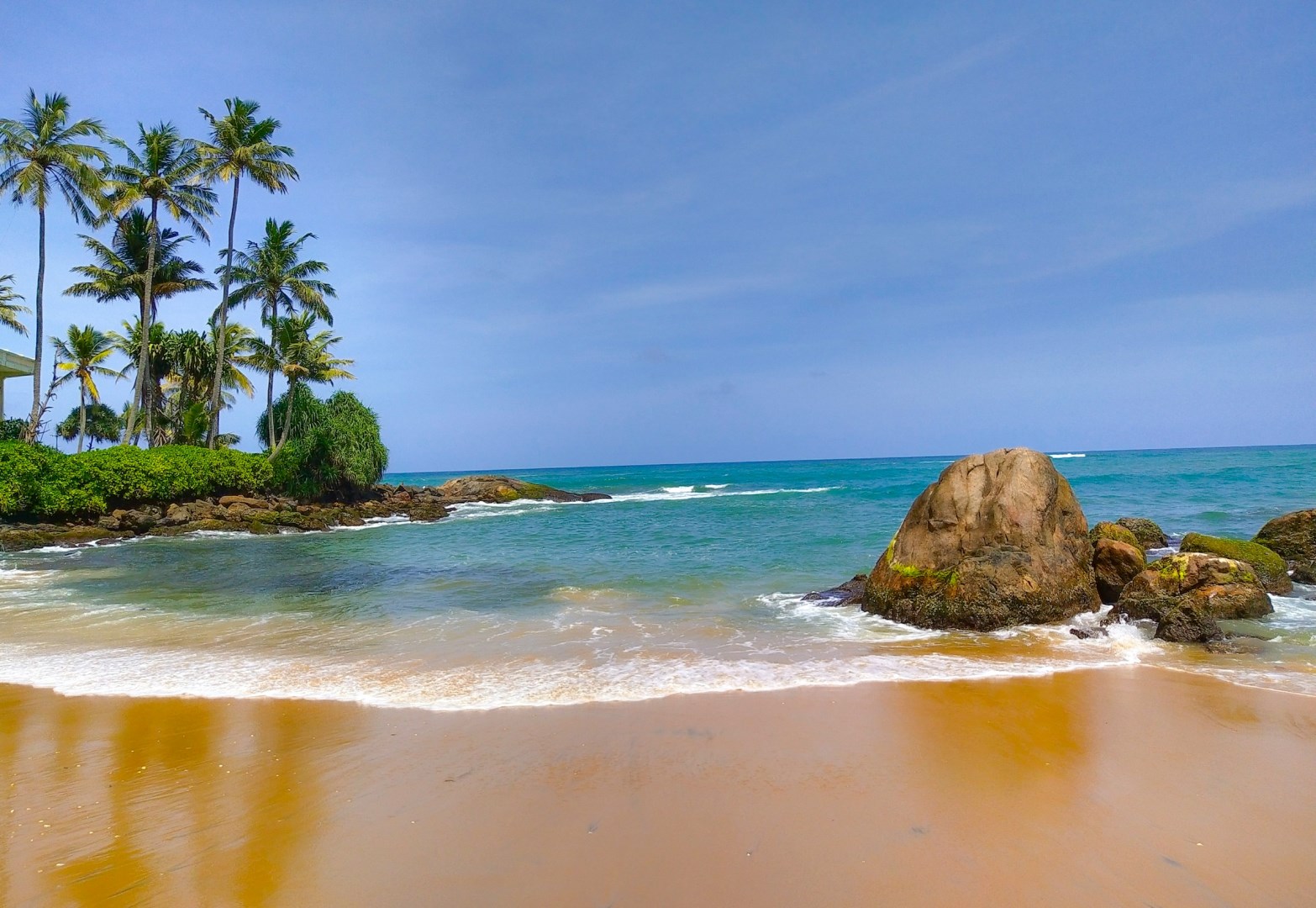
Mount Lavinia Beach
Mount Lavinia Beach is a well-known urban beach just south of Colombo, Sri Lanka, stretching along the Indian Ocean beside the coastal suburb of Mount Lavinia. Its broad sandy shoreline and easy access from the capital make it a popular place for swimming, walking, watching sunsets, and informal gatherings. The beach sits beside a long-established residential and hotel district, so its surroundings combine everyday city life with a distinctly coastal setting. Fishing boats and seafood restaurant

Da Nang
Da Nang, a vibrant coastal city in central Vietnam, offers a delightful blend of natural beauty, rich history, and modern attractions. Known for its stunning beaches and dynamic skyline, Da Nang is a gateway to some of Vietnam’s most iconic landmarks.
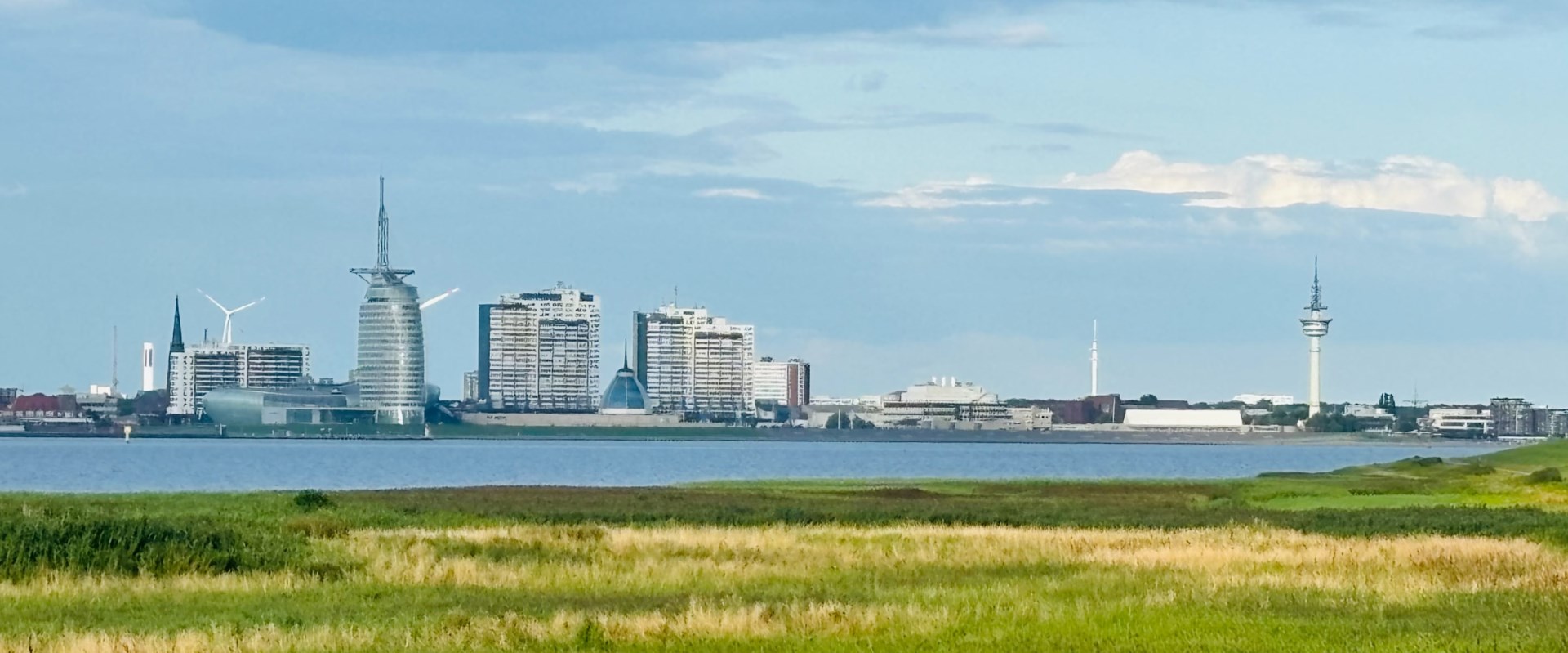
Bremerhaven
Bremerhaven, a port city on Germany’s North Sea coast, is known for its maritime heritage, bustling harbor, and cultural attractions. Founded in 1827 to serve as a gateway for Bremen’s shipping industry, it has grown into a major center for trade, logistics, and seafaring culture.
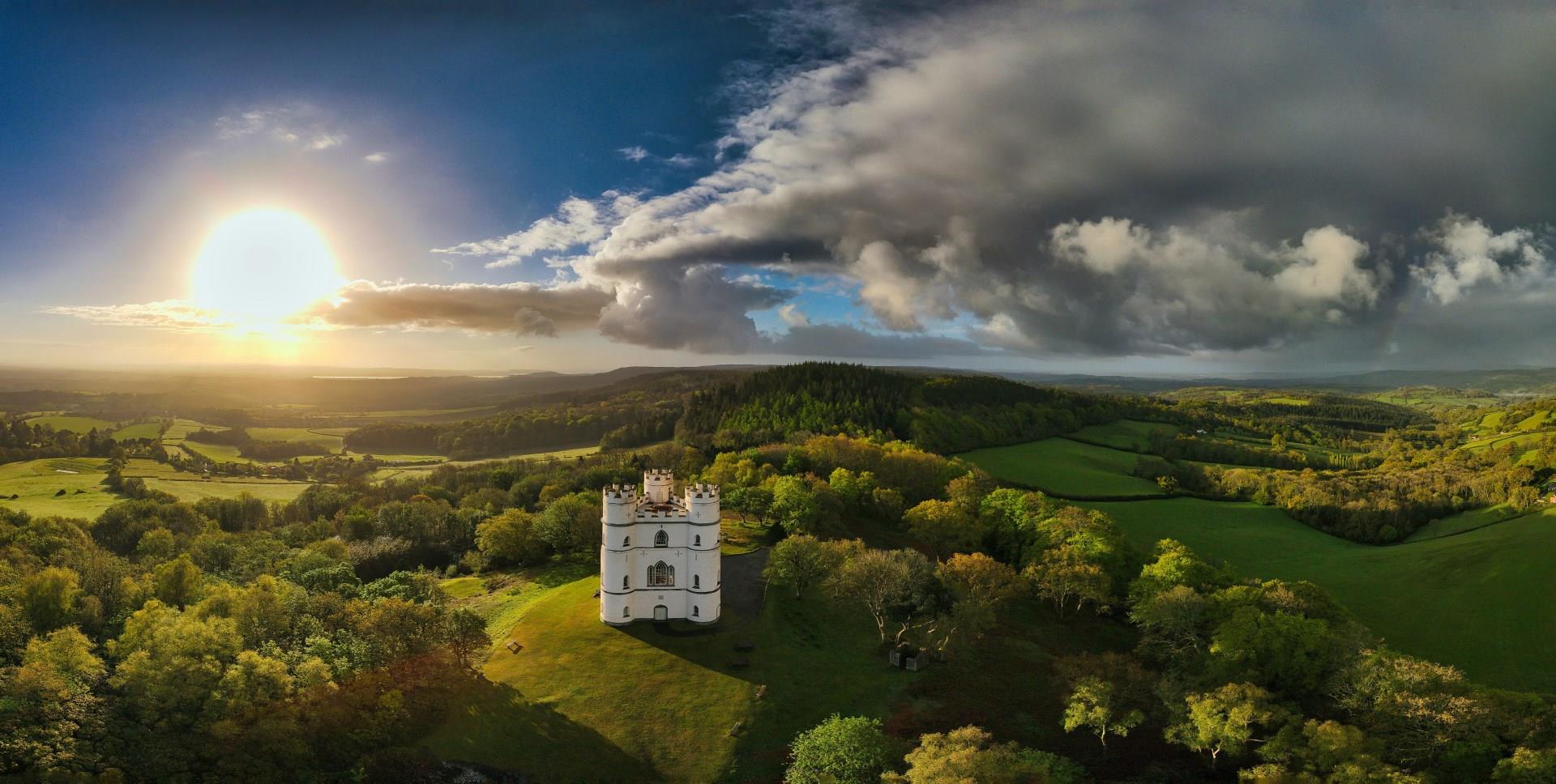
Exeter
Exeter sits in southwest England at a natural crossing of the River Exe, a position that has shaped its role since Roman times.
