

Las Vegas
Las Vegas, Nevada, is an electrifying city where glitz and glamour meet entertainment and excitement. Known as "The Entertainment Capital of the World," Las Vegas offers an unparalleled array of attractions, from its iconic casinos and luxurious hotels to its world-class dining and live shows. The city's entertainment scene is second to none, featuring legendary headliners, cutting-edge performances, and an array of themed attractions.

Portree
North of Sligachan the road first rises and then dips down into Portree - the main town on Skye. With its natural harbor and open perspective, Portree is a pleasant village and offers visitors a fine range of local services, accommodation and things to do.
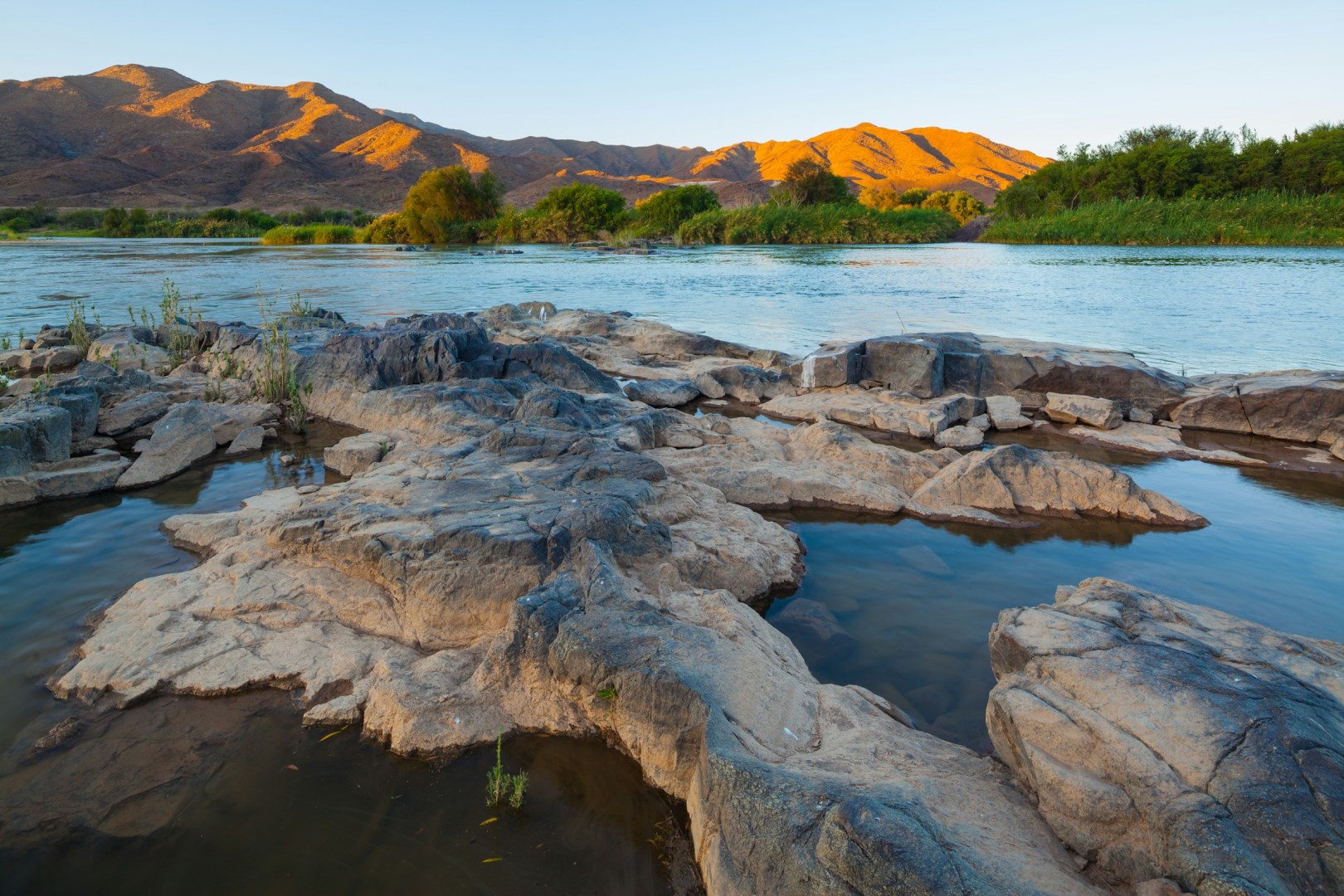
Orange River
The Orange River is the longest river in South Africa and one of the defining natural features of southern Africa.

Skagway
This small yet charming city in Alaska's panhandle is a throwback to the gold rush era. Skagway is a well-preserved part of Klondike Gold Rush National Historical Park.
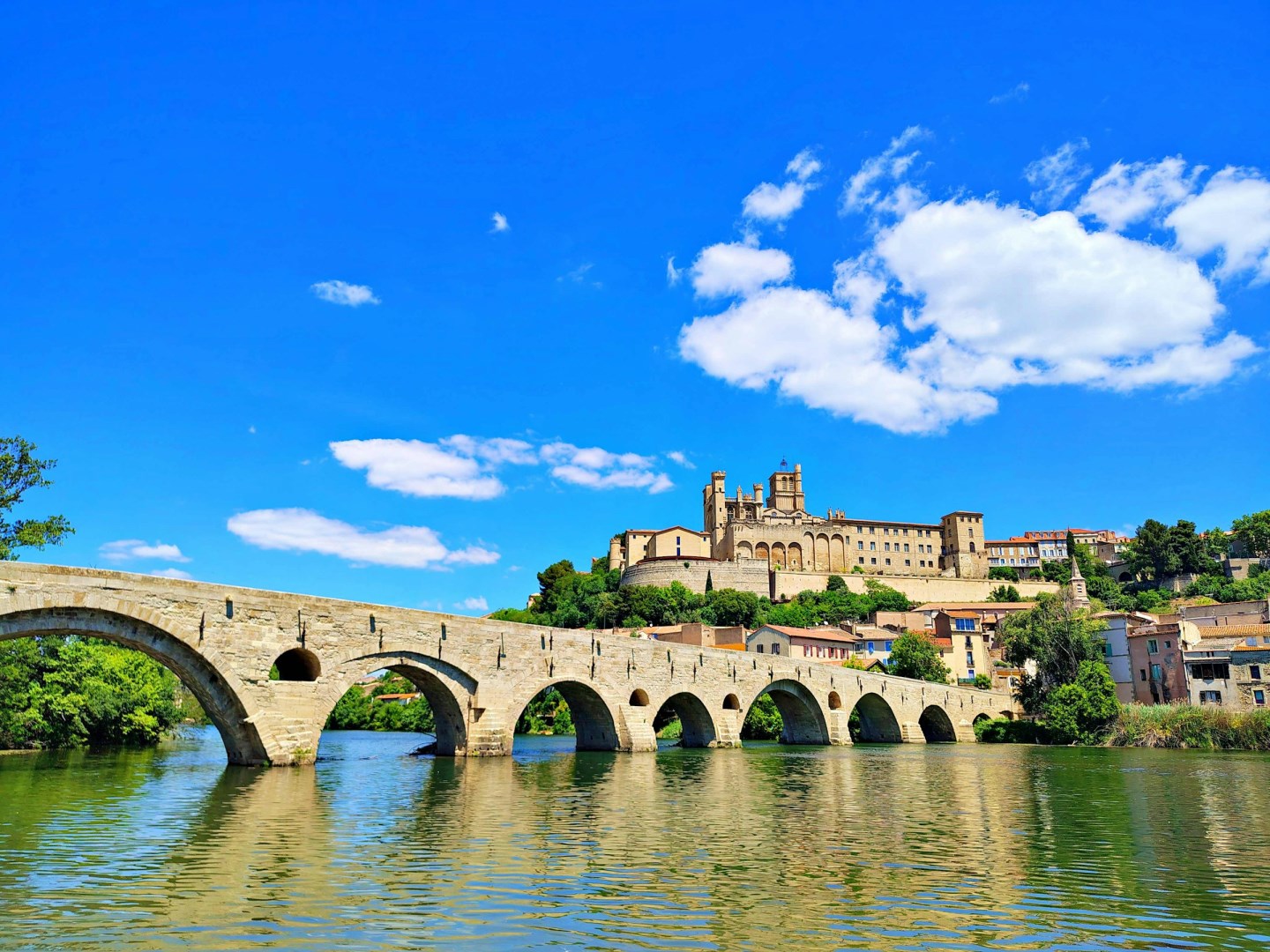
Béziers
Beziers today is a dynamic city whose oldest houses are laid out in the elliptical pattern revealing the underlying Roman Amphitheatre, which is currently being excavated. The Beziers townspeople are passionate about rugby and the bullfights held in their modern arena.
