
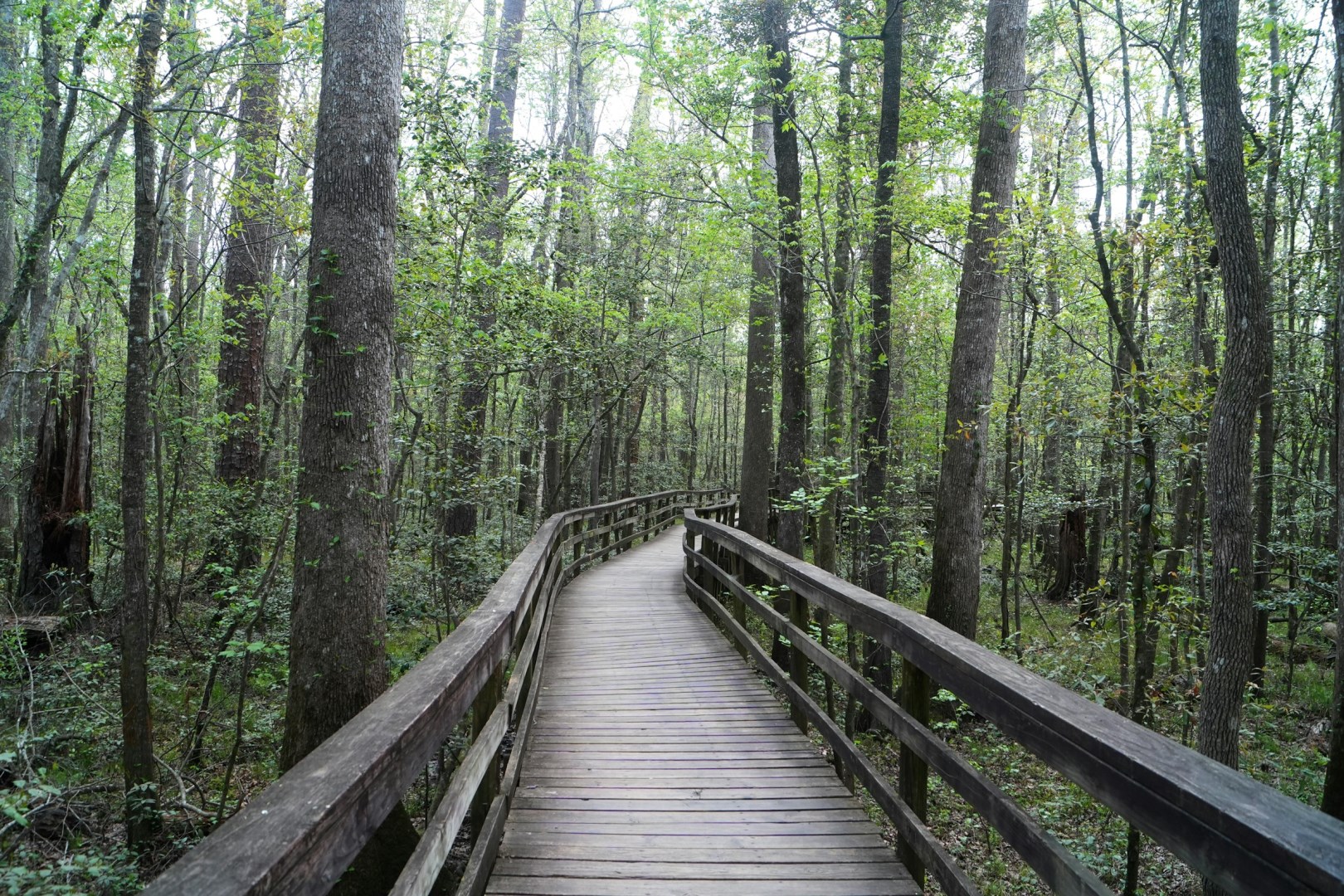
Congaree National Park
Imagine standing in complete stillness as thousands of tiny lights blink in perfect harmony around you. Every spring in Congaree National Park, this bioluminescent ballet plays out under the forest canopy. This is nature’s very own light show, and it lasts only two magical weeks. Time your visit right, and you’ll be part of a glowing experience few ever witness.

St. George's
St. George’s, the capital of Grenada, is a picturesque harbor town nestled within the rim of an extinct volcano. Its horseshoe-shaped Carenage, lined with pastel-colored colonial buildings, offers a postcard-perfect introduction to the island.

Pisek
Písek, a picturesque city in the South Bohemian Region of the Czech Republic, is a hidden gem steeped in history and charm. One of its most notable landmarks is the Písek Stone Bridge, the oldest preserved bridge in the country. Built in the 13th century, this Gothic bridge spans the Otava River and is a testament to medieval engineering.
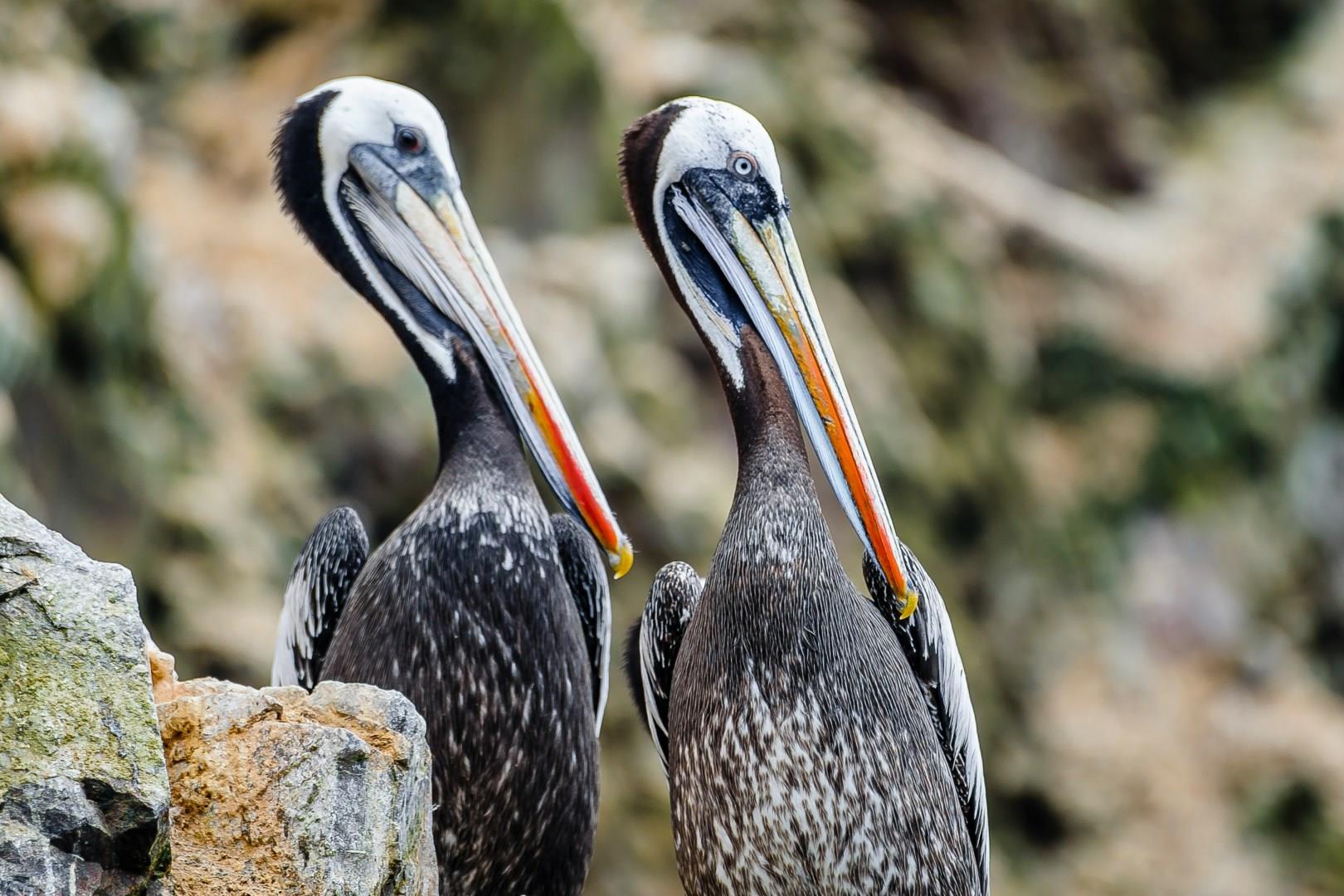
Pisco
Pisco is a coastal city in southern Peru, set between the Pacific Ocean and the arid landscapes of the Ica region.
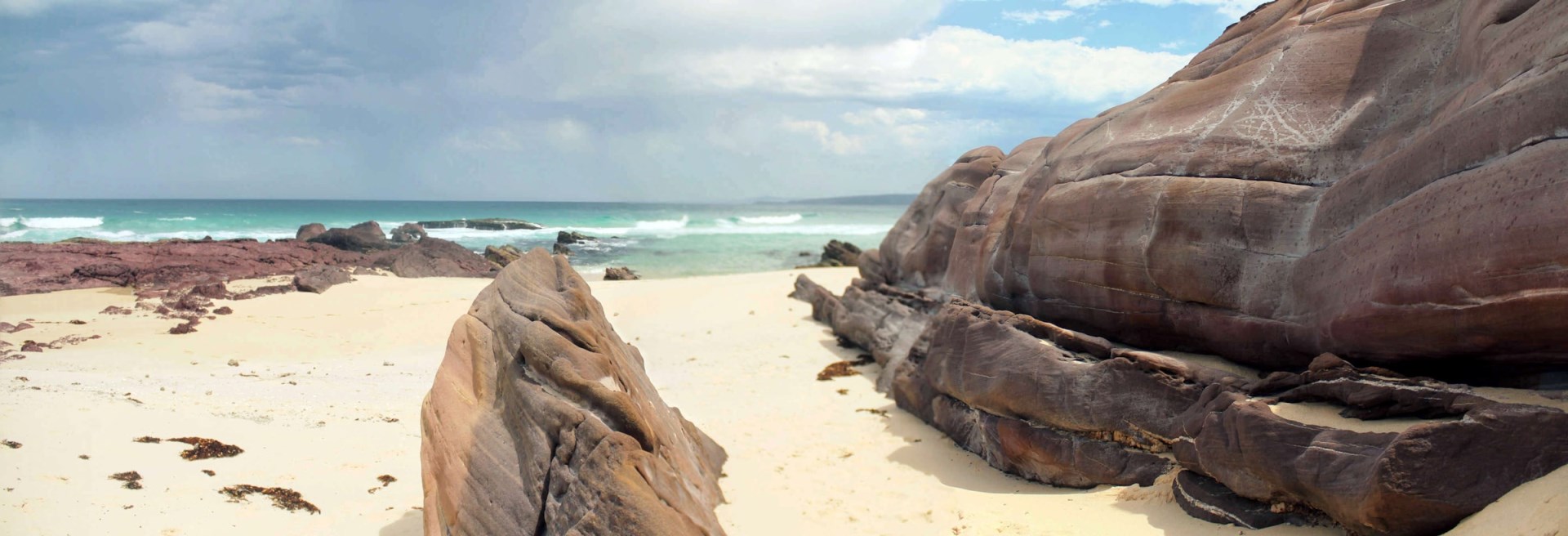
Eden
Eden is a coastal town on the Sapphire Coast of New South Wales, set around the deep waters of Twofold Bay near the Victorian border. Its location combines a working harbour, beaches, forested headlands, and a strong connection with the sea. Twofold Bay is one of the deepest natural harbours in the Southern Hemisphere and remains central to the town’s fishing, boating, and whale-watching activities.
