
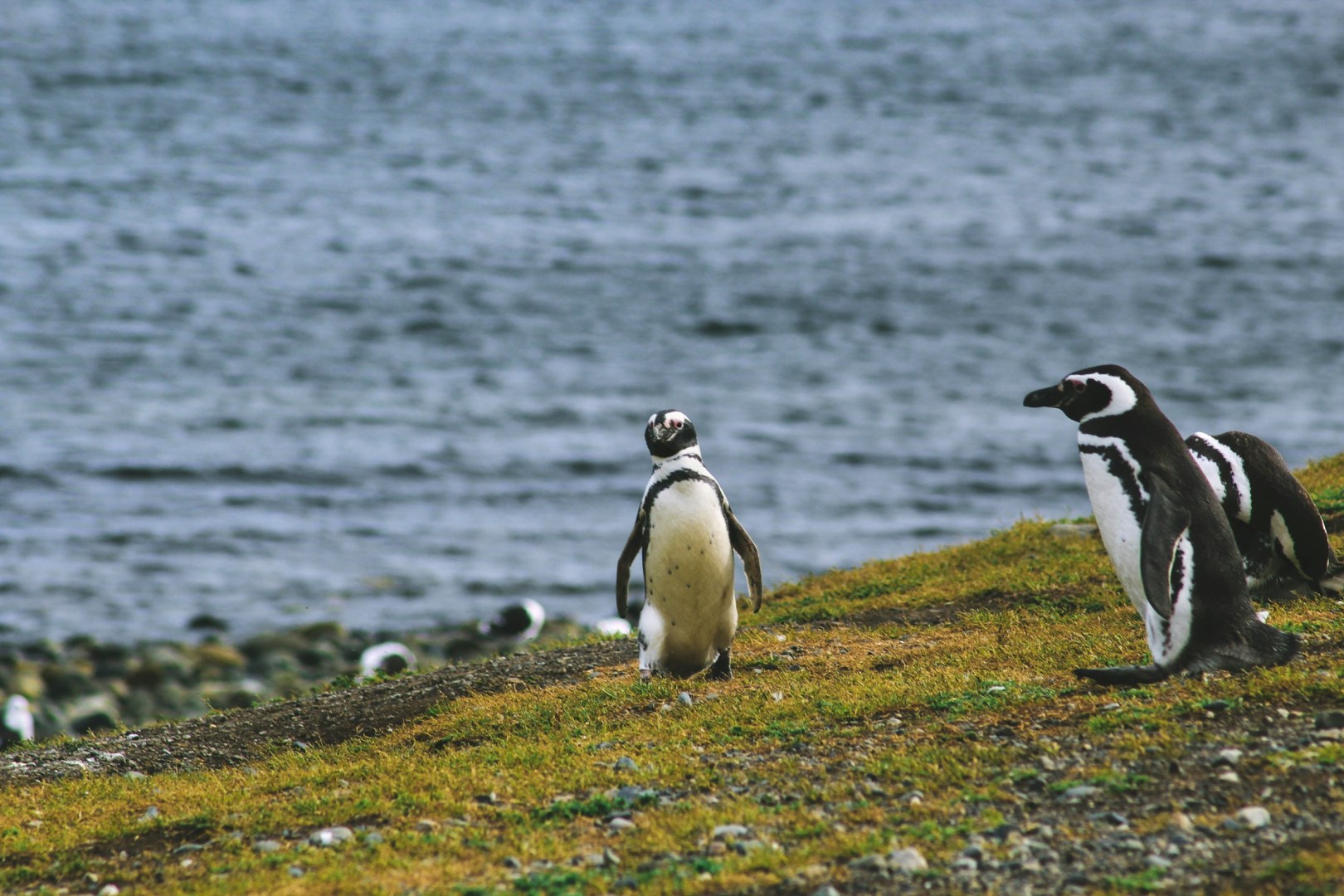
Magdalena Island
Magdalena Island is a small, uninhabited island in the Strait of Magellan, northeast of Punta Arenas in Chilean Patagonia. It forms part of the Magdalena Island National Park, together with nearby Marta Island, and is best known for its large colony of Magellanic penguins. The island consists largely of low, windswept terrain covered with grasses and other hardy vegetation, surrounded by cold waters and exposed to the strong weather of the strait.
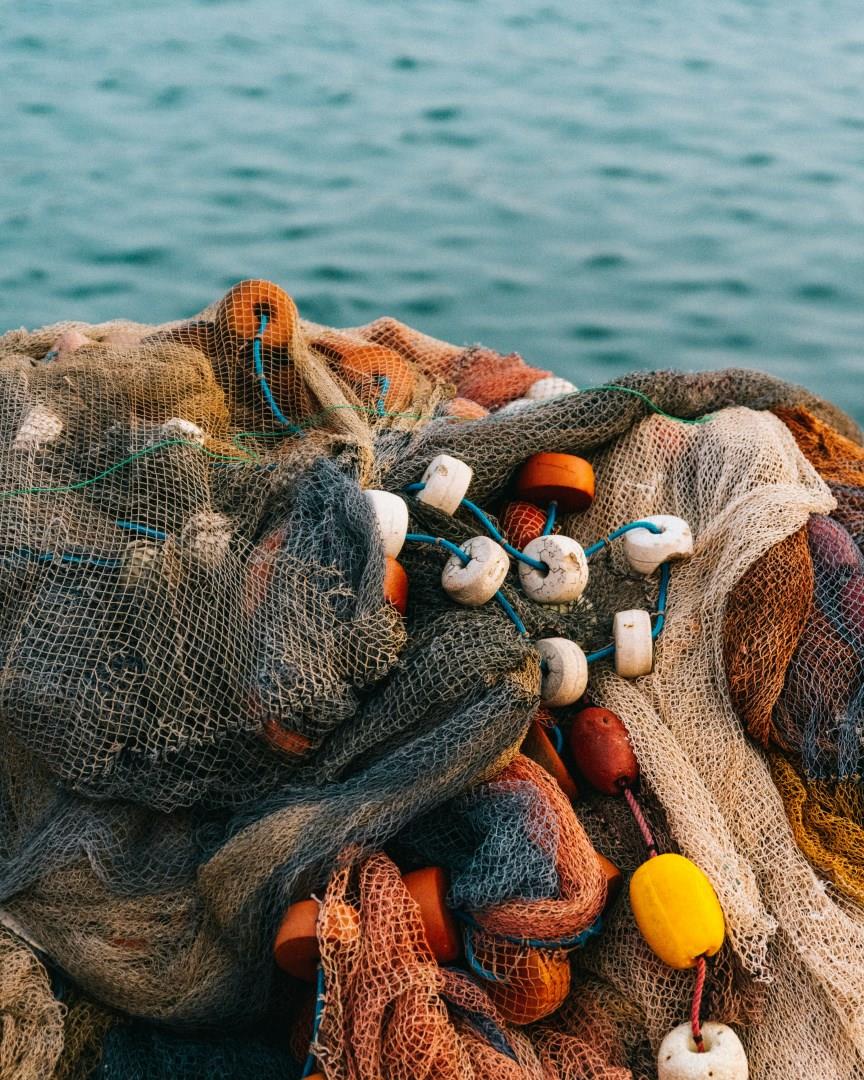
Palmeira
On the north-western coast of Sal Island in Cape Verde sits Palmeira, an authentic fishing settlement where day-to-day life still revolves around the sea. The village’s seaside restaurants serve grilled tuna, octopus, and flying fish fresh from the day’s catch. Just a short trip from the centre lies Buracona, a natural lava rock pool famous for the “Blue Eye,” a glowing underwater cave that shines when the sunlight hits at just the right angle.
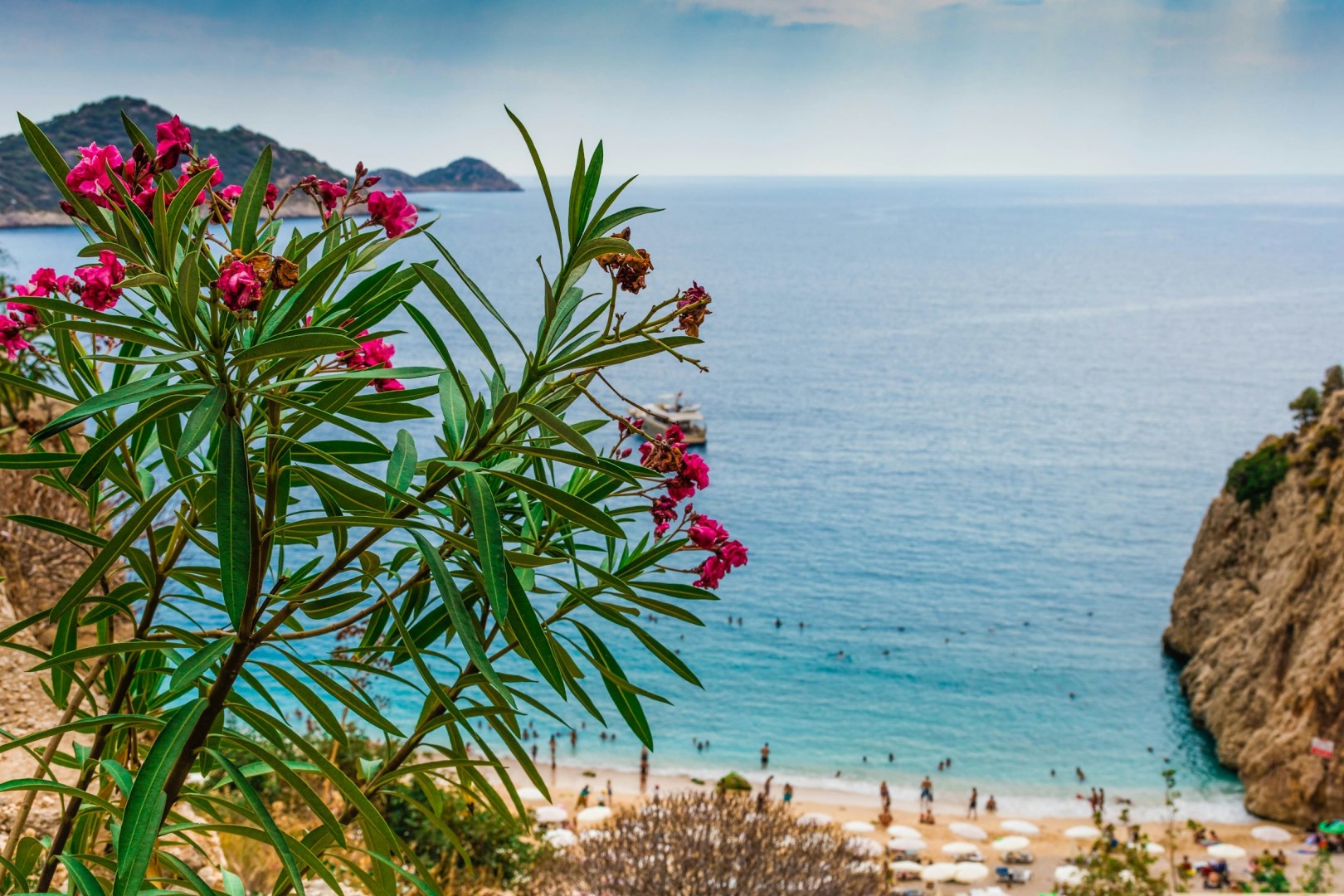
Kalkan
A lovely small hilltop town that overlooks a tiny bay. Narrow, winding streets lined with souvenir shops lead down to the charming marina.
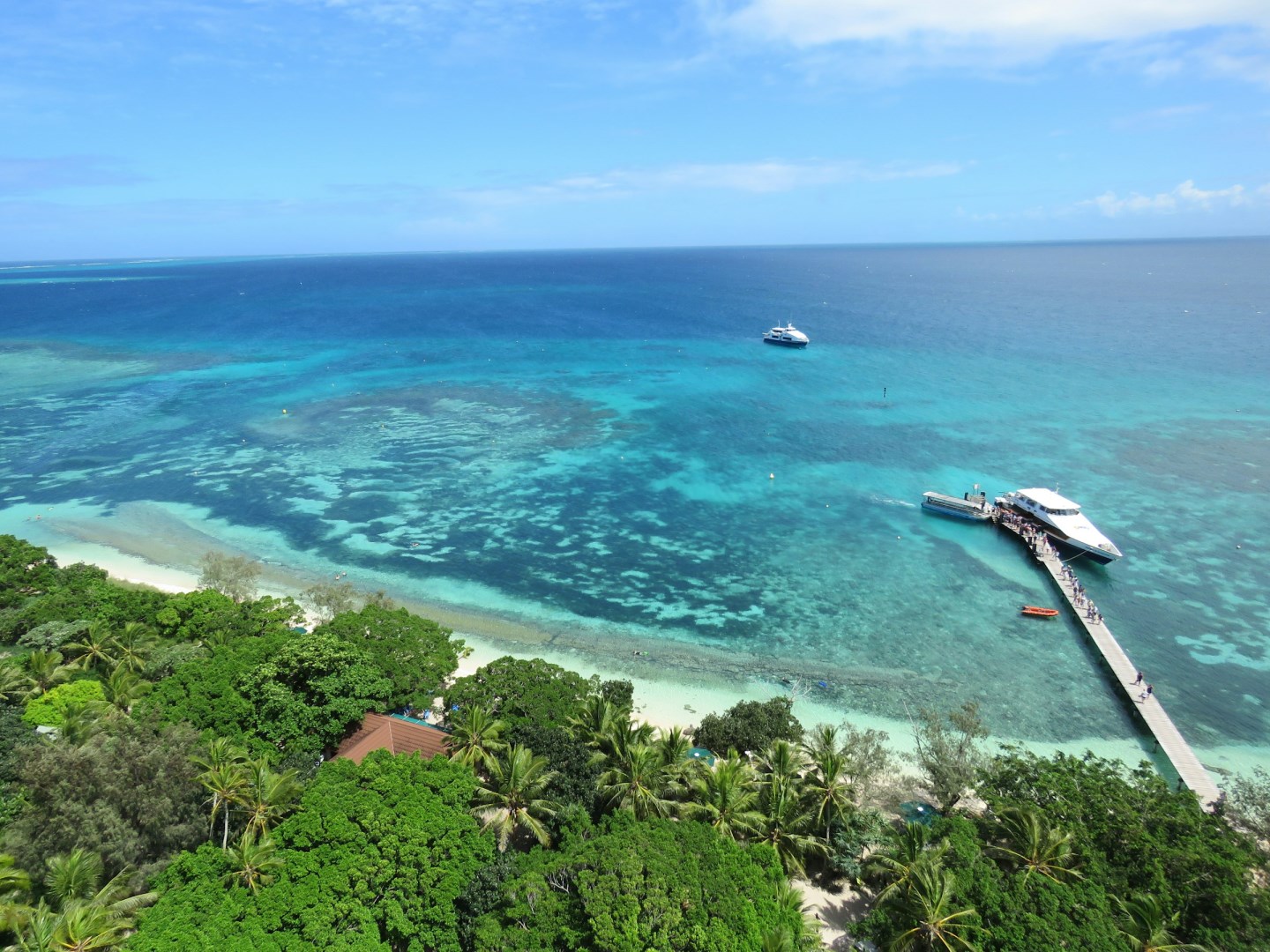
Amédée Islet
Amédée Islet, known locally as Îlot Amédée, is a small coral islet in the lagoon off the southern coast of New Caledonia. It lies within the New Caledonian Lagoon, a UNESCO World Heritage site recognized for its extensive reef systems and marine habitats. The islet is surrounded by shallow turquoise waters, coral reefs, and sandy beaches, while low vegetation covers much of its interior. Its most recognizable landmark is the Amédée Lighthouse.
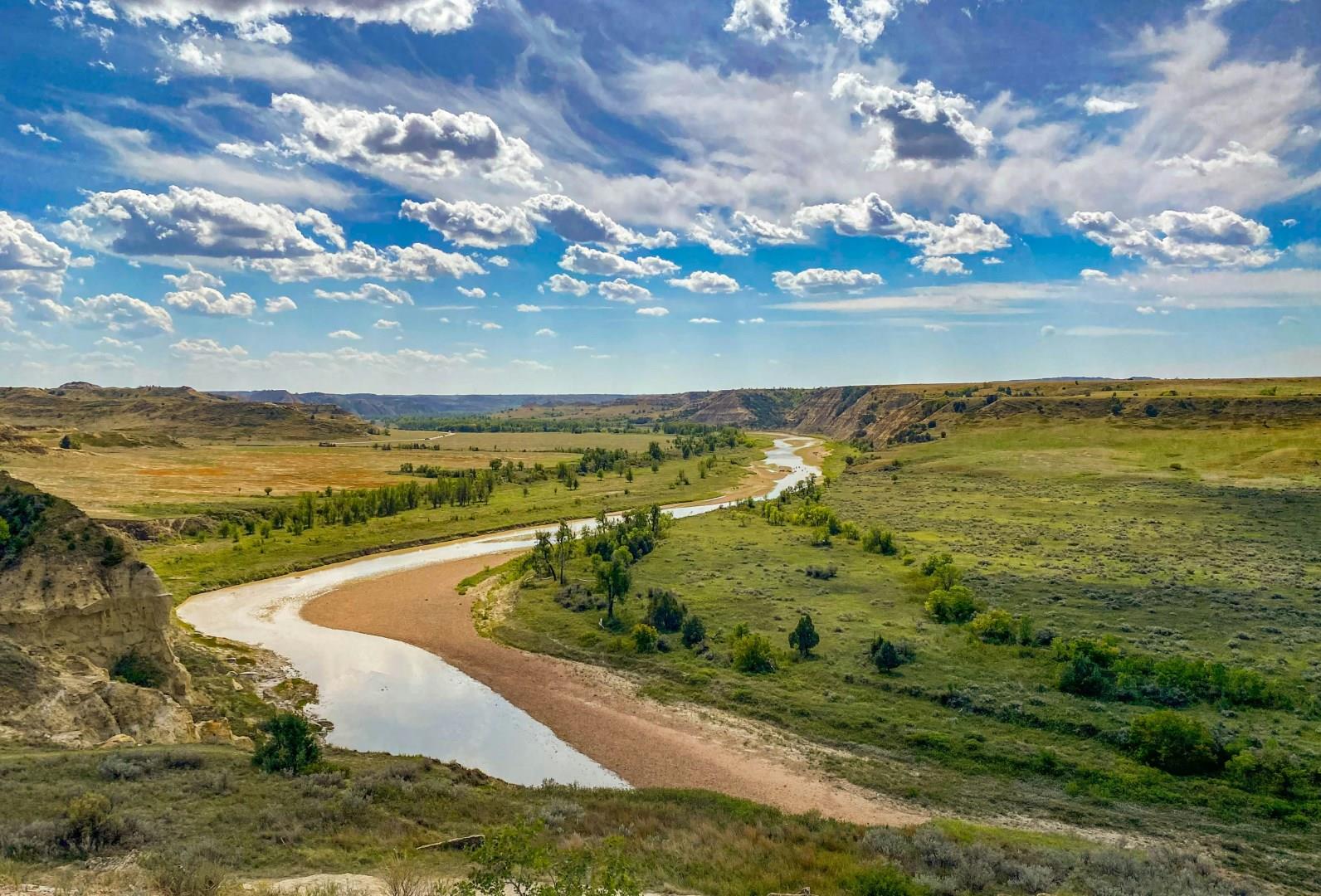
Theodore Roosevelt National Park
Theodore Roosevelt National Park, tucked into the rugged badlands of western North Dakota is where a young Theodore Roosevelt came to recover after the loss of his wife and mother in the same day. He bought a ranch, rode the open plains, and found the resolve that would later define his presidency. Today, the park named in his honor preserves that same wild spirit. Visitors can still see Roosevelt’s original Maltese Cross Cabin near the park's entrance and walk trails he once rode on horseback.
