
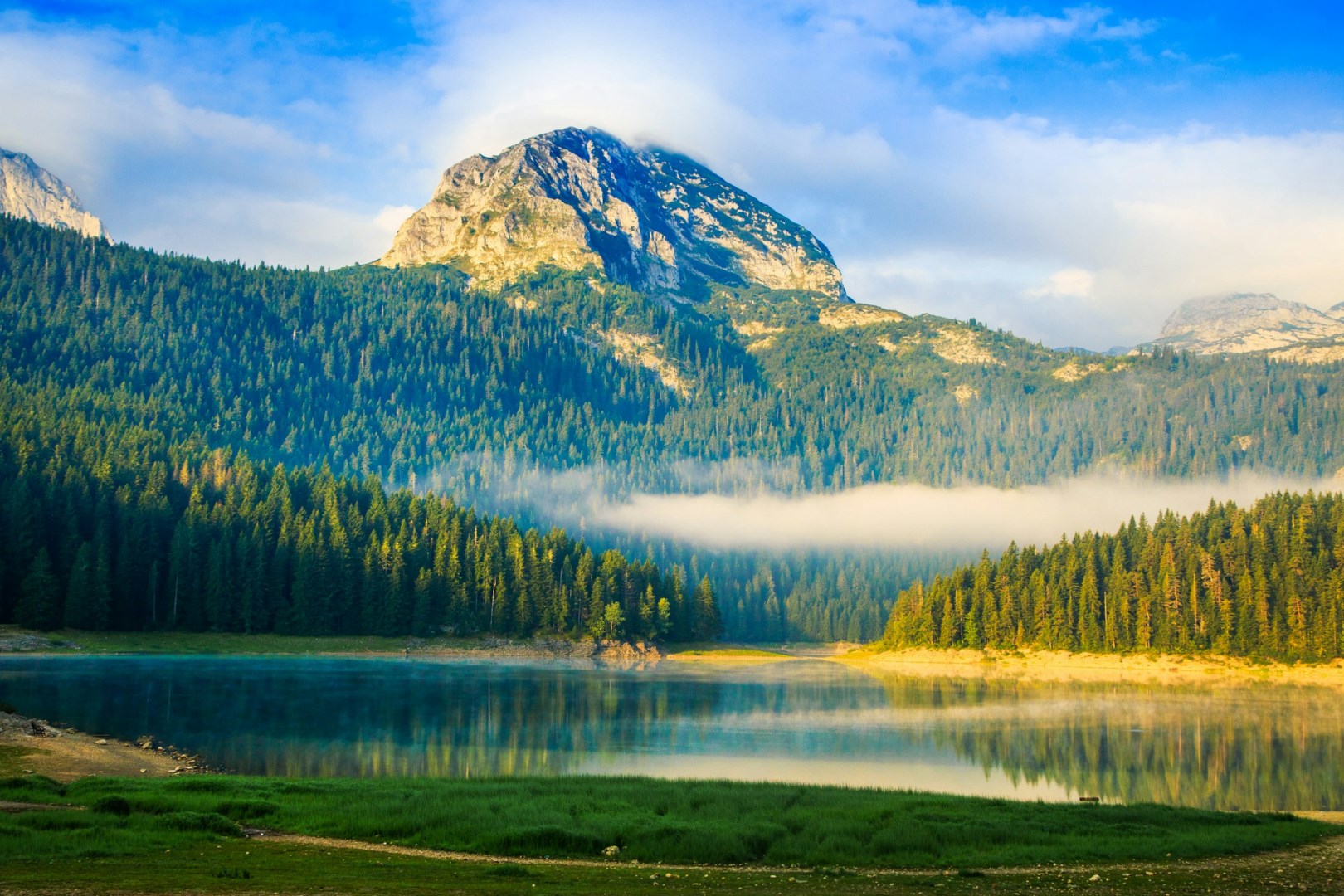
Durmitor National Park
Durmitor National Park is found in the Dinaric Alps, located in northwestern Montenegro. Along the Tara River Canyon, one of the deepest in Europe, Durmitor features nearly 50 limestone peaks interspersed with clear glacial lakes and deep pine forests.

Halong Bay
Halong Bay, located in northeastern Vietnam, is a stunning UNESCO World Heritage site known for its emerald waters and towering limestone islands. This natural wonder offers a variety of activities for visitors, including cruising, kayaking, snorkeling, and exploring extraordinary caves like the Sung Sot.
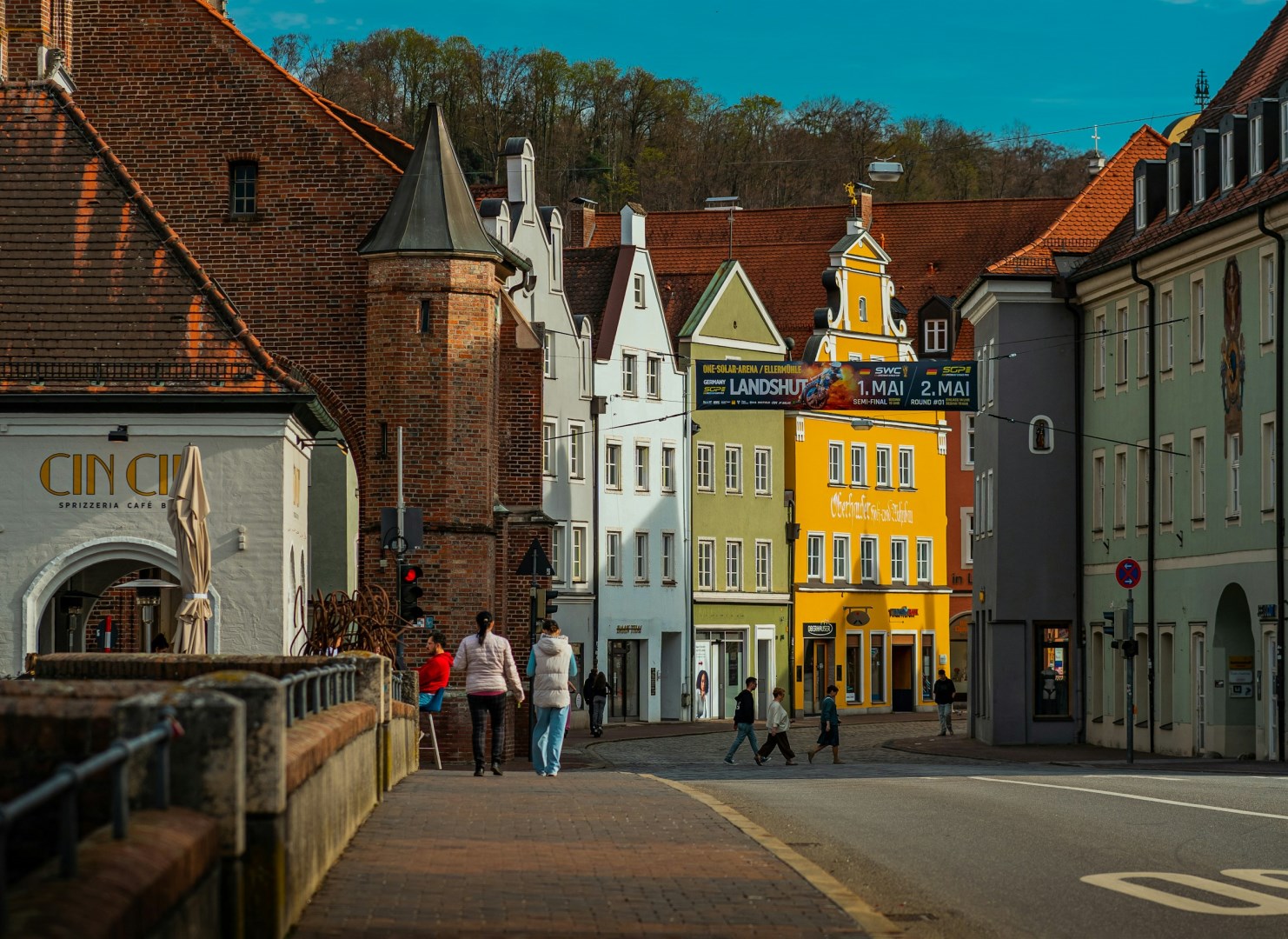
Landshut
Landshut has the epithet "the three helmet city", lead back to the coat of arms of the city, which shows three helmets, like they were worn by the city guards in the middle age. The armours, produced by the so-called "plattners", were known and popular far over the frontiers of Landshut, at that time.
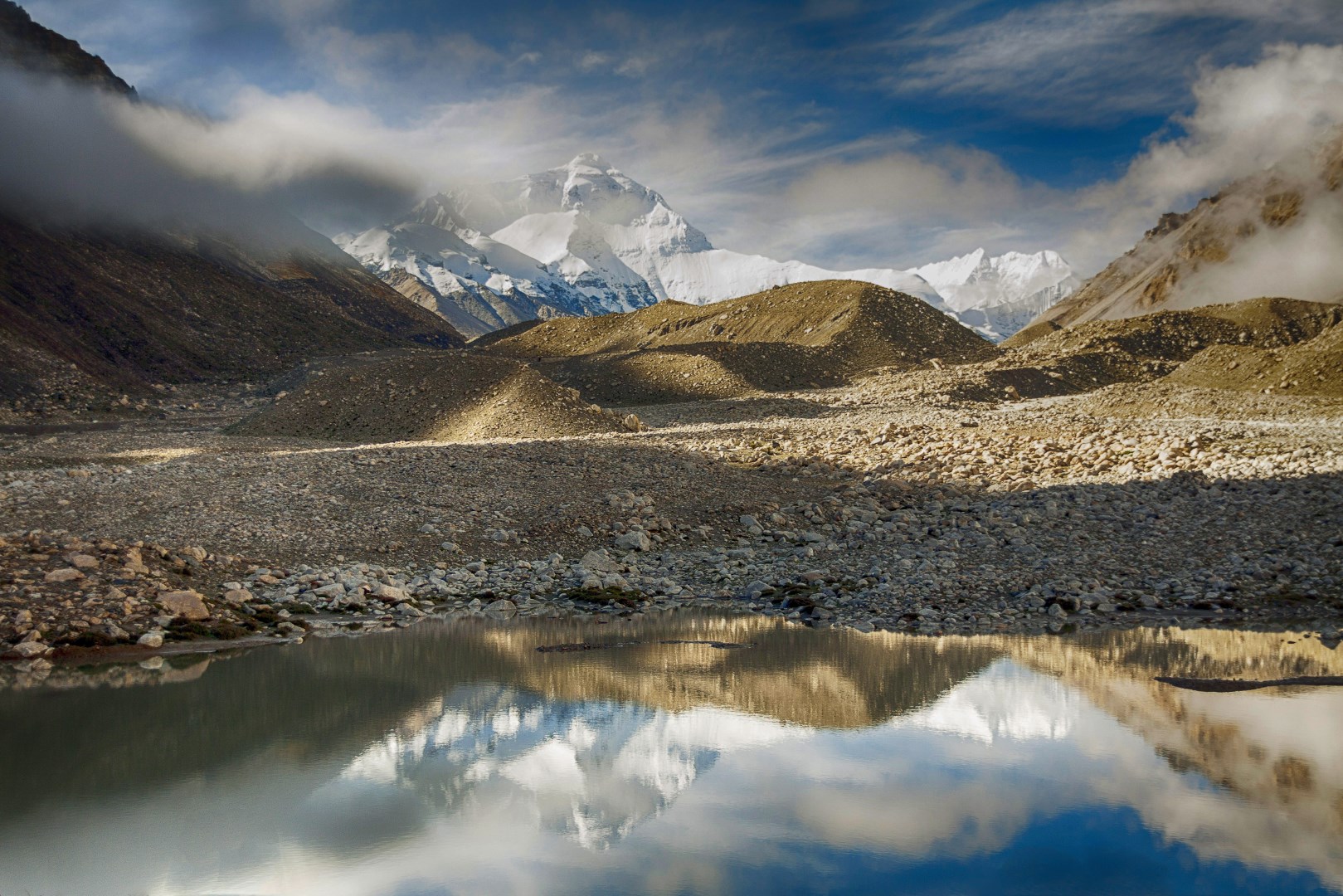
Mount Everest
Rising along the border of Nepal and Tibet, Mount Everest stands as the highest point on Earth, reaching over 29,000 feet into the sky. Known locally as Sagarmatha, meaning “Peak of Heaven,” and Chomolungma, meaning “Goddess Mother of the World,” the mountain carries deep spiritual meaning for the communities that live in its shadow. Its summit sits in air so thin that oxygen levels are only a fraction of what travelers experience at sea level.

Freycinet National Park
Freycinet National Park, located on the east coast of Tasmania, Australia, is a natural paradise that entices travelers with its dramatic pink granite peaks, secluded bays, and pristine beaches. The park is home to the iconic Wineglass Bay, often touted as one of the world's most beautiful beaches, with its crescent-shaped shore of soft white sand and crystal-clear turquoise waters.
