

Belgrade
A historic capital in the heart of the Balkans, Belgrade will absolutely charm you with its picturesque cafés, striking religious monuments, riveting museums, and thriving nightlife.

Nice
With its blend of natural beauty, historic charm, and artistic flair, Nice offers an unforgettable experience on the French Riviera. Whether wandering through its picturesque streets, enjoying a day at the beach, or savoring its regional cuisine, visitors will fall in love with this enchanting city.
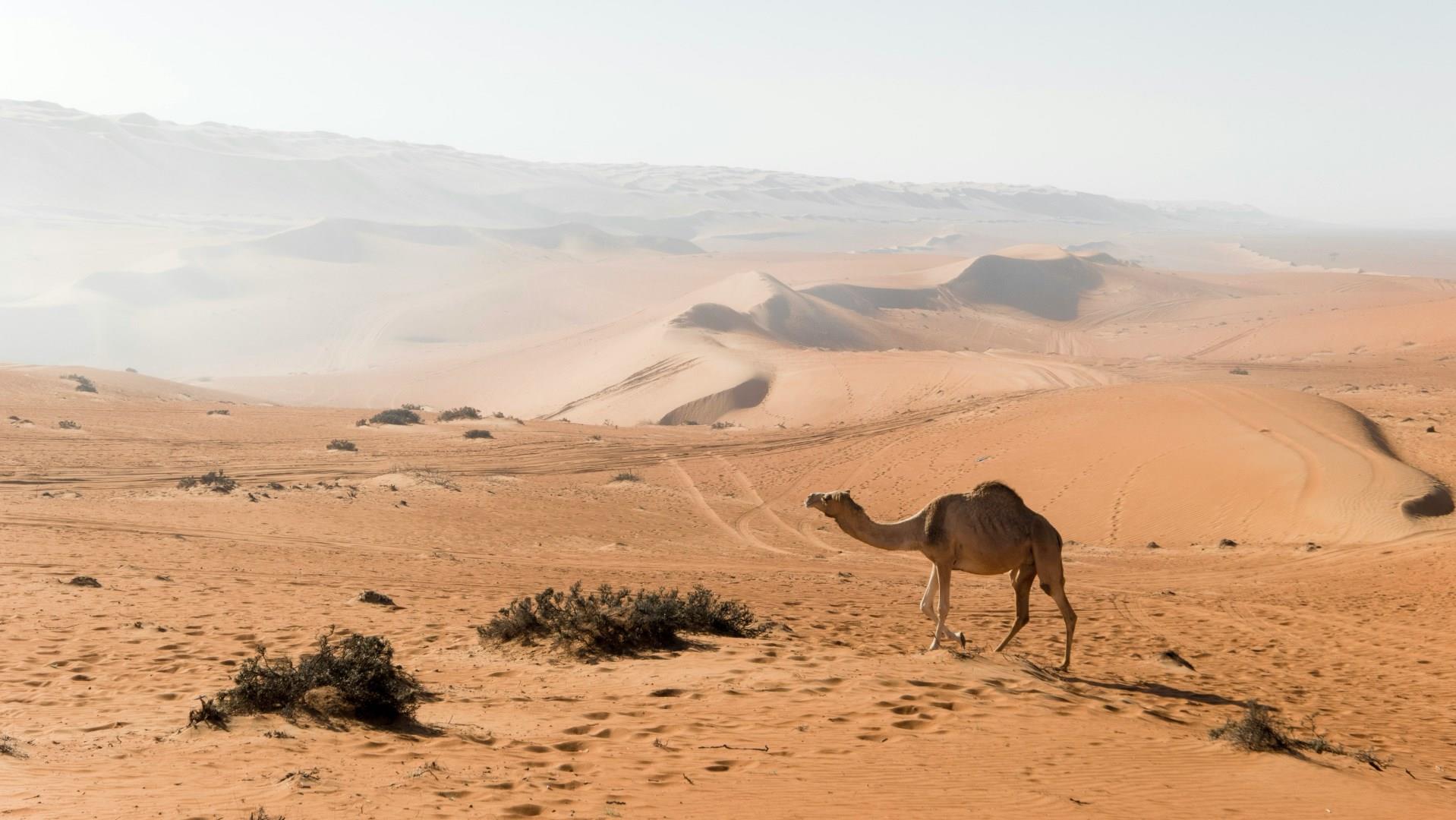
Wahiba Sands
Stretching across central Oman, the Wahiba Sands offer a dramatic desert landscape of rolling dunes that shift in color with the changing light. This vast sea of sand is home to towering ridges and open plains, creating an otherworldly backdrop for exploration.
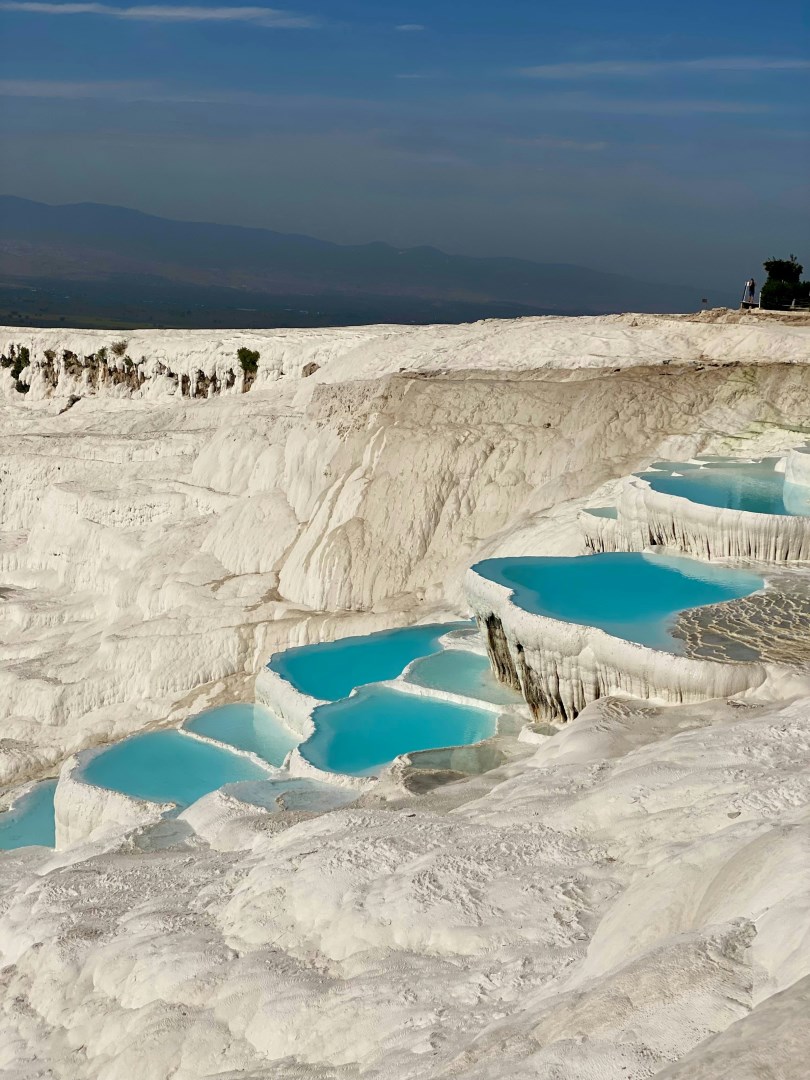
Pamukkale
Pamukkale is a fairyland of dazzling white, petrified castles. It is a magical and spectacular natural site, unique in the world. Thermal spring waters laden with calcareous salts running off the plateau's edge, have created this fantastic formation of stalactites, cataracts and basins.
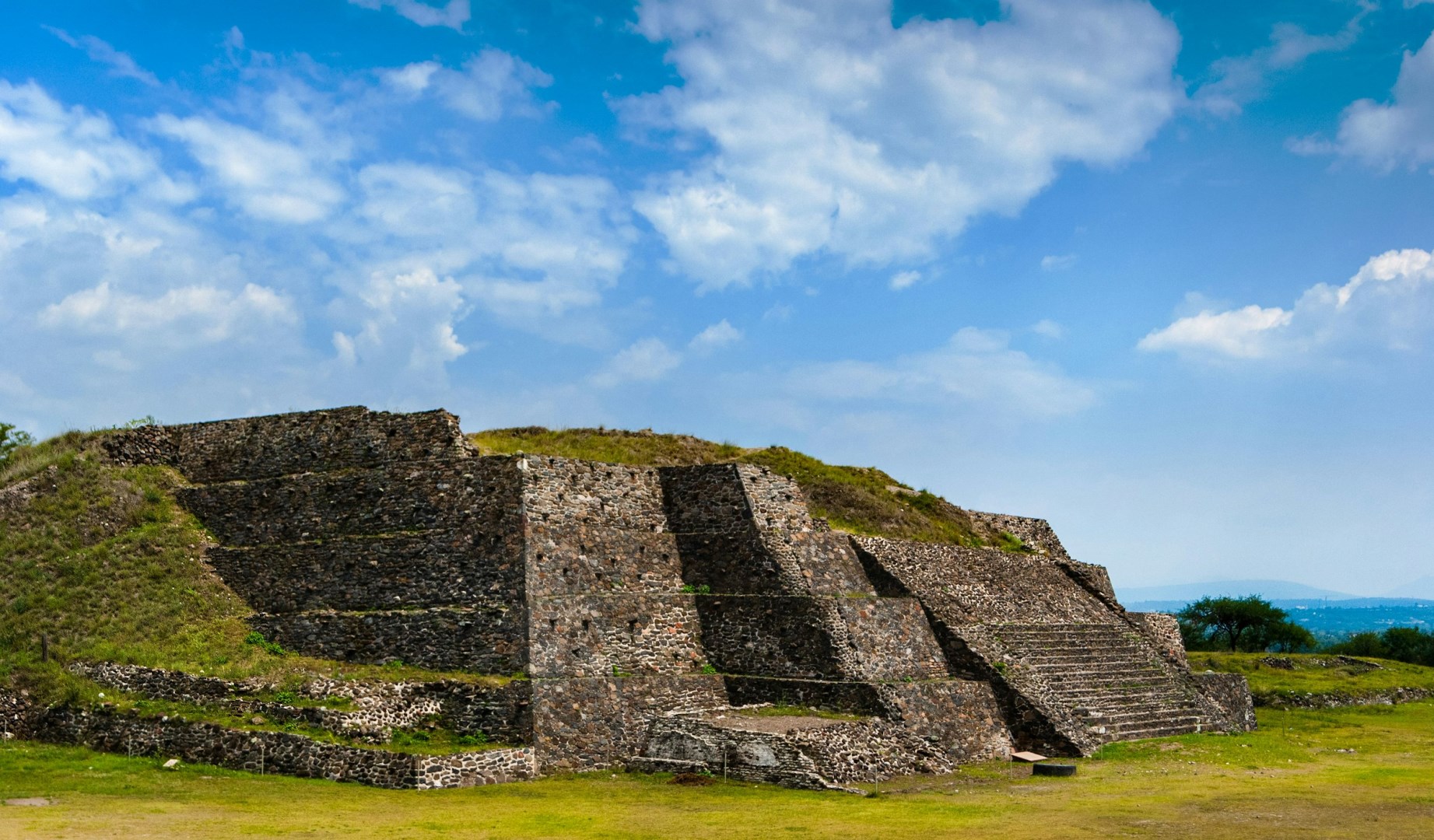
Tula
This Mesoamerican archaeological site was an important regional center and capital of the Toltec Empire between the fall of Teotihuacan and the rise of Tenochtitlan. Tula contains many impressive sights, including the basalt columns carved in the shape of Toltec warriors on the Pyramid of Quetzalcoatl.
