

Eidfjord
Eidfjord is a gateway to Norway's Hardangervidda National Park, providing access to vast plateaus and diverse wildlife.
Ananuri
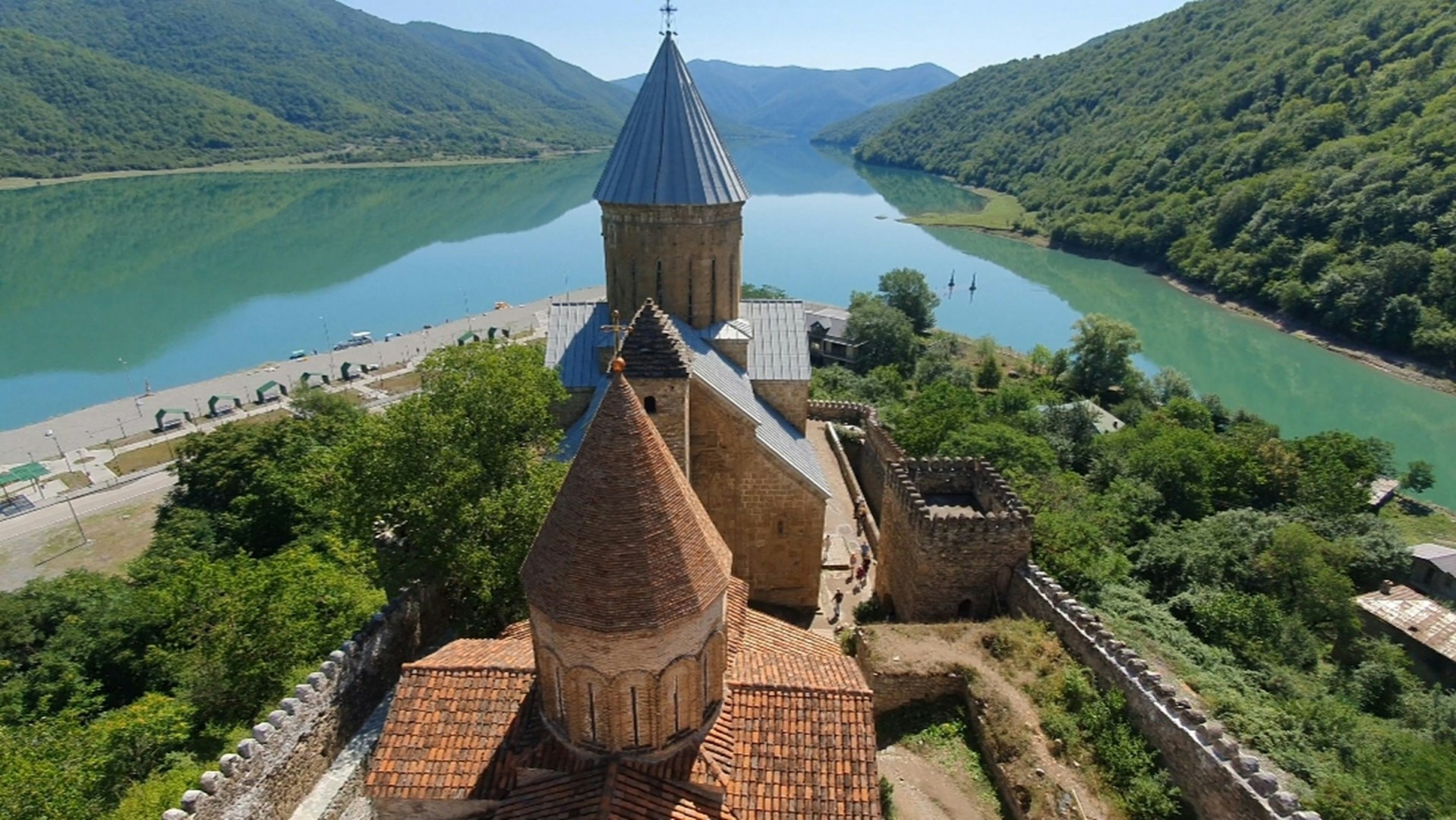
Ananuri is a historic fortified complex in northern Georgia, set beside the Zhinvali Reservoir on the Aragvi River. Its stone walls, towers, churches, and defensive structures rise above the reservoir and the surrounding wooded mountains, creating one of the most recognizable historic landscapes along the Georgian Military Highway.
Nevis
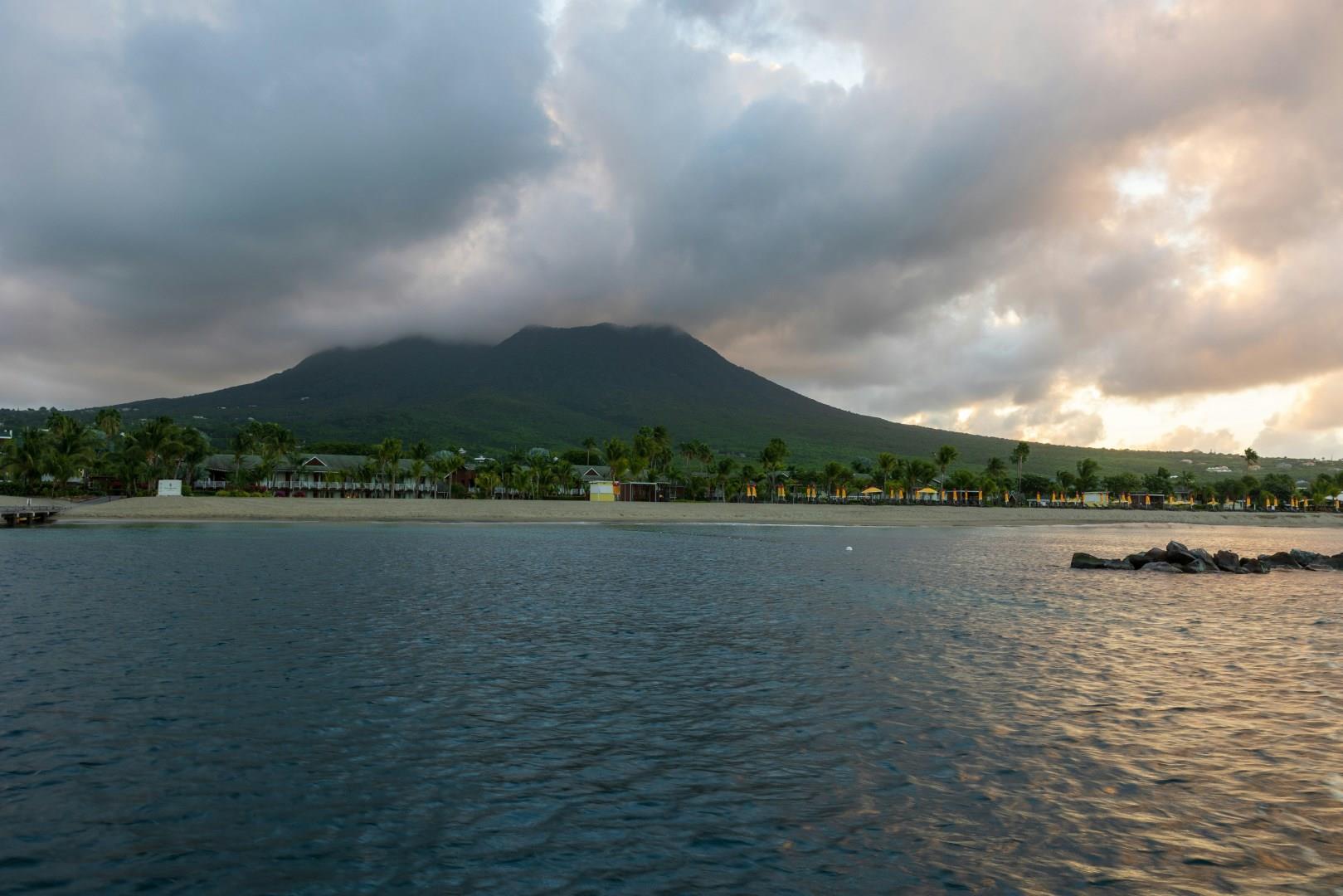
Nevis, the smaller of the two islands in the Federation of St. Kitts and Nevis, is often described as the more tranquil and unspoiled counterpart to its sister island. Dominated by the graceful silhouette of Nevis Peak, a dormant volcano rising to 985 meters, the island is ringed by golden beaches and lush hillsides.

Portovenere
Portovenere, in the region of Cinque Terre, is a characteristic medieval village situated at the far west of the gulf. With its colored, narrow high houses, the Genoese Castle, the St. Pietro Church on the steep cliff, it unites history with charm.
Dundee
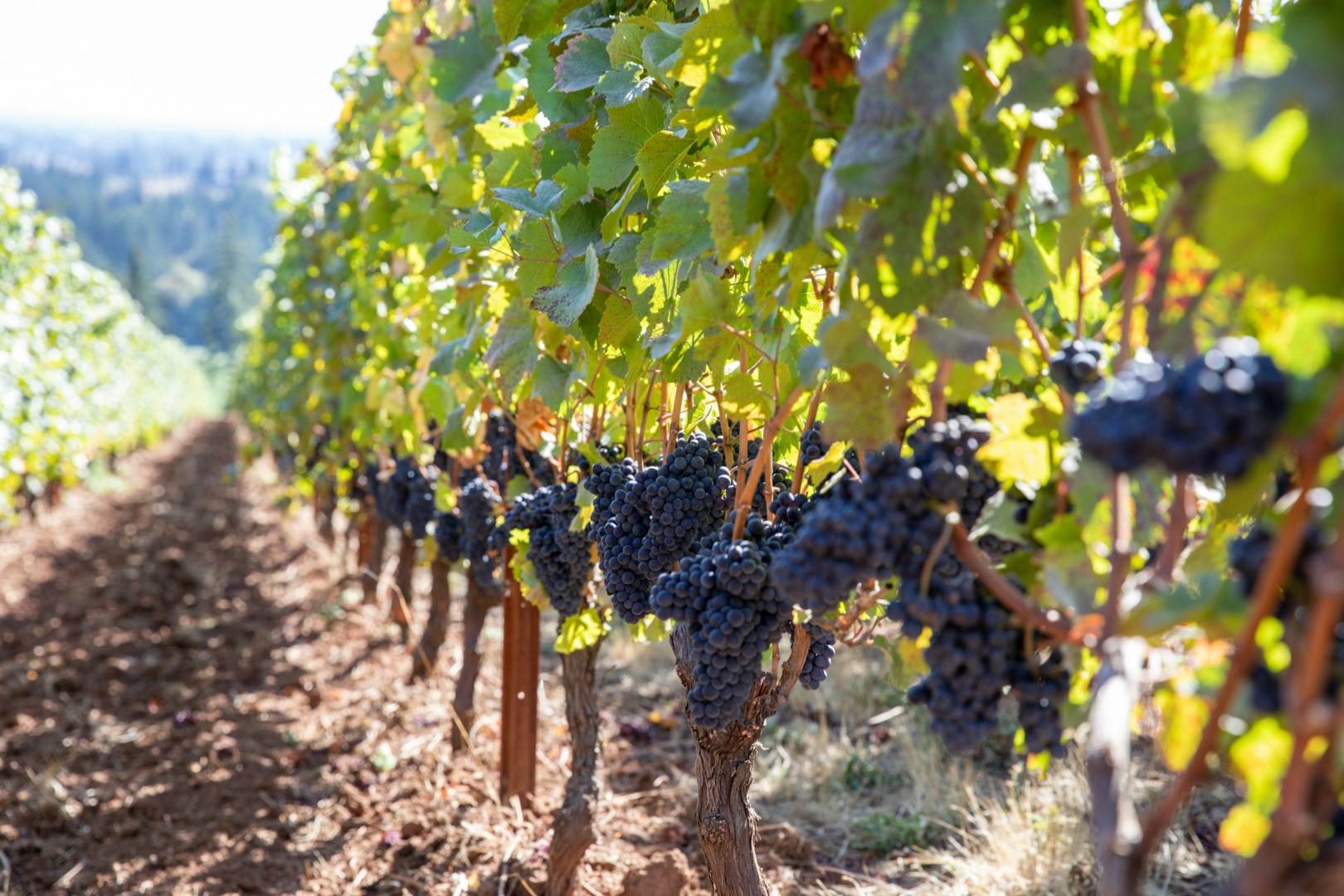
Dundee is a small city in Oregon’s Willamette Valley, surrounded by vineyards, orchards, and rolling farmland in the heart of the state’s wine country. Located southwest of Portland, the community sits along the foothills of the Chehalem Mountains and is closely associated with the Dundee Hills American Viticultural Area. Its compact center contains tasting rooms, restaurants, galleries, and locally owned businesses, while the surrounding countryside is characterized by vineyards and forested sl
