
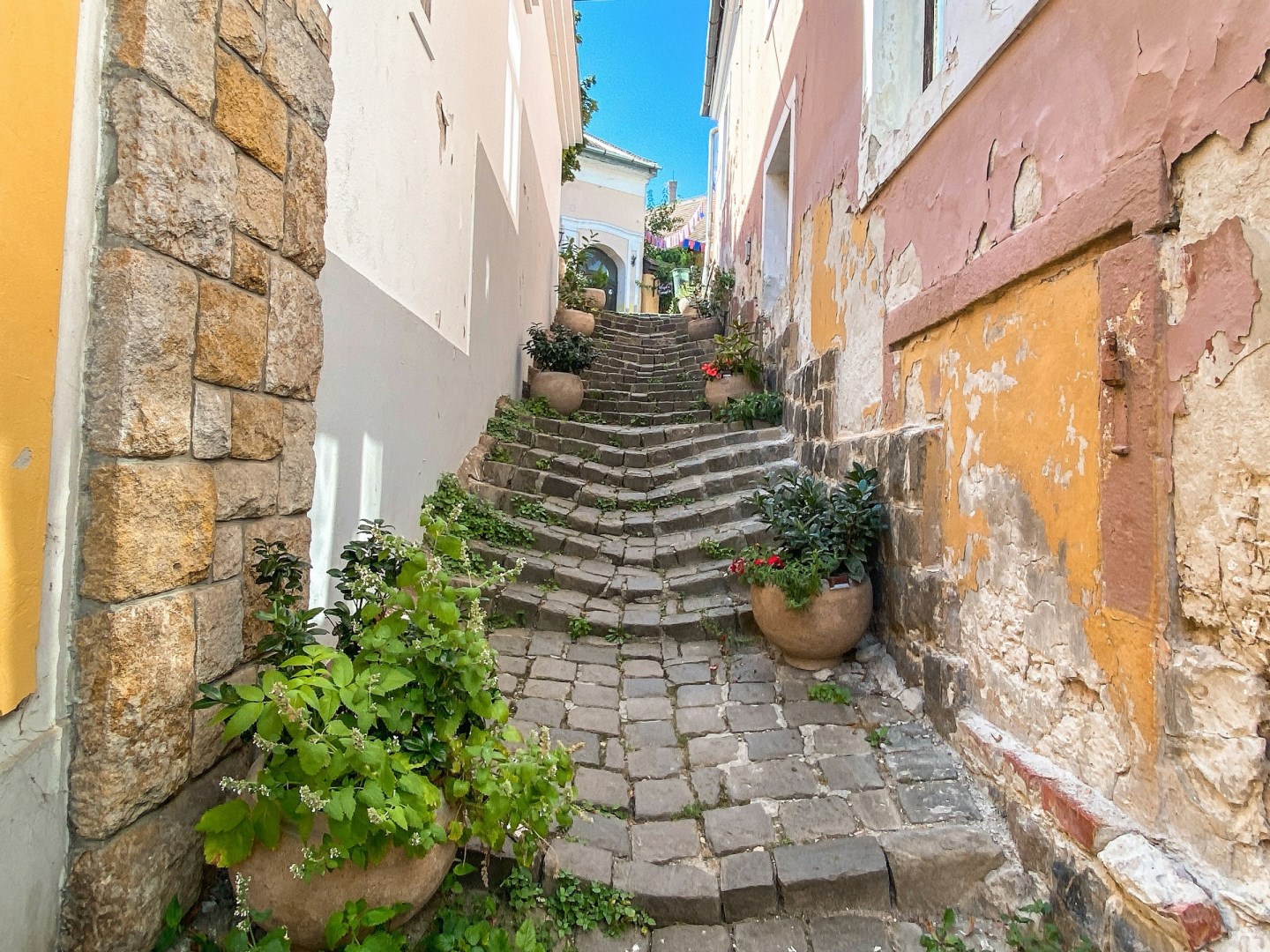
Szentendre
A beautiful baroque town with richly decorated baroque churches and a charming Main Square with a decorative wrought-iron cross.

Livorno
Situated on the coast of Tuscany near the Tyrrhenian Sea, Livorno, Italy, is a popular stop on Mediterranean cruises and an important commercial and industrial port. It was founded on a former auxiliary Pisan port between the late 16th and early 17th centuries on the orders of the Grand Duke Cosimo I, who made it Tuscany's main outlet to the sea.

Mikumi National Park
Mikumi National Park, located in Tanzania's southern highlands, offers a pristine and relatively undiscovered safari experience. Spanning over 3,230 square kilometers, Mikumi is part of the larger Selous Ecosystem, providing a diverse range of habitats from open grasslands to dense miombo woodlands. This park is an excellent choice for those seeking a more tranquil alternative to the more frequented Serengeti and Ngorongoro Crater.
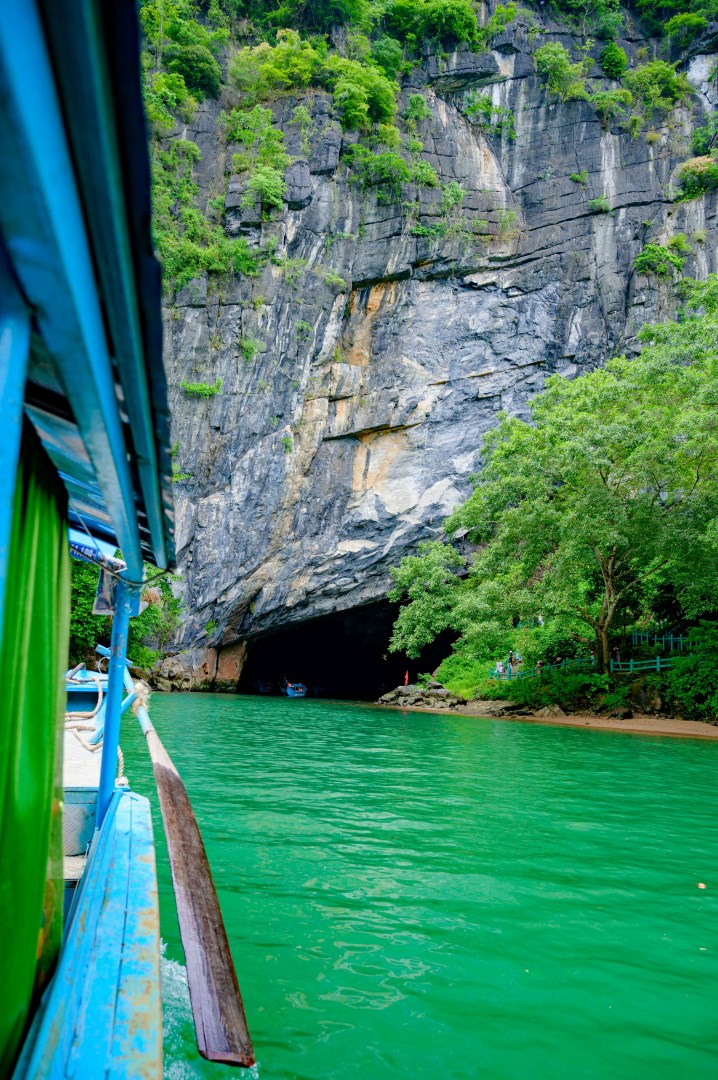
Phong Nha - Ke Bang National Park
Kẻ Bàng National Park lies in central Vietnam, near the border with Laos, and is known for its vast network of limestone mountains and underground rivers. The park forms part of one of the oldest karst landscapes in Asia, shaped over millions of years into a maze of caves, cliffs, and dense forest. Among its most famous features is Sơn Đoòng Cave, recognized as the largest cave on Earth, with sections so vast that clouds can form inside and a jungle grows beneath its collapsed roof.
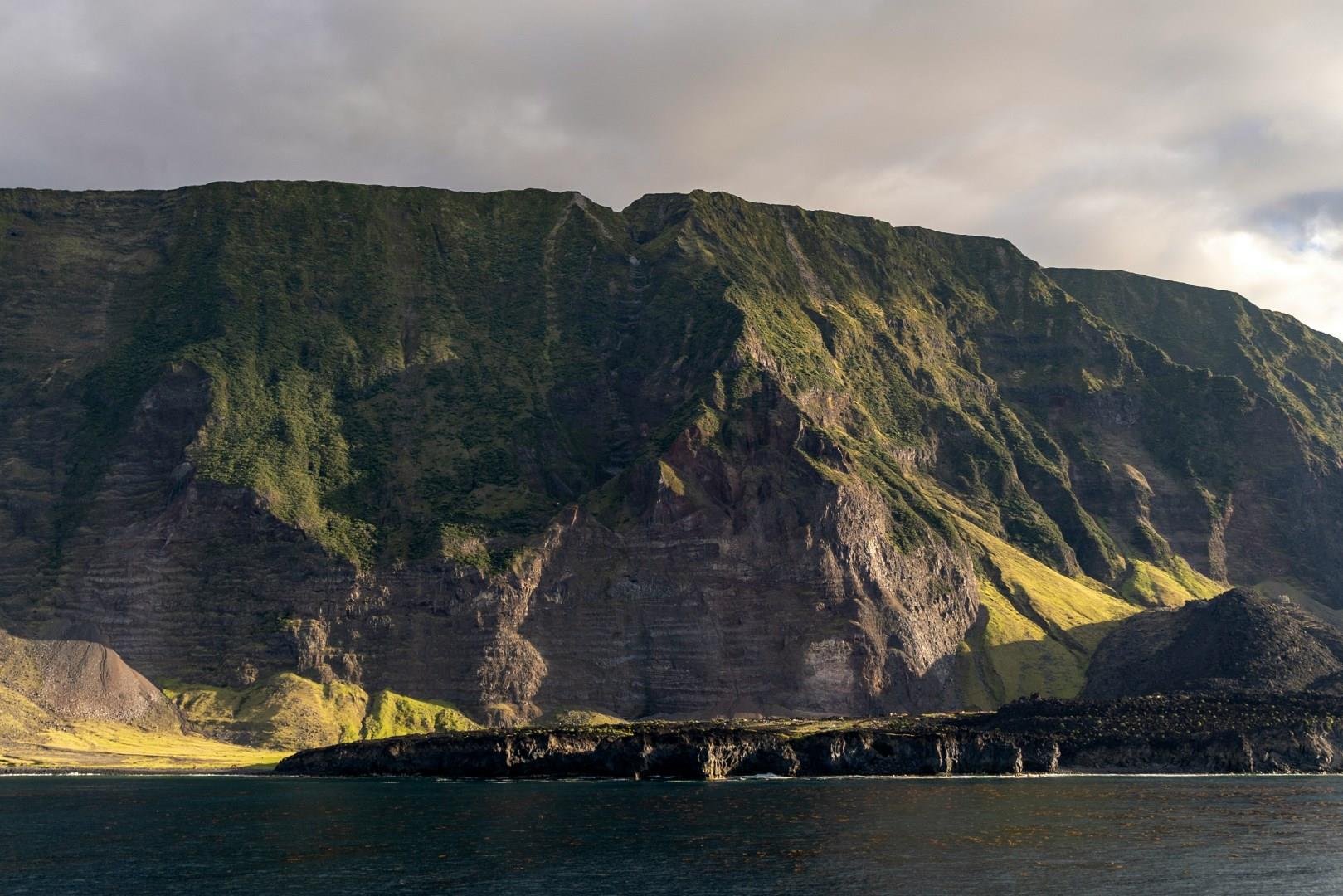
Tristan da Cunha
Tristan da Cunha is a remote volcanic island in the South Atlantic Ocean, forming part of a small archipelago along with Inaccessible Island and Nightingale Island. Known as the most isolated inhabited island in the world, it is accessible only by a week-long boat journey from South Africa.
