

Skagen
Skagen, Denmark, is a picturesque coastal town where the North Sea meets the Baltic Sea, offering visitors a unique natural experience unlike any other. Known for its stunning light, which has attracted artists for centuries, Skagen is a place where art, nature, and history converge in perfect harmony.
Devon
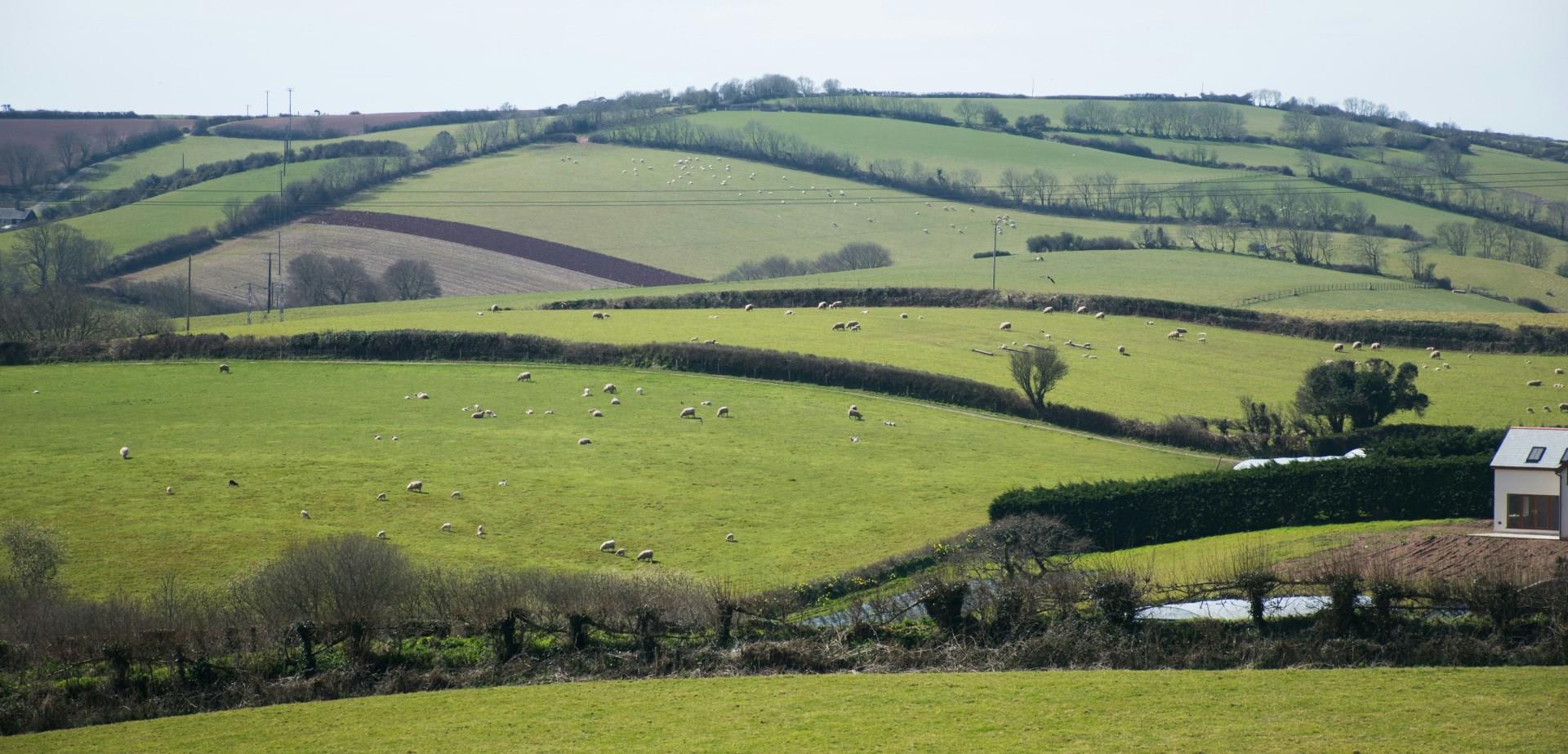
Devon occupies England’s southwest peninsula, a county shaped by seafaring, farming, and long continuity of settlement. Its history stretches from prehistoric sites on Dartmoor through Roman roads and medieval ports to towns that grew wealthy on trade and shipbuilding.
Lambert's Bay
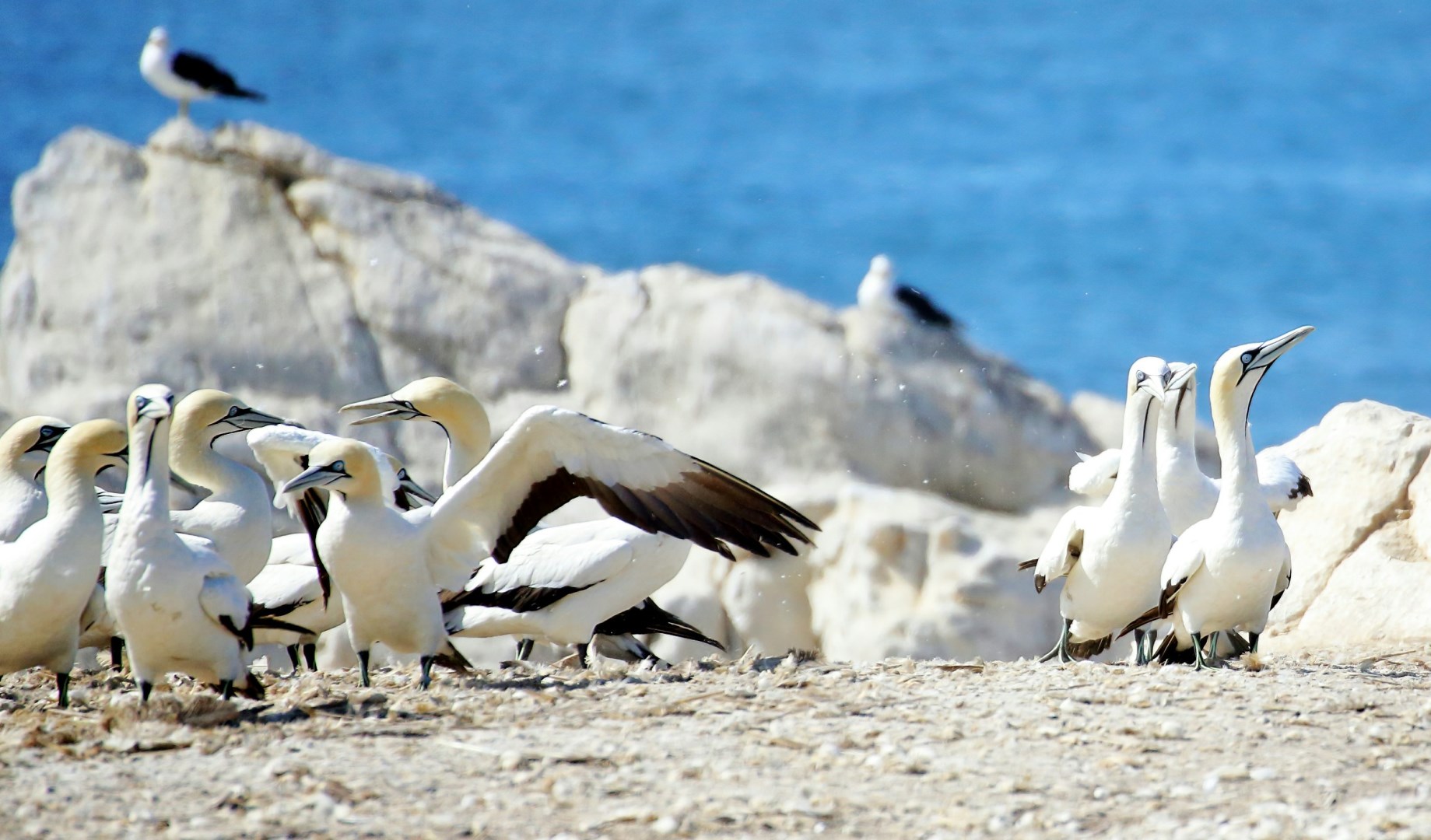
Lambert’s Bay is a small fishing town on South Africa’s West Coast in the Western Cape, positioned beside the Atlantic Ocean. Its setting is defined by a working harbour, sandy beaches, rocky shoreline, and the low, dry vegetation of the West Coast. The town is part of the Cape West Coast Biosphere region and is particularly known for its seabird colonies and fishing industry.
Tbilisi
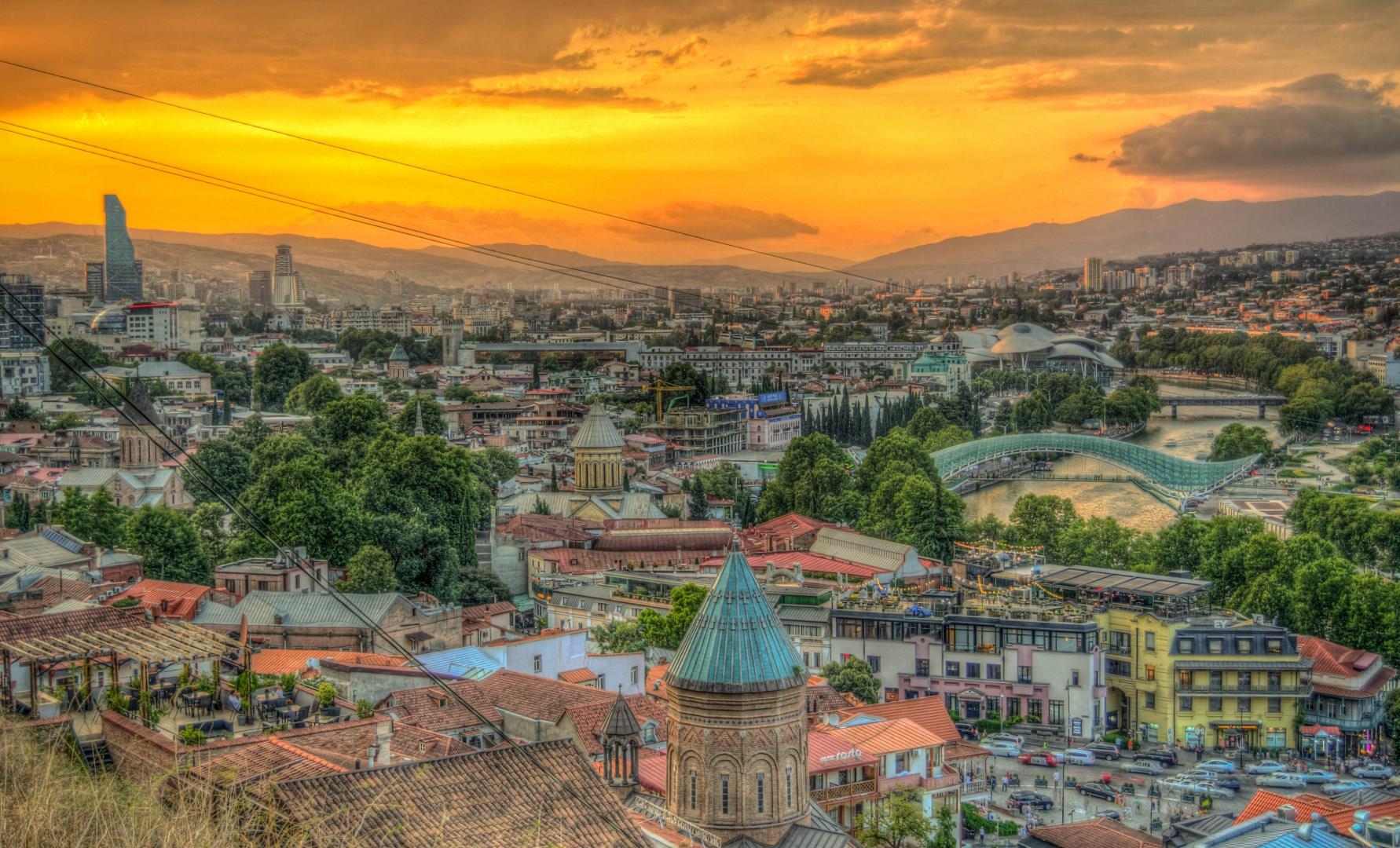
Tbilisi, the capital of Georgia, is a city where tradition and modern life blend seamlessly. Set along the banks of the Kura River and surrounded by hills, its layout reflects centuries of change and cultural exchange. The Old Town, with its cobbled lanes and wooden balconies, is a living museum of architecture, showcasing influences from Persian, Ottoman, and Russian eras. Above it all, the Narikala Fortress stands watch, offering sweeping views of the city below.

Ballestas Island
Ballestas Islands are a group of rocky islands off the coast of Paracas in Peru’s Ica Region, within the marine ecosystem influenced by the cold Humboldt Current. The islands consist of North, Central, and South Ballestas and are protected as part of the National Reserve System of Islands, Islets and Guano Points. Their steep rock faces, arches, caves, and eroded formations rise directly from the Pacific Ocean. The islands are best known for their concentration of marine wildlife.
