
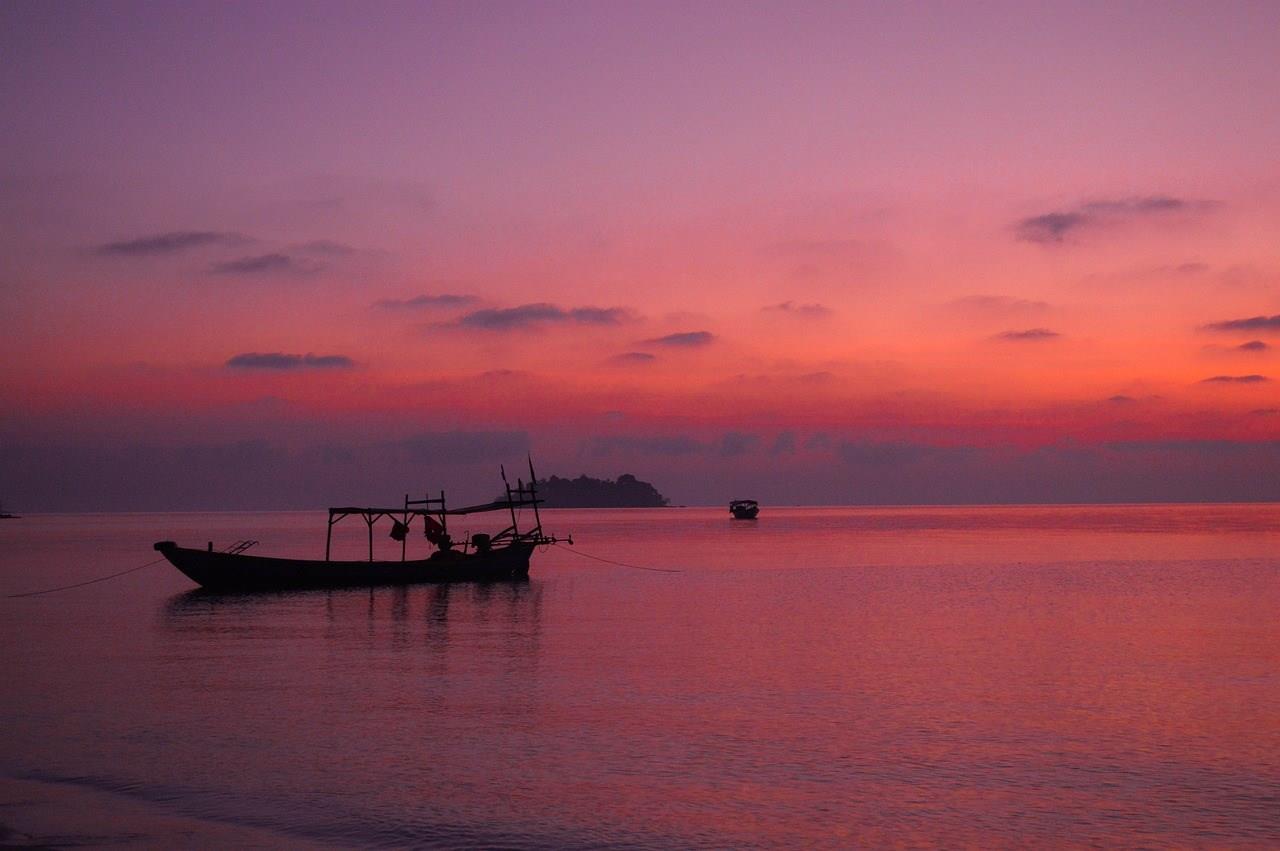
East and Southeast Asia
East and Southeast Asia encompass a vast and diverse region, stretching from the towering peaks of the Himalayas to the turquoise waters of the South China Sea. This area is home to some of the world’s most vibrant cities, tranquil rural landscapes, and a rich blend of traditions.
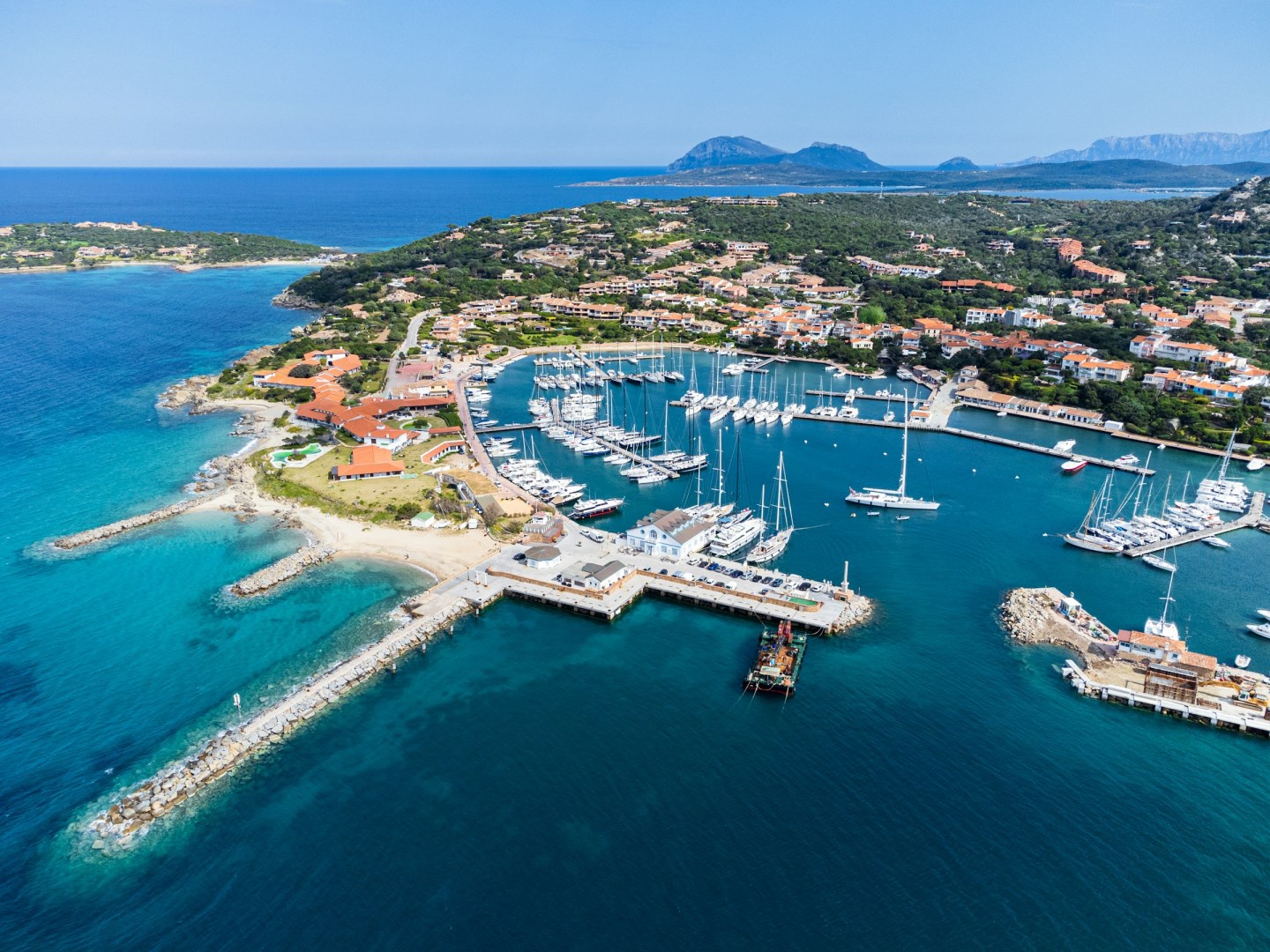
Porto Rotondo
One of the most popular destinations on the east coast of Sardinia, Porto Rotondo offers beautiful views and a variety of outdoor activities. Quite close to the famous Costa Smeralda tourist area, Porto Rotondo is also a gateway to the Tavolara Protected Marine Area - Punta Coda Cavallo.

Big Sur
Big Sur, California, is where dramatic cliffs meet the vast Pacific, creating a stunning landscape that feels almost otherworldly. Stretching for about 90 miles along California's Highway 1, this iconic coastal region offers some of the most breathtaking views in the world, with the rugged Santa Lucia Mountains rising up from the ocean to create a panorama that has captivated artists, writers, and nature lovers for generations.

Monaco
Known for its glitzy image, Monaco is home to some of the world’s most famous attractions, including the iconic Monte Carlo Casino, the historic Prince's Palace, and the prestigious Formula 1 Grand Prix.
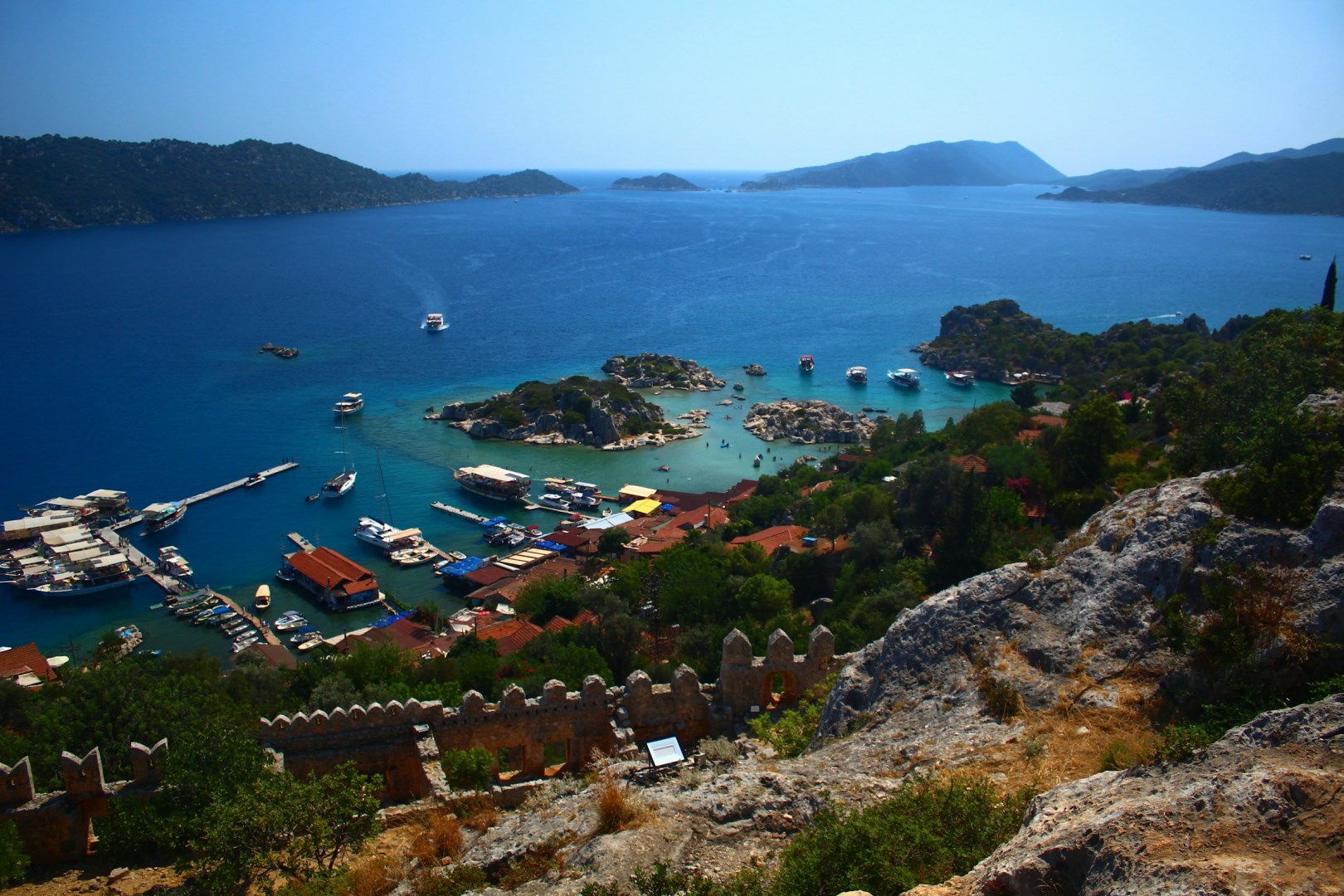
Kekova
Kekova is an island an hour from Dalyanagzi by sea as well as the name of a whole ensemble of picturesque islands, numerous bays and ancient cities. These bays provide natural harbors in all seasons, and yachtsmen particularly enjoy exploring the unspoilt landscape.
