
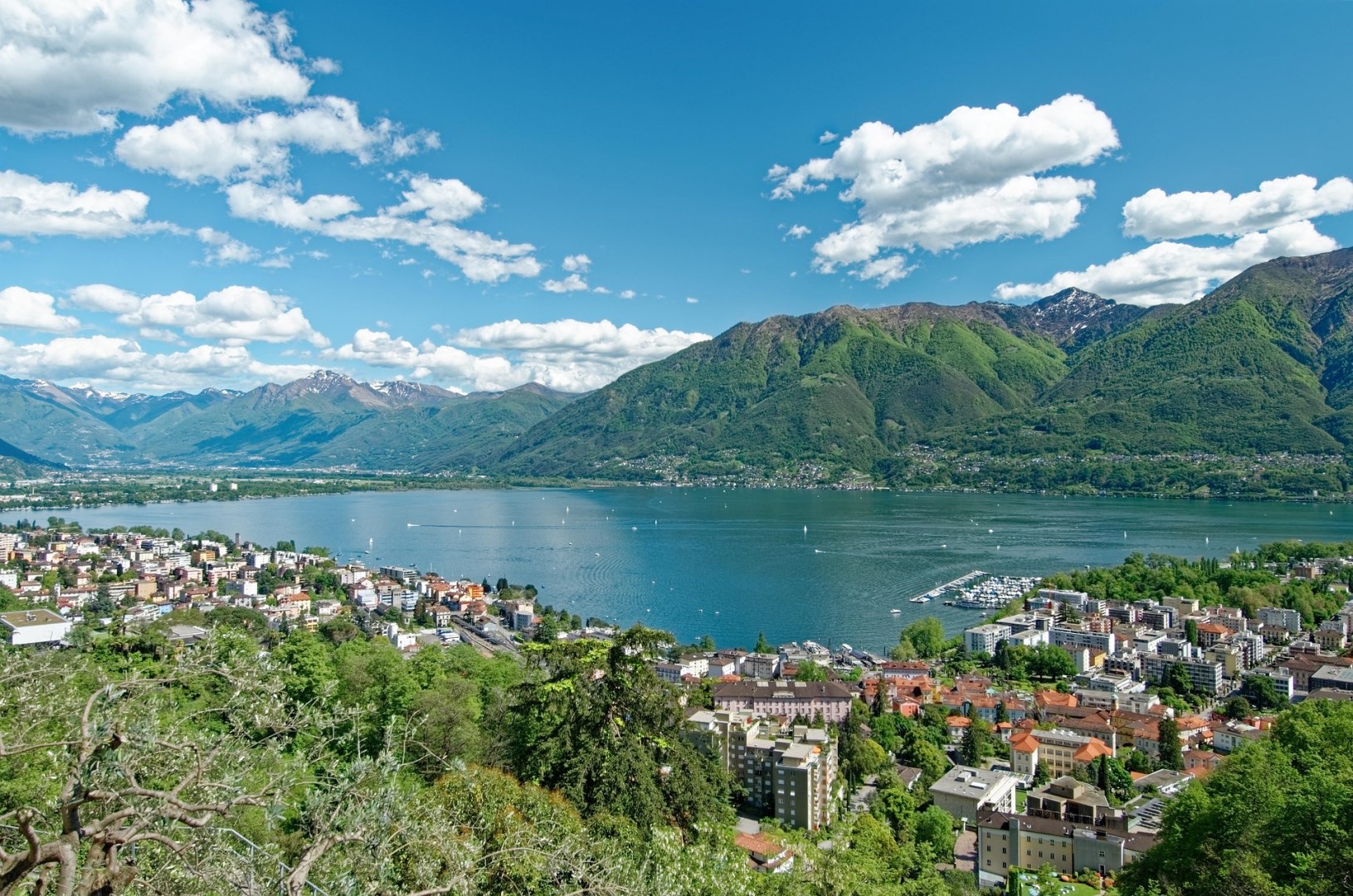
Locarno
The turnoff for Locarno is located near Bellinzona, the capital of Ticino. By train, Locarno is well served from Zurich and Milan, as it is by road. Lovers of beautiful landscapes starting out from Geneva and Lausanne owe it to themselves to pass through Simplon and the Centovalli by taking the picturesque little train that links Domodossola to Locarno.

St. Barthelemy
St. Barthélemy, often called St. Barts, is a small French Caribbean island known for its blend of natural beauty, refined luxury, and vibrant culture.
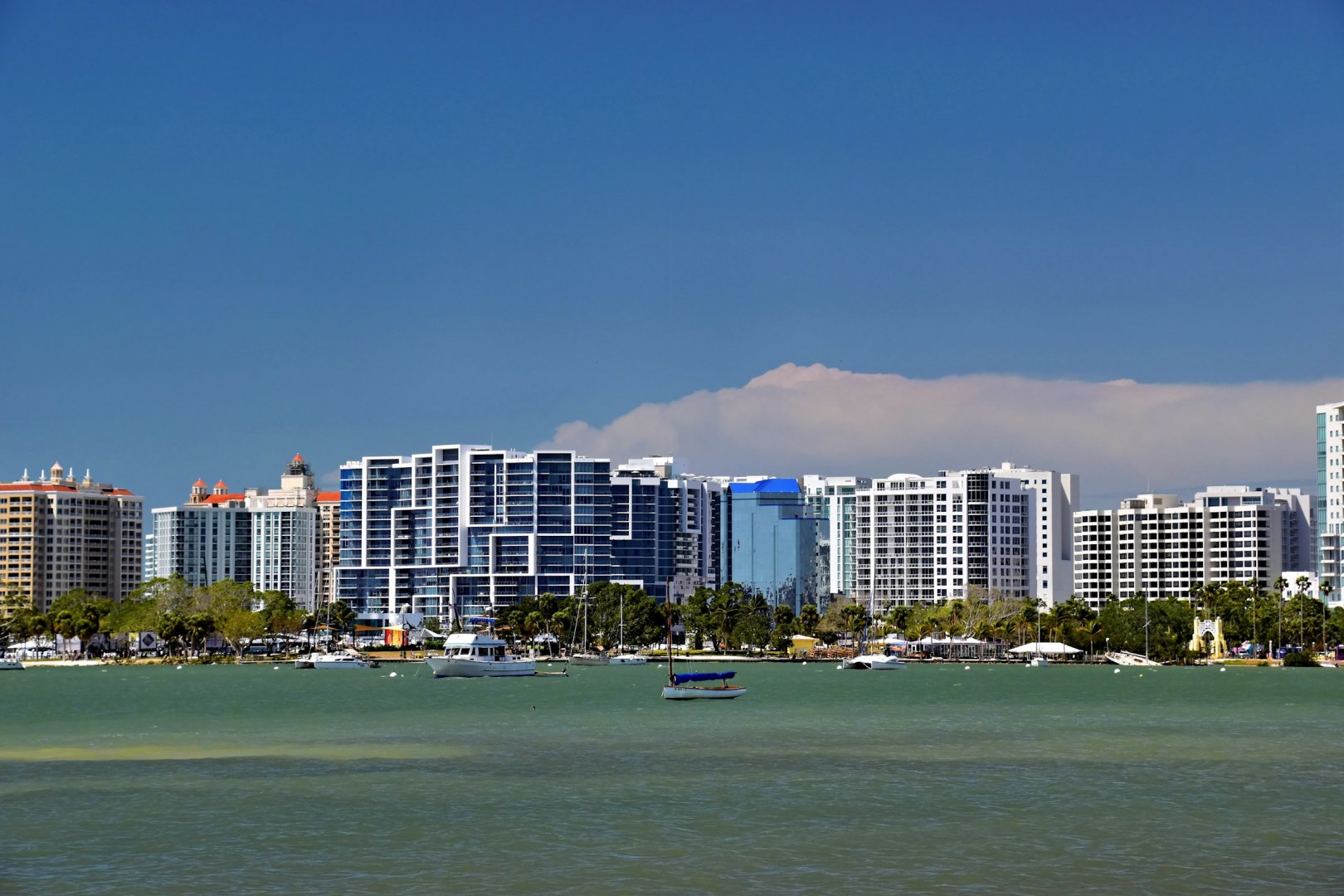
Sarasota
Sarasota and its Gulf Coast Islands have matured into a diverse cosmopolitan community considered by many to be "The Cultural Center of Florida". Daytime offers some of the finest museums, art and antique galleries, as well as numerous shops and boutiques. Be prepared to include a few evenings with our resident ballet, opera house, live theatre, comedy clubs, and jazz bars.

Copenhagen
Charming Copenhagen is the jewel of Denmark and a delightful stop for any traveler. Well-known as an eco-friendly haven for sustainable and green living, Copenhagen has embraced its status as the best “bike city” on earth and promoted the use of bicycles by locals and tourists.
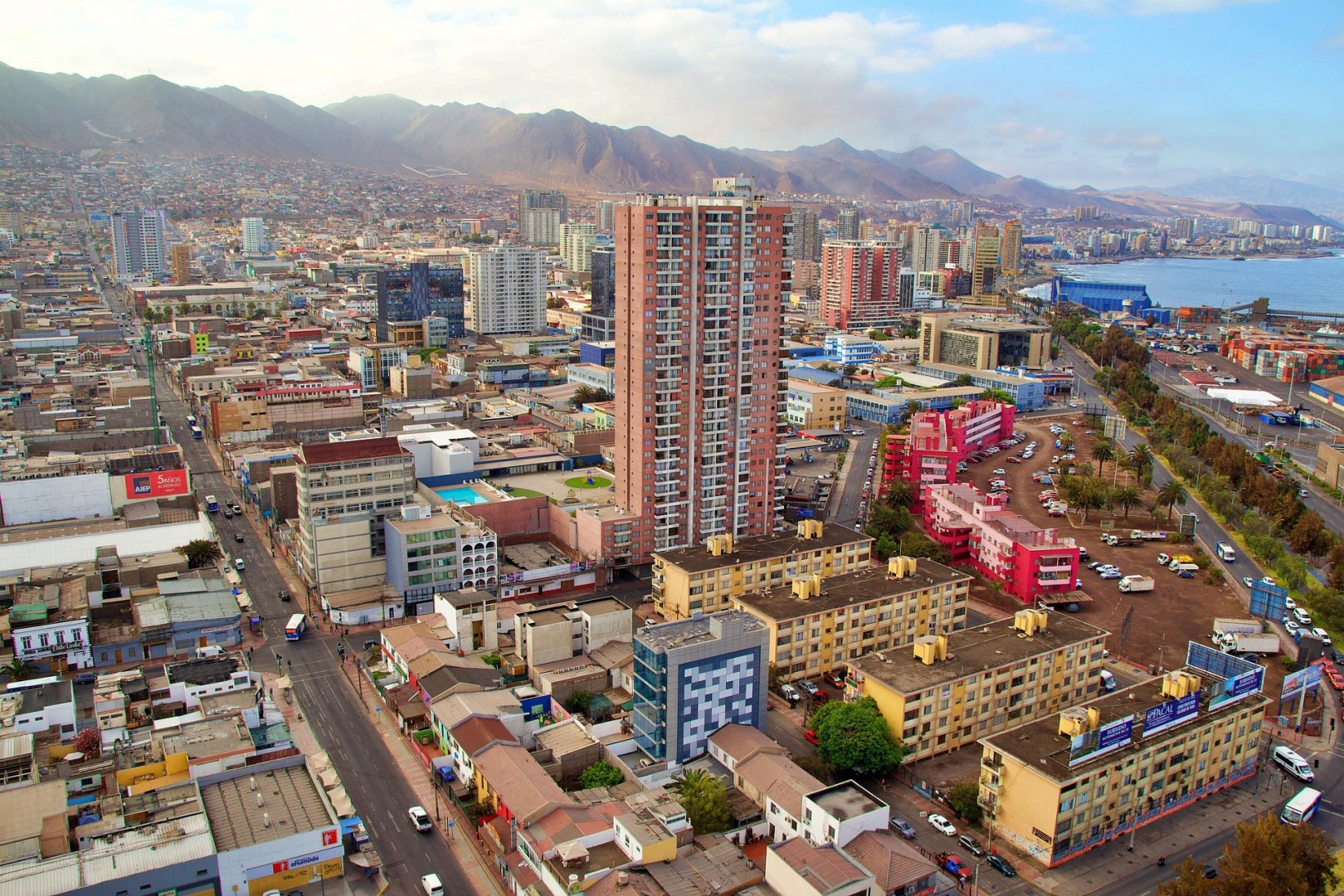
Antofagasta
In Chile's arid Norte Grande, only one river in 700 miles of coastline makes it to the sea. Many towns have never experienced rainfall and depend on "Fogcatchers" to collect the morning dew for drinking water.
