
Kilkenny
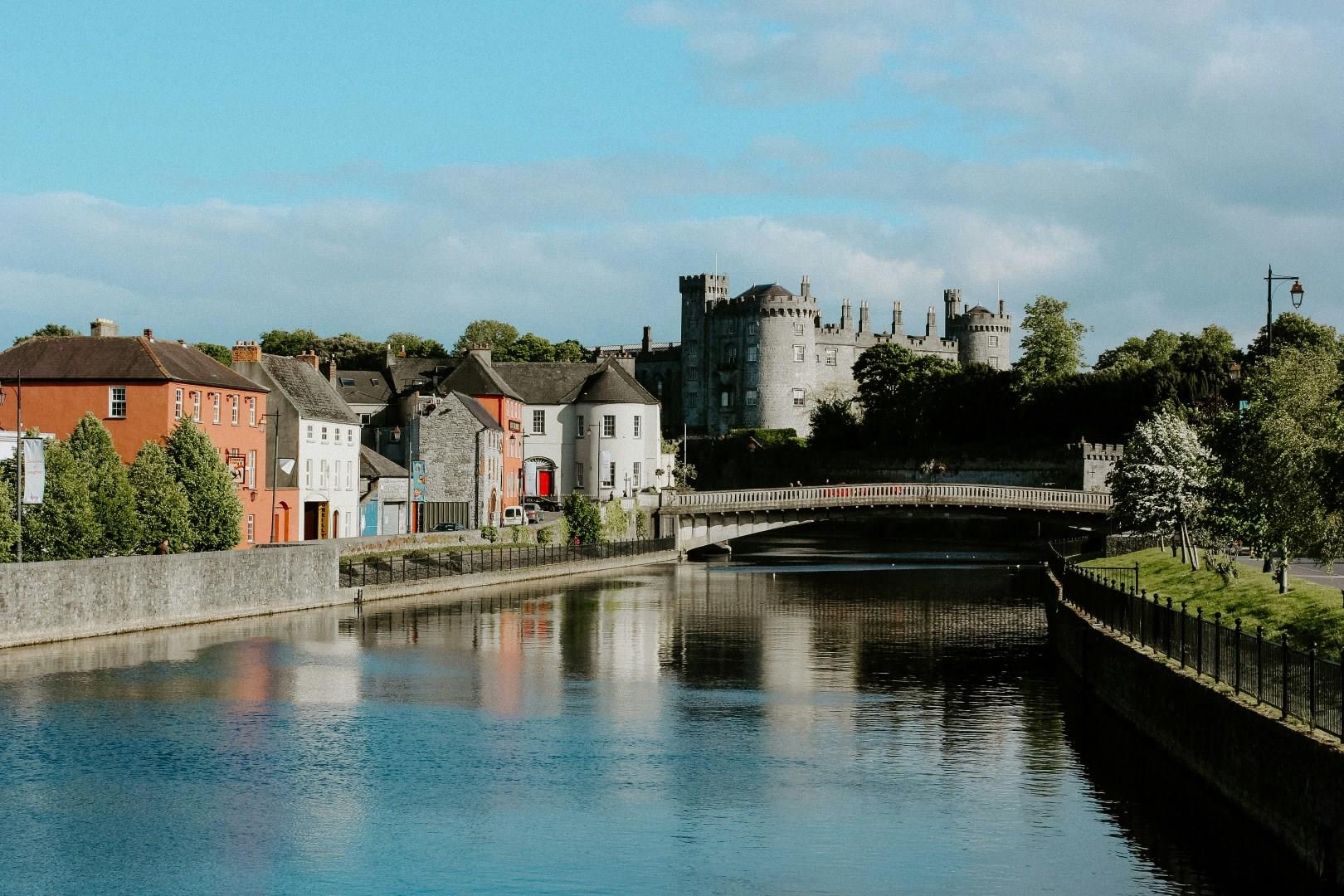
Kilkenny is a city where history sits beside everyday life, and stories from centuries past shape the streets visitors walk today. At its heart stands Kilkenny Castle, first built in the 12th century and home to the Butler family for more than 600 years. From here, the Medieval Mile creates a natural path through the city, linking key sites such as St. Canice’s Cathedral. Its round tower, one of the few in Ireland still open to climb, rewards visitors with wide views across the rooftops.
Bright
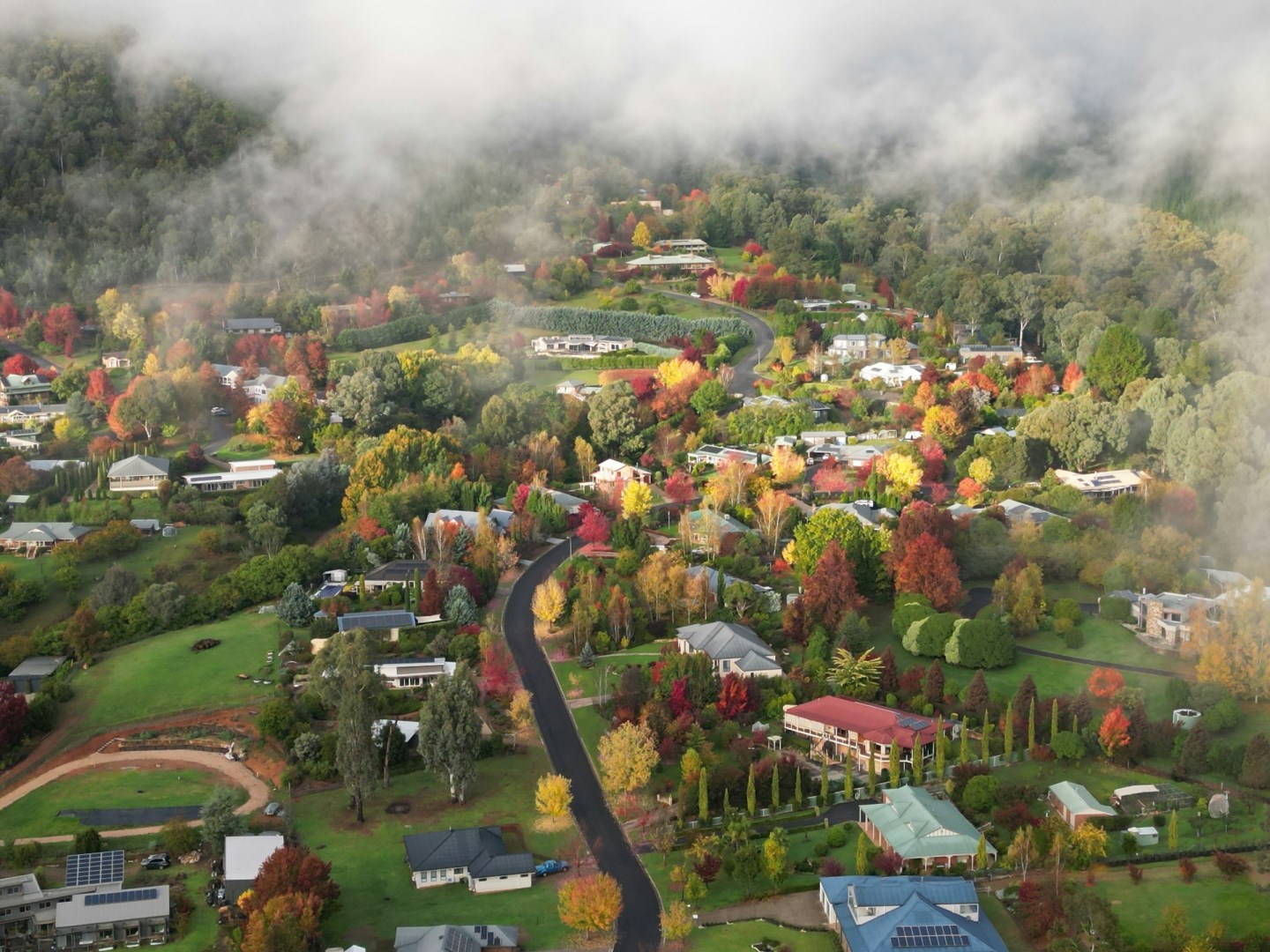
Bright is situated in the Ovens Valley and offers beautiful scenery and landscape. There are many ski resorts surround Bright, with Mt Buffalo National Park being the closest. This is obviously one attraction to the area, although Bright offers various activities all year around
Nakhal
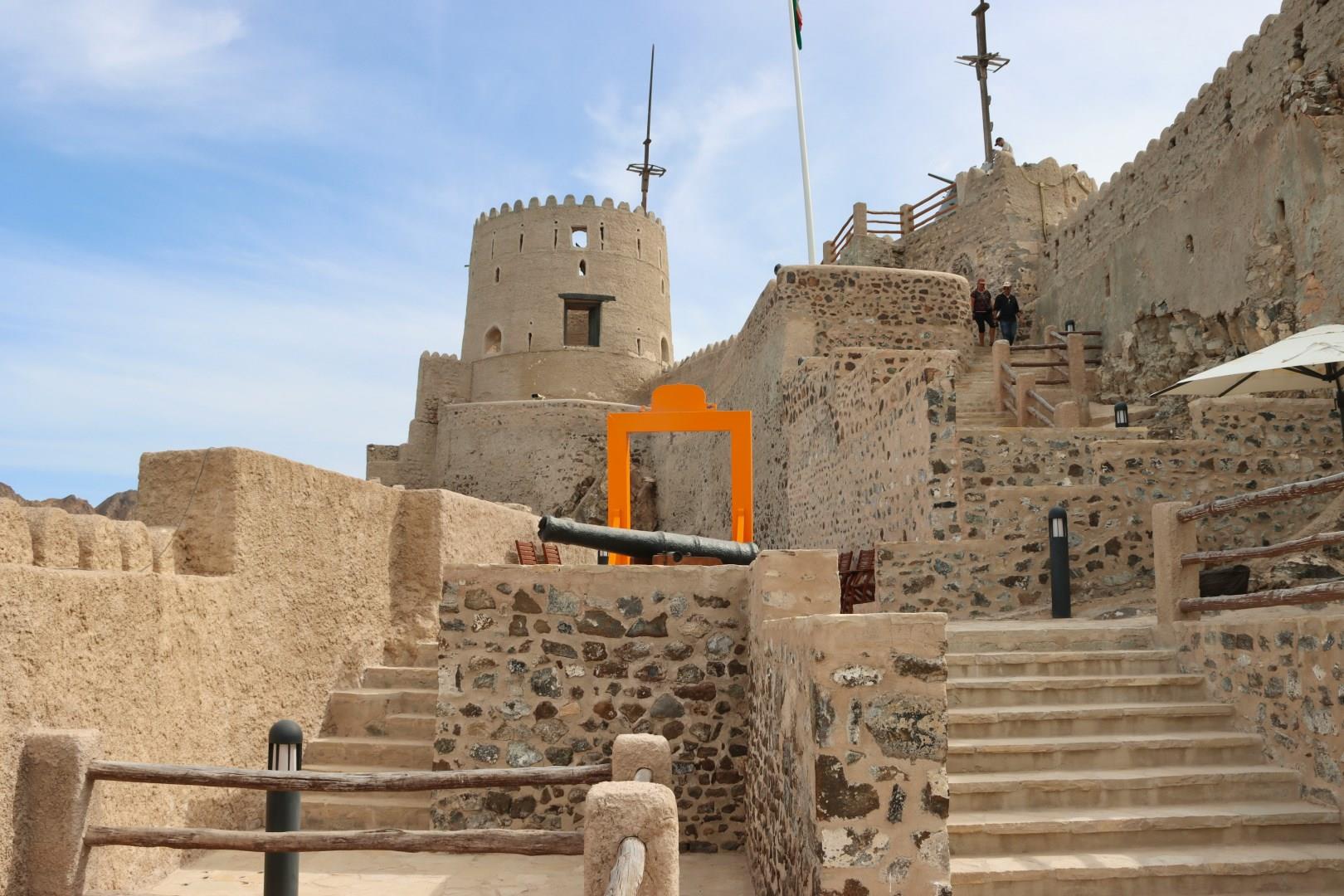
Located in northern Oman, Nakhal is best known for its impressive fort set dramatically against the backdrop of the Hajar Mountains. Originally built centuries ago and later expanded, the fort showcases traditional Omani architecture and offers sweeping views of the surrounding palm groves and rugged landscapes.

Colima
Visitors to the state of Colima will experience mountains, volcanoes, rivers and alluring beaches. Jalisco sits to the north, and to the south lies Michoacán.
Hannibal
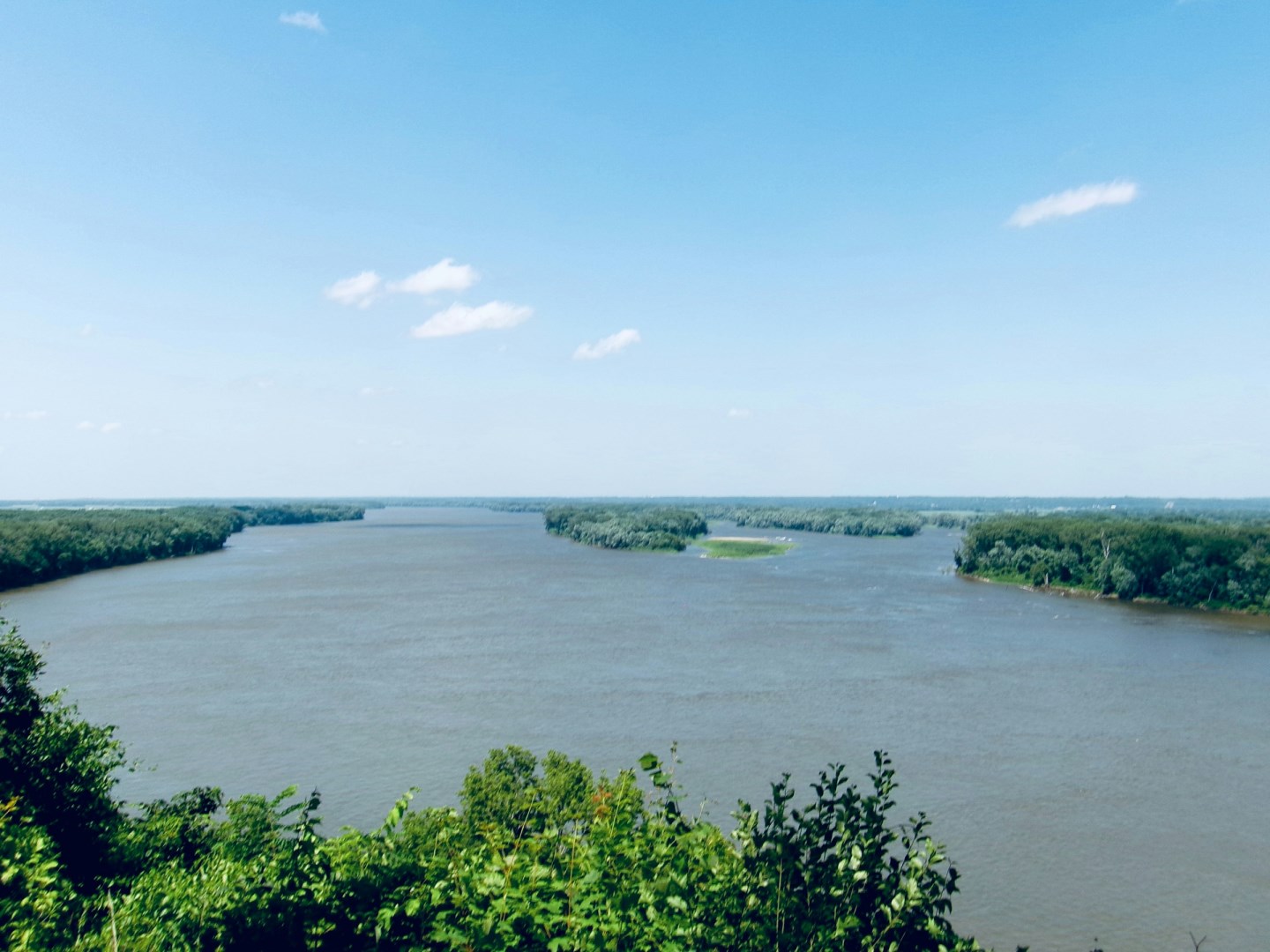
Home of Mark Twain's boyhood home, Hannibal is a quaint Missouri town located on the Mississippi River and a popular stop for river cruises.
