
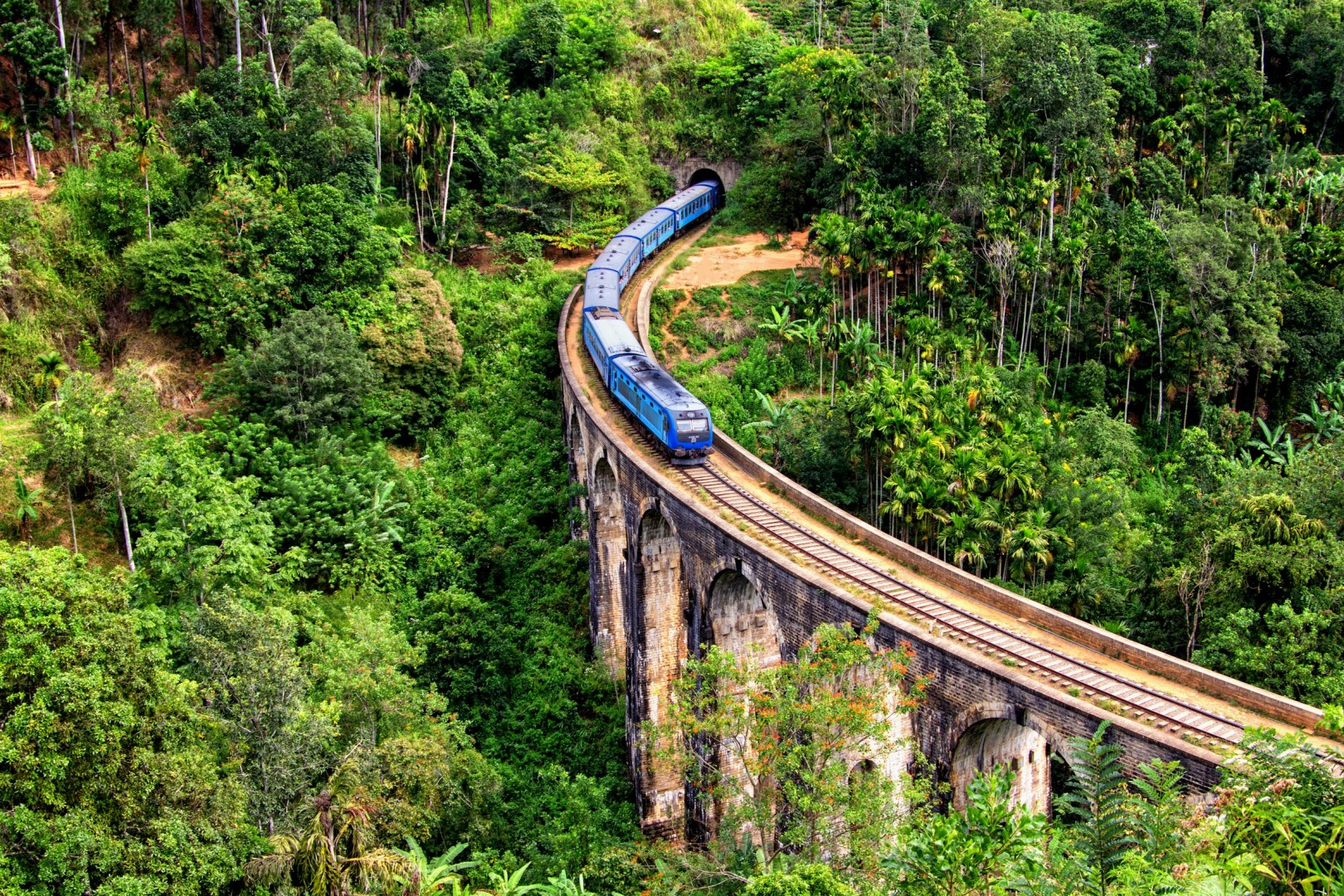
Ella
Ella is a small hill-country town in Sri Lanka’s Badulla District, surrounded by tea plantations, cloud-covered mountains, forests, and deep valleys. Its elevated setting gives the area a cooler climate than the lowlands, while the Ella Gap opens dramatic views toward the southern plains. The town itself is compact and serves as a base for exploring the surrounding countryside by foot, road, and the railway that winds through Sri Lanka’s central highlands.
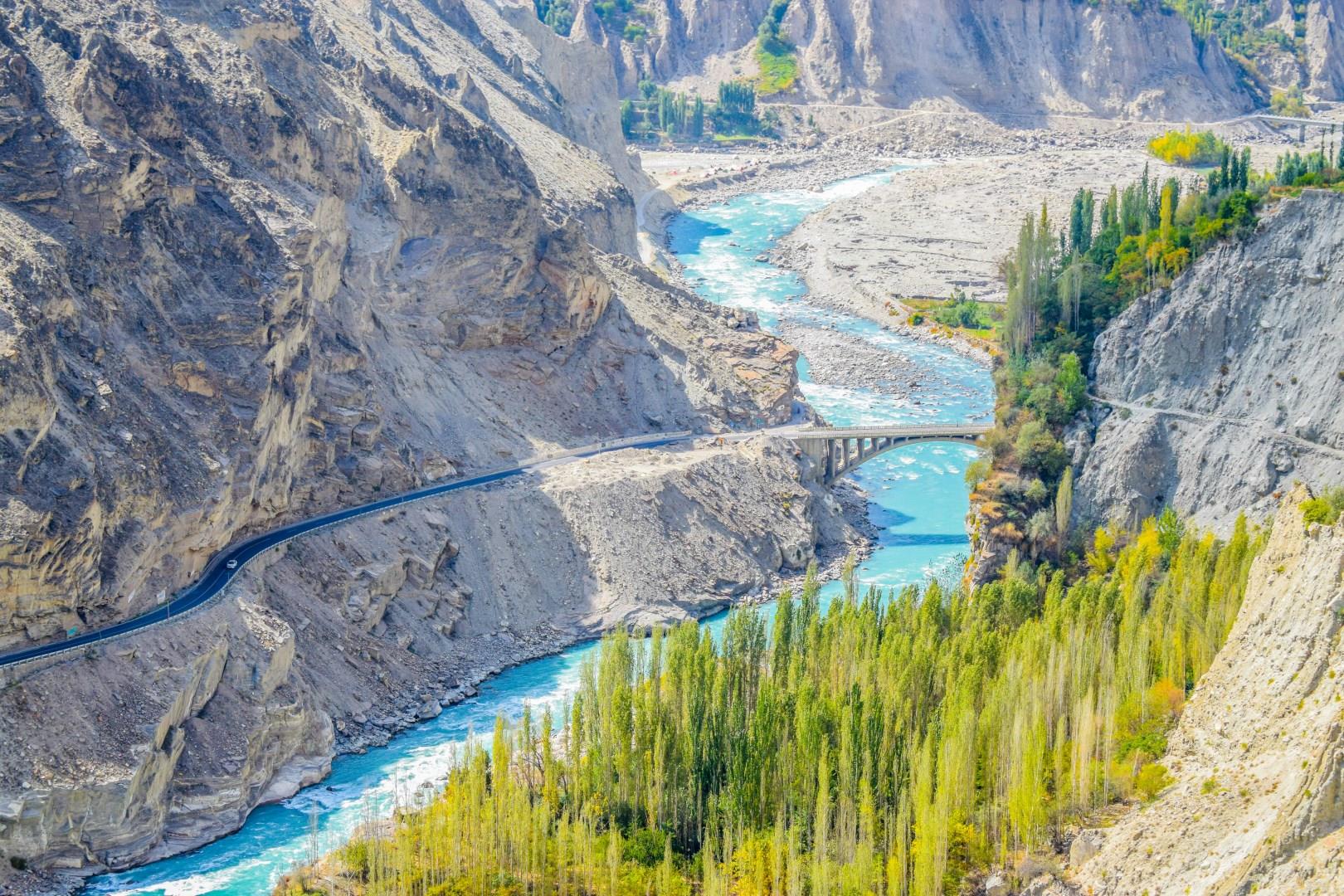
Pakistan
Pakistan is a country of remarkable diversity, combining mountains, deserts, rivers, and coastal areas. The northern regions feature some of the world’s highest peaks, including K2, while the southern plains are home to fertile agricultural land and the port city of Karachi.
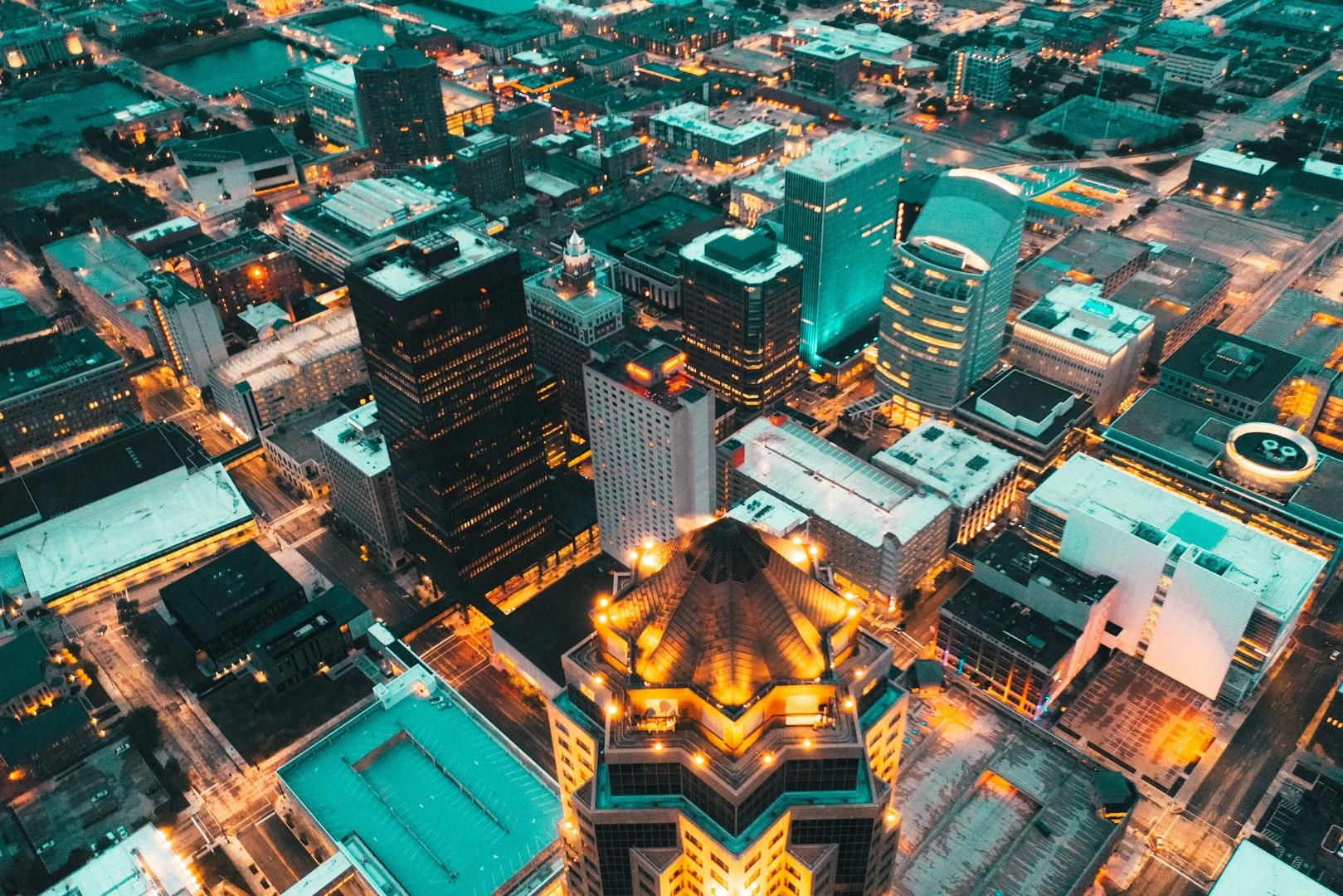
Des Moines
Des Moines, Iowa’s capital city, offers a refreshing take on Midwest travel with a blend of creativity, history, and community pride. Its downtown skyline is anchored by the gold-domed Iowa State Capitol, which offers free guided tours and a striking view from its hilltop perch. Just across the river, the East Village mixes old brick storefronts with indie shops, coffee houses, and vibrant murals. It's where old meets new, a theme that runs throughout the city’s evolving identity.
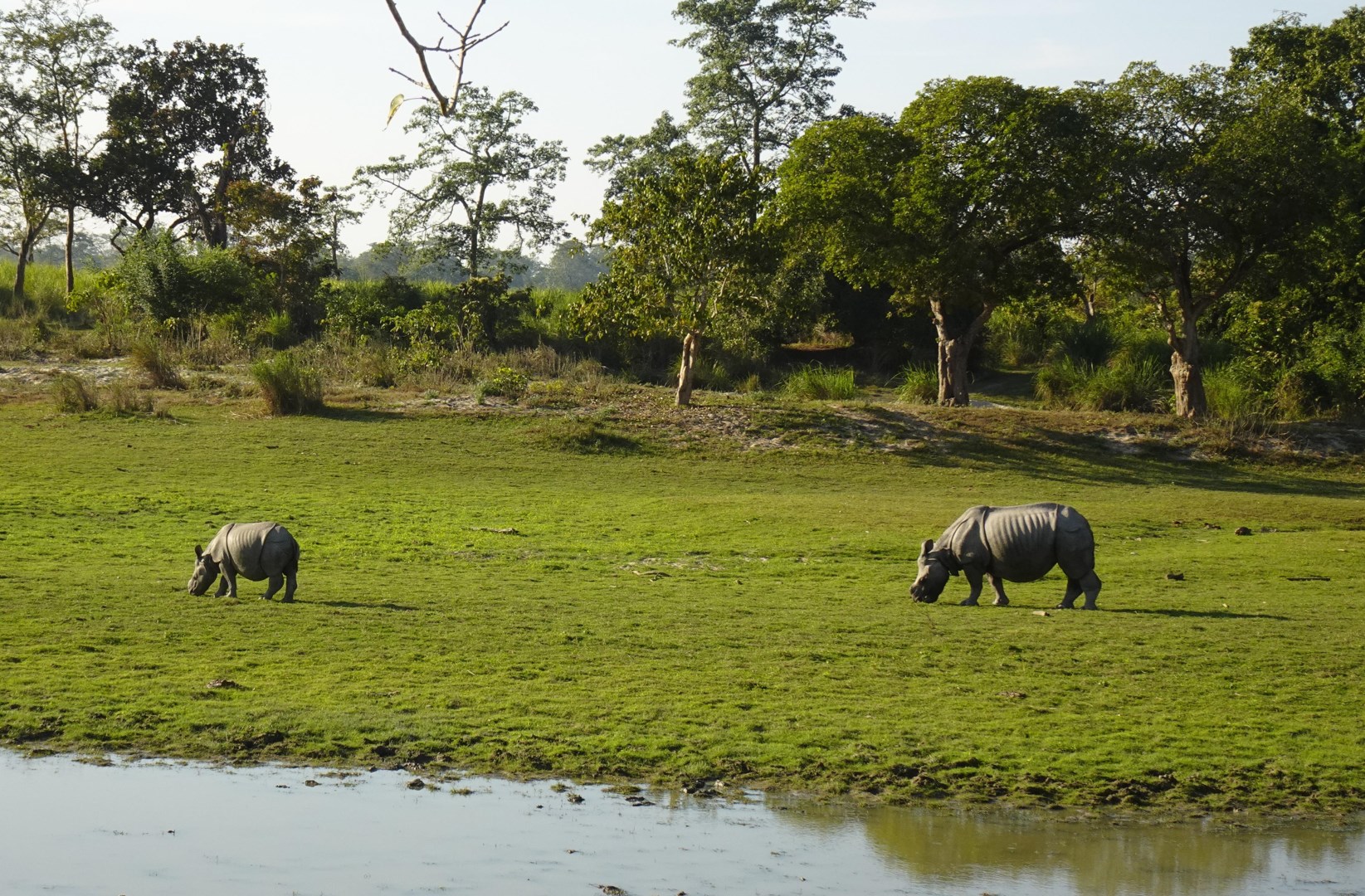
Khama Rhino Sanctuary
Khama Rhino Sanctuary is a community-based wildlife reserve in Botswana, located near the town of Serowe in the central part of the country. Established to protect endangered rhinoceros populations, the sanctuary covers a broad area of savanna and woodland, centered around natural water sources that attract a range of animals.
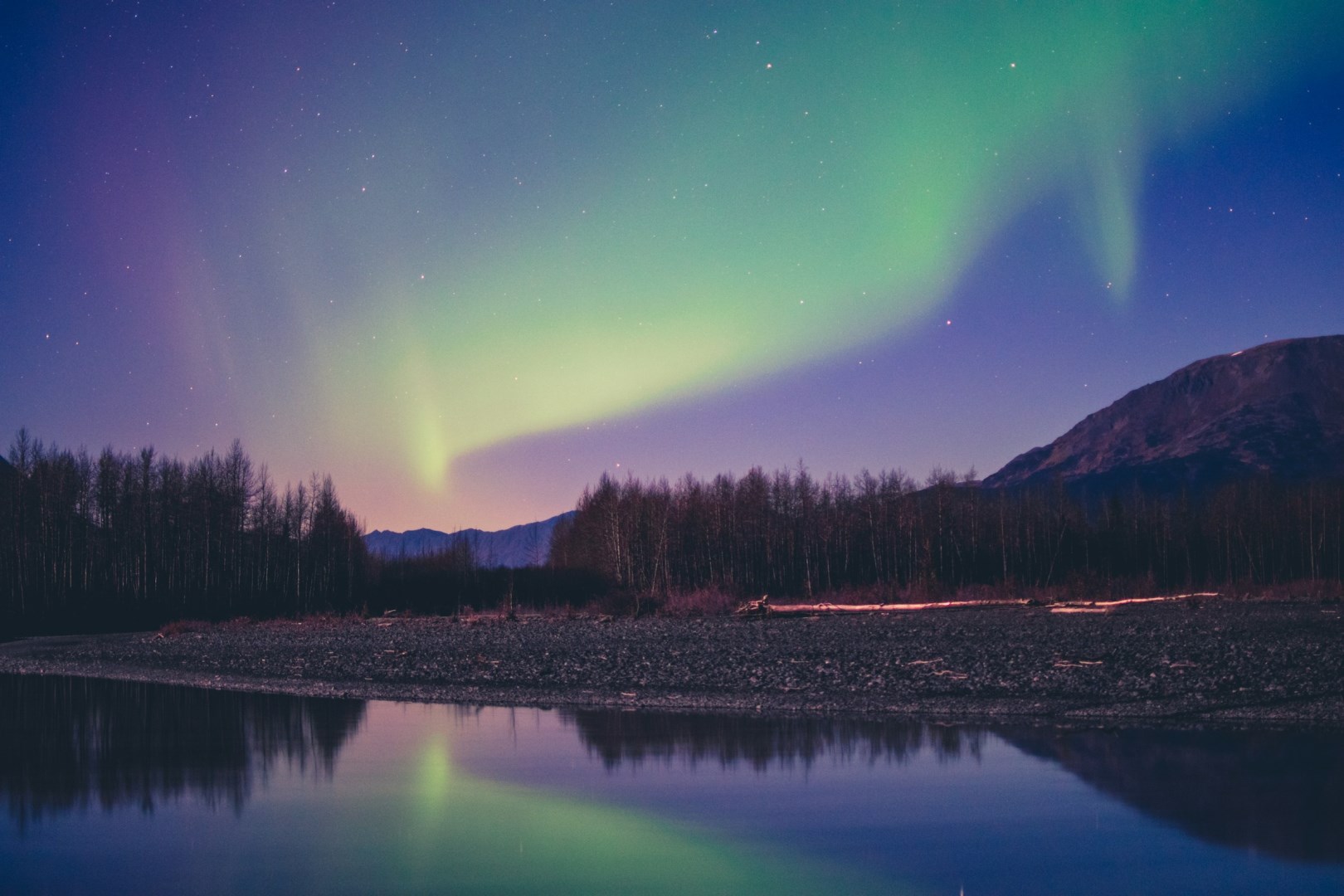
Portage Glacier
Portage Glacier, an hour's drive from Anchorage, is Alaska's most visited tourist attraction.
