
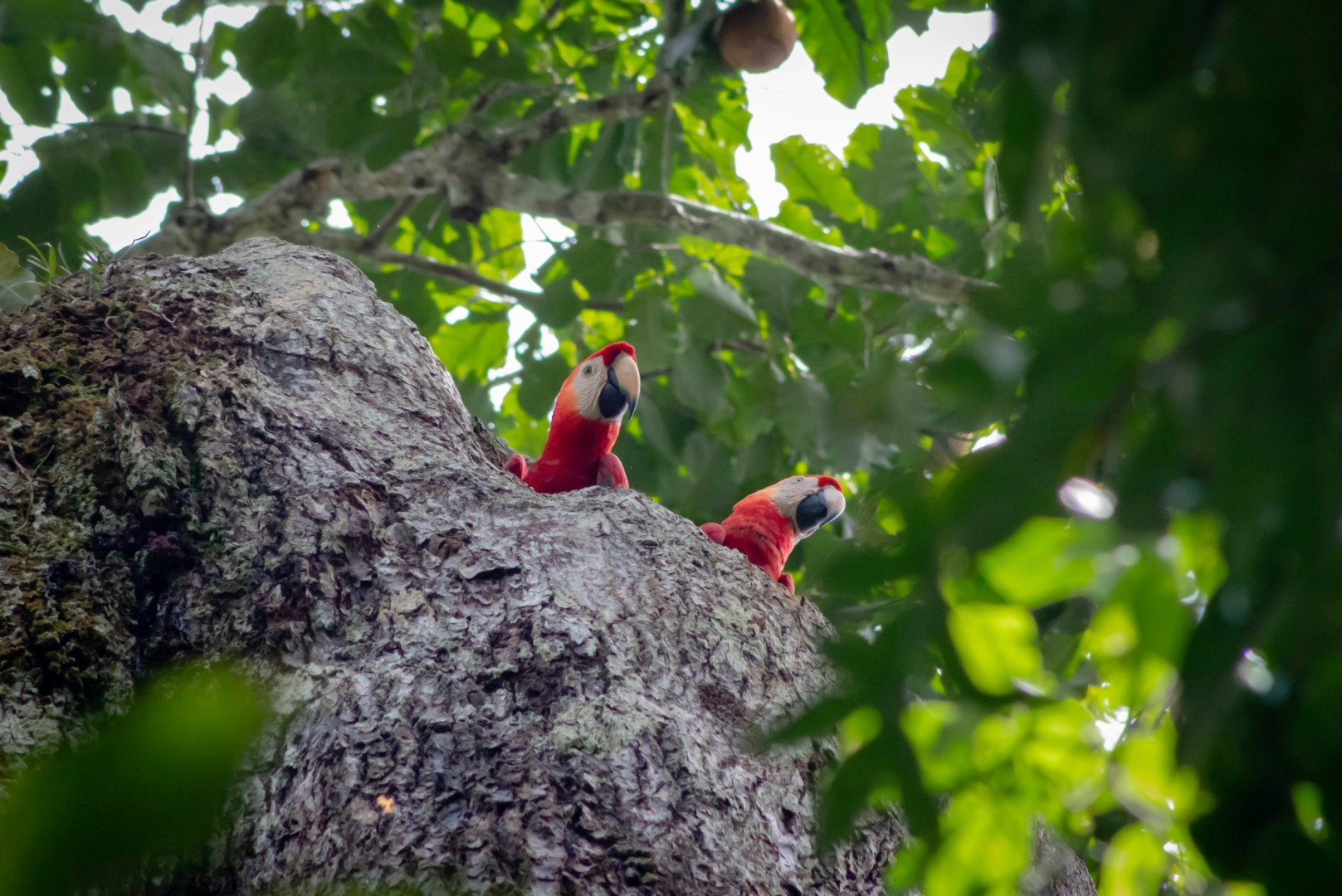
Puerto Maldonado
Nestled in the heart of Peru's Amazon rainforest, Puerto Maldonado serves as a gateway to one of the world's most biodiverse regions. This vibrant city, often referred to as the gateway to the Peruvian Amazon, offers a unique opportunity to explore lush rainforests, encounter exotic wildlife, and experience the rich culture of the Amazonian tribes. The nearby Tambopata National Reserve and Manu National Park are prime destinations for eco-tourists and adventurers alike.

Polonnaruwa
Polonnaruwa, located in Sri Lanka’s North Central Province, served as the island’s capital nearly a thousand years ago. Today, it offers one of the most extensive and well-preserved archaeological sites in South Asia. Visitors can walk among the ruins of royal palaces, Buddhist monasteries, and intricately carved stone temples. One of the highlights of Polonnaruwa is the Gal Vihara, a group of colossal Buddha statues carved directly into granite.
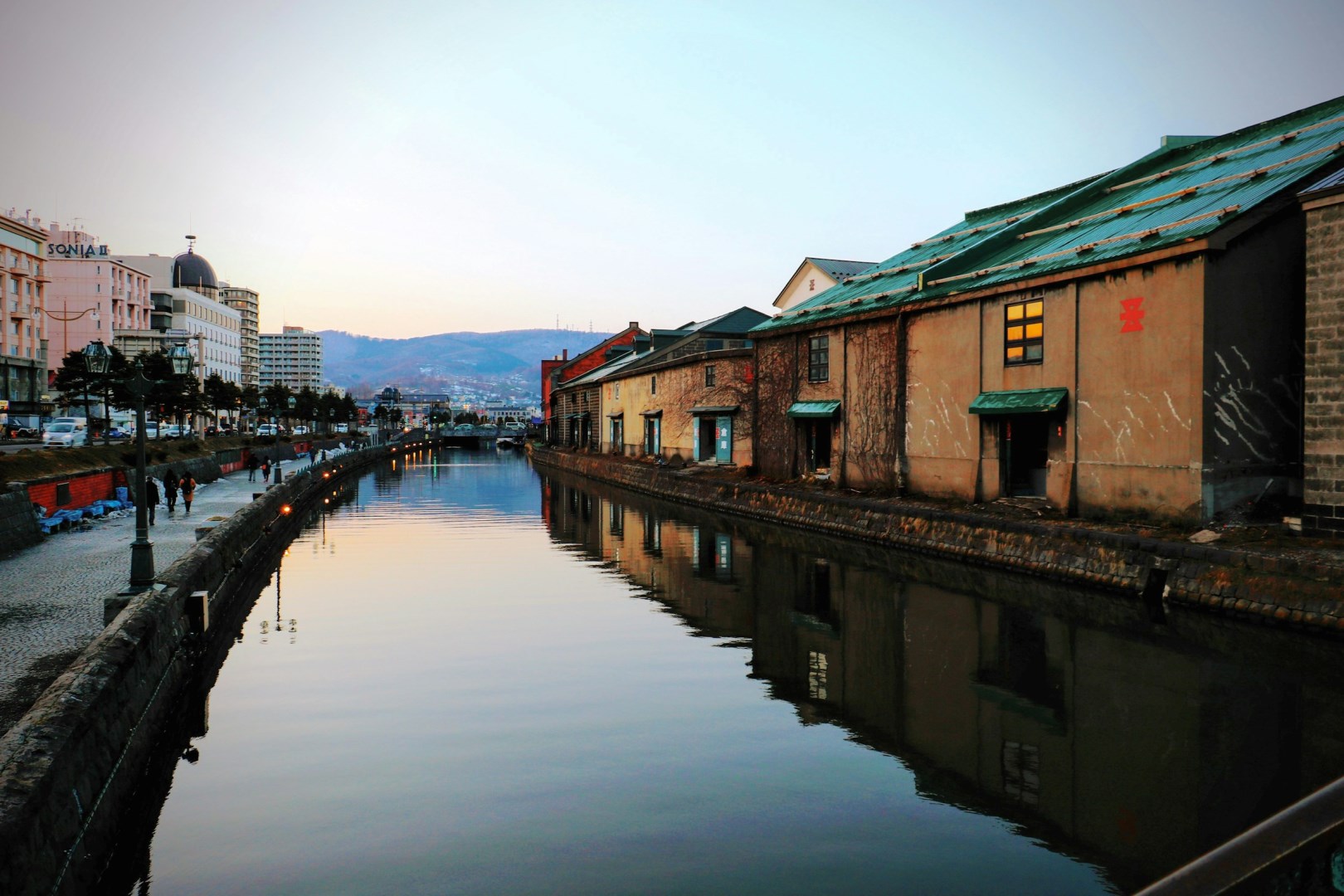
Otaru
Otaru, a charming port city on Japan's northern island of Hokkaido, offers a delightful blend of historic allure and scenic beauty. Known for its well-preserved canal area lined with old warehouses and beautifully restored buildings, Otaru provides a picturesque setting reminiscent of its bustling past as a major trade center during the Meiji and Taisho eras.
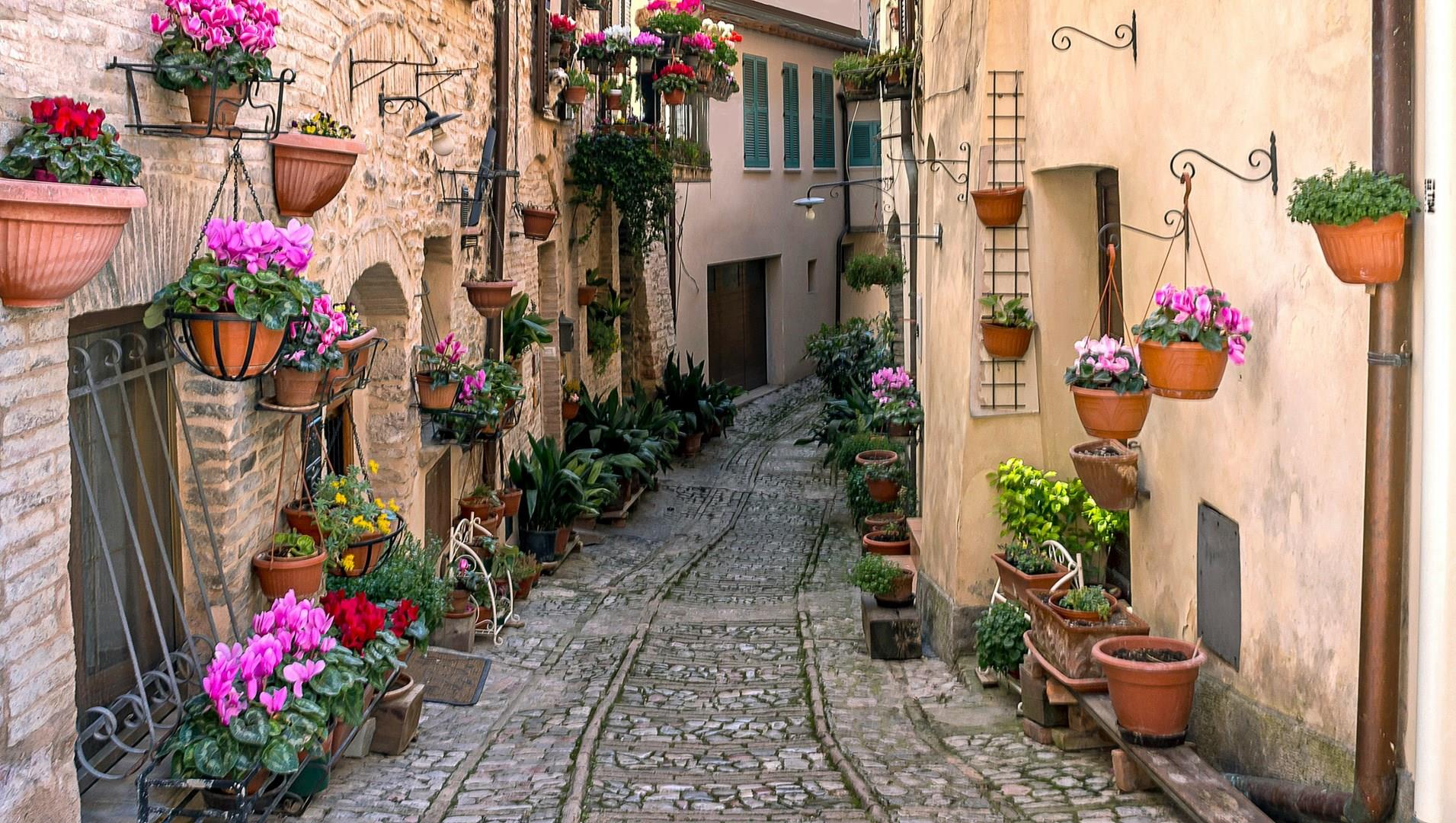
Spello
Spello sits high on the slopes of Mount Subasio in the heart of Umbria, where visitors step into a place shaped by centuries of history. Each year, Spello’s streets become a living canvas during the Infiorate di Spello, a long-standing celebration tied to Corpus Christi. Residents work through the night before the feast to lay flower petals along the town’s main thoroughfares, creating patterns and images that stretch for over a mile.
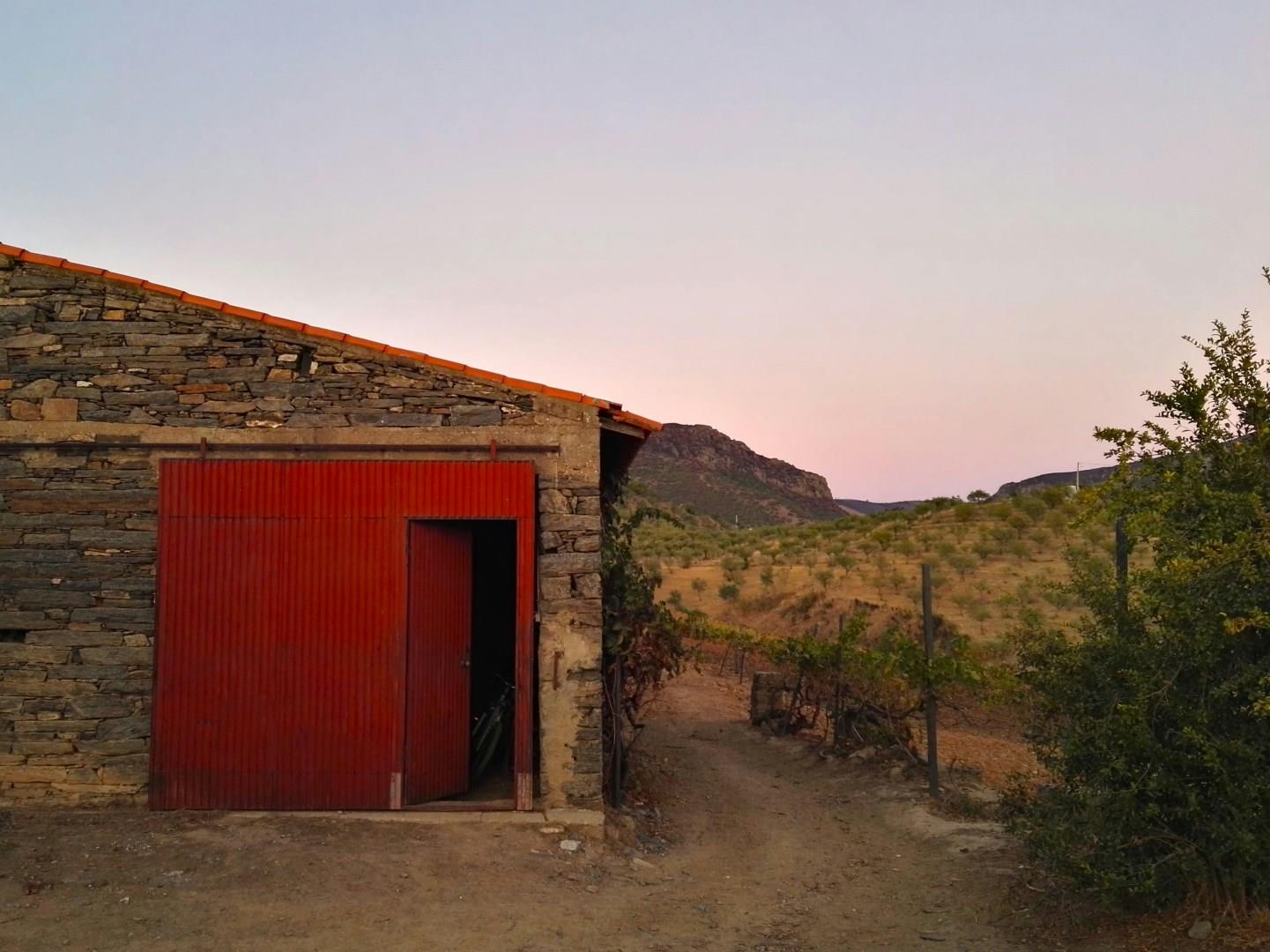
Barca d'Alva
Barca d'Alva sits quietly along the Douro River, right at Portugal’s eastern border with Spain. Once the final stop on the historic Douro railway line, this riverside village remains relatively untouched by mass tourism. The surrounding landscape filled with terraced vineyards, olive groves, and almond trees form part of the UNESCO-listed Alto Douro Wine Region.
