
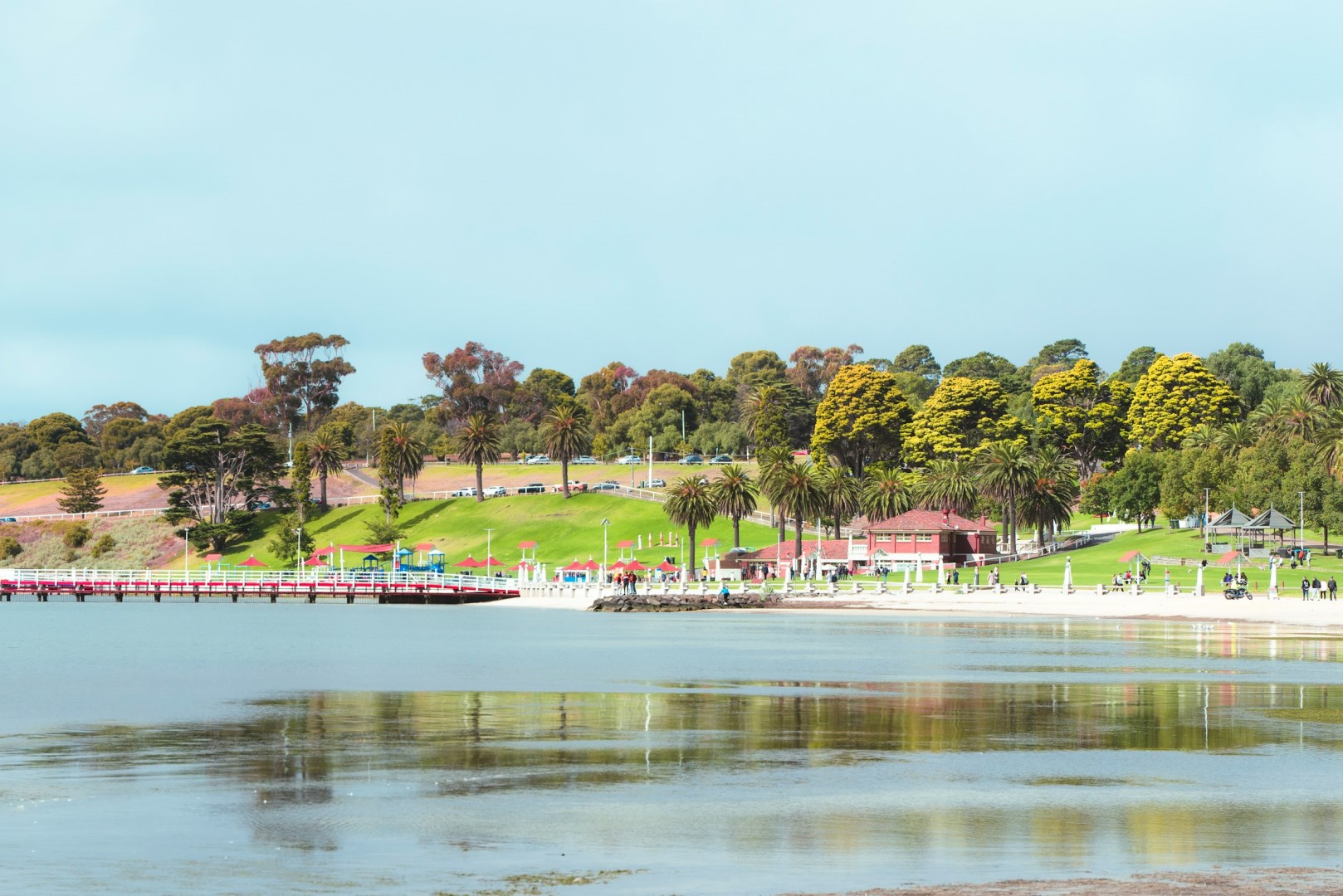
Geelong
Geelong, located on the southwestern shore of Port Phillip Bay in Victoria, Australia, is a vibrant regional city with a rich maritime and industrial heritage. Once a hub for wool export and manufacturing, Geelong has transformed into a center for arts, culture, and tourism while retaining its historical charm.
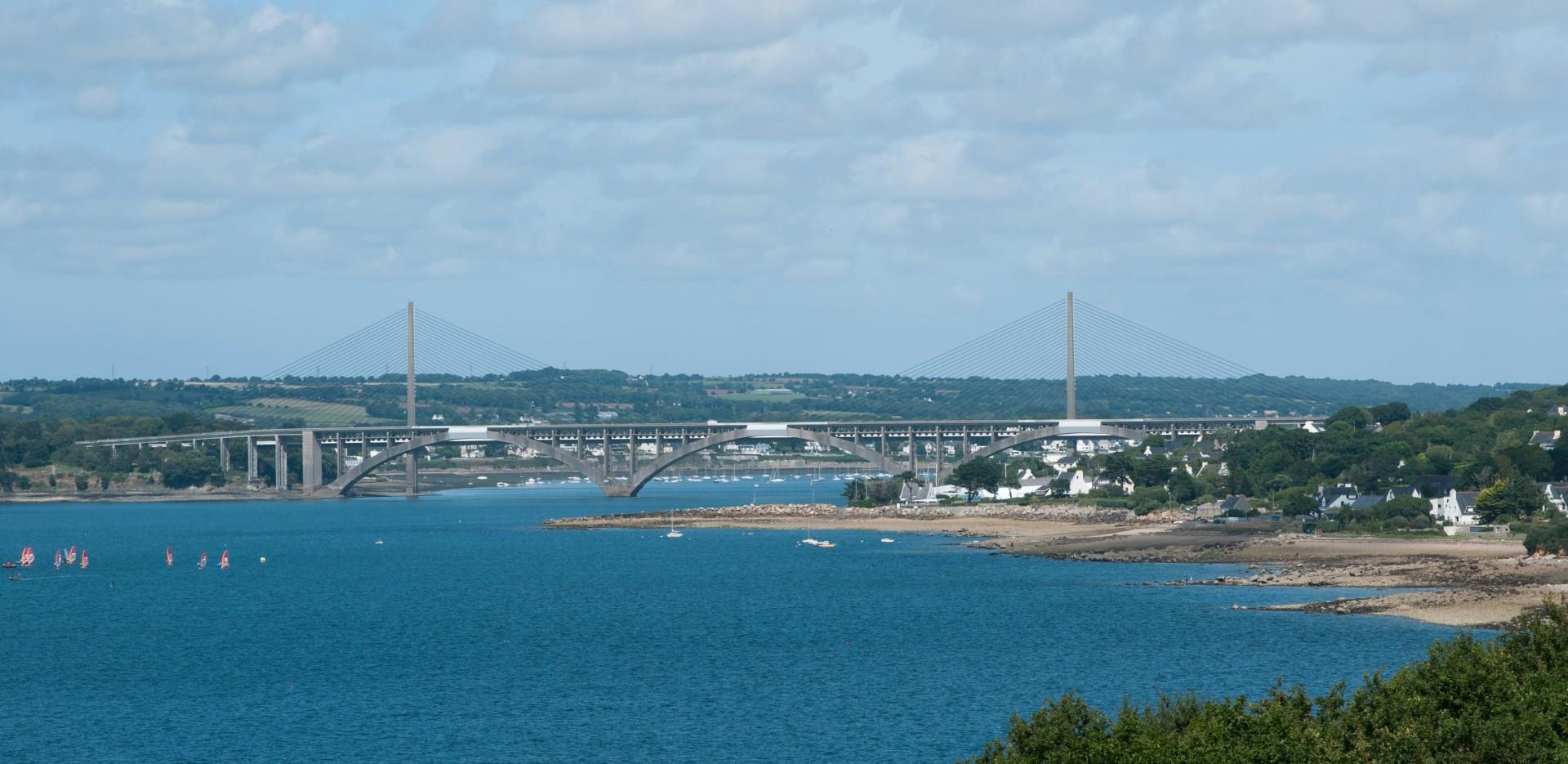
Brest
Brest sits at the western edge of Brittany, facing the Atlantic and shaped by its role as a strategic naval port. Much of the city was rebuilt after World War II, giving it a modern layout that contrasts with older Breton towns, yet its history remains closely tied to the sea.

Oregon
Oregon invites travelers to experience landscapes and stories that shift dramatically from one region to the next. In the south, Crater Lake National Park holds the title of deepest lake in the U.S., formed inside the remains of an ancient volcano. With its intense blue color and dramatic cliffs, the lake draws visitors year-round for hiking, snowshoeing, or simply standing in awe.
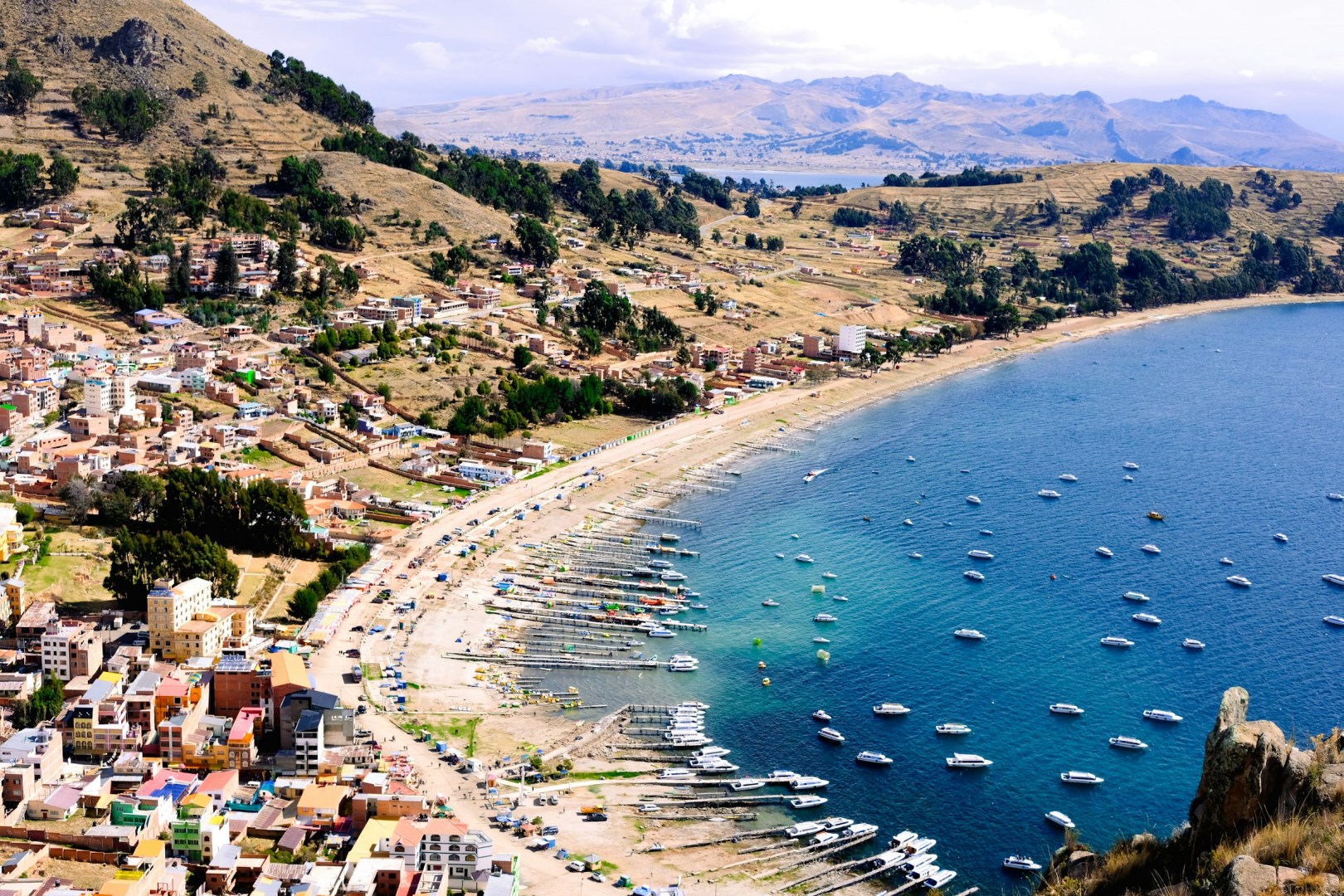
Copacabana
Copacabana is a lakeside town in western Bolivia, situated on the shores of Lake Titicaca near the Peruvian border. Its setting between the lake and the surrounding hills gives it a distinctive highland landscape, with views extending across the deep blue waters toward the distant mountains. Copacabana is one of Bolivia’s main gateways to Lake Titicaca and serves as a starting point for boat trips to Isla del Sol and nearby islands.
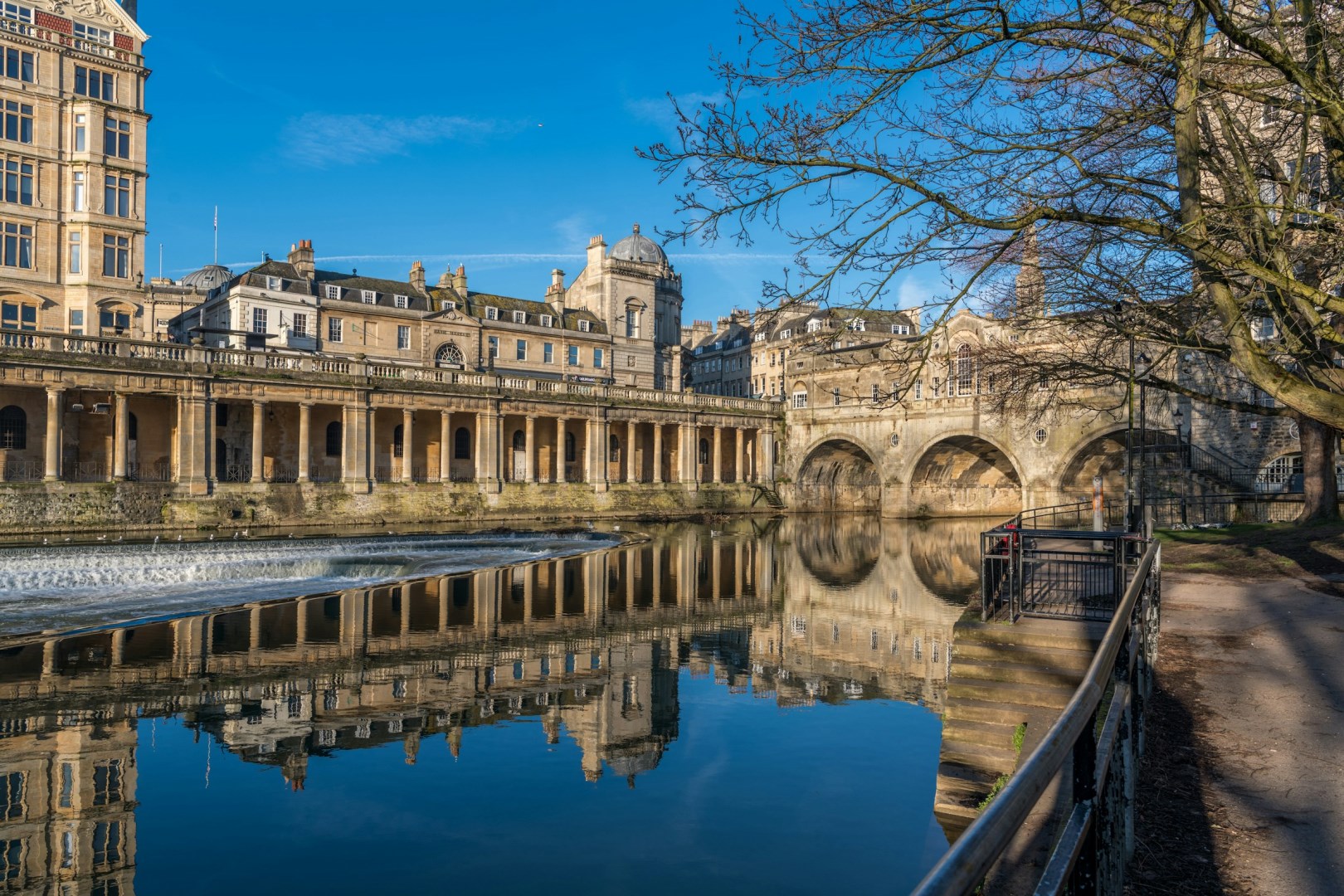
Bath
Bath is a city full of history and culture. Romans trekked many miles to bathe in the hot, soothing mineral waters of the Roman Bath. Majestic art collections were contributed to Bath from many different civilizations. The fan-vaulting at Bath Abbey has 614 memorial tablets that creates an extensive mural cenotaph to the people that contributed to the grandeur of Bath.
