

Saint Andrews
Saint Andrews, a picturesque town on Scotland's east coast, is a captivating blend of history, culture, and natural beauty. Known as the "Home of Golf," it is celebrated worldwide for its historic Old Course, one of the oldest golf courses in the world, dating back to the early 15th century. Golf enthusiasts will find a pilgrimage to the iconic Swilcan Bridge or the 18th hole of the Old Course to be an unforgettable experience.
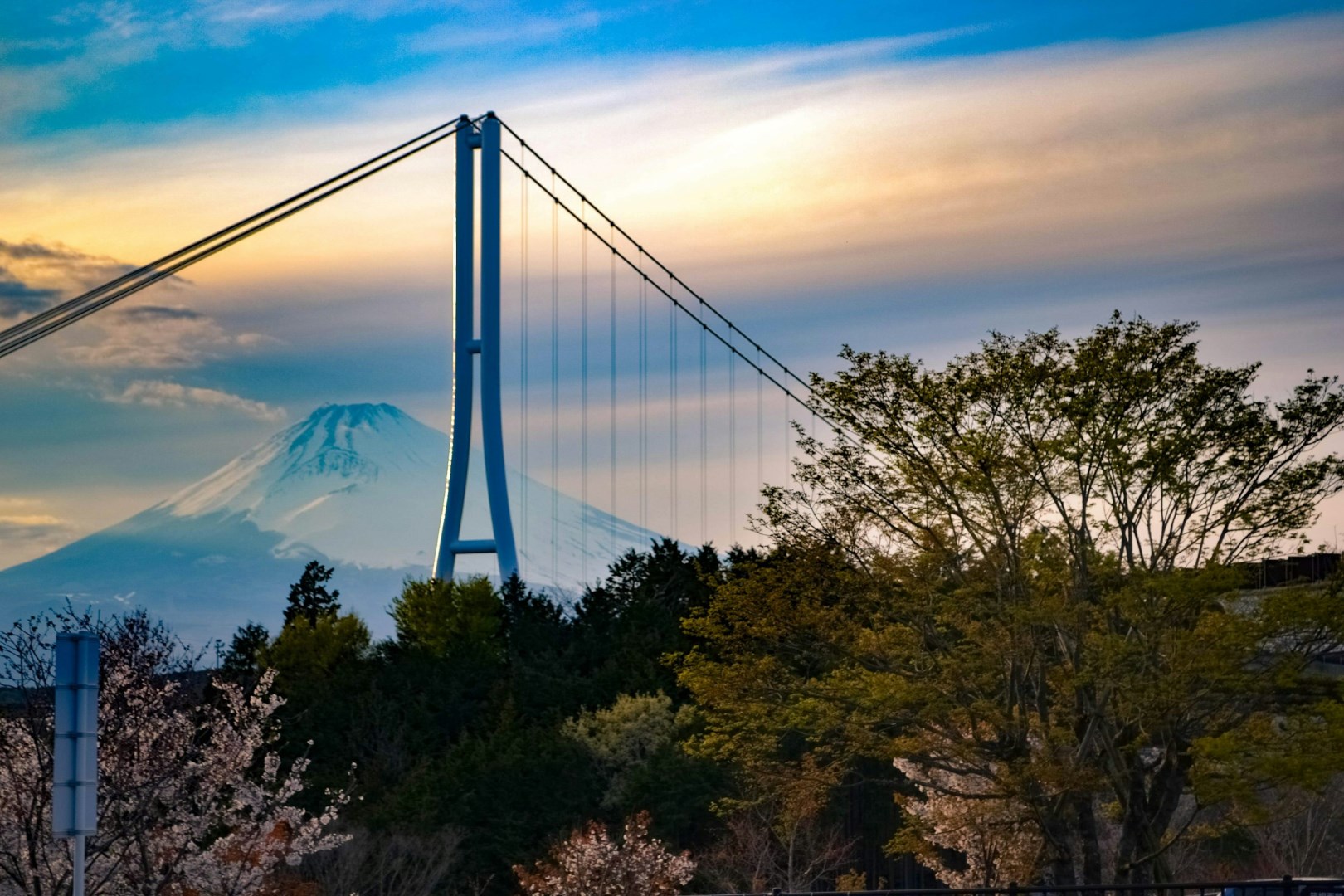
Mishima
Mishima is a city in eastern Shizuoka Prefecture, located at the northern end of the Izu Peninsula near the foot of Mount Fuji. The city is closely connected with the abundant spring water that flows from the mountain through its urban landscape. Rivers, canals, ponds, and walking paths give Mishima a distinctive relationship with water, while its location provides access to both the Izu Peninsula and the Mount Fuji area.
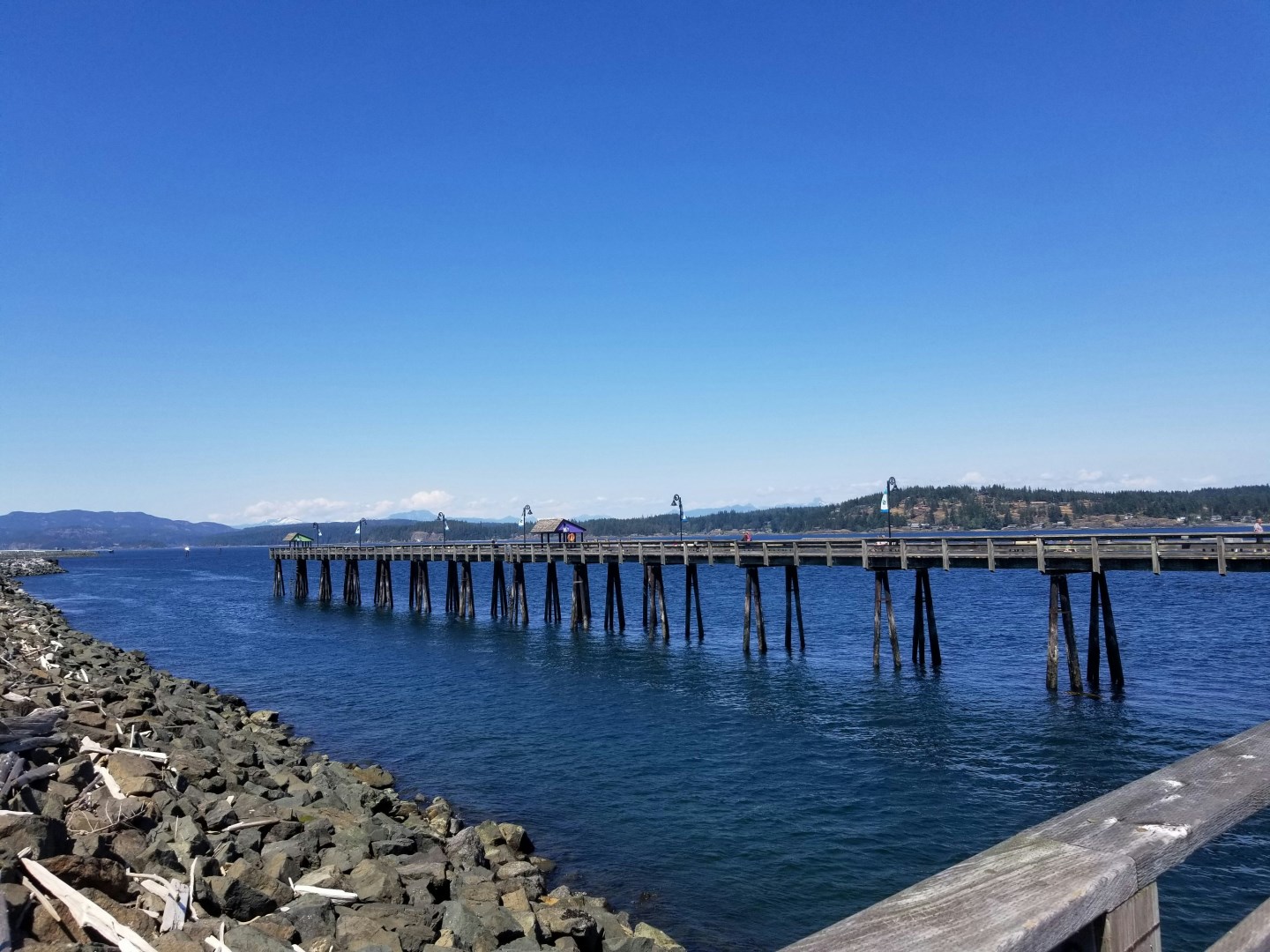
Campbell River
Campbell River is a coastal city on the eastern side of Vancouver Island in British Columbia, positioned where the Strait of Georgia meets the Discovery Passage.

Caye Caulker
Caye Caulker lies off the coast of Belize, a small island that was once a quiet fishing village and today still feels wonderfully uncrowded compared to many Caribbean destinations. Its name likely comes from an English twist on “Hicaco,” the old Spanish name meaning coco plum, a nod to the island’s early days and bilingual roots.

Orlando
Orlando, Florida, is a theme park lover's paradise! Home to family favorites like Walt Disney World® Resort, SeaWorld® Orlando, and Universal Orlando™ Resort, there's endless opportunity for adventure and entertainment in sunny Orlando. Golfers will enjoy hitting the links at one of the many golf courses and clubs sprinkled throughout the city.
