

Las Vegas
Las Vegas, Nevada, is an electrifying city where glitz and glamour meet entertainment and excitement. Known as "The Entertainment Capital of the World," Las Vegas offers an unparalleled array of attractions, from its iconic casinos and luxurious hotels to its world-class dining and live shows. The city's entertainment scene is second to none, featuring legendary headliners, cutting-edge performances, and an array of themed attractions.

Great Barrier Reef
The Great Barrier Reef stretches along Australia’s northeast coast, forming the largest coral reef system on Earth and one of the planet’s most complex living ecosystems.
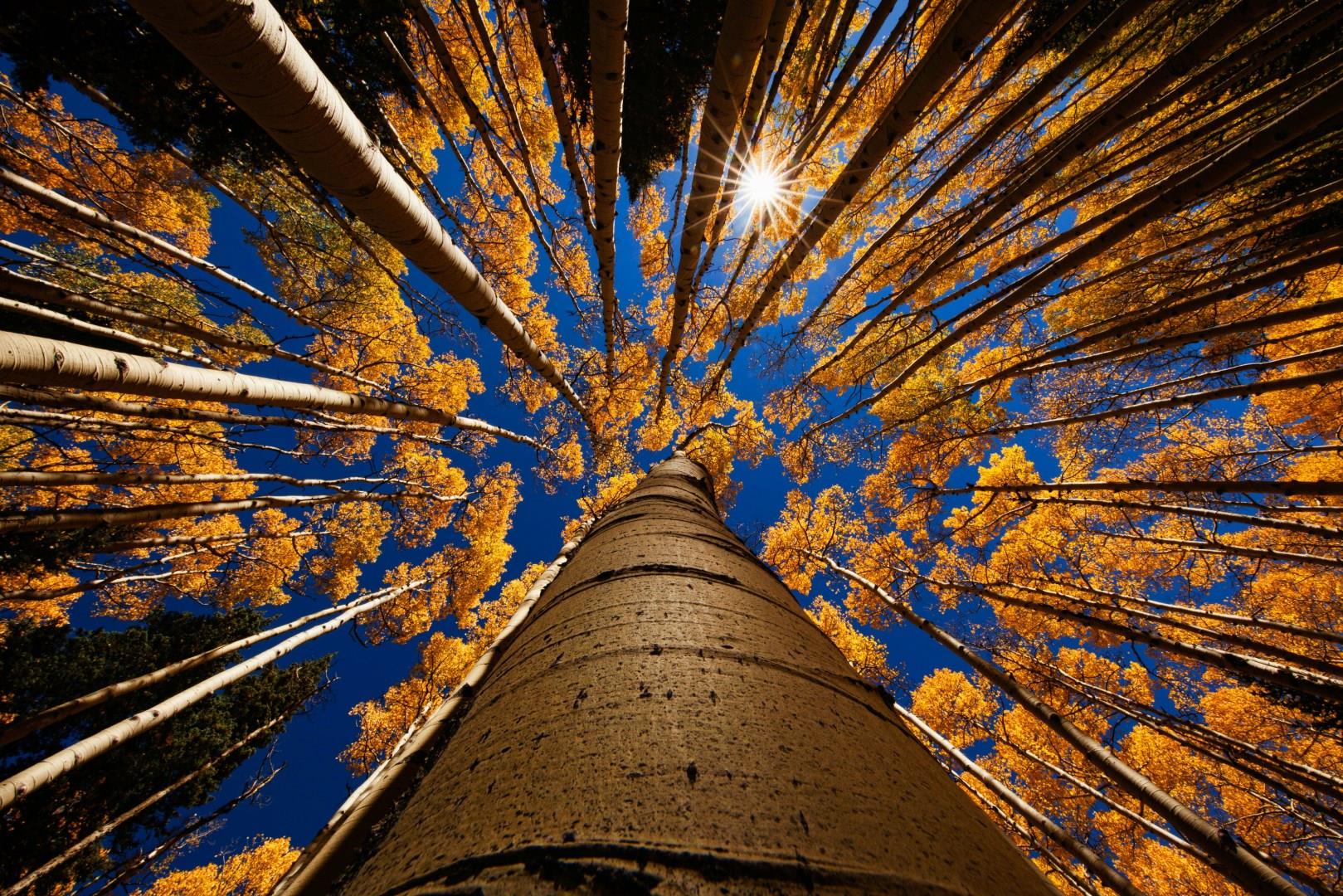
Flagstaff
Flagstaff, Arizona, is a mountain town that perfectly blends the charm of a small community with the excitement of outdoor adventure and rich cultural experiences. Nestled at the base of the San Francisco Peaks, Flagstaff serves as a gateway to some of the Southwest's most iconic landscapes, including the Grand Canyon, which is just a short drive away.
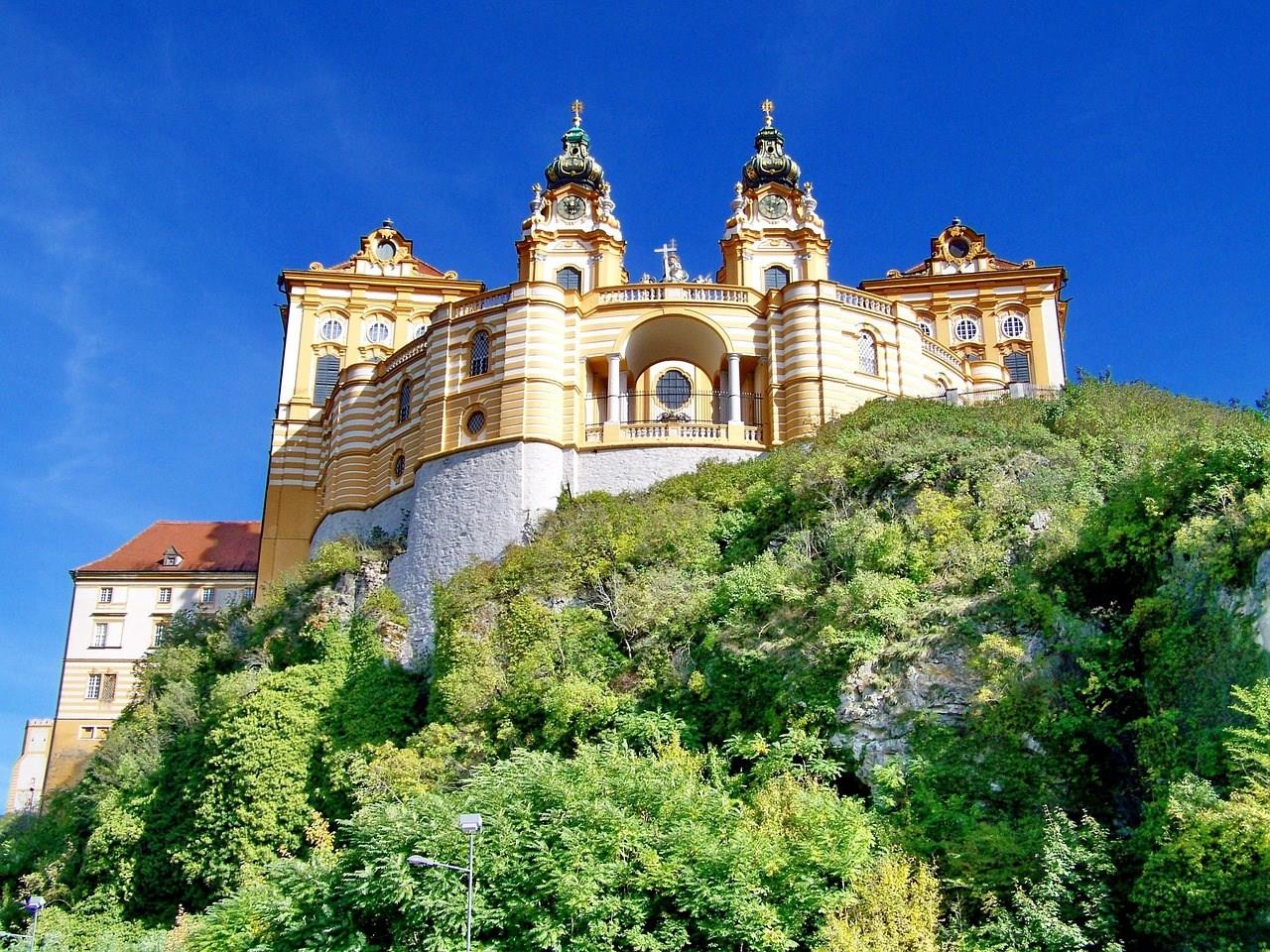
Wachau Valley
Austria’s Wachau Valley is a scenic stretch of the Danube River between Melk and Krems, known for its terraced vineyards, medieval towns, and a deep sense of history.

Wurzburg
Raise a glass and toast Würzburg, an enchanting, Franconian wine-producing area on the Main River, and one of Germany's oldest cities. Wine bars and cellars abound here, but there's also plenty of wonderful history and striking Baroque and rococo architecture to behold.
