

Caye Caulker
Caye Caulker lies off the coast of Belize, a small island that was once a quiet fishing village and today still feels wonderfully uncrowded compared to many Caribbean destinations. Its name likely comes from an English twist on “Hicaco,” the old Spanish name meaning coco plum, a nod to the island’s early days and bilingual roots.
Devon
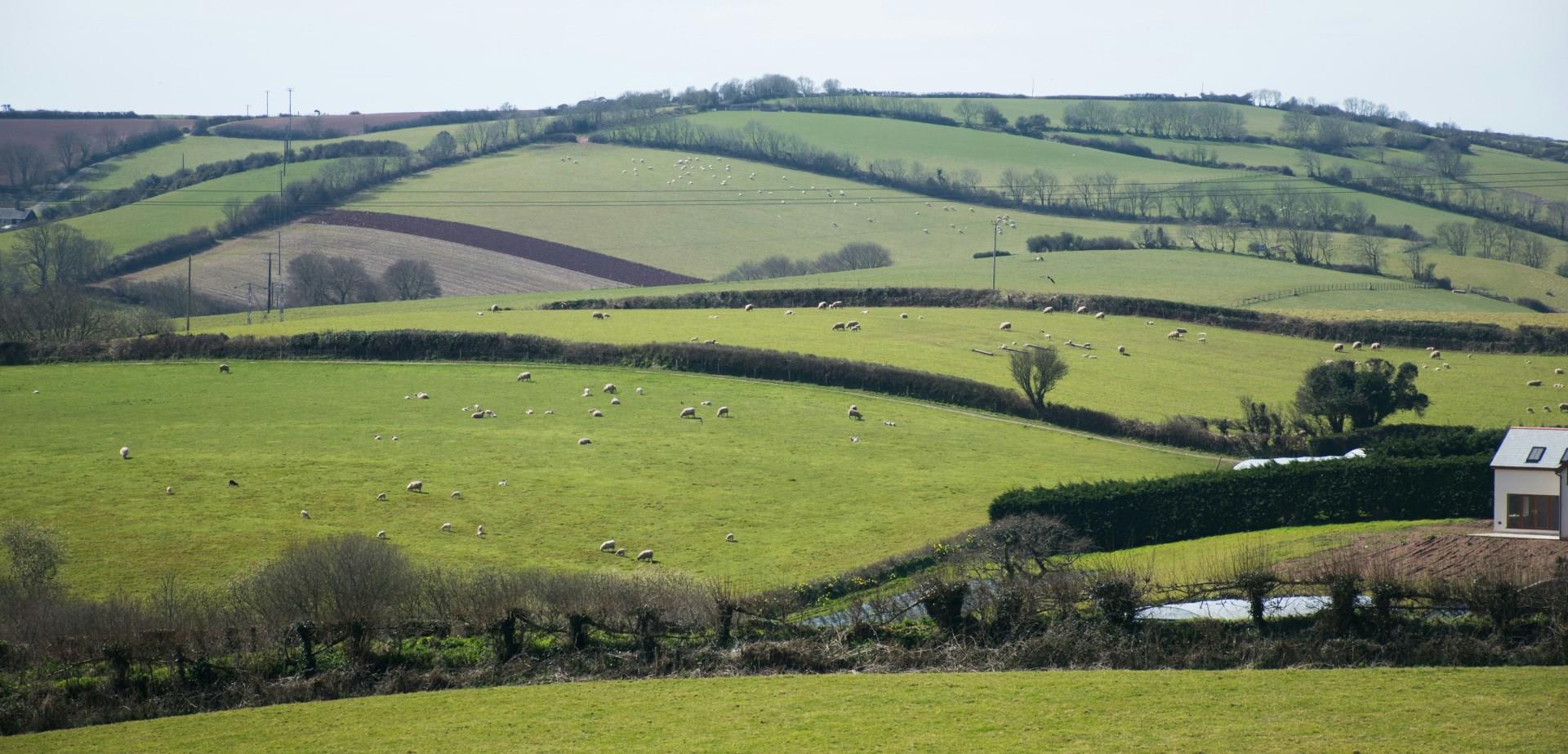
Devon occupies England’s southwest peninsula, a county shaped by seafaring, farming, and long continuity of settlement. Its history stretches from prehistoric sites on Dartmoor through Roman roads and medieval ports to towns that grew wealthy on trade and shipbuilding.
Cederberg
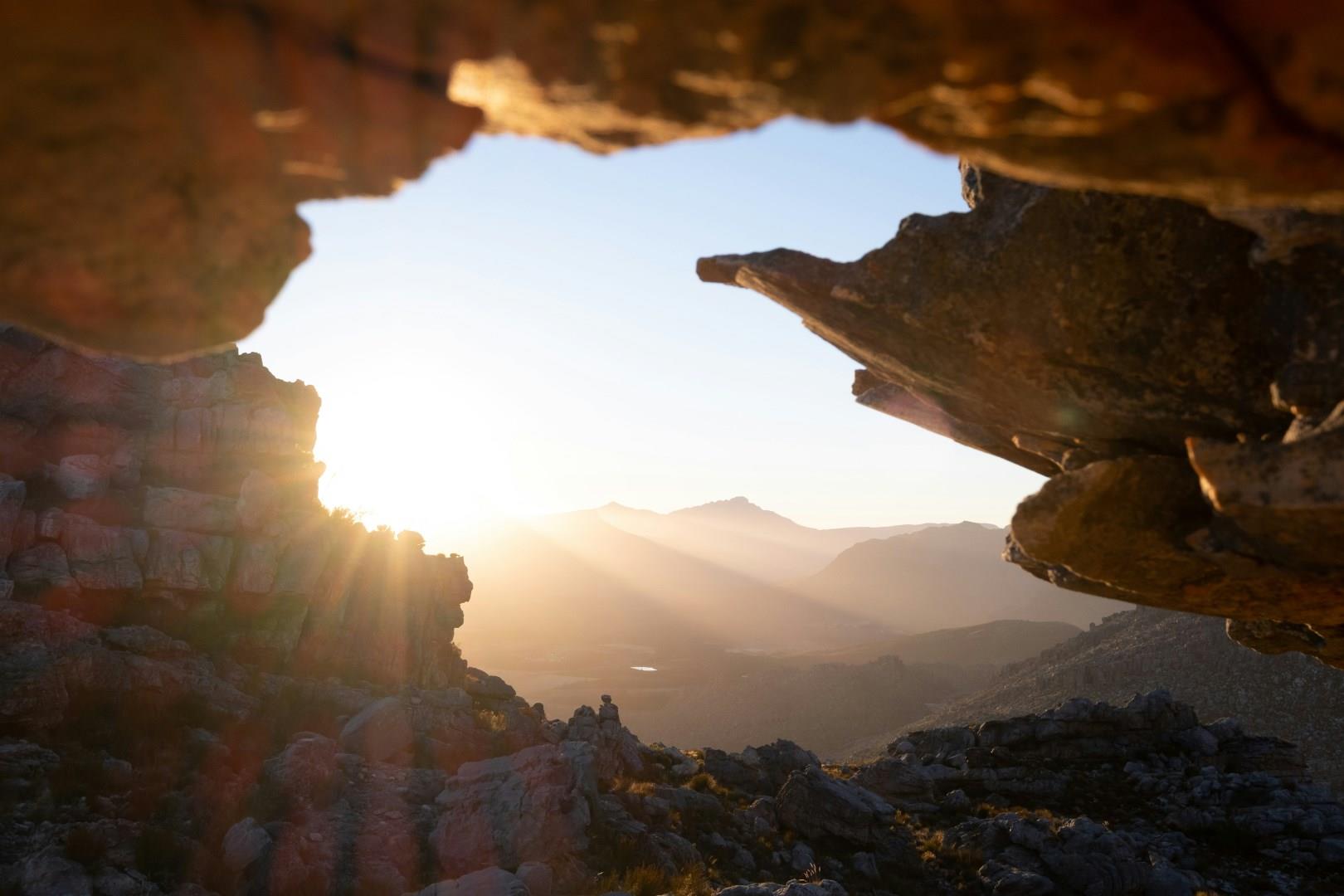
The Cederberg region in the Western Cape of South Africa is a striking land of rocky ridges, wide skies, and quiet valleys. Less than three hours’ drive from Cape Town, the jagged sandstone mountains rise in shapes that seem carved by giants, and shady kloofs hide wonders like ancient rock art that tell stories from thousands of years ago. Hikes to natural landmarks like Wolfberg Arch and the Maltese Cross take visitors deep into terrain shaped by time.
Santa Cruz Island
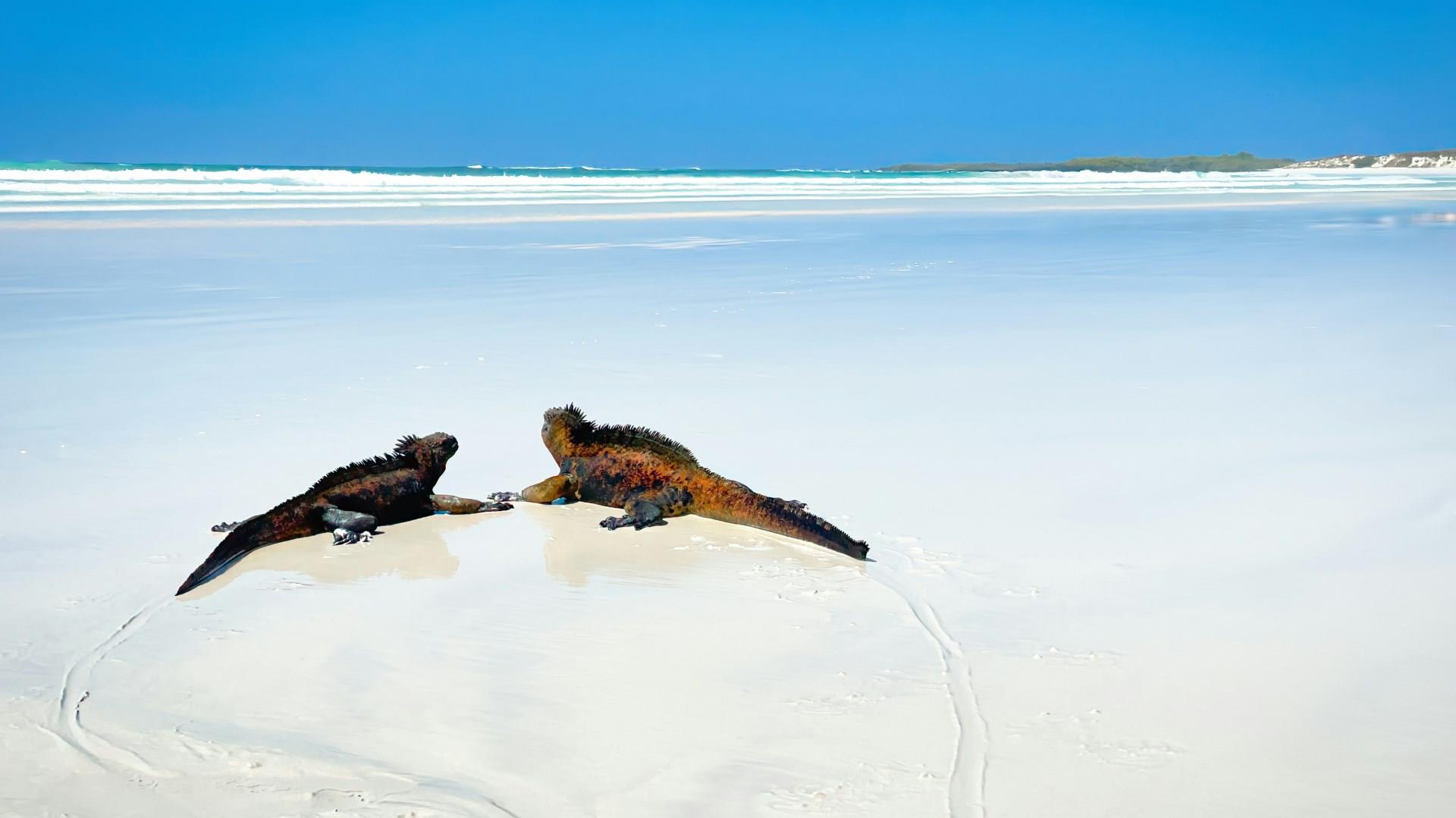
Santa Cruz Island is the beating heart of the Galápagos and is home to the largest town in the archipelago, Puerto Ayora, and a key access point for travelers exploring this unique region. But beyond its small port and shops, the island reveals a surprising range of ecosystems, from black lava shores to lush highlands where giant tortoises roam freely.
Marigot Bay
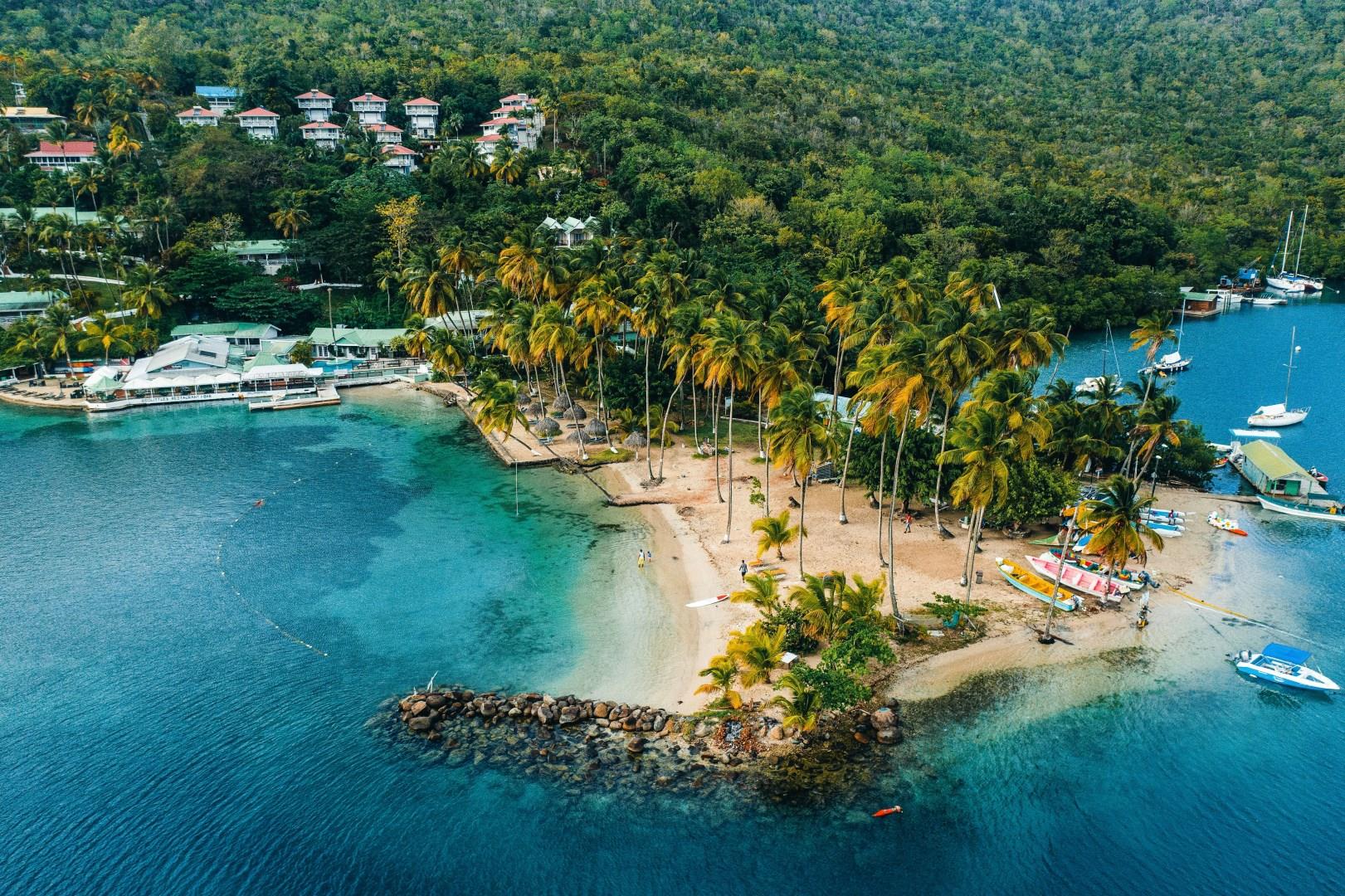
Marigot Bay, located on the western coast of Saint Lucia, is often regarded as one of the Caribbean’s most picturesque natural harbors. Enclosed by lush green hills and swaying palms, the bay has long drawn sailors, writers, and filmmakers.
