

Freiburg
Freiburg was founded by the Dukes of Zähringen in 1120, and the layout of streets and squares of the rapidly prospering metropolis is still impressively reflected in today's cityscape.
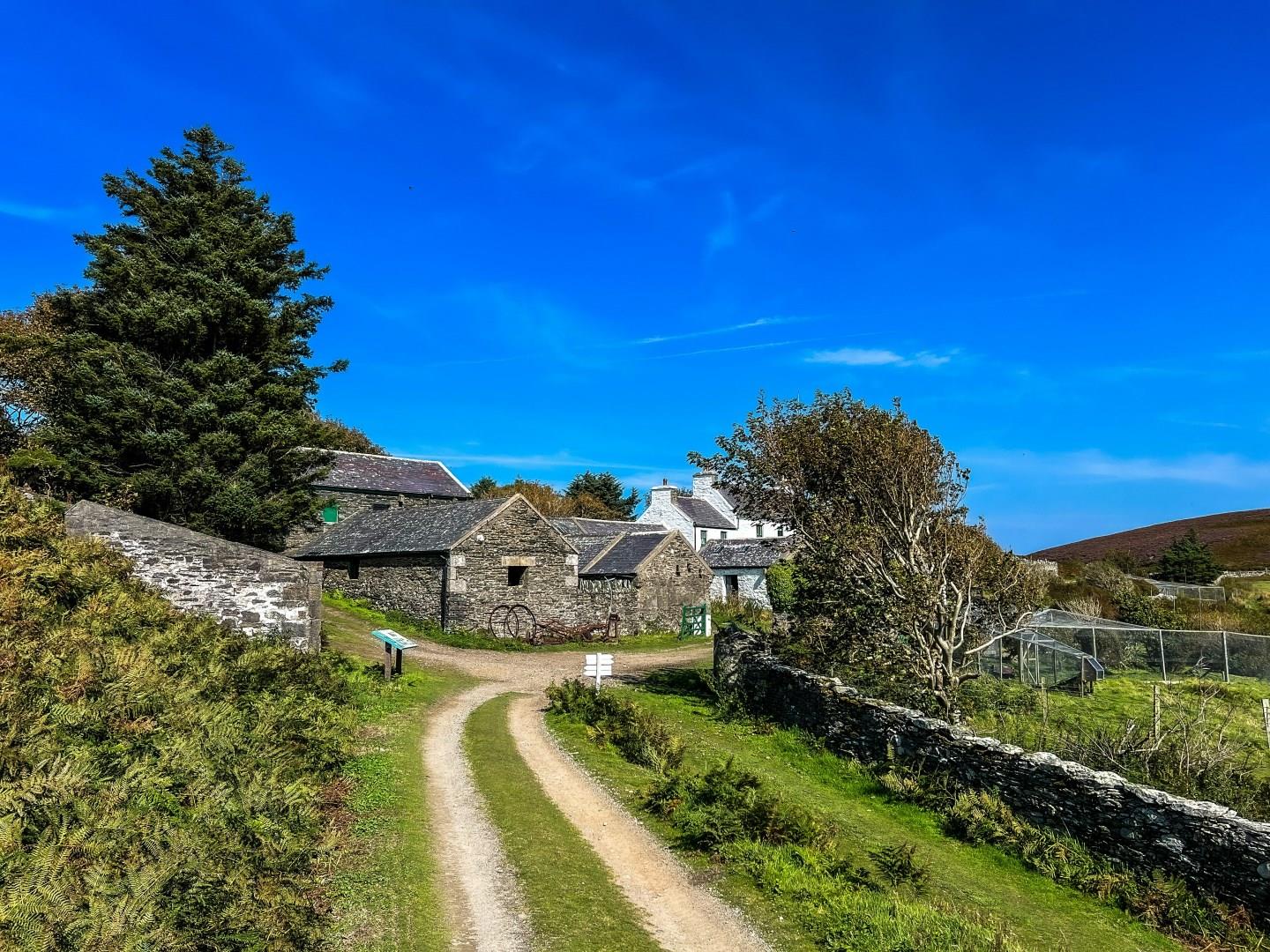
Calf of Man
The Calf of Man, a small island off the southwest coast of the Isle of Man, offers a rare glimpse into a quieter side of the Irish Sea. Covering just over 260 acres, this uninhabited island is known primarily for its rich birdlife and dramatic coastal cliffs. Visitors often arrive by boat from nearby Port Erin, embarking on guided tours that reveal the island’s importance as a bird sanctuary.

Albany
Albany is the oldest European settlement in Western Australia and was a major whaling station, and coal shipping port. There are fantastic views over the town of Albany, and the fantastic coastal scenery from the top of both Mt Clarence and Mt Melville.

South Georgia
Remote, windswept, and bursting with wildlife, South Georgia is a sub-Antarctic island that surprises nearly everyone who steps ashore. Though uninhabited by civilians, the island hosts a small British research station and welcomes visitors via expedition cruises. What draws people here is not luxury or convenience, but the scale of its wildness.

Mostar
Mostar, a picturesque city in Bosnia and Herzegovina, offers a captivating blend of history, culture, and natural beauty. Renowned for its iconic Stari Most (Old Bridge), this 16th-century Ottoman structure arches gracefully over the Neretva River, symbolizing the city’s historical role as a bridge between East and West.
