
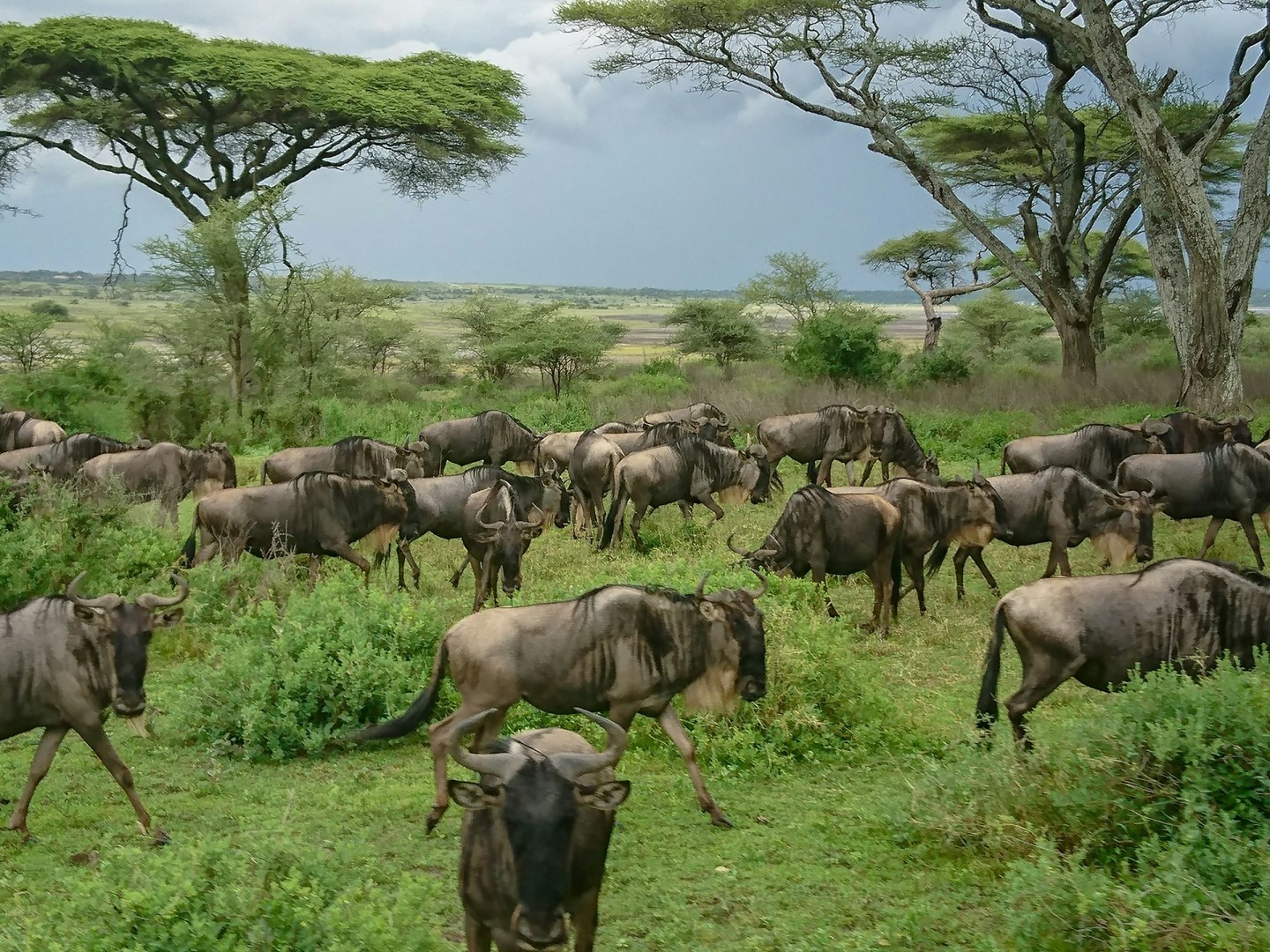
Ndutu Lake
Lake Ndutu is a shallow seasonal soda lake in northern Tanzania, within the Ngorongoro Conservation Area near the southern edge of the Serengeti ecosystem. The lake sits among open short-grass plains, acacia woodland, and other seasonal wetlands, creating a varied landscape for wildlife. Although relatively small, Lake Ndutu is part of a much larger ecological area where the plains of the southern Serengeti meet the Ngorongoro highlands.

Dominica
Dominica, known as the “Nature Island of the Caribbean,” is a haven for eco-tourists and adventure seekers. Nestled between the French islands of Guadeloupe and Martinique, this lush island boasts a remarkable landscape of volcanic mountains, dense rainforests, and stunning waterfalls. Dominica’s most iconic natural wonder is the Boiling Lake, the second-largest hot spring in the world.
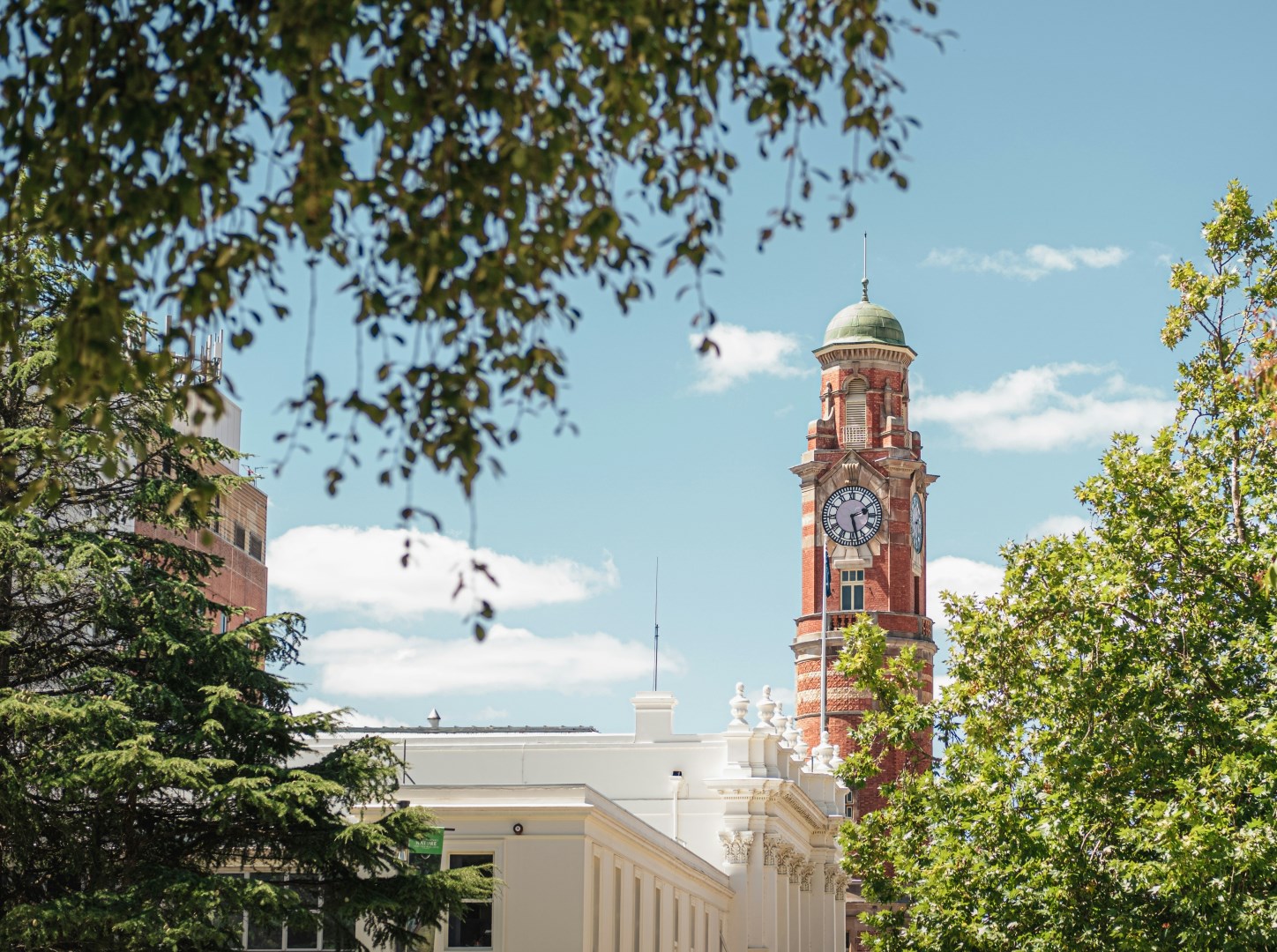
Launceston Tasmania
Launceston is a city in northern Tasmania, Australia, positioned where the Tamar, North Esk, and South Esk rivers meet. It serves as one of the island’s main urban centers and is known for its well-preserved streetscapes, public parks, and proximity to agricultural regions.
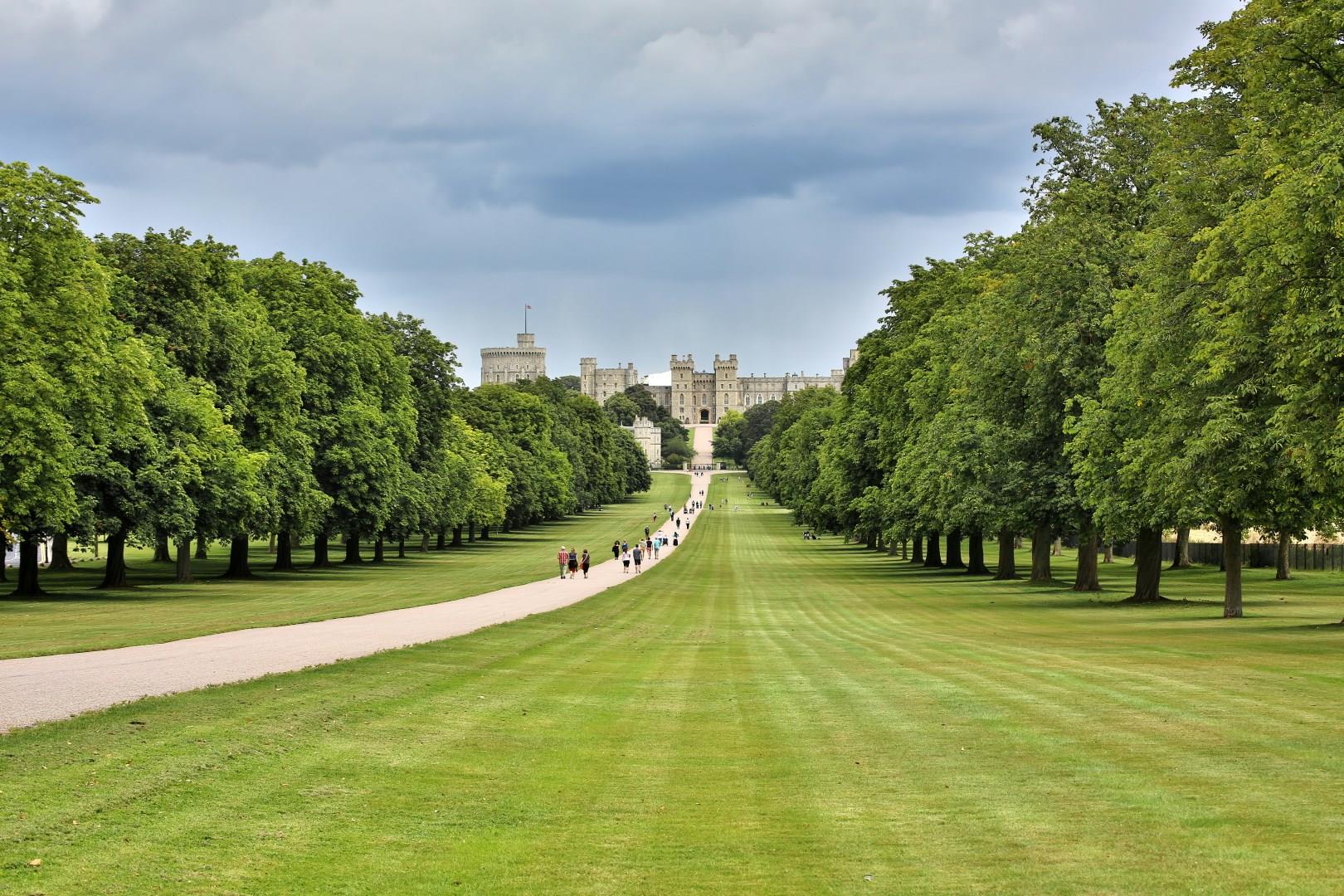
Windsor
Windsor sits along a bend in the River Thames, its identity shaped by nearly a thousand years of royal presence. Windsor Castle, the world’s oldest continuously inhabited royal residence, dominates the town and anchors its historical significance, but the surrounding streets and parks reveal a place that has long supported court life, trade, and everyday routines alongside ceremony.
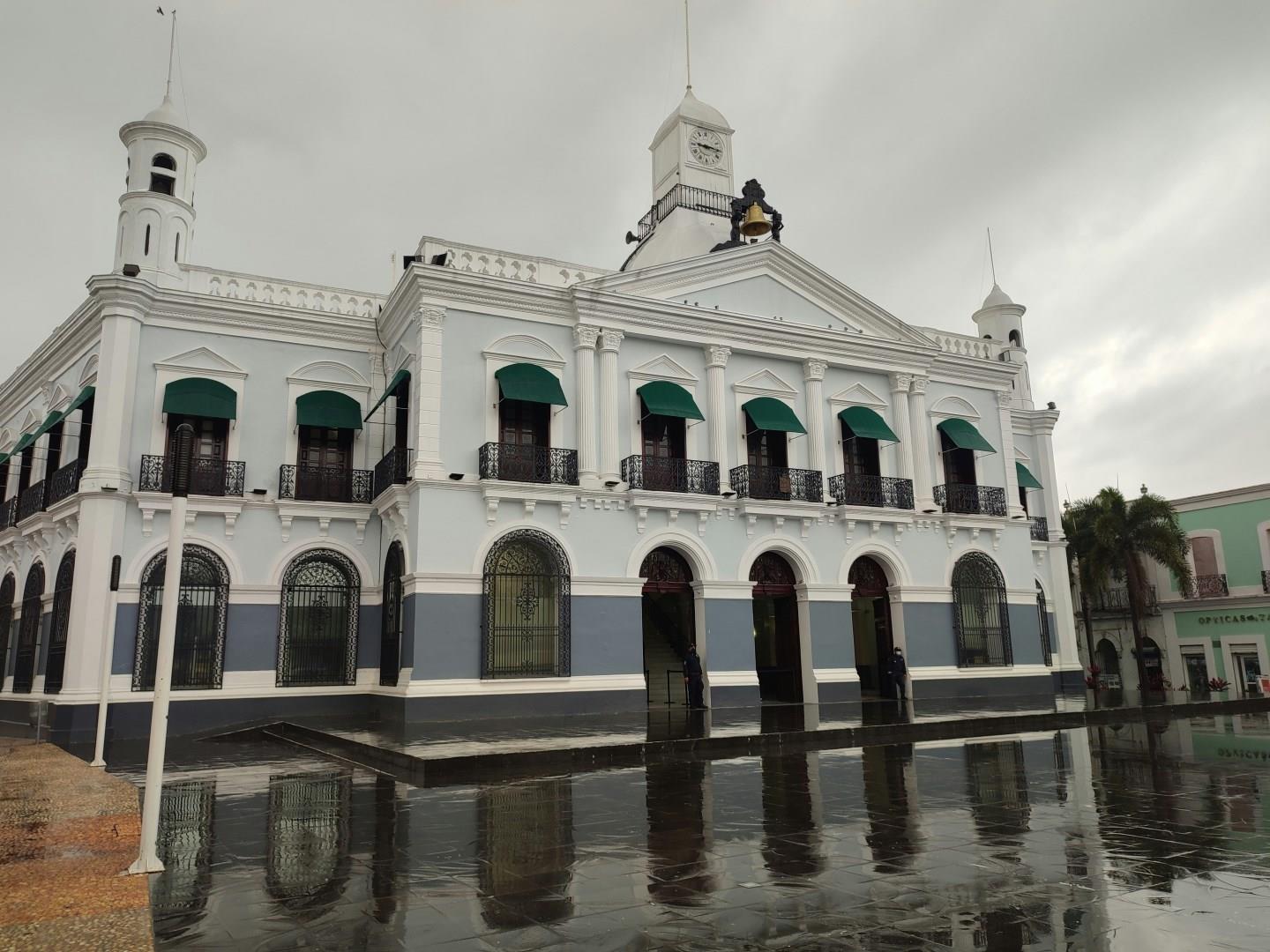
Villahermosa
Villahermosa, the capital of Tabasco, is a city where ancient civilizations, tropical landscapes, and modern life intersect. Known as the “gateway to the Mayan world,” the city sits on the banks of the Grijalva River and serves as a cultural hub for southeastern Mexico. One of its most unique attractions is Parque-Museo La Venta, an open-air museum that blends archaeology with a jungle setting.
