

Pompeii
Pompeii, Italy, is a mesmerizing time capsule that invites travelers to step back into the world of ancient Rome. Once a thriving city, Pompeii was abruptly buried under volcanic ash and pumice following the catastrophic eruption of Mount Vesuvius in 79 AD. This tragic event preserved the city in remarkable detail, allowing visitors today to walk the cobbled streets and witness a snapshot of Roman life, from grand villas and bathhouses to bakeries and amphitheaters.
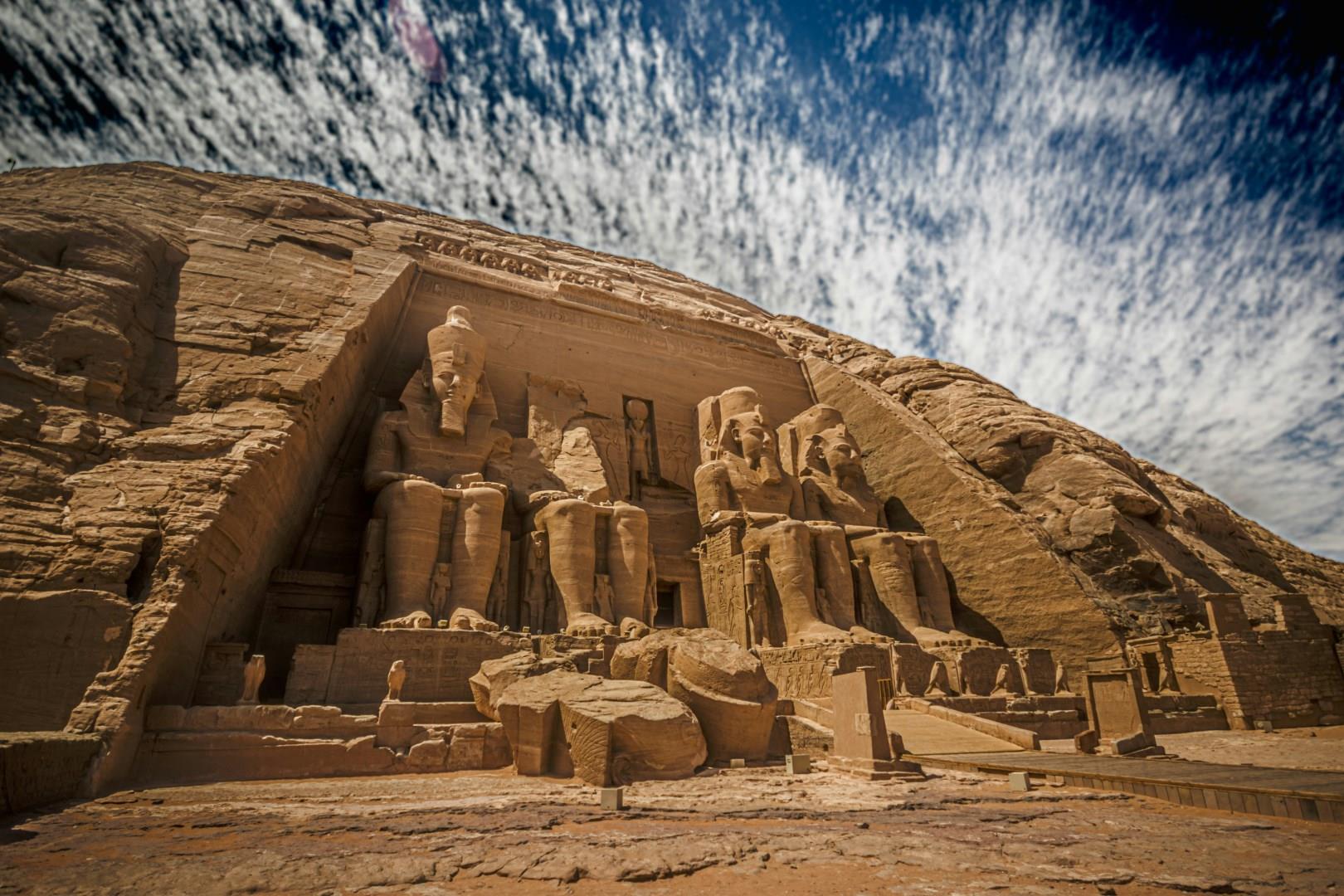
Abu Simbel
Abu Simbel, in southern Egypt near the border with Sudan, is one of the most awe-inspiring archaeological sites of the ancient world.
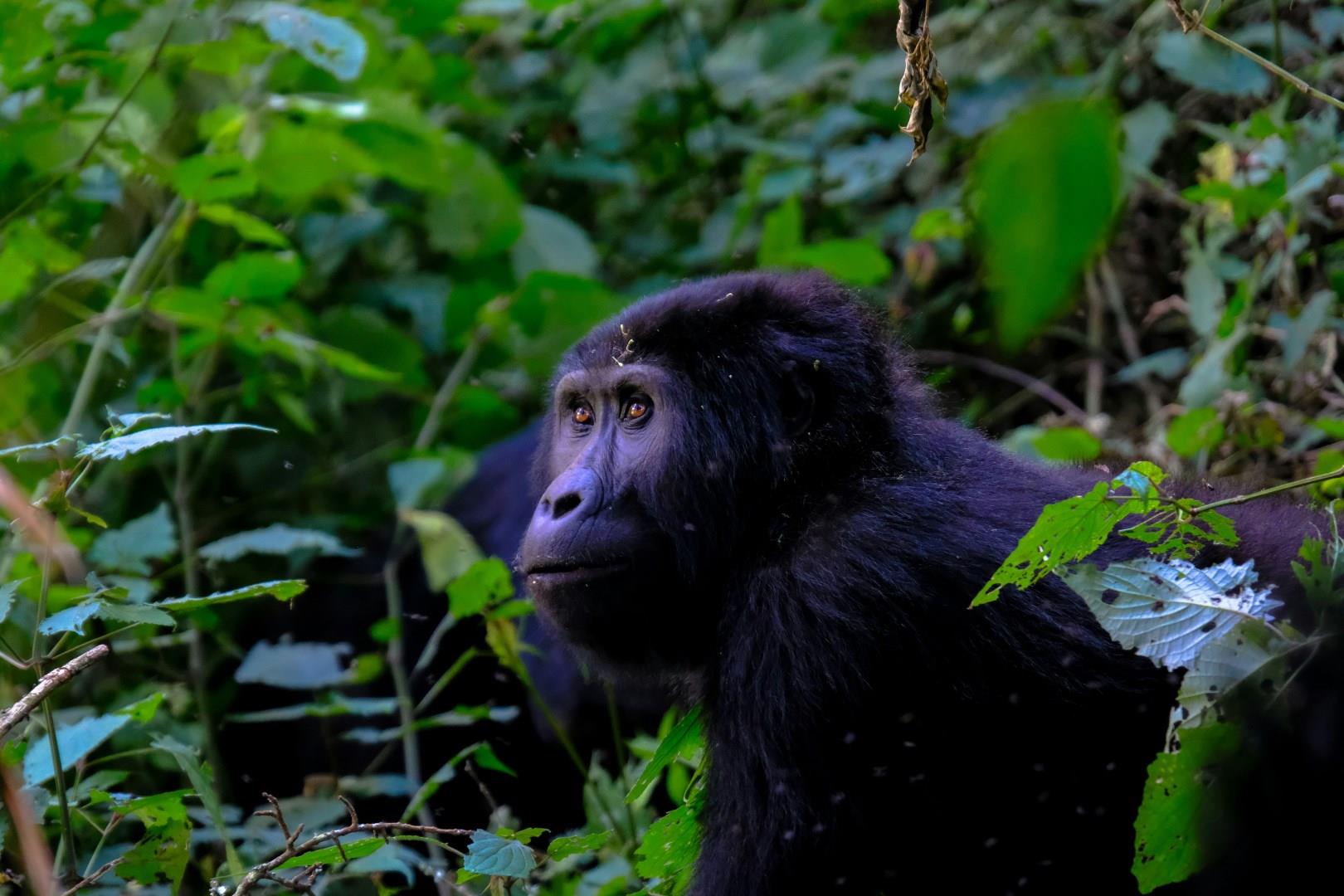
Kisoro
Kisoro is a small town in southwestern Uganda, set in the highlands near the borders of Rwanda and the Democratic Republic of the Congo. It serves as an important gateway to the Virunga Mountains and has long been shaped by its position at the crossroads of cultures, trade routes, and protected landscapes.

Vis
Vis, a charming island city in Croatia's Dalmatian region, offers a serene retreat with its blend of historical allure and natural beauty. Known for its historical significance, Vis boasts remnants of its Greek and Roman past, including the well-preserved fortifications and ancient ruins. The city itself is a captivating blend of Venetian and Austro-Hungarian architecture, with quaint streets and lovely waterfronts that invite leisurely exploration.
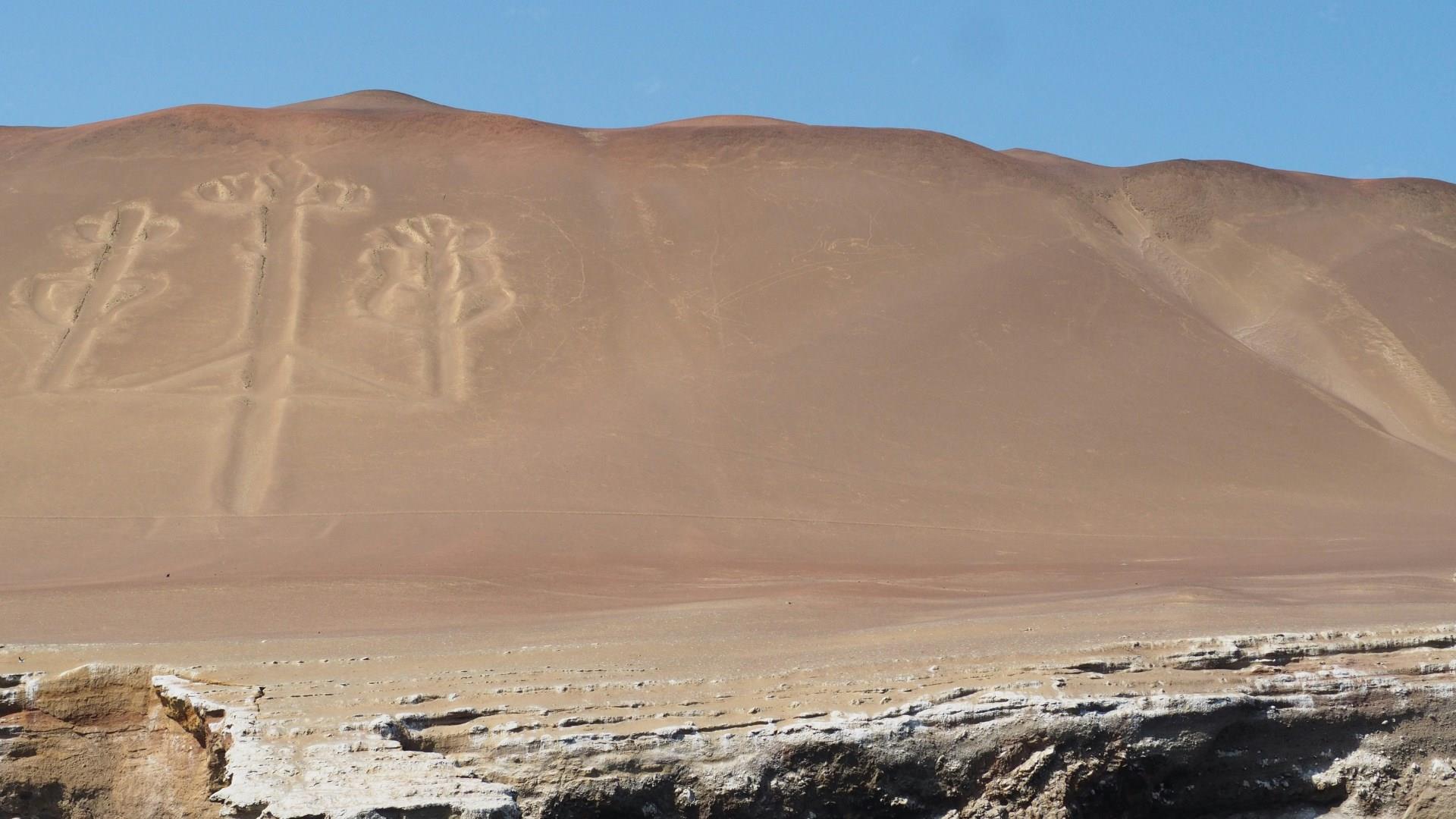
Paracas
Paracas, a small coastal town in southern Peru, offers a mix of desert landscapes, marine wildlife, and ancient history. Just three hours from Lima, it’s the gateway to the Paracas National Reserve, one of the country’s most important protected areas. This reserve includes both land and sea, making it home to dramatic cliffs, wind-carved rock formations, and waters where dolphins, sea lions, and Humboldt penguins are frequently seen.
