
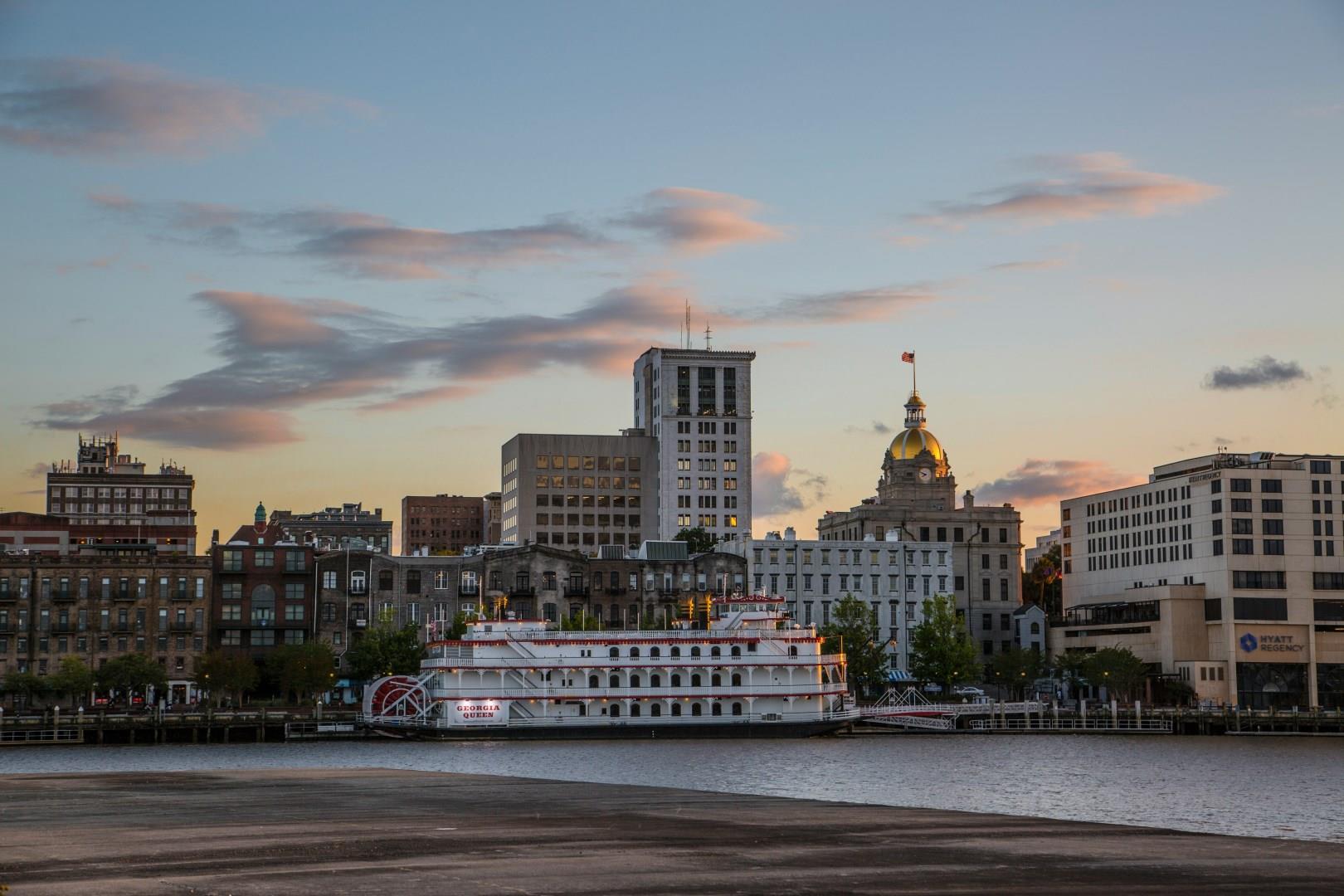
Savannah
Savannah, Georgia, is a city that moves at its own pace, shaded by moss-draped oaks and shaped by centuries of stories. Founded in 1733, it was Georgia’s first city and still wears its history proudly. Visitors walking through the Historic District will find cobblestone streets, hidden gardens, and 22 public squares, each with its own character.

Negril
Negril, Jamaica, offers an idyllic escape with its renowned Seven Mile Beach, a stretch of golden sand that is consistently ranked among the world's top beaches. The crystal-clear waters and gentle waves make it a perfect spot for swimming, snorkeling, and sunbathing. The beach is lined with vibrant beach bars and restaurants where visitors can enjoy local dishes and tropical drinks while soaking up the Caribbean ambiance.

Inverness
Inverness, the cultural capital of the Scottish Highlands, is a city where ancient history meets stunning natural beauty. Situated at the mouth of the River Ness, Inverness is often called the "Gateway to the Highlands" and serves as the perfect starting point for exploring Scotland's rugged landscapes and rich heritage. One of the city’s most iconic landmarks is Inverness Castle, perched on a hill overlooking the River Ness.

Monument Valley
Monument Valley, a majestic expanse on the Arizona-Utah border, is one of the most iconic landscapes of the American Southwest. Renowned for its towering red sandstone buttes and mesas that rise dramatically from the desert floor, this breathtaking site evokes the spirit of the Old West. Often depicted in classic Western films, the valley is best experienced along the 17-mile scenic drive that winds through Monument Valley Navajo Tribal Park, offering close-up views of famed formations like the
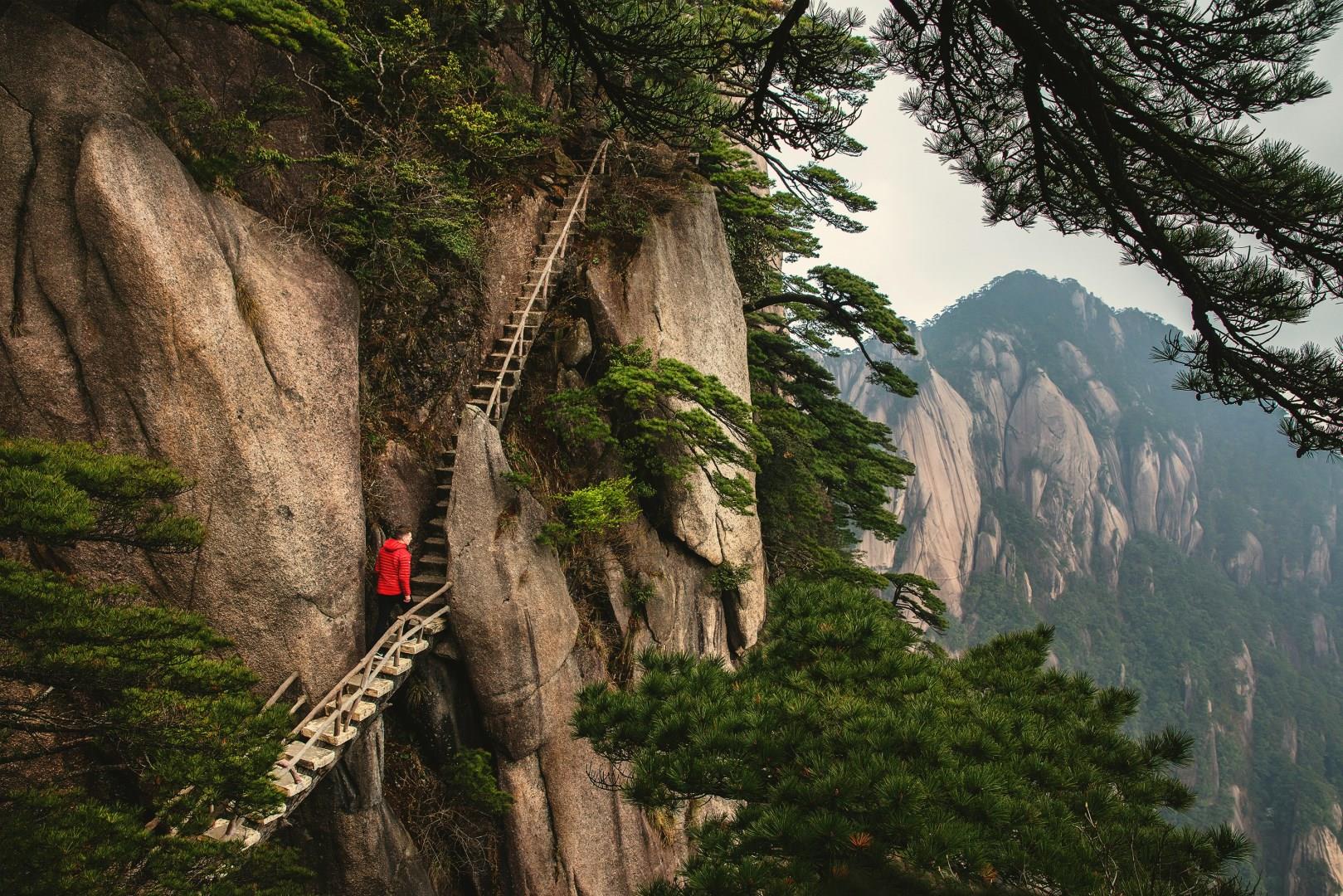
Huangshan
Huangshan, also known as the Yellow Mountains, is one of China’s most iconic and culturally significant mountain landscapes.
