

Amazon Jungle
Exploring the Amazon Jungle in Brazil is like venturing into the heart of a living, breathing world. The Amazon Rainforest, often referred to as the "lungs of the Earth," is a lush, sprawling expanse that teems with extraordinary biodiversity.

Copper River
Copper River, Alaska's fourth largest river travels from the dry interior climate to the temperate rainforest along Prince William Sound.
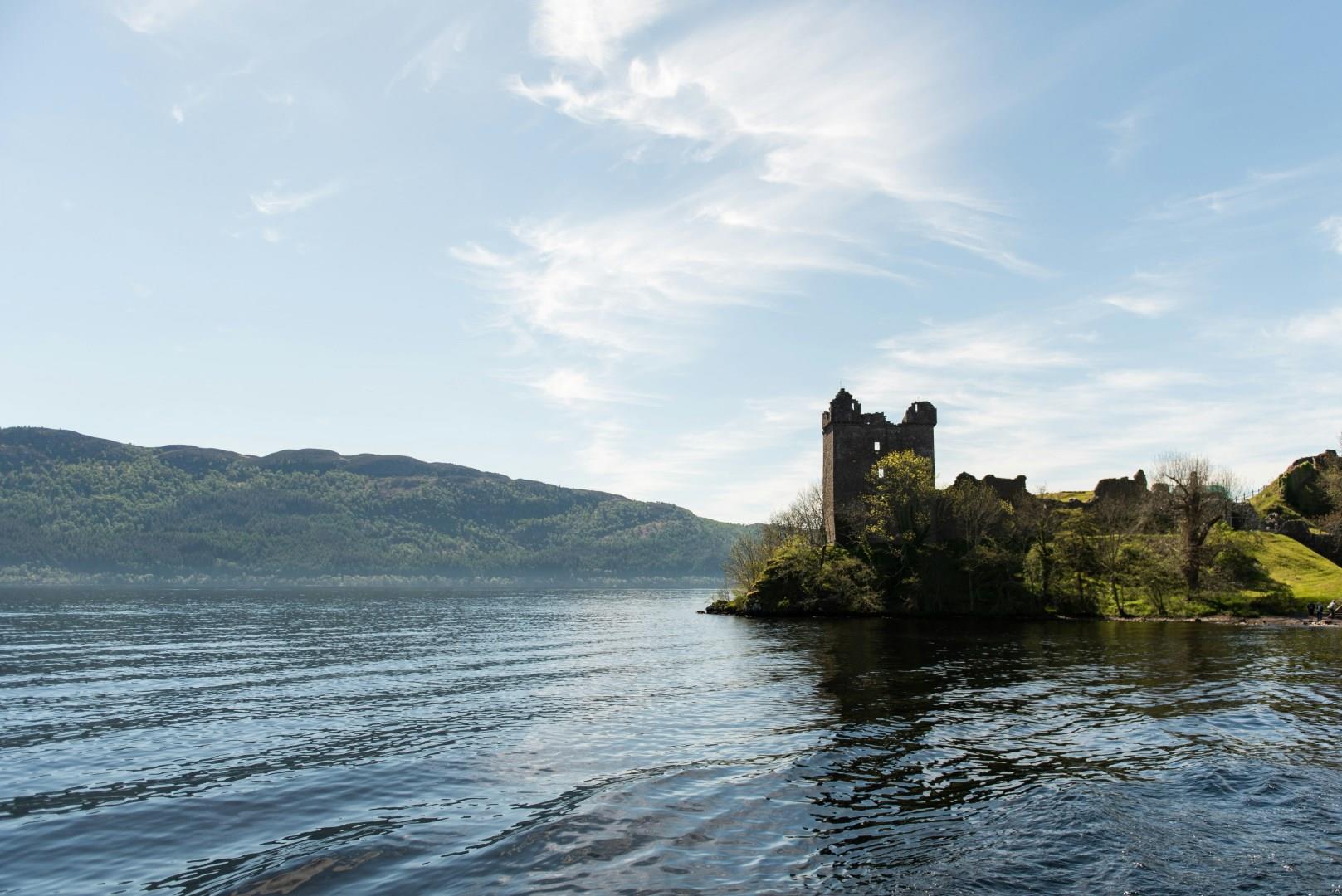
Loch Ness
Loch Ness stretches over 23 miles through the Scottish Highlands, holding more freshwater than all the lakes in England and Wales combined. Best known for its elusive resident, the so-called Loch Ness Monster, the loch has sparked international curiosity since the first modern "sighting" in 1933. While Nessie remains elusive, the surrounding landscape offers clear reasons to visit with steep hillsides, forested trails, and ancient ruins framing one of Scotland’s most iconic bodies of water.
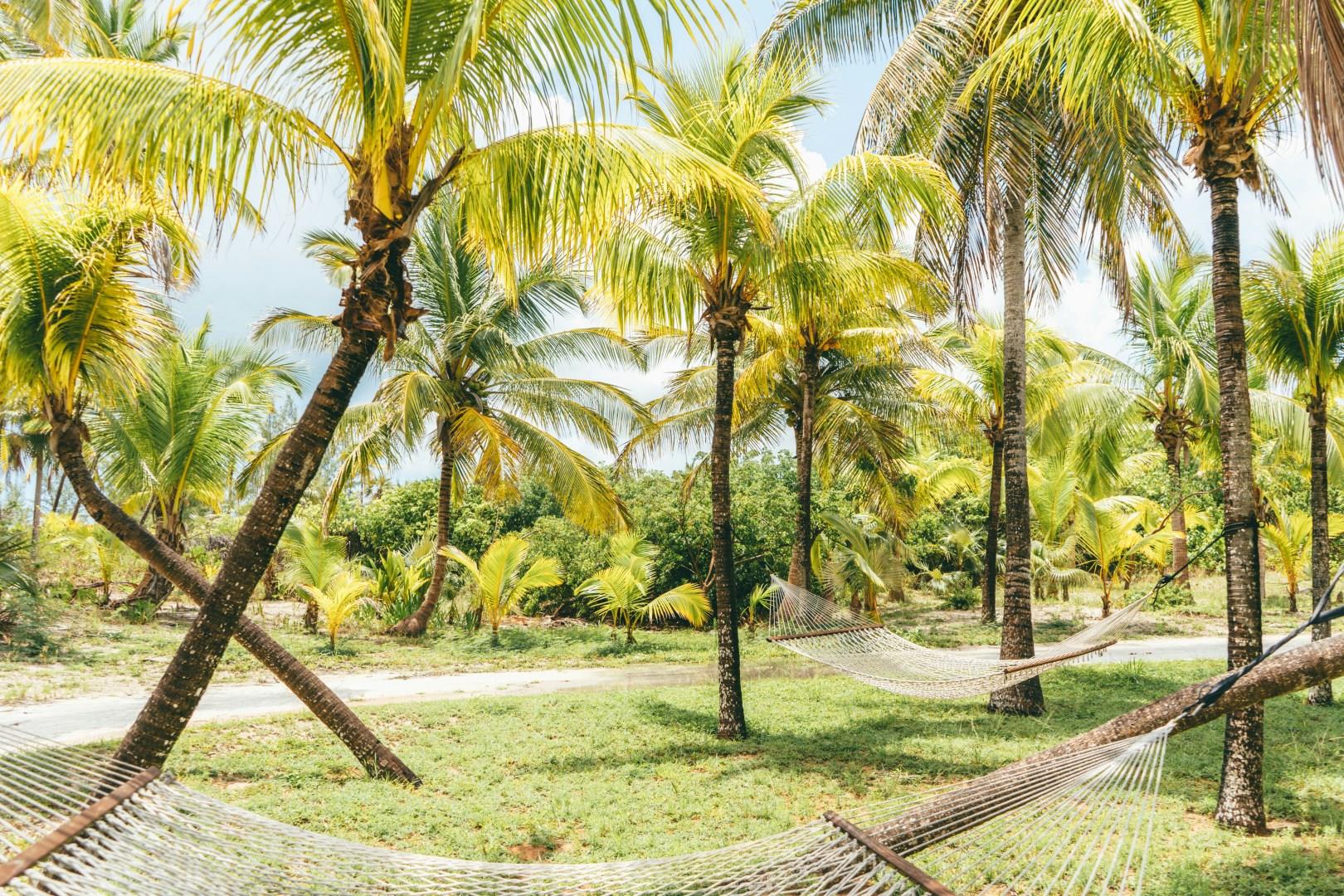
Eleuthera Island
Eleuthera Island, one of the gems of the Bahamas, is an enticing blend of natural beauty and laid-back charm. Known for its pink sand beaches and crystal-clear waters, this island stretches over 100 miles, offering visitors an intimate escape from the bustle of larger tourist destinations. A must-see for beach lovers is Harbour Island, just a short ferry ride away, where the famed Pink Sands Beach provides a stunning backdrop of pale rose-colored sand against the turquoise sea.

Dorset
Dorset, a picturesque county on England’s southern coast, is a haven for history lovers, nature enthusiasts, and seaside wanderers alike. Known for its rolling hills, sandy beaches, and charming towns, Dorset offers a perfect blend of scenic beauty and cultural heritage. The county is home to part of the Jurassic Coast, a UNESCO World Heritage Site renowned for its dramatic cliffs and fossil-rich beaches.
