
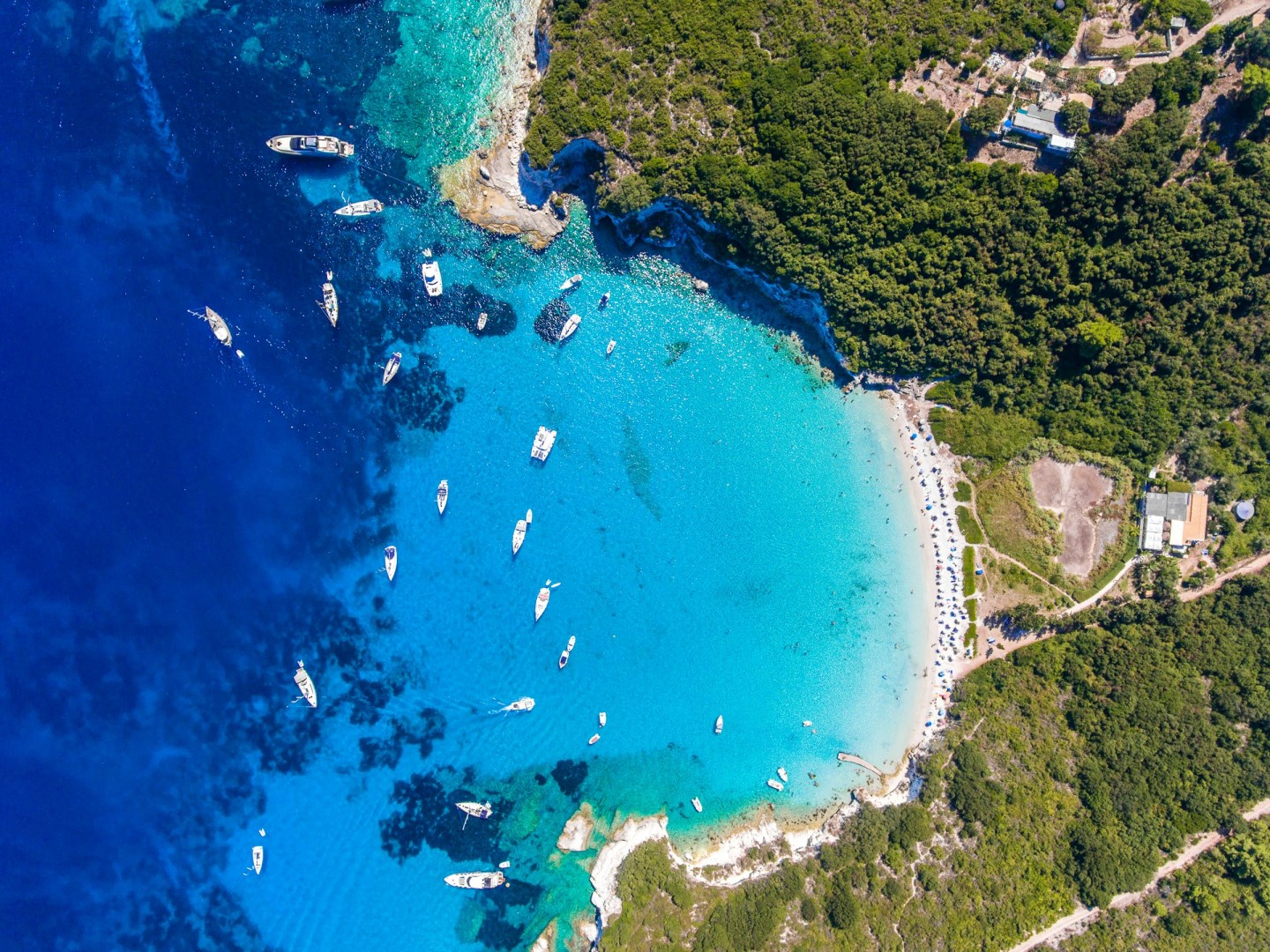
Antipaxos
Antipaxos is a small Ionian island southeast of Paxos, separated from its larger neighbor by a short boat journey from Gaios. Covering roughly 4.5 square kilometers, it has a gently rolling landscape of vineyards, olive groves, pine trees, and low Mediterranean vegetation. The island has no large settlement and is known mainly for its beaches, particularly Voutoumi and Vrika, where white sand or pale pebbles meet clear blue-green water.
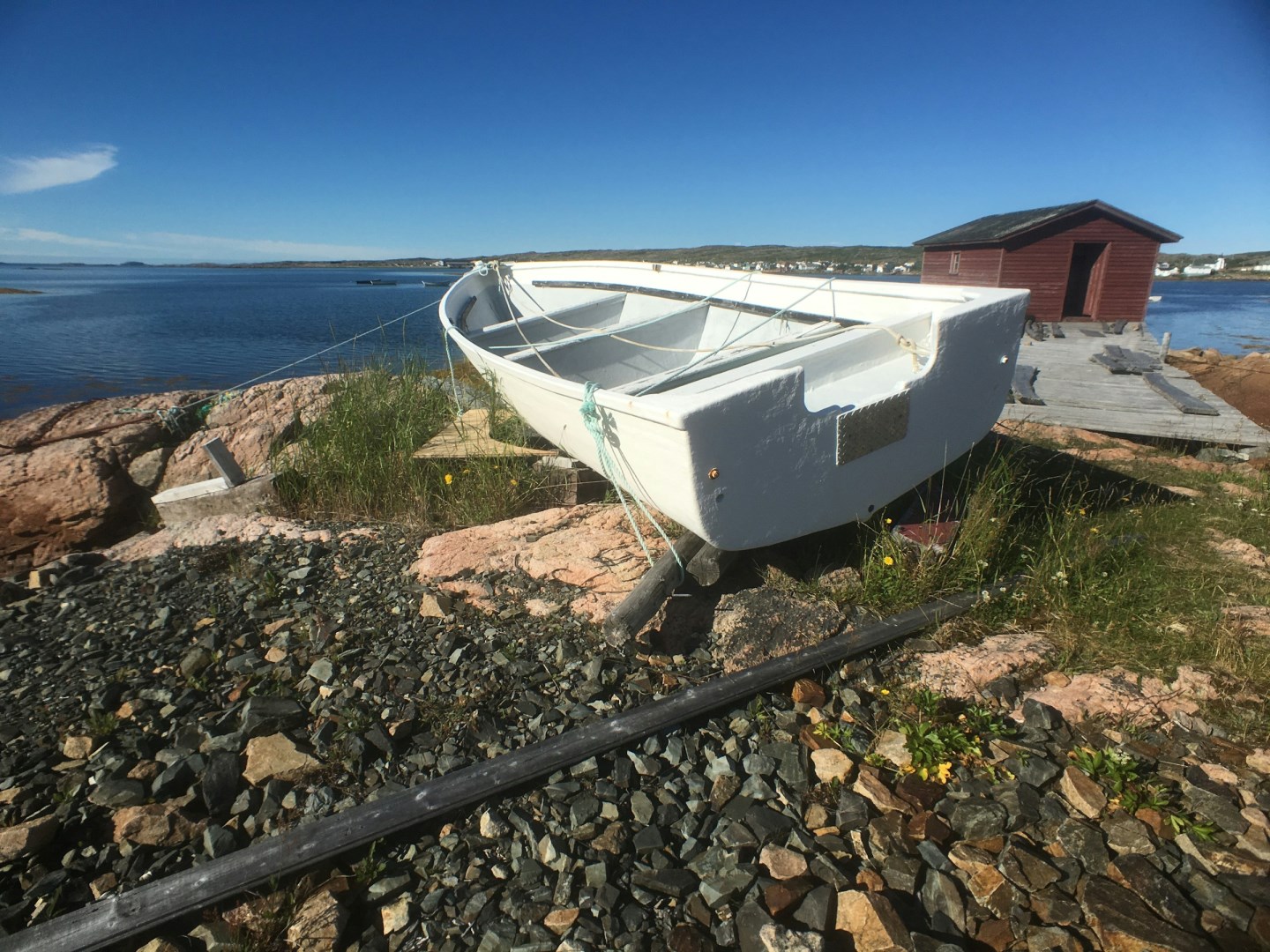
Fogo Island
Fogo Island is a large offshore island in Newfoundland and Labrador, set in the North Atlantic and reached by ferry from Farewell on Newfoundland’s northeast coast. Its landscape is defined by rocky headlands, small coves, rolling hills, exposed coastal trails, and scattered fishing communities. Eleven communities occupy the island, including Fogo, Joe Batt’s Arm, and Tilting, each with its own character and relationship to the sea.
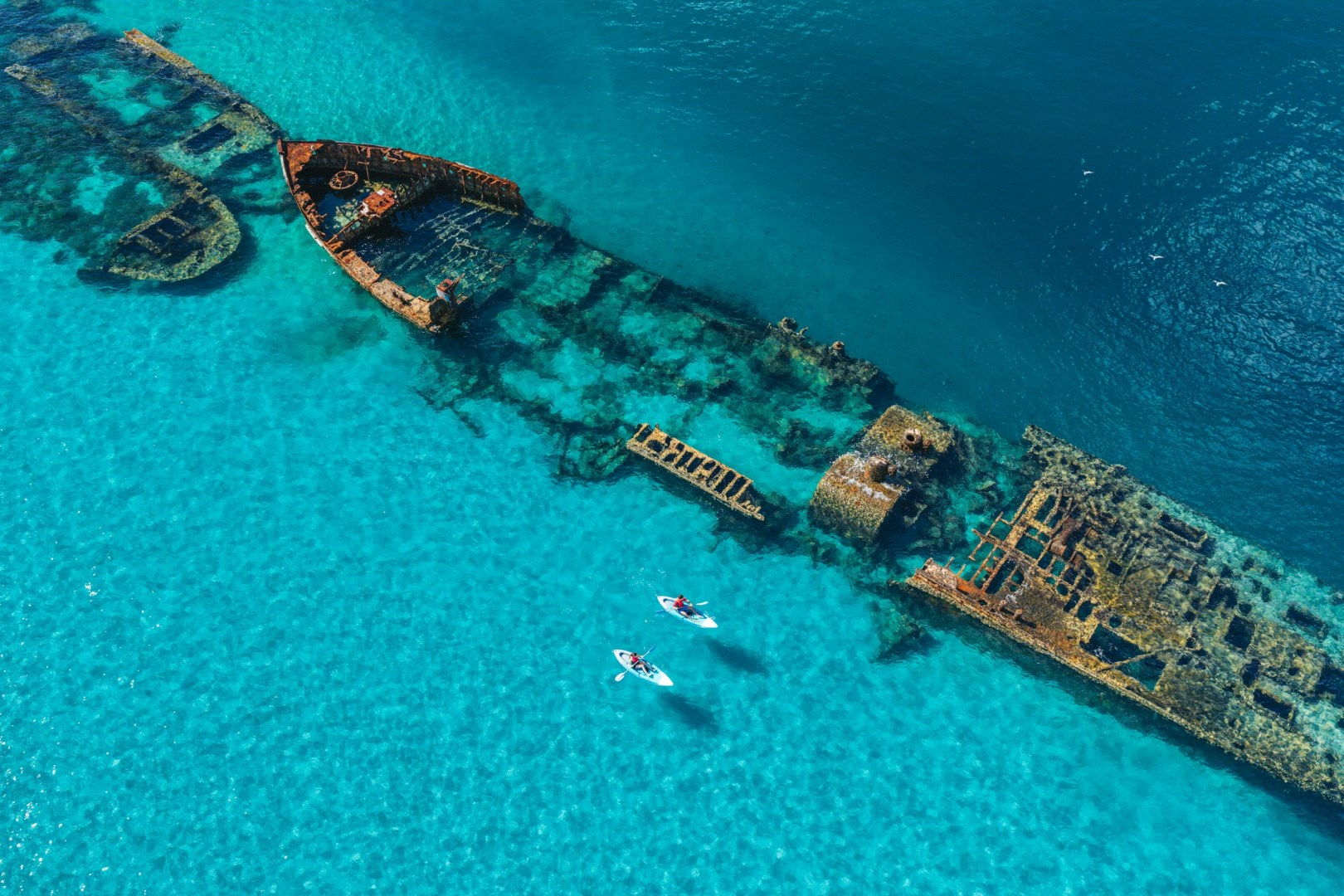
Moreton Island
There is a whole host of wildlife on Moreton Island which you can see on the numerous beaches, and along the walking and 4WD trails. Many wading birds can be found on the island, in particular between September and April when many birds migrate from other countries. You may also be lucky enough to see Green and Loggerhead Turtles which often nest between November - February.
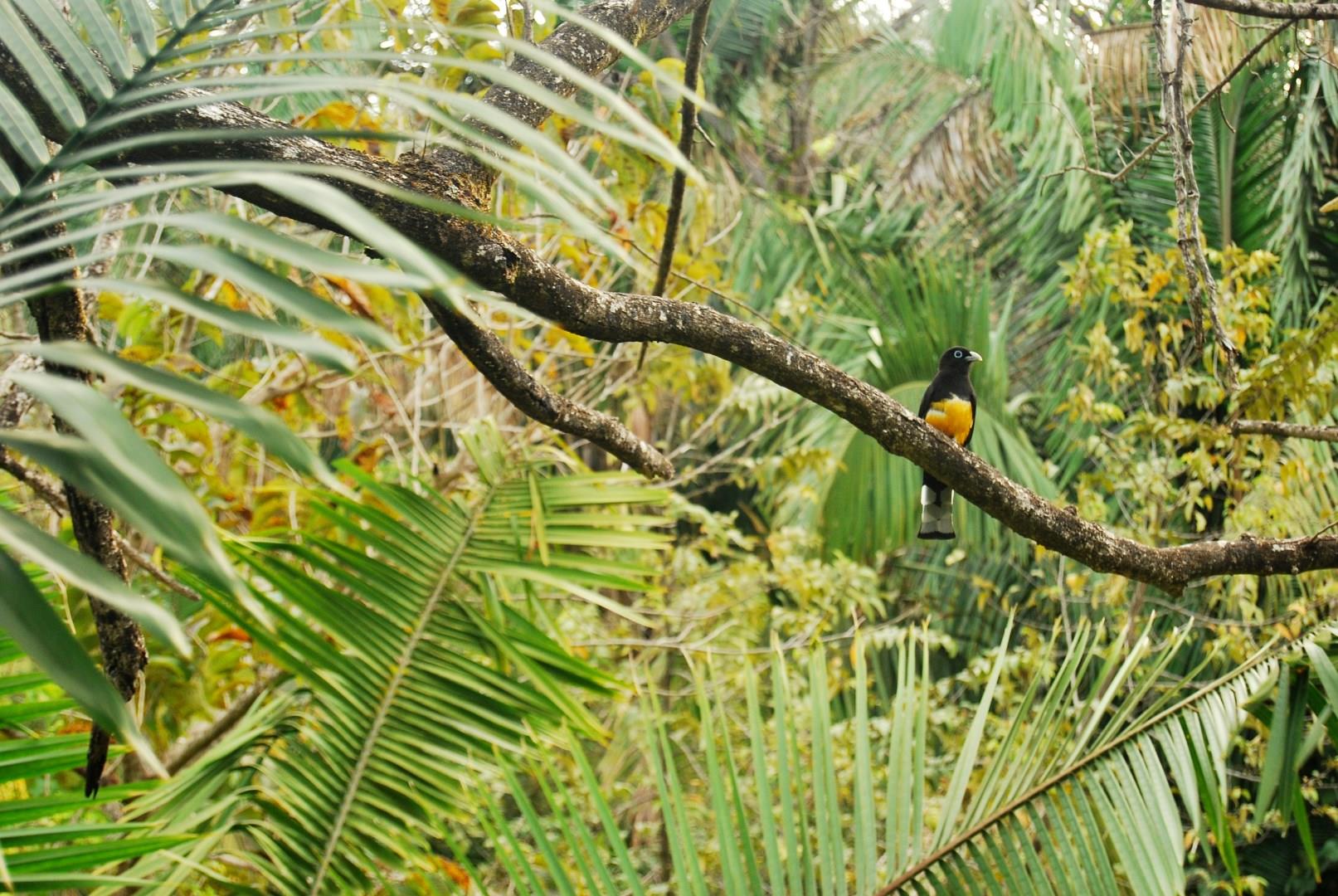
Nosara
Nosara, on Costa Rica’s Nicoya Peninsula, is a laid-back coastal town known for its strong connection to wellness, nature, and surf culture. Unlike some of the country’s busier resorts, Nosara has kept development low-key, with no large beachfront hotels and a community that values sustainability.

Queen Elizabeth National Park
Queen Elizabeth National Park, in western Uganda, is one of East Africa’s most diverse and scenic protected areas. Stretching from the Rwenzori Mountains to the shores of Lake Edward, the park encompasses savannah, wetlands, and dense forests, making it a sanctuary for an incredible array of wildlife.
