
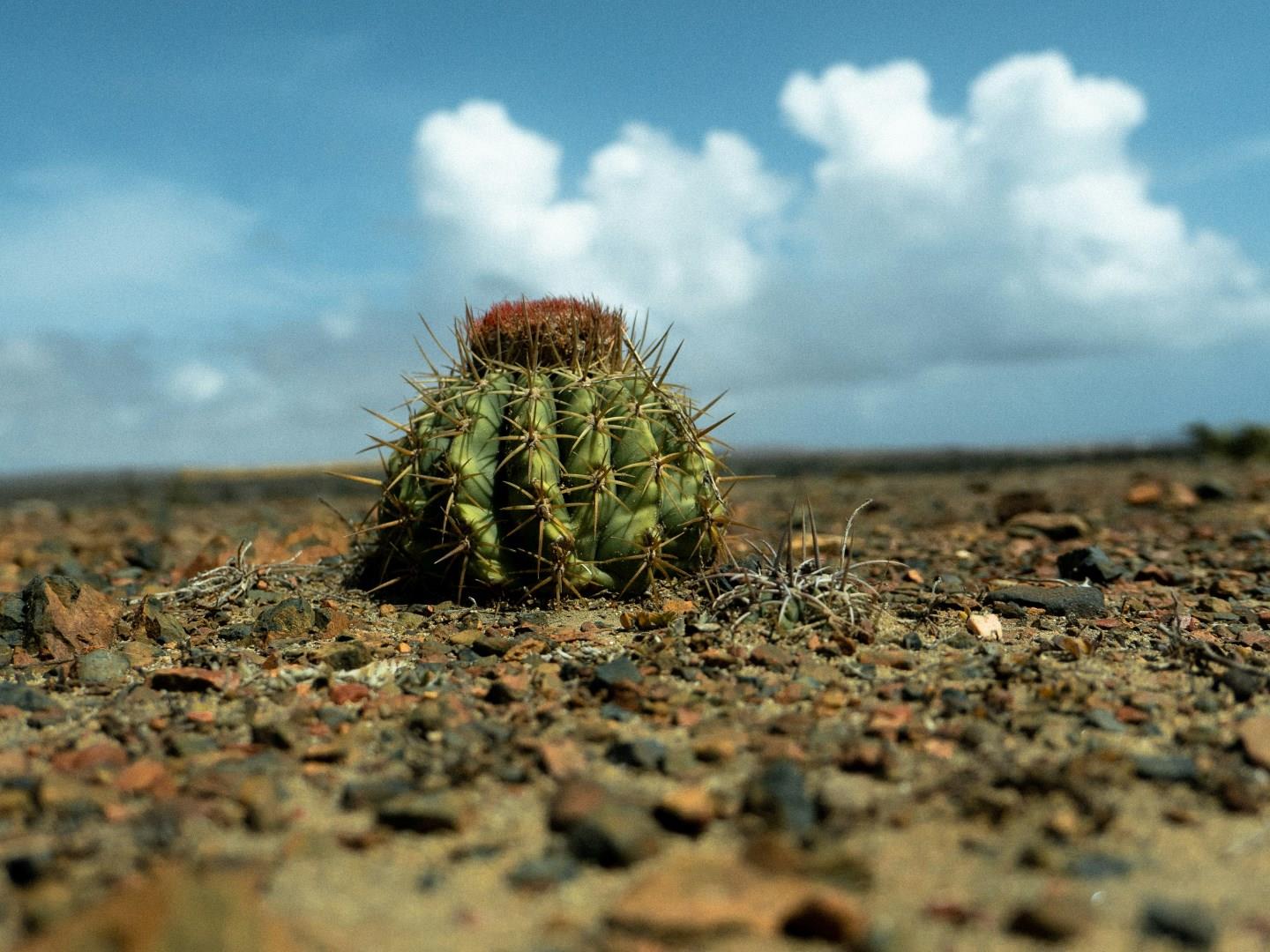
Arikok National Park
Arikok National Park, covering nearly 20% of Aruba, is a striking showcase of the island’s rugged landscapes, cultural history, and biodiversity. Unlike the postcard image of Aruba’s white-sand beaches, Arikok reveals a wilder side, with windswept hills, desert-like terrain, and dramatic limestone cliffs meeting the sea.
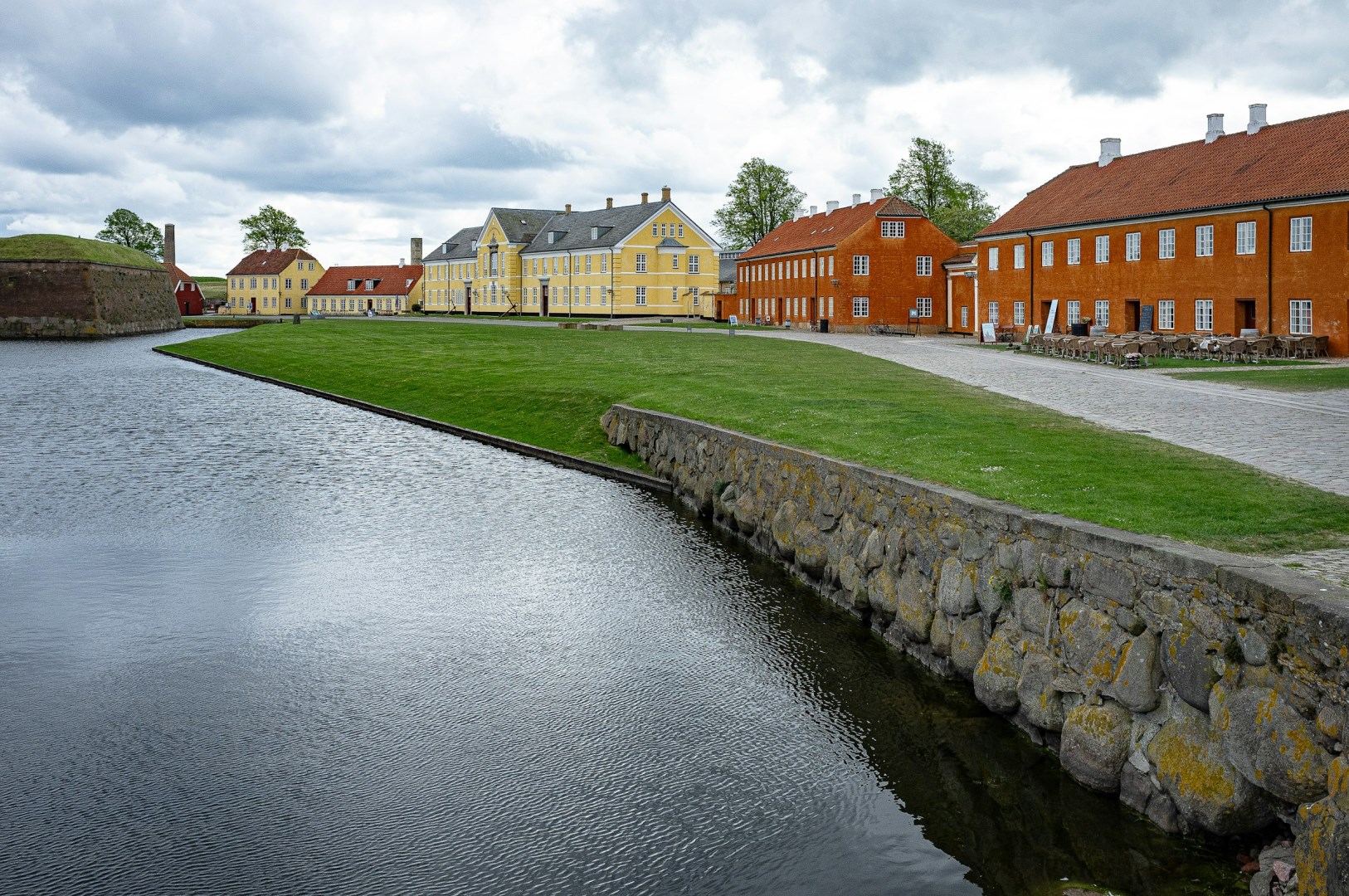
Helsingør
Helsingør is a historic port town on Denmark’s northeastern Zealand coast, facing the narrow Øresund strait toward Sweden. Its waterfront setting has long shaped the town, with ferries, maritime traffic, and views across the water forming part of everyday life. The compact center contains narrow streets, colorful historic buildings, and squares surrounding the town’s main landmarks.
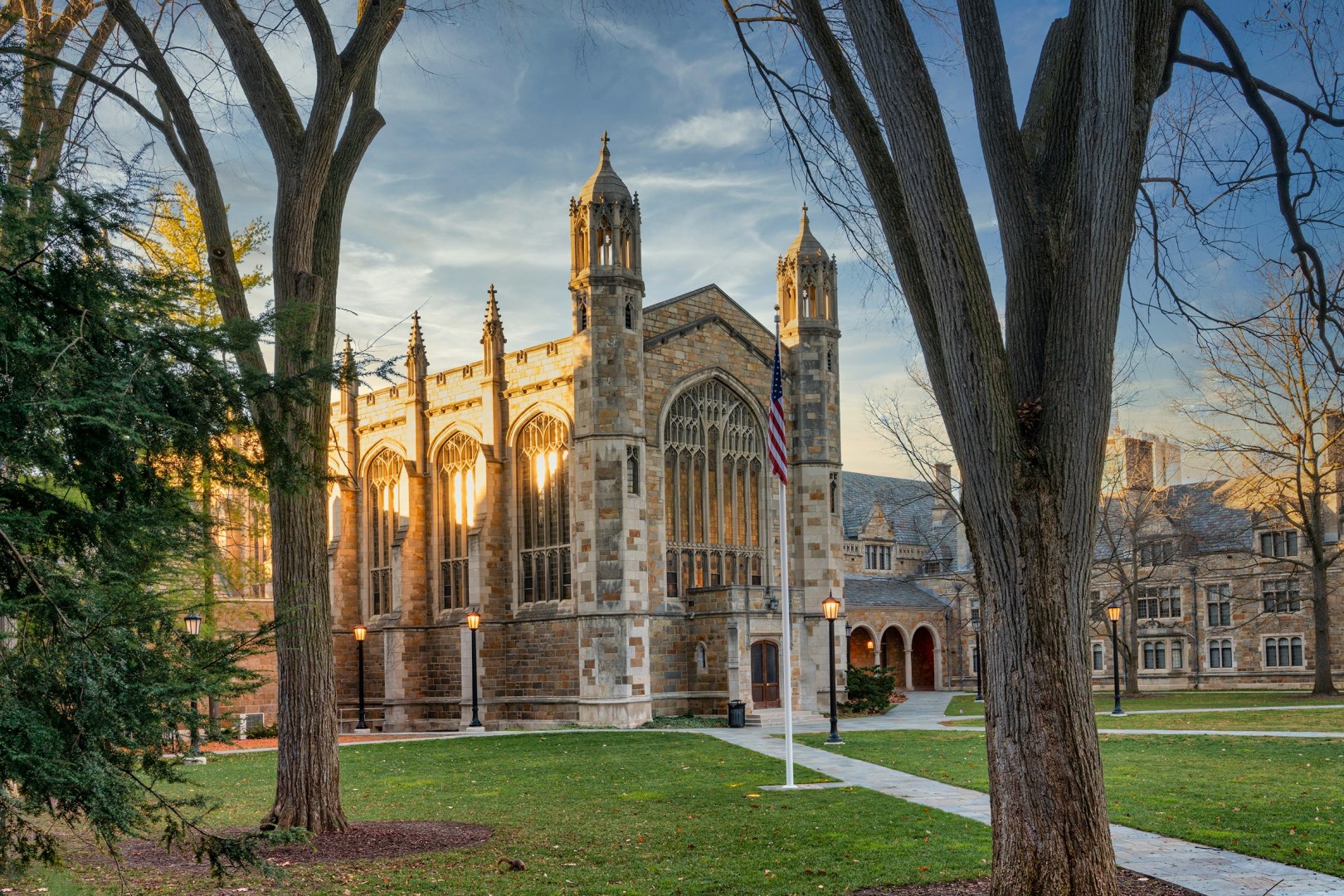
Ann Arbor
Long regarded as one of the freest-thinking college towns in the U.S., Ann Arbor is home to the University of Michigan, the Gerald R. Ford Presidential Library and Domino's Pizza. While you're in Ann Arbor, be certain to see the city's many fascinating historic buildings; the Kelsey Museum of Ancient and Medieval Archaeology; and Kerrytown (a diversity of specialty shops and eateries in restored 19th-century buildings close to the Farmers Market).
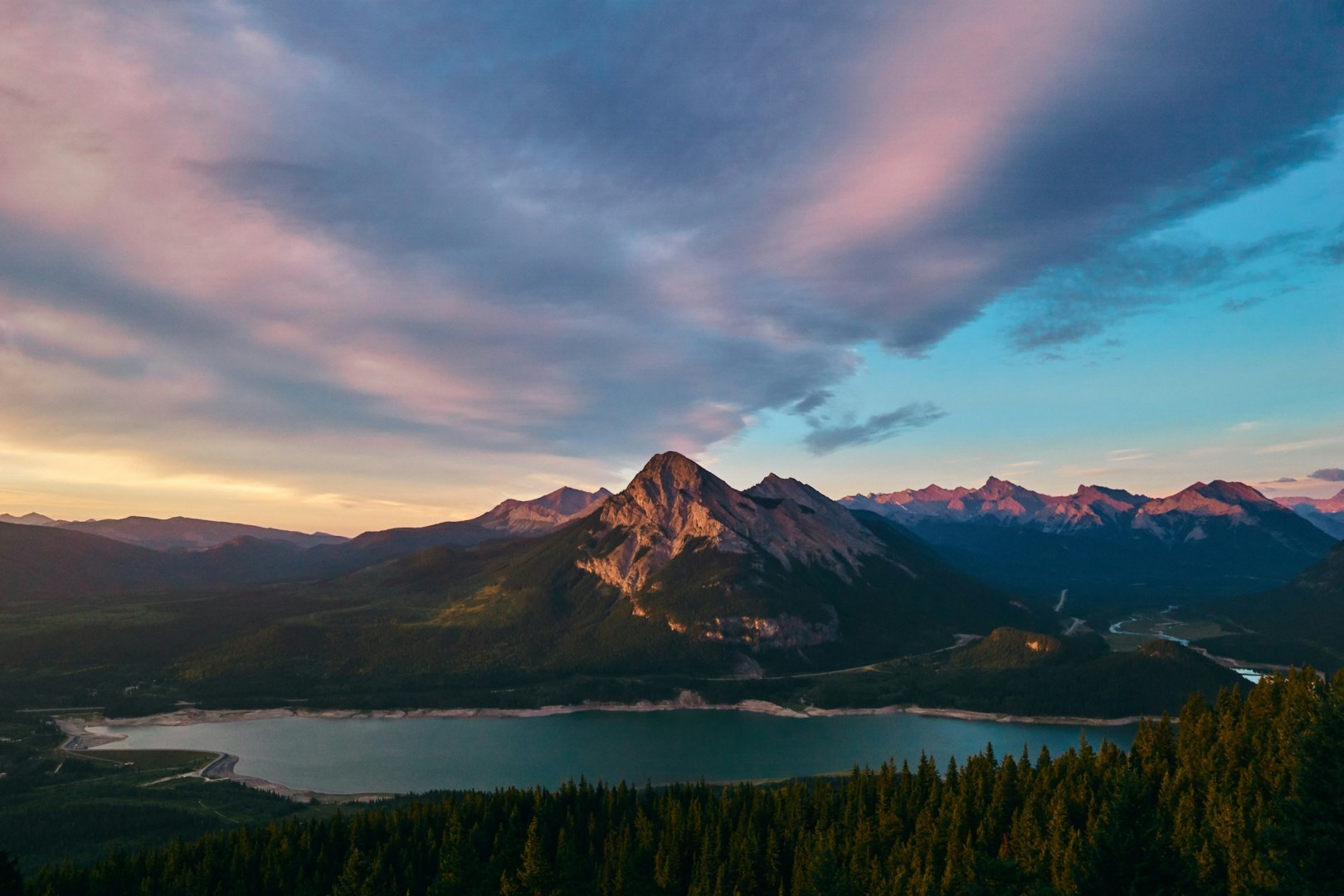
Kananaskis
Kananaskis, located in the foothills and front ranges of the Canadian Rockies in Alberta, is a vast region celebrated for its rugged mountains, alpine lakes, and outdoor recreation opportunities. Unlike nearby Banff or Jasper, Kananaskis is less developed and offers a quieter, more wilderness-focused experience while still being easily accessible from Calgary.

Speyer
Speyer, located in the Rhineland-Palatinate region of Germany, is a city rich in history and culture. One of its most notable landmarks is the Speyer Cathedral, a UNESCO World Heritage Site and one of the largest Romanesque churches in the world.
