

Luang Prabang
Luang Prabang, the jewel of northern Laos, captivates travelers with its blend of serene spirituality, French colonial charm, and breathtaking natural beauty. This UNESCO World Heritage Site is nestled between the Mekong and Nam Khan rivers, creating a tranquil setting where time seems to slow down. Here, ancient temples with glistening spires, like Wat Xieng Thong, sit alongside quaint colonial-era villas, inviting visitors to explore the harmonious fusion of Lao and French cultures.
Baños de Agua Santa
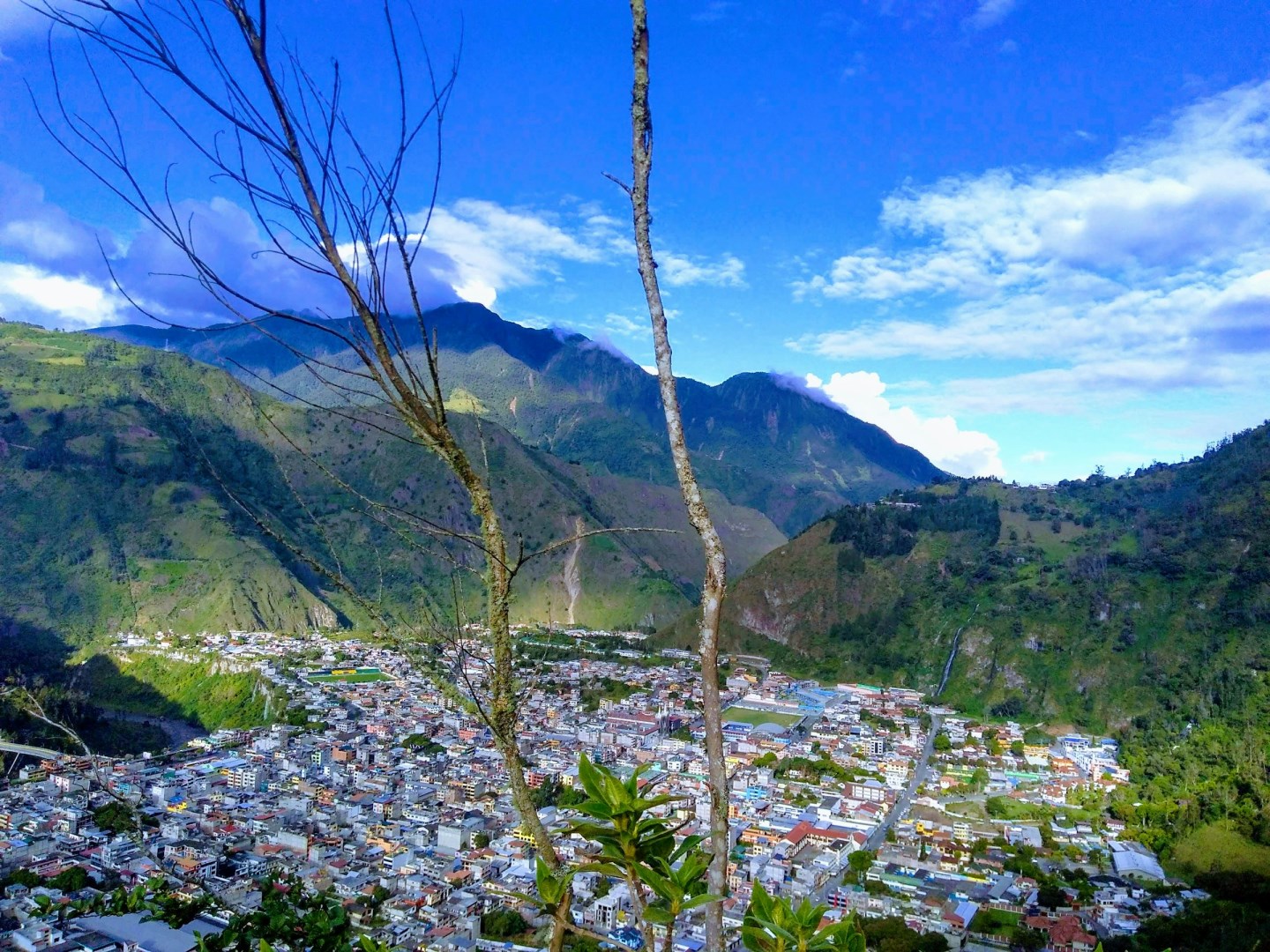
Baños de Agua Santa is a small city in Ecuador's Tungurahua Province, set in a narrow valley on the eastern slopes of the Andes. The city sits beneath the active Tungurahua volcano and is surrounded by steep, green mountains, waterfalls, and forested hills. Its full name refers to the thermal springs that have long been associated with the town. Baños also marks a transition between the high Andes and the warmer Amazon basin, giving the surrounding landscape a mixture of mountain and subtropical
Chengdu
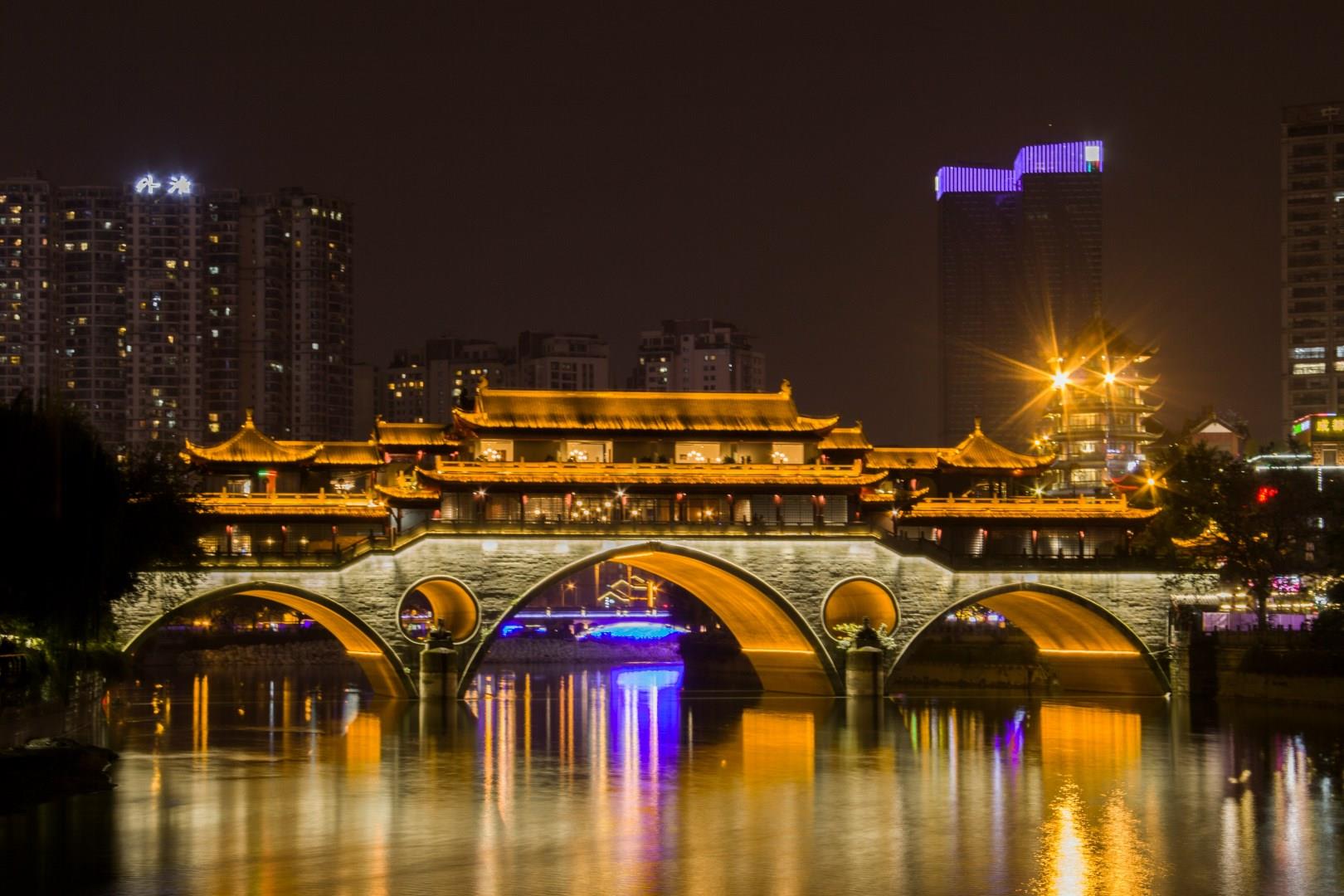
Chengdu, the capital of China's Sichuan Province, blends modern urban life with centuries of history. It is famous as the home of the giant panda, but its cultural significance extends far beyond wildlife.

Nelson
Nelson sits along the West Arm of Kootenay Lake in southeastern British Columbia, embraced by the rugged peaks of the Selkirk Mountains and threaded with over 350 heritage buildings that tell the story of its silver-rush beginnings. A short trip outside town leads to spots like the Salmo–Troup Rail Trail, a wide, gentle path that follows an old rail line for kilometers through forest and alongside rivers.
Djanet
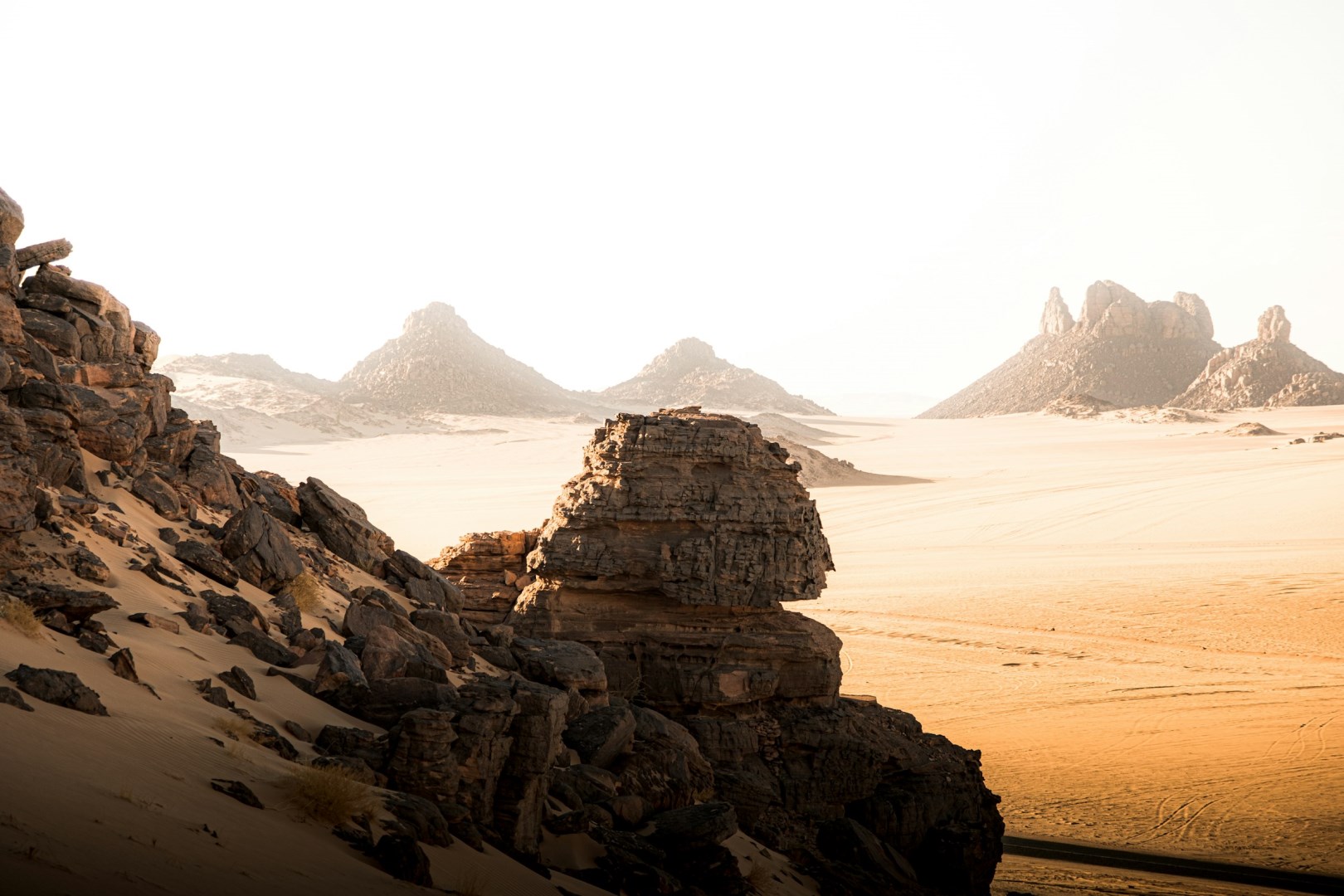
Djanet is a small oasis town in southeastern Algeria, situated in the Tassili n’Ajjer region near the border with Libya. It is surrounded by a vast desert landscape of sandstone plateaus, rocky valleys, and palm-filled oases. The town serves as an important gateway to the Tassili n’Ajjer, a UNESCO World Heritage site known for its unusual rock formations and extensive collection of prehistoric rock art.
