
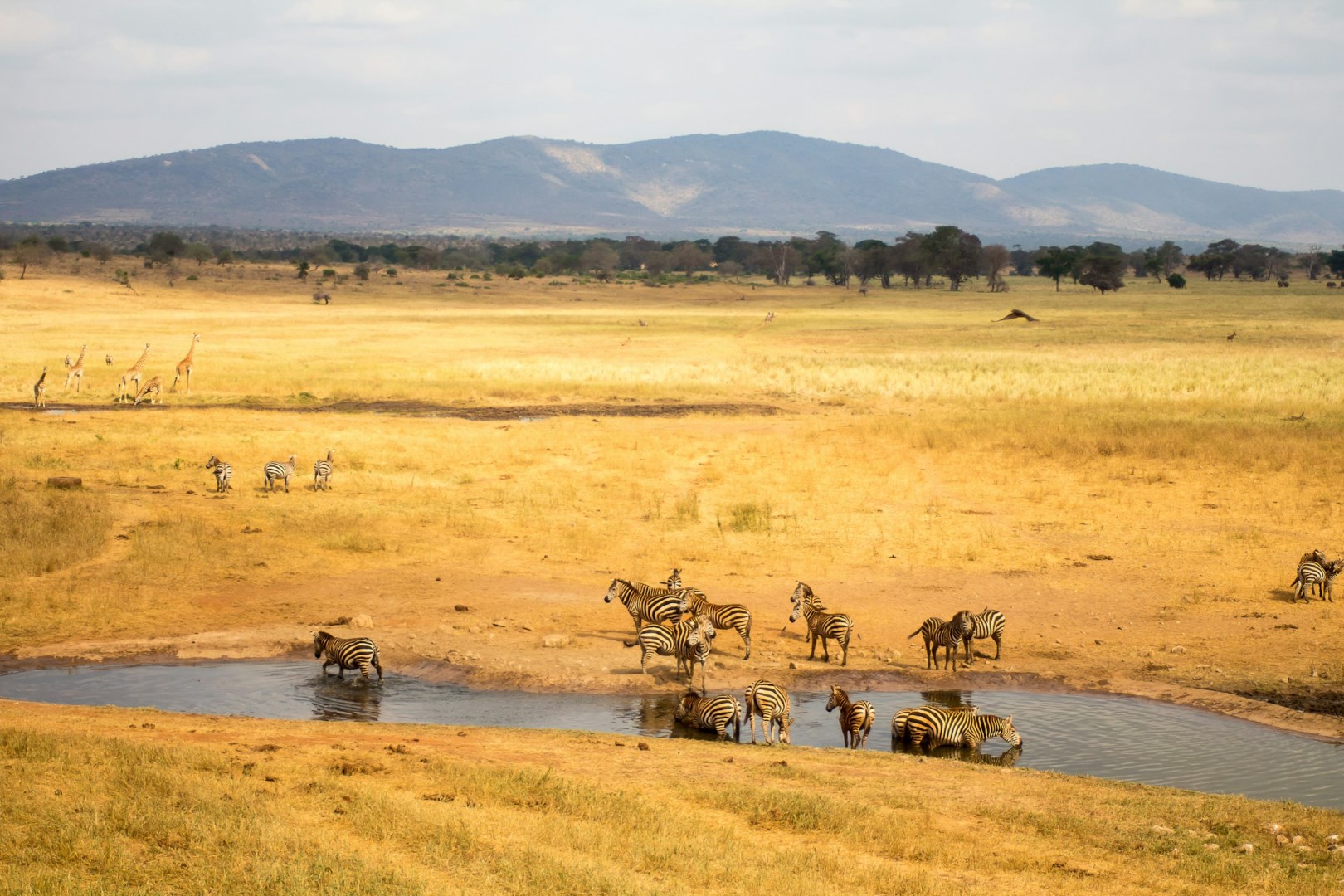
Taita Hills
Taita Hills rise above the dry plains of southeastern Kenya in Taita-Taveta County, forming a mountainous landscape between the Tsavo plains and the coastal region. The hills are part of the northern Eastern Arc Mountains and include steep slopes, cultivated valleys, and remaining patches of indigenous forest. Their cooler and wetter conditions contrast with the surrounding semi-arid lowlands, creating a range of habitats within a relatively small area.
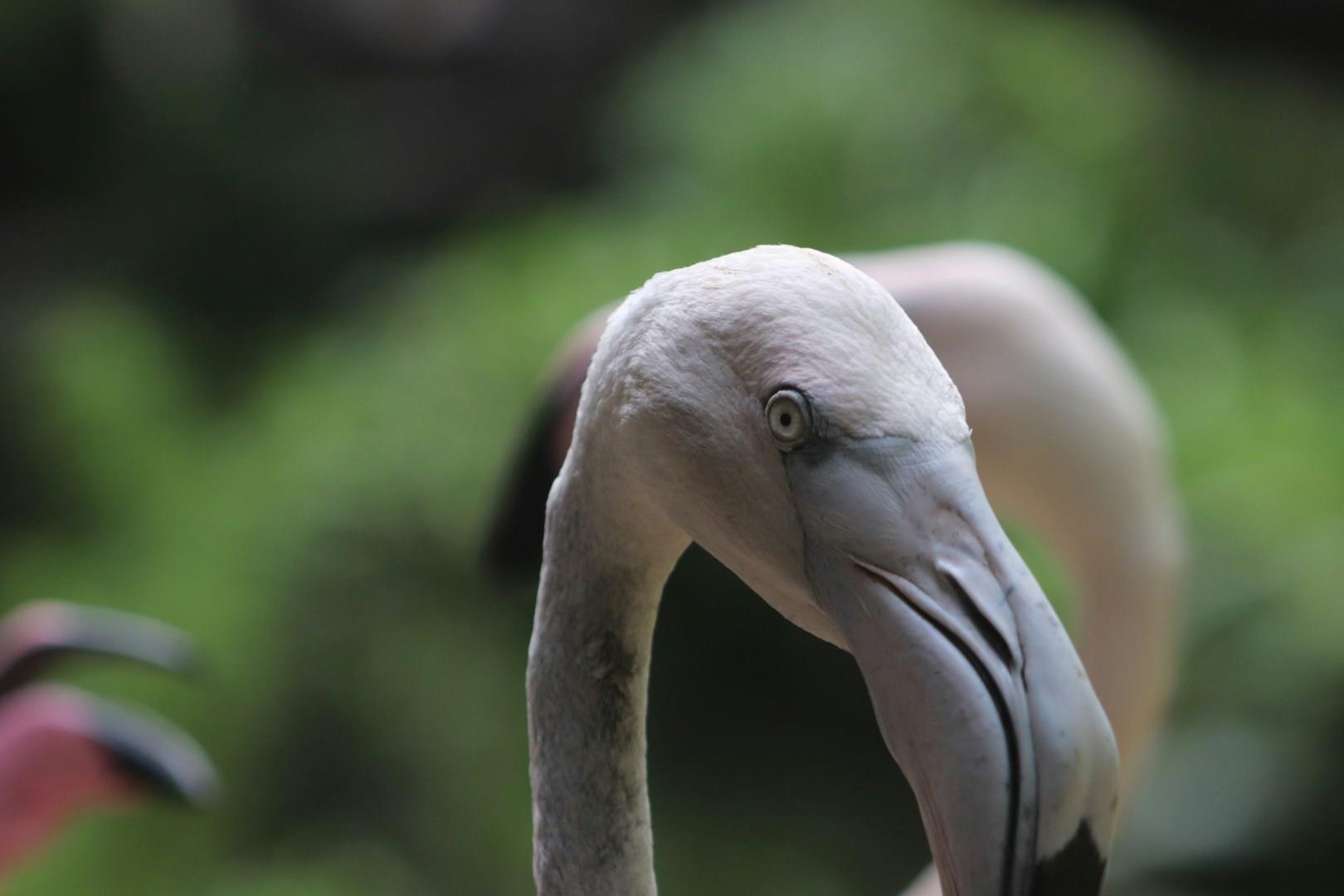
Kanchanaburi
Kanchanaburi, a province in western Thailand, is best known for its poignant history and lush landscapes. It was here that Allied prisoners of war and Asian laborers were forced to build the infamous Death Railway during World War II, including the Bridge over the River Kwai, which remains a powerful symbol of resilience.
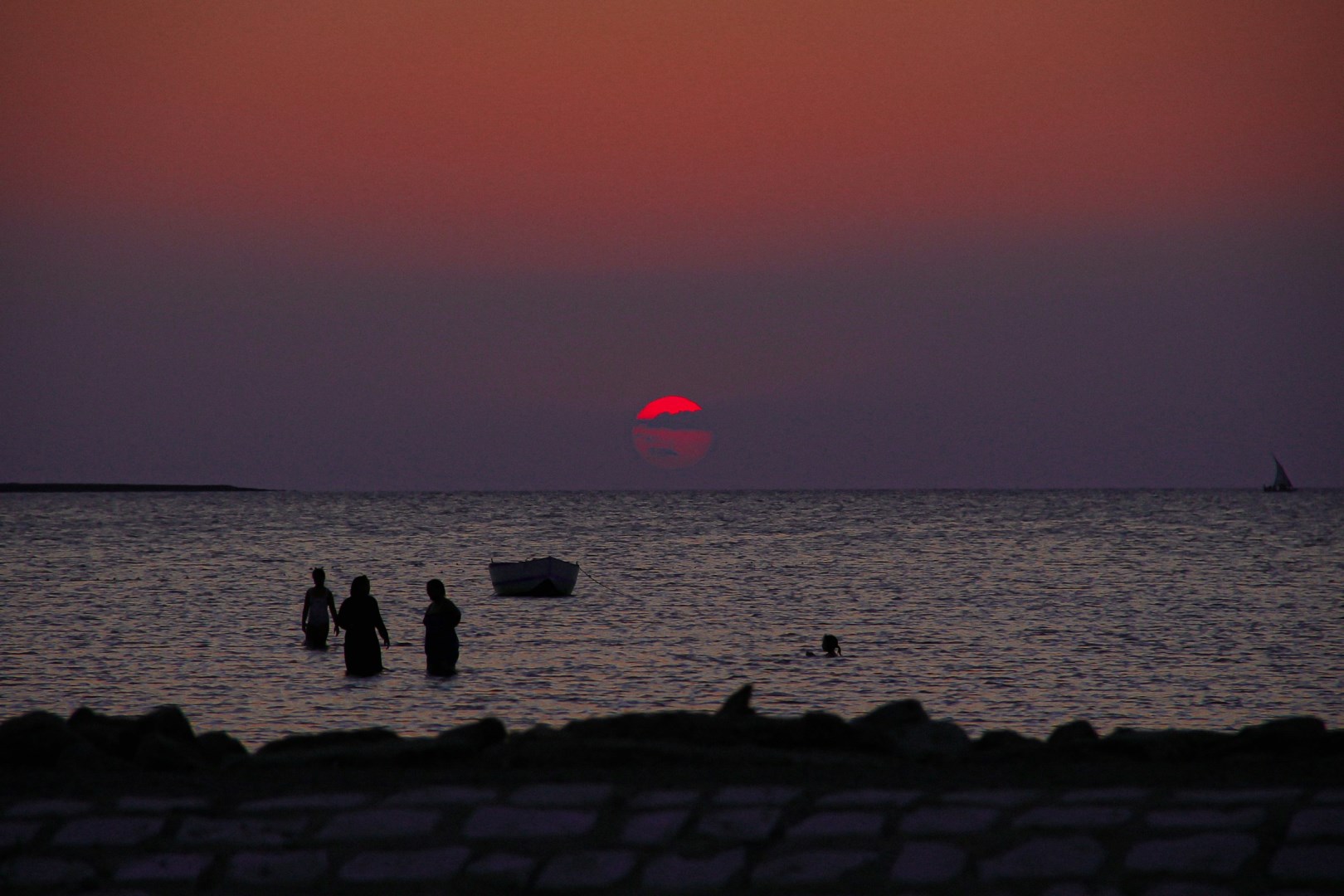
Sfax
Sfax is a major port city on Tunisia’s eastern Mediterranean coast and the principal urban centre of the country’s south-central region. Its character is closely connected with commerce, agriculture, fishing and maritime trade rather than resort development.

Kumasi
Kumasi is the capital of Ghana’s Ashanti Region and one of the country’s main cultural centers. Often called “Oseikrom” by locals, the city is closely connected to the traditions of the Ashanti Kingdom and remains an important place for trade, ceremonies, and craftsmanship.
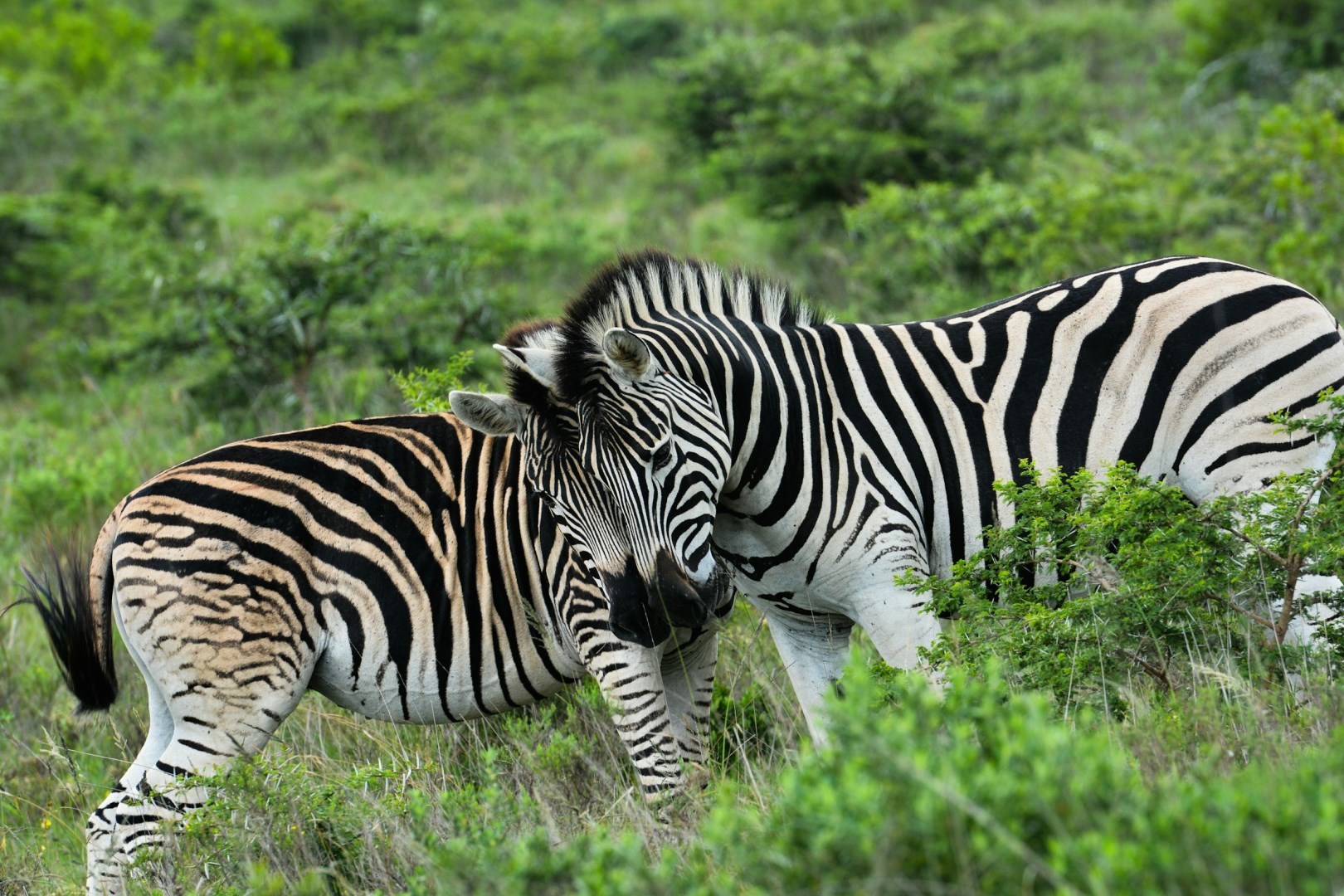
Timbavati Private Nature Reserve
Timbavati Private Nature Reserve lies in South Africa’s northeastern Lowveld, directly alongside Kruger National Park. Covering about 556 square kilometres, it forms part of the larger Greater Kruger landscape, where fences between participating reserves and Kruger have been removed to allow wildlife to move freely. The reserve contains a mixture of savanna, woodland, seasonal rivers, and rocky areas shaped by ancient granite and gneiss formations.
