
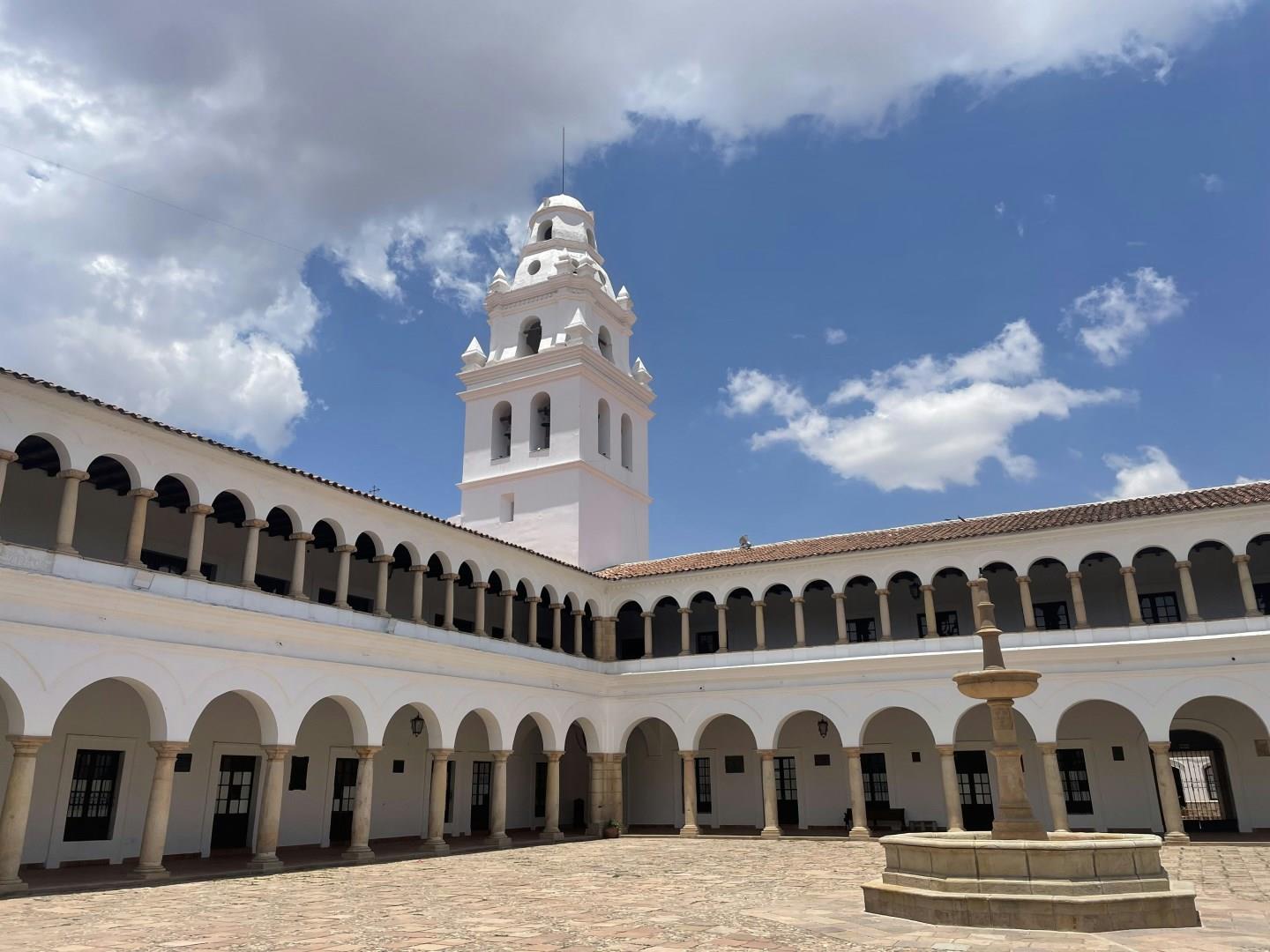
Sucre
Sucre, Bolivia’s constitutional capital, is a city steeped in history and colonial charm. Founded in the 16th century by the Spanish, it played a pivotal role in South America’s independence movements, earning its place as the birthplace of the Bolivian Republic.

Monastir
Monastir, a coastal gem in Tunisia, offers a perfect blend of history, culture, and sun-soaked relaxation. Overlooking the azure waters of the Mediterranean Sea, the city is famous for its majestic Ribat, a well-preserved Islamic fortress dating back to 796 AD. This imposing structure, used historically to defend against Byzantine and European invaders, offers visitors panoramic views of the coastline and the city below.
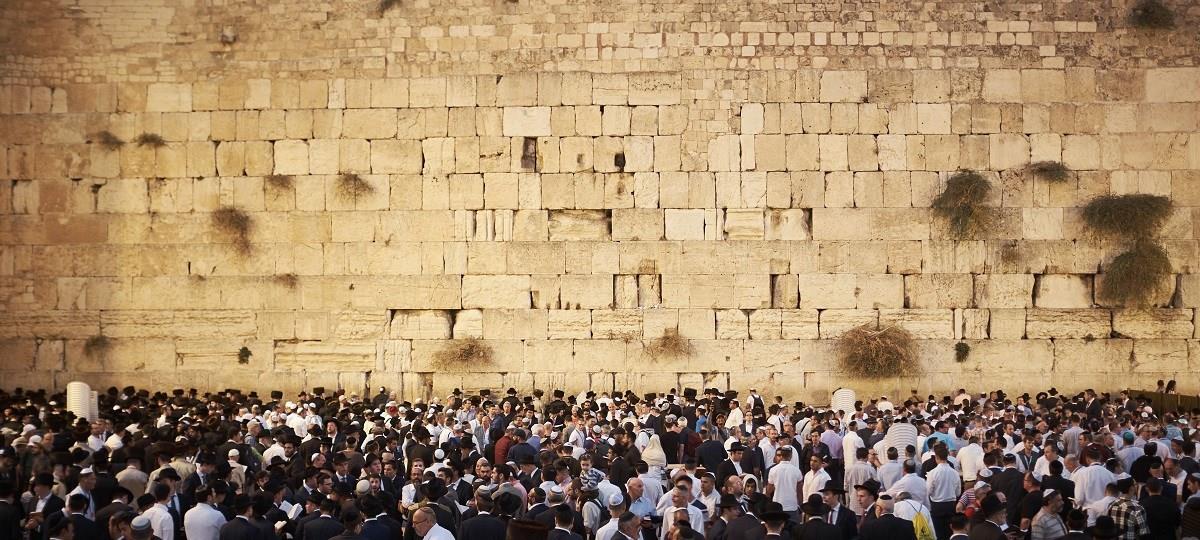
Jerusalem
This beautiful holy city is a spiritual lightning rod and sacred to Jews, Muslims and Christians all over the world. Although Jerusalem is known primarily for its religious history, the city is also home to many artistic and cultural venues.

Cienfuegos
Cienfuegos, located on Cuba’s south coast along a sheltered bay, stands apart from many other Cuban cities due to its distinct European origins. Founded in 1819 by French settlers, the city developed with a carefully planned layout, wide avenues, and neoclassical architecture that earned it the nickname “La Perla del Sur.”

Gaborone
Gaborone, the vibrant capital of Botswana, offers a unique blend of modernity and tradition, making it an increasingly popular destination for travelers seeking an African city adventure. Founded in 1966, this city is relatively young but holds immense significance as the political and economic heart of Botswana.
