
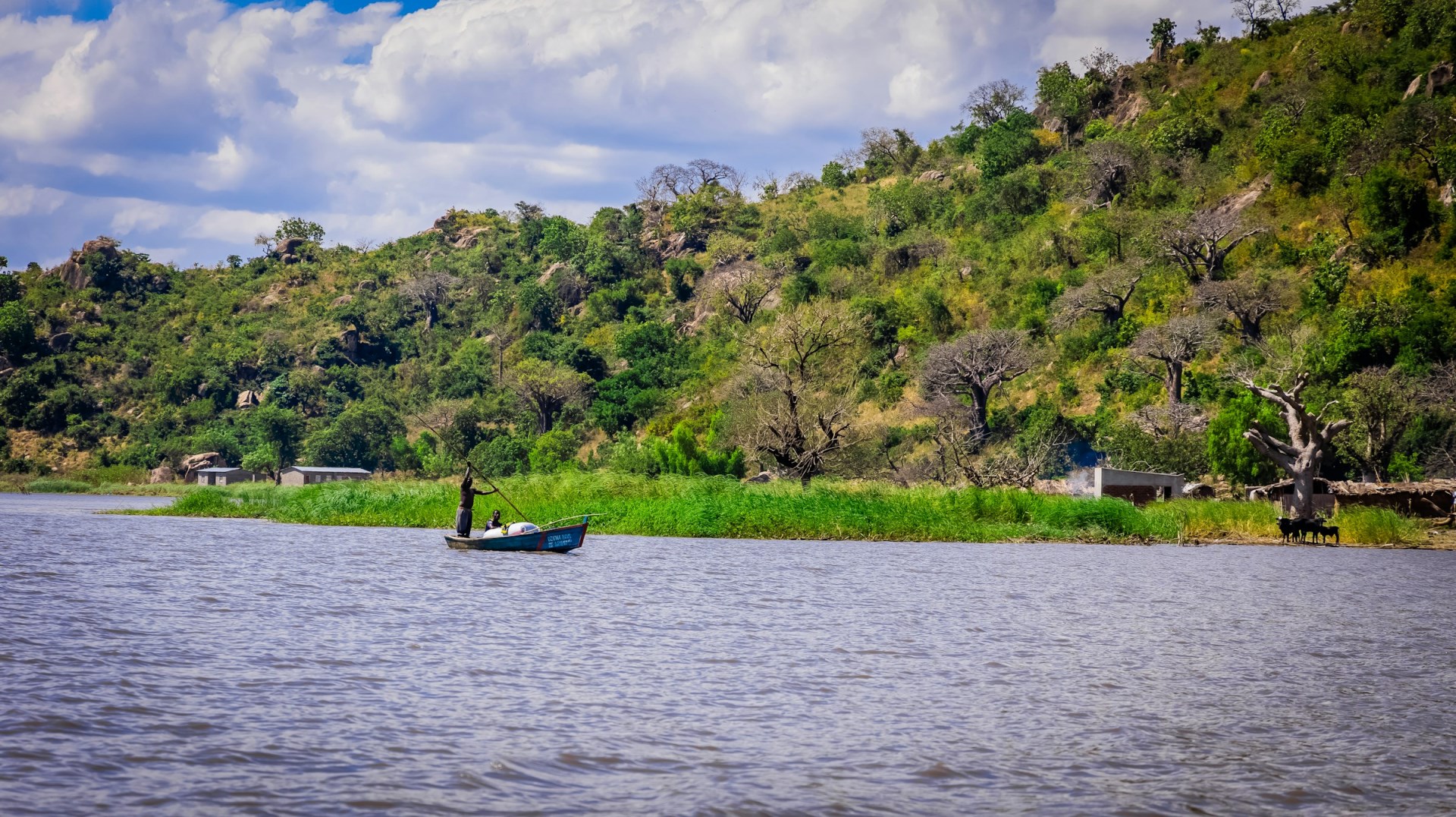
Njalo Island
Njalo Island is a small inhabited island in Lake Chilwa, in southern Malawi’s Phalombe District. Situated in the lake’s open waters, it is part of a wetland landscape shaped by changing water levels, shallow channels, marshes, and seasonal fishing activity. The island is home to a close-knit community whose daily life is closely connected to the lake. Fishing provides an important source of food and income, while boats are essential for transport between the island and mainland communities.

Guernsey
Guernsey, the second-largest of the Channel Islands, blends coastal landscapes with a deep-rooted history shaped by centuries of outside influence. Though located closer to France than to mainland Britain, Guernsey is a British Crown Dependency with its own government and a distinct identity. The capital, St Peter Port, is a hillside town overlooking a natural harbor, where visitors can explore narrow lanes, stone stairways, and 18th-century buildings.
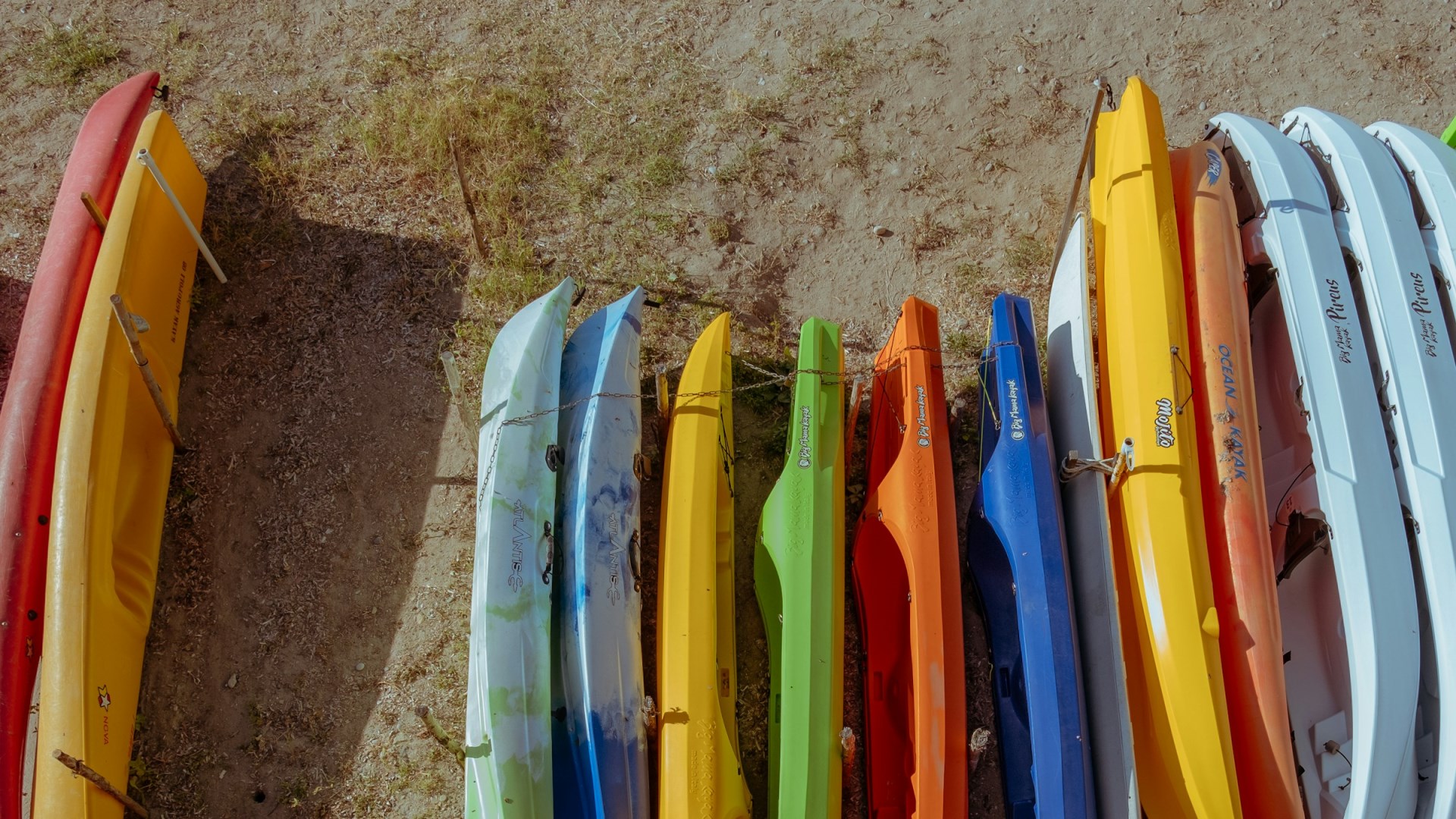
Agropoli
Agropoli is a coastal town in Campania’s Cilento area, built around a rocky promontory overlooking the Tyrrhenian Sea. Its historic center rises above the waterfront and is reached through the Porta di Agropoli, a stone gateway leading into a network of narrow lanes and steps. The town combines a working harbor and beaches with an elevated old quarter, creating a landscape shaped by both maritime activity and hilltop settlement.
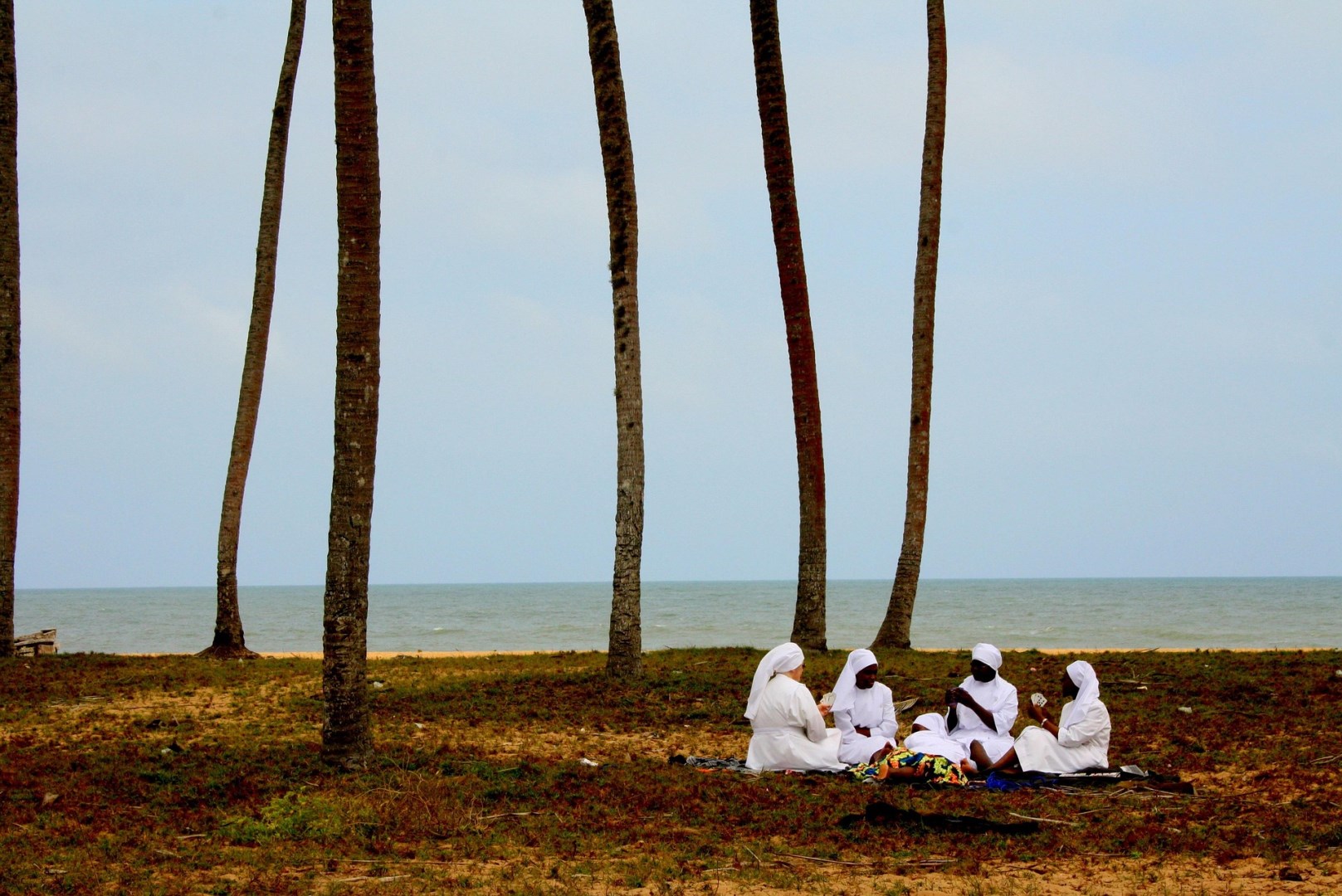
Benin
Tucked along the Gulf of Guinea in West Africa, Benin offers a vibrant blend of traditions, rich history, and colorful daily life that surprises and delights travelers at every turn. The country is the birthplace of Vodun (commonly known as Voodoo), a spiritual tradition still practiced widely and celebrated each January 10th with processions, drums, and dance in the city of Ouidah.
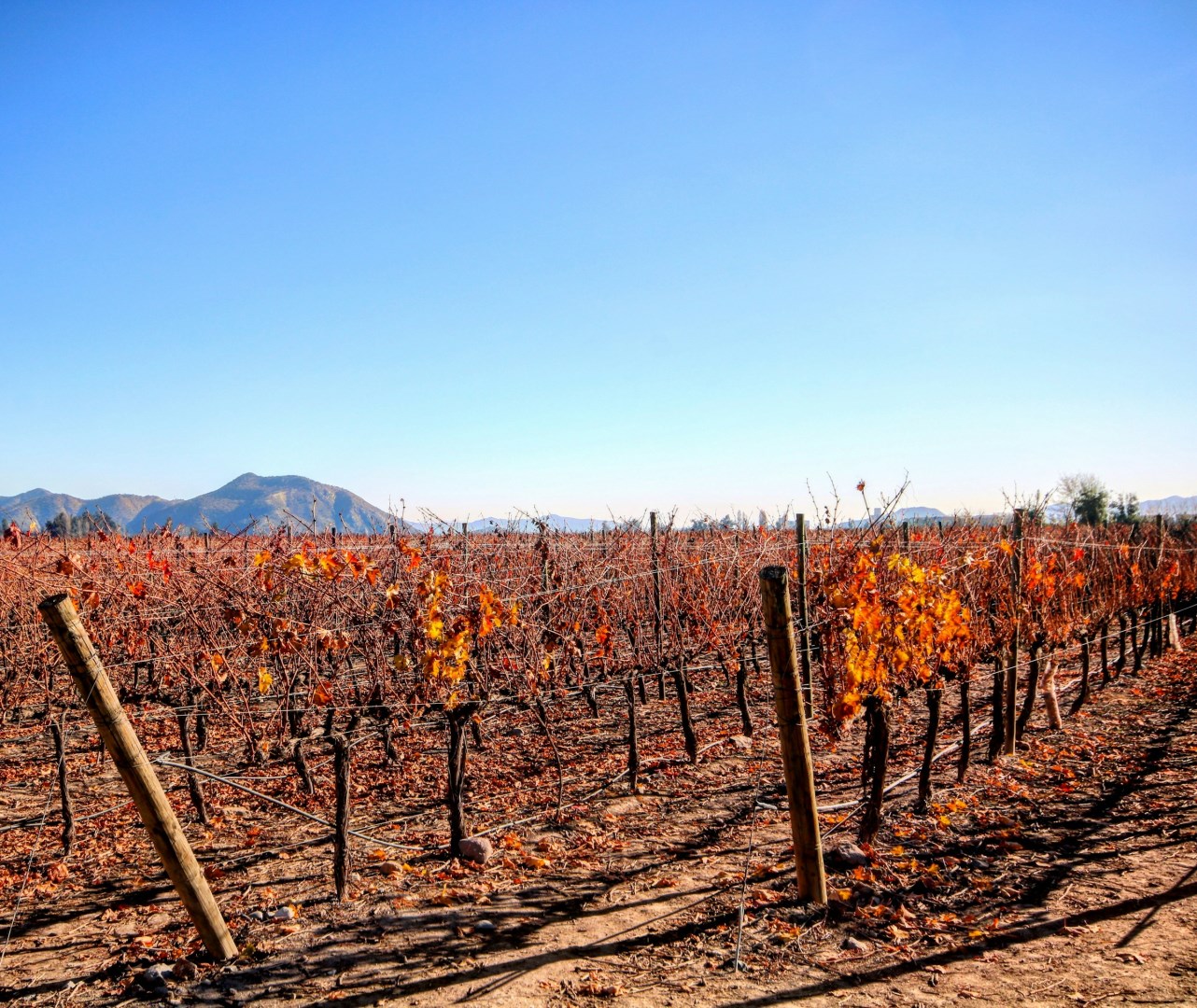
Chile
Stretching over 4,200 kilometers along the southwestern coast of South America, Chile is a country of dramatic contrasts and hidden surprises. From the world’s driest desert in the north to the icy fjords of Patagonia in the south, Chile offers a landscape that constantly reinvents itself. Visitors can walk through the Atacama Desert, where NASA tests Mars rovers, or gaze at the clearest night skies on Earth from the high-altitude observatories near San Pedro de Atacama.
