

Europe
Europe is a continent where centuries of history, diverse cultures, and striking landscapes are woven together. From the snowy peaks of the Alps to the sun-soaked shores of the Mediterranean, each region offers its own distinct character and traditions.
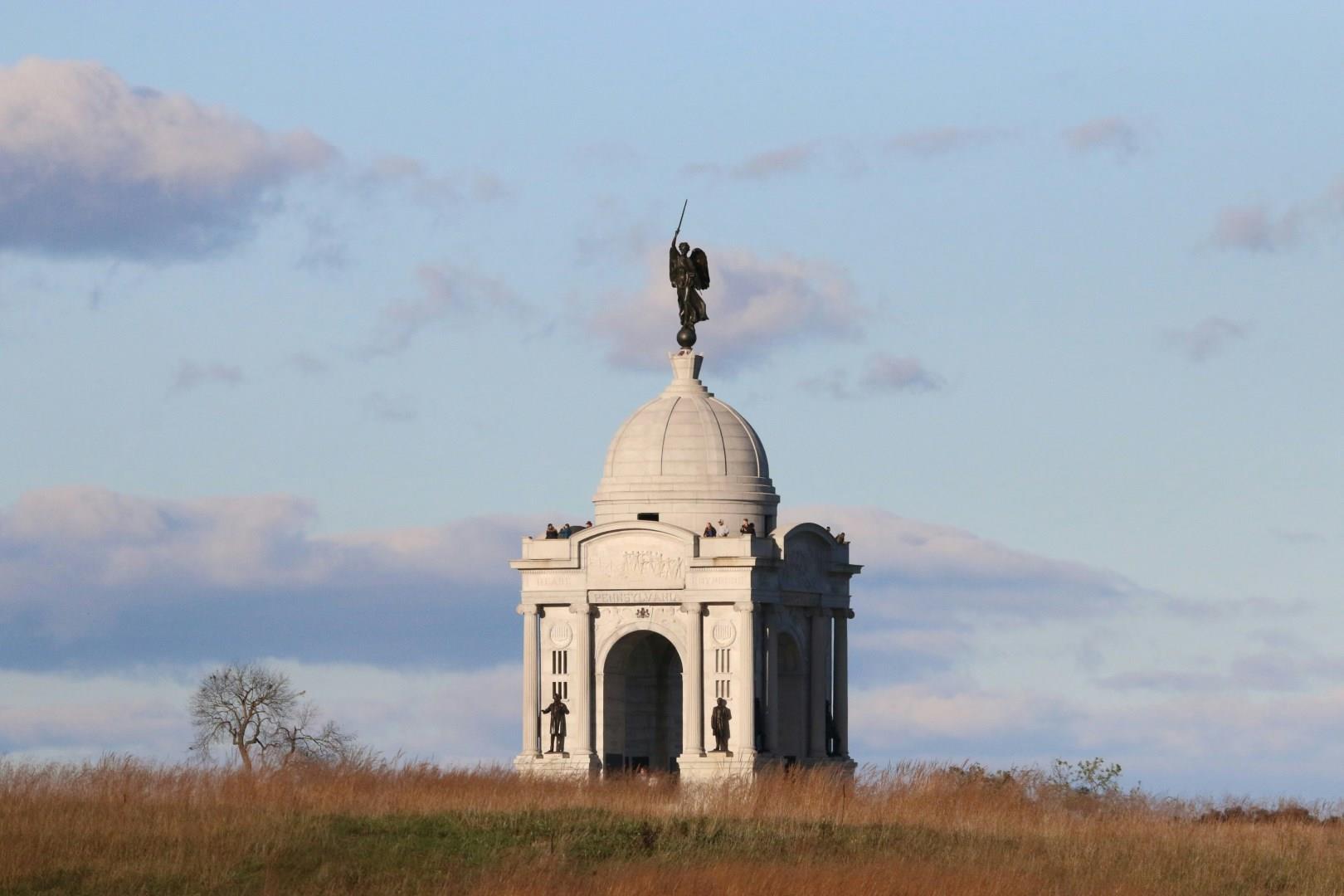
Gettysburg
Gettysburg, Pennsylvania is best known as the site of the most significant battle of the American Civil War, fought over three days in July 1863. Today, visitors can explore the 6,000-acre Gettysburg National Military Park, which preserves the battlefield in remarkable detail. Over 1,300 monuments, cannons, and markers dot the landscape, each telling a piece of the story. One of the most visited spots is Little Round Top, where Union forces held their ground in a pivotal moment of the battle.

Silistra
Silistra, a charming city located on the southern bank of the lower Danube River in Bulgaria, is a hidden gem that seamlessly blends ancient history with natural beauty. Founded by the Romans as Durostorum, Silistra is one of Bulgaria’s oldest cities, offering a wealth of historical sites that transport visitors back to the Roman Empire. The Silistra Roman Tomb, with its well-preserved frescoes, stands as a testament to the city’s rich past and is a must-visit for history enthusiasts.

Bari
Bari, the capital of Puglia in southern Italy, is a vibrant port city with a rich history and lively atmosphere. Begin your exploration at the Basilica di San Nicola, an iconic pilgrimage site housing the relics of Saint Nicholas. This Romanesque church, dating back to the 11th century, is renowned for its stunning architecture and historical significance (Basilica di San Nicola).

Skopje
Skopje, the capital of North Macedonia, offers a fascinating blend of ancient history and modern transformation. A walk through the city reveals layers of Roman, Byzantine, and Ottoman influences, making it a treasure trove for history lovers. Begin your journey at the iconic Stone Bridge, a symbol of the city that dates back to the 15th century, linking the Ottoman Old Bazaar with Skopje’s modern city center.
