

Caye Caulker
Caye Caulker lies off the coast of Belize, a small island that was once a quiet fishing village and today still feels wonderfully uncrowded compared to many Caribbean destinations. Its name likely comes from an English twist on “Hicaco,” the old Spanish name meaning coco plum, a nod to the island’s early days and bilingual roots.
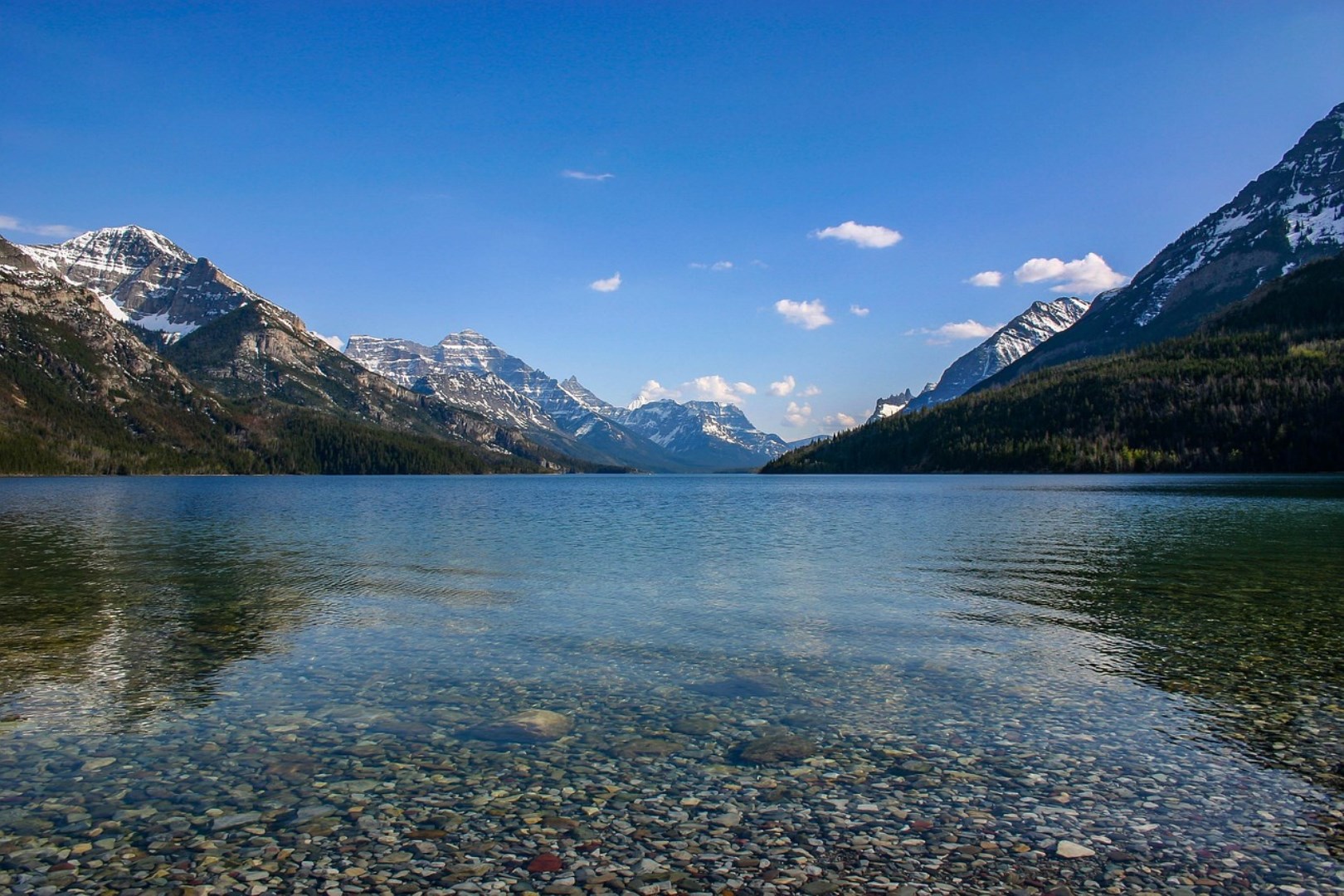
Waterton Lakes National Park
Together with neighboring Glacier National Park in the United States, Waterton Lakes National Park is part of the world's first international Peace Park, which was recognized as a UNESCO World Heritage Site in 1955. The Waterton-Glacier Peace Park protects an important biological crossroads where the Rocky Mountains reach their narrowest width. Waterton's bedrock is much older than that of the mountains to the north found in Jasper and Banff.
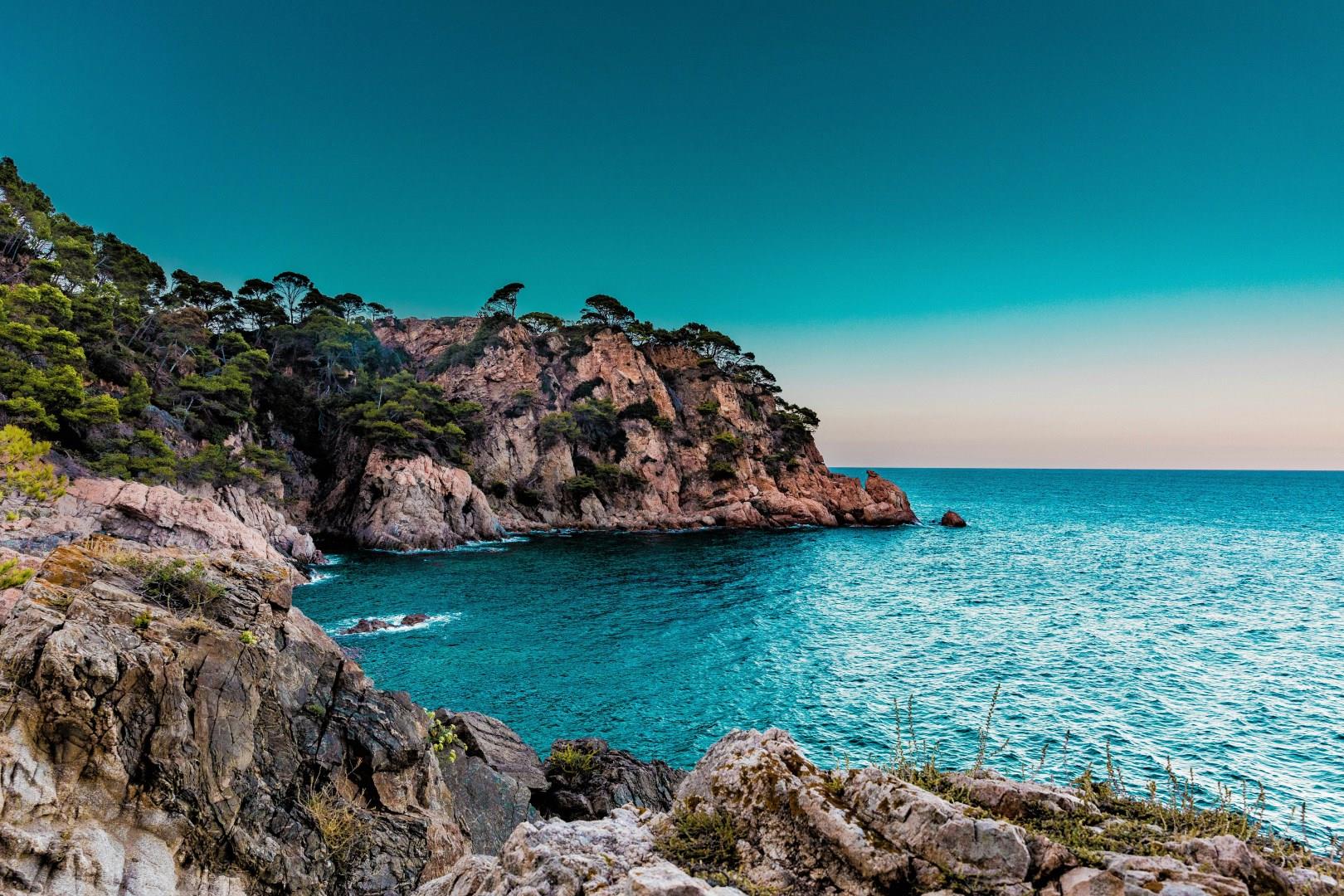
Marbella
Marbella, located between the Mediterranean Sea and the Sierra Blanca mountains, is often associated with its luxury resorts and famous marina, Puerto Banús. But beyond the polished storefronts and designer yachts, the city has a layered past. Its old town, known as Casco Antiguo, is a well-preserved network of narrow streets built during Moorish rule, with whitewashed buildings, flower-filled balconies, and hidden plazas like Plaza de los Naranjos, which dates back to the 15th century.

Berne
The superb city of medieval magic is the capital of Switzerland. Explore the magnificent museums filled with art treasures; enjoy the famous Berne Symphony Orchestra or visit the cozy, historical basement pubs, Kellerlokale.

Lithuania
Lithuania offers visitors a chance to explore a country where medieval traditions and modern culture meet. Vilnius, the capital, is known for its well-preserved Old Town, a UNESCO World Heritage site filled with winding streets, baroque churches, and cozy squares. Visitors can climb the hill to Gediminas’ Tower for a sweeping view of the city, or visit the Gates of Dawn, an important religious and historical monument that has welcomed travelers for centuries.
