

Phnom Penh
Phnom Penh, the capital of Cambodia, is a city where history, culture, and riverside life intersect. Situated at the confluence of the Mekong and Tonle Sap rivers, the city has a lively riverfront that serves as both a social gathering place and a hub for commerce.
Bandar Seri Begawan
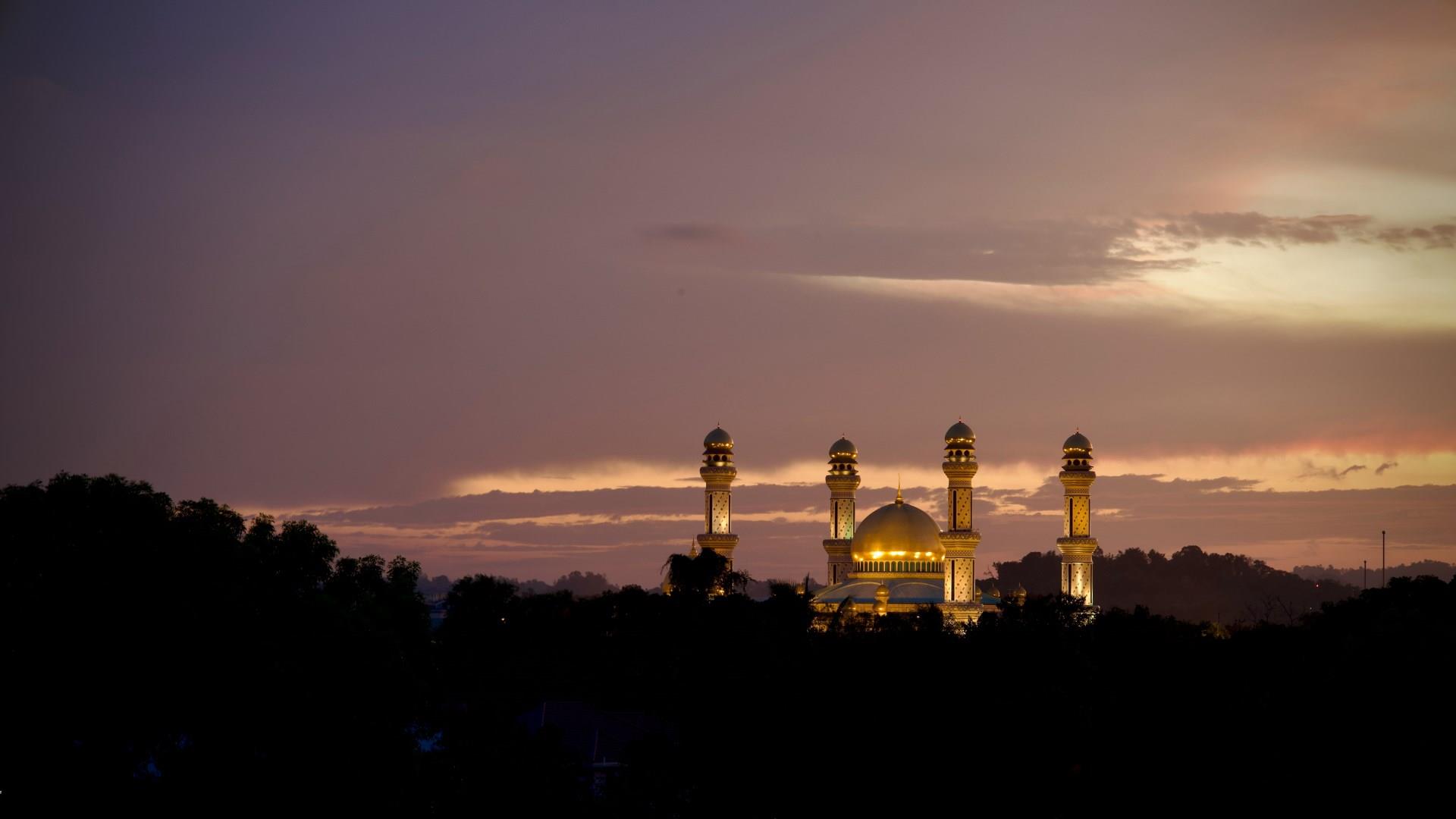
Bandar Seri Begawan, the capital of Brunei, sits along the Brunei River and combines traditional charm with modern infrastructure. The city is known for its stunning Islamic architecture, including the Sultan Omar Ali Saifuddien Mosque, with its golden dome and marble minarets reflecting in the surrounding water.
Milos
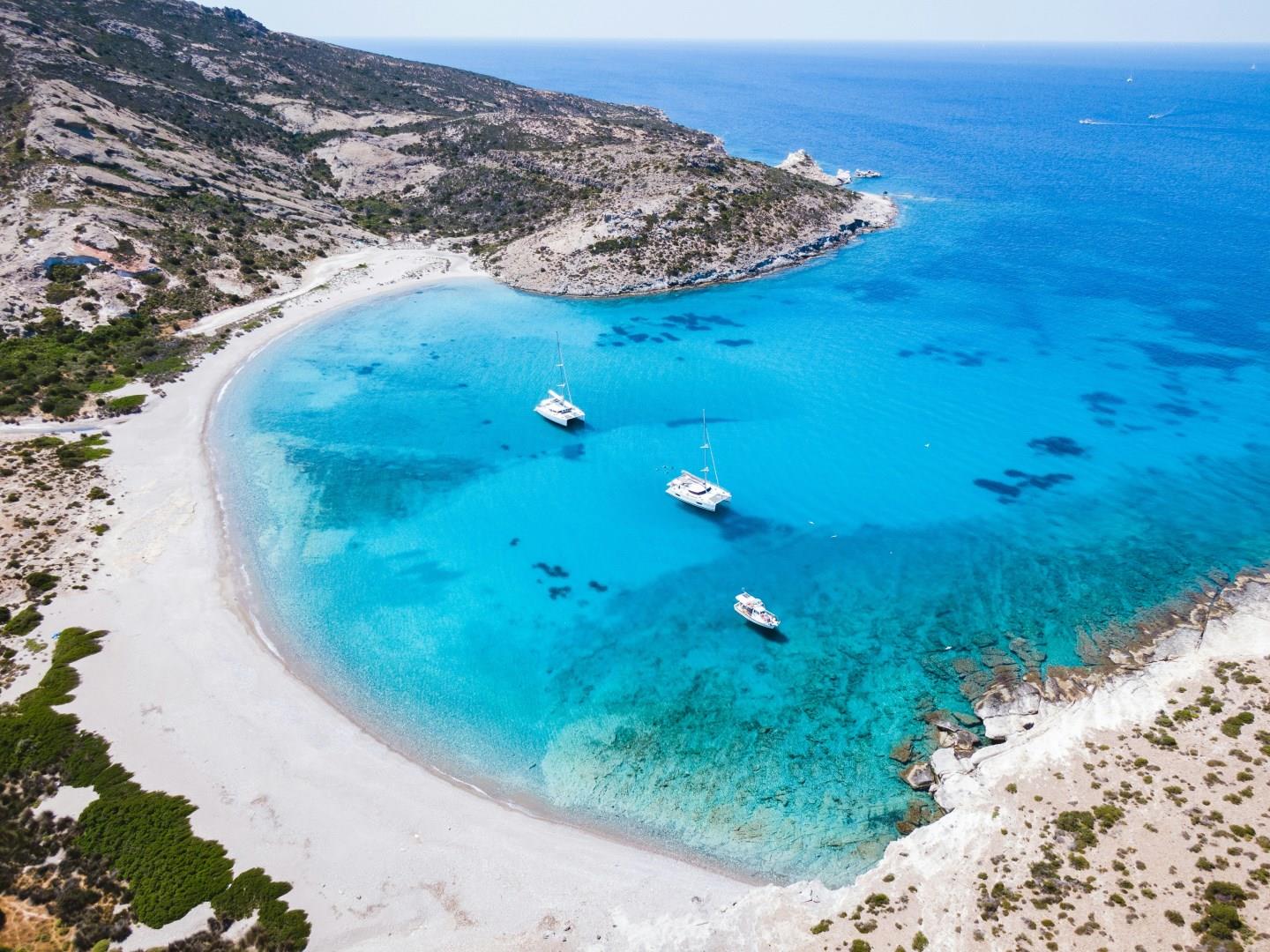
Milos is one of the most striking islands in the Aegean Sea, known for its otherworldly landscapes, turquoise coves, and centuries-old history. Shaped like a horseshoe, the island was formed by volcanic activity which left behind dramatic cliffs and hidden beaches carved from soft white rock. Visitors often find their first glimpse of Milos unforgettable, especially at Sarakiniko Beach where smooth, chalk-white formations contrast with the vivid blue water.
Basse-Terre
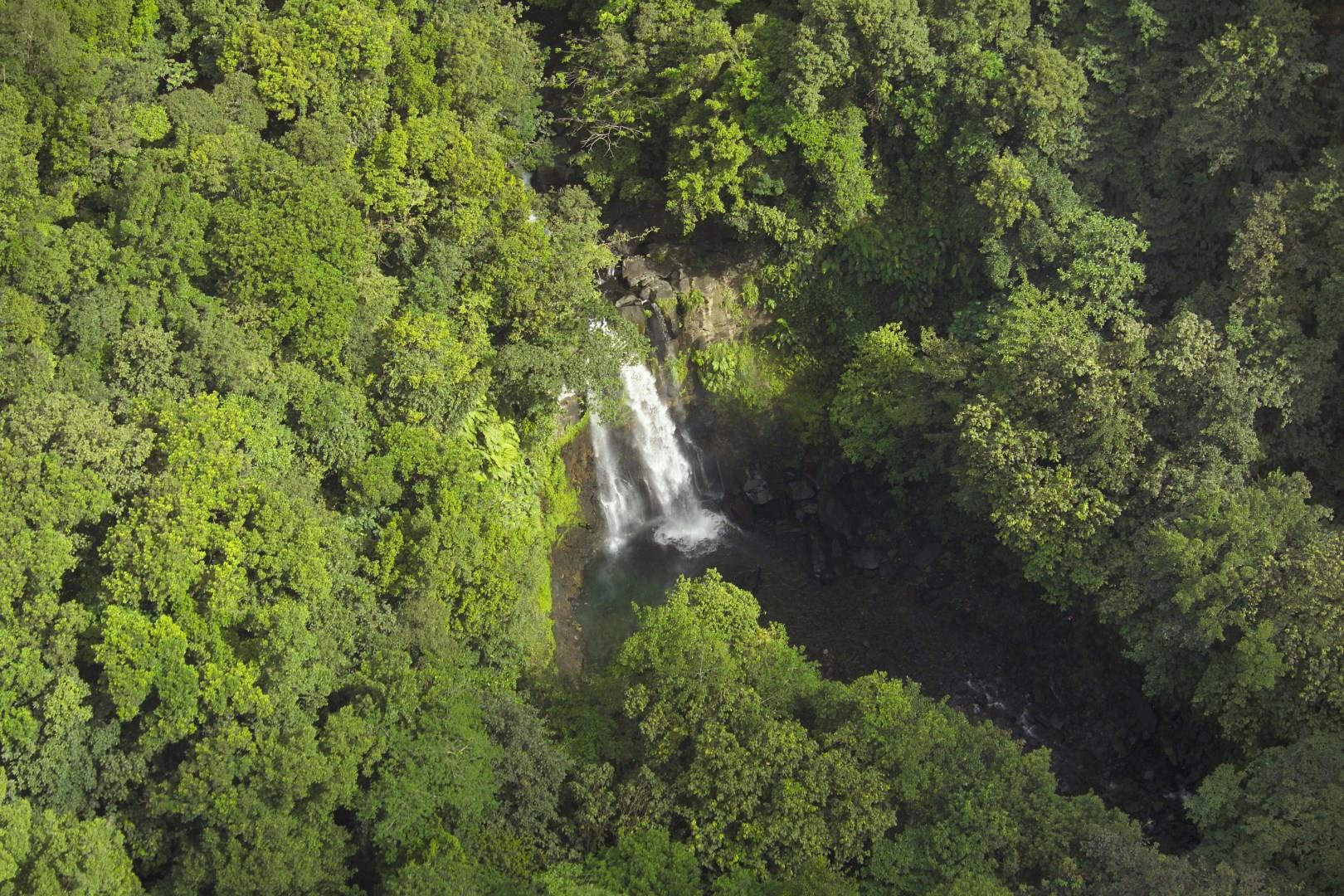
Basse-Terre, the western half of Guadeloupe, is a haven for nature enthusiasts and adventure seekers. Dominated by the towering La Soufrière volcano, the island boasts lush rainforests, dramatic waterfalls, and black sand beaches.
Panama City
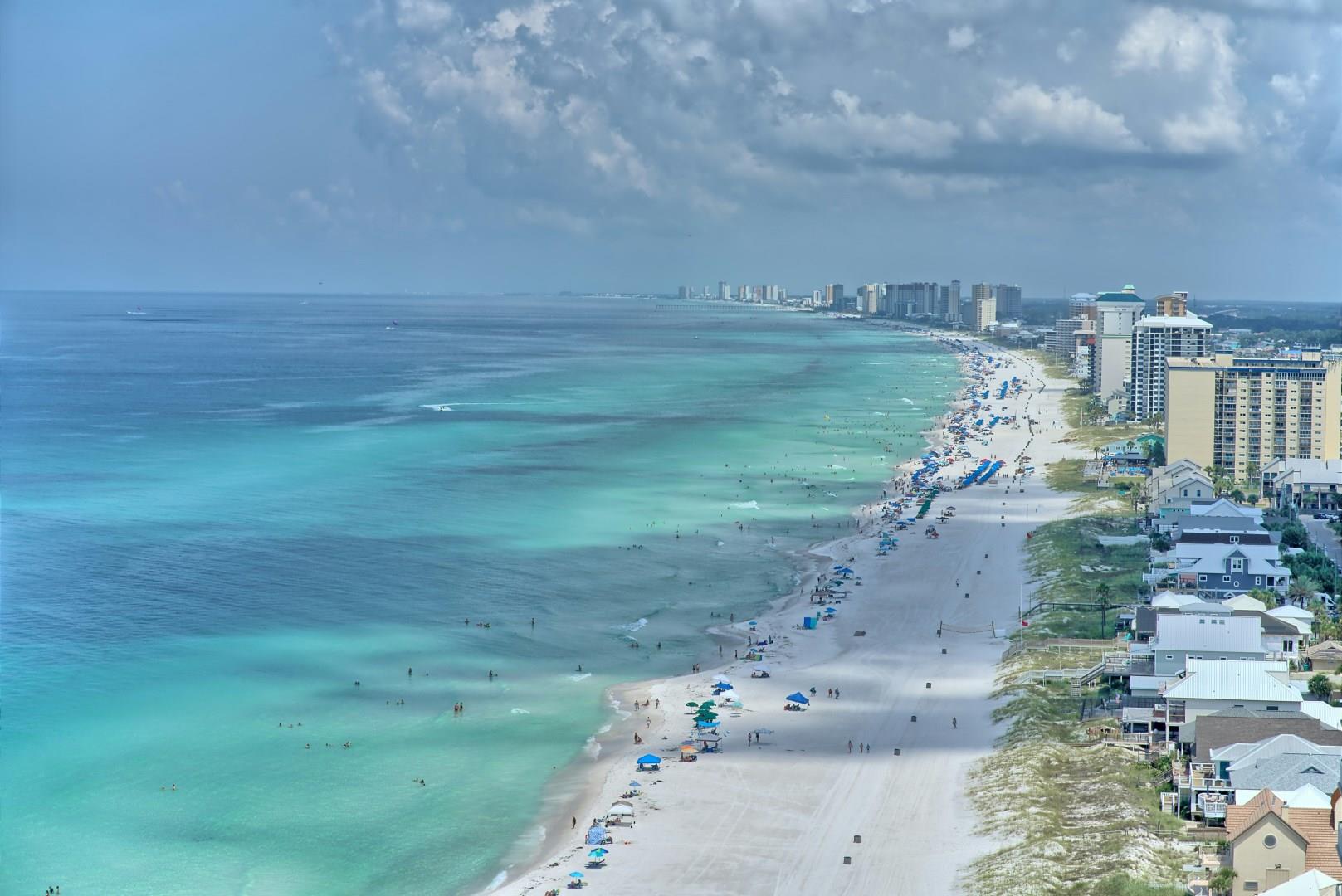
Panama City, Florida, sits along the Gulf Coast where maritime history and modern beach culture intersect. Originally tied to shipbuilding and fishing, the city developed around St. Andrews Bay, which still anchors local identity through working marinas and long-established neighborhoods.
