
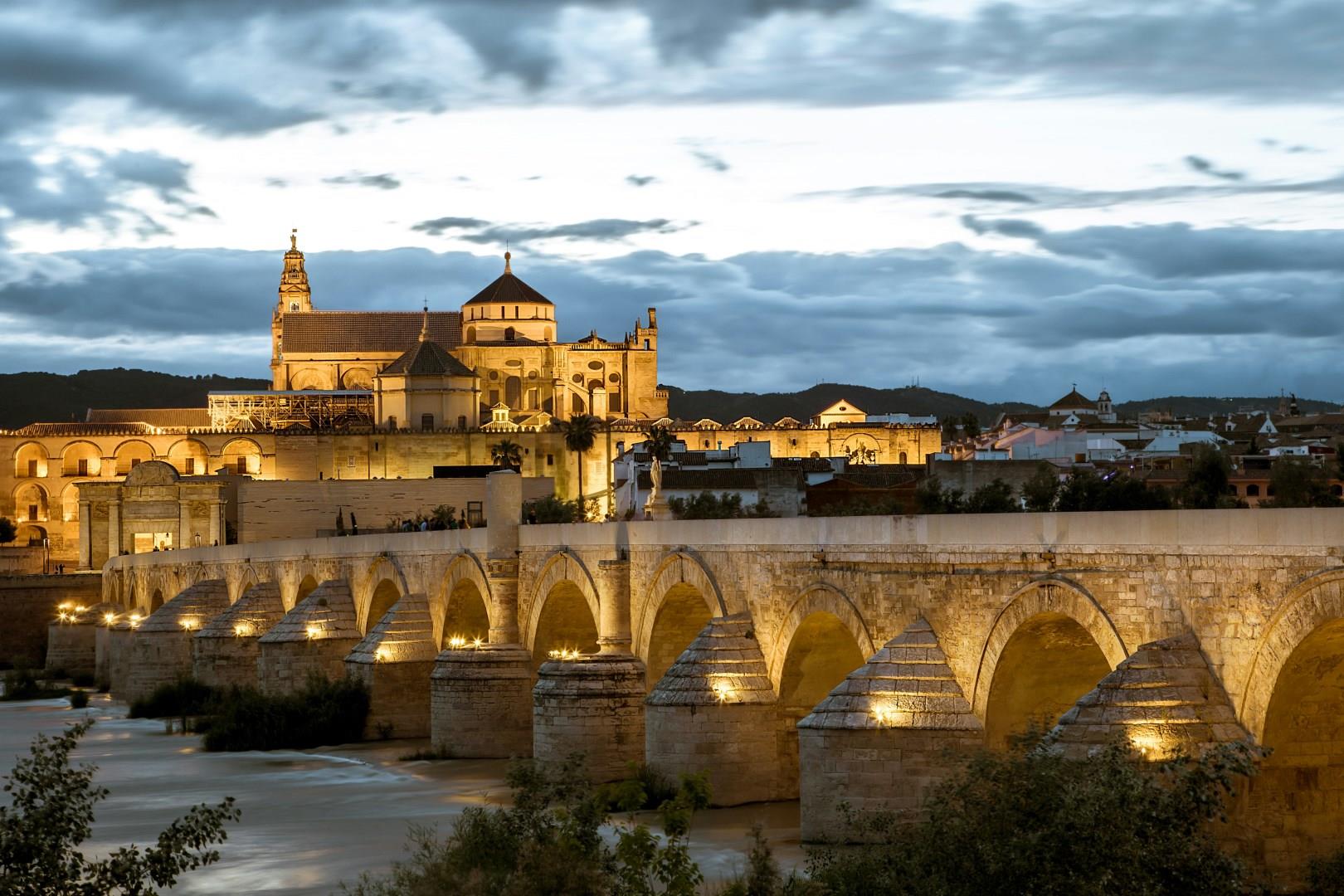
Córdoba
Córdoba, located in the heart of Andalusia, was once the most advanced city in Western Europe. During the 10th century, it served as the capital of Al-Andalus and was a center for learning, science, and art. Today, visitors walk the same streets that philosophers, poets, and physicians once crossed. The city’s most famous landmark, the Mezquita-Catedral, reflects its layered past. The red and white horseshoe arches inside are one of the most photographed interiors in Spain.

Belém
Belém do Pará sits at the edge of the Amazon, where river and bay meet in a landscape with activity and color. The Ver-o-Peso Market spreads along Guajará Bay, welcoming early morning boats laden with fresh fish, herbs, fruits, and Amazonian goods. Recognized by UNESCO as a Creative City of Gastronomy, the local cuisine marries Indigenous, Portuguese, and African traditions to create dishes found nowhere else.

Seward
This quaint port city is breathtakingly beautiful! Surrounded by peaks, Seward fjords are the perfect whale and porpoise habitat, and both seals and puffins fill the Alaska SeaLife Center. Those looking for a challenge can hike the western trail to the summit of Mount Marathon.

Phuket
Phuket, Thailand’s largest island, has long served as a cultural and trade crossroads in the Andaman Sea. Centuries ago, it was a stopover for merchants trading tin, spices, and textiles, with influences from Chinese, Portuguese, Indian, and Malay travelers still reflected in the island’s architecture and cuisine. Inland, the Khao Phra Thaeo Wildlife Sanctuary protects rainforest habitat home to gibbons, civets, and exotic birds.
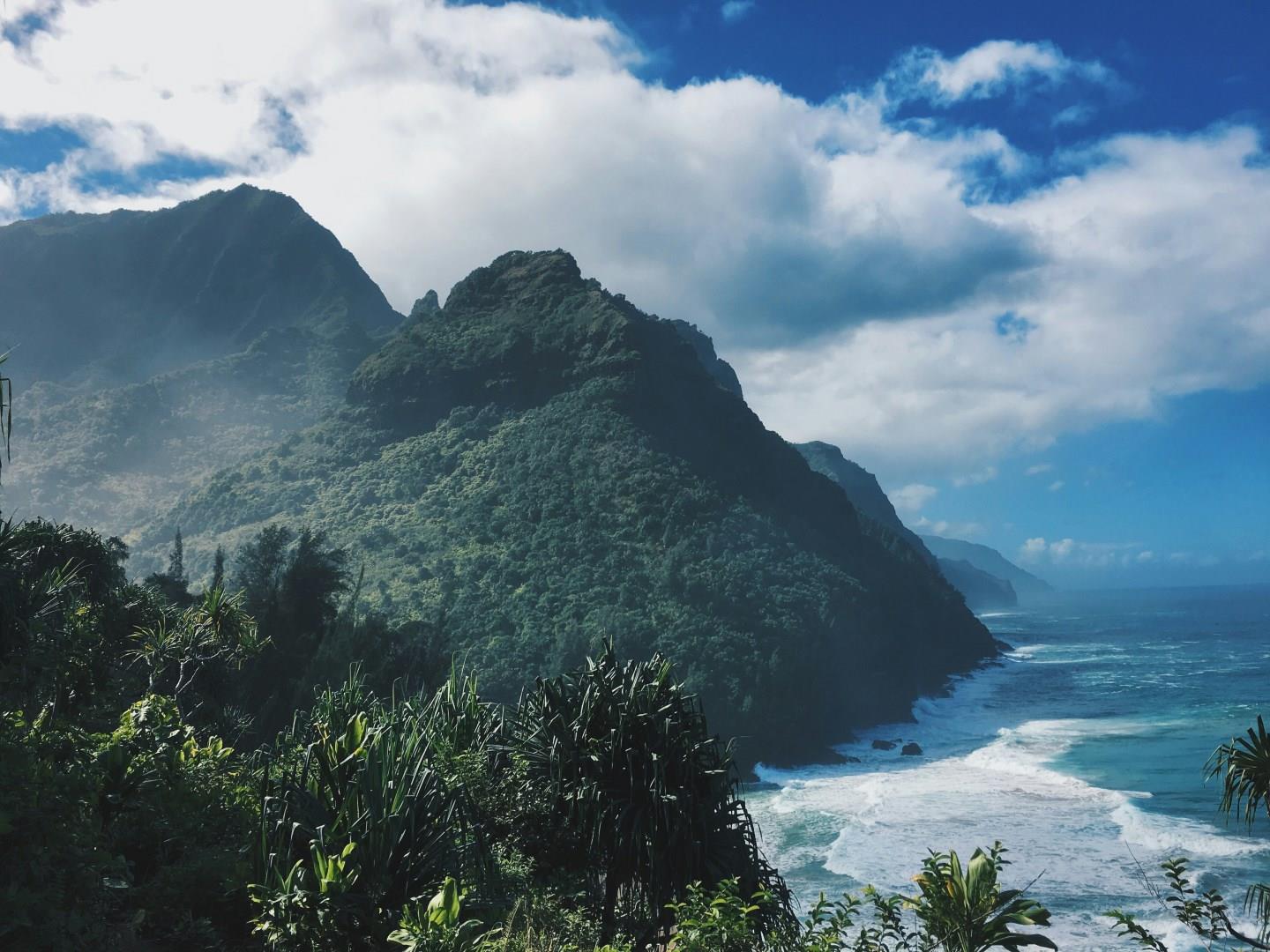
Kapaa, Kauai
Kapaa, a coastal town on the east side of Kauai, offers a laid-back alternative to Hawaii’s more developed resort areas. Despite its small size, Kapaa is one of the most populated towns on the island, making it a central hub for exploring the Coconut Coast, a stretch of shoreline dotted with towering palms and scenic overlooks.
