

Umbria
Nestled in the heart of Italy, Umbria is often called the "Green Heart of Italy" due to its lush landscapes and rolling hills. This region offers visitors a tranquil escape from the bustling cities, with medieval hilltop towns, rich history, and exceptional cuisine. Perugia, Umbria's capital, is a cultural hub known for its well-preserved Etruscan history, including the Etruscan Well and Arco Etrusco, a gateway dating back to the third century BC.

Ephesus
Once the commercial center of the ancient world, Ephesus is an archaeological splendor and an essential stop on any visit to Turkey. The city, whose wealth and patronage support its splendid architectural program, was dedicated to the goddess Artemis.

Rousse
Rousse, Bulgaria, often referred to as "Little Vienna," sits gracefully on the banks of the Danube River. Known for its rich history, stunning architecture, and vibrant culture, Rousse offers a glimpse into Bulgaria's past while embracing the future. The city's central square, Svoboda (Freedom) Square, is a great starting point for exploring.
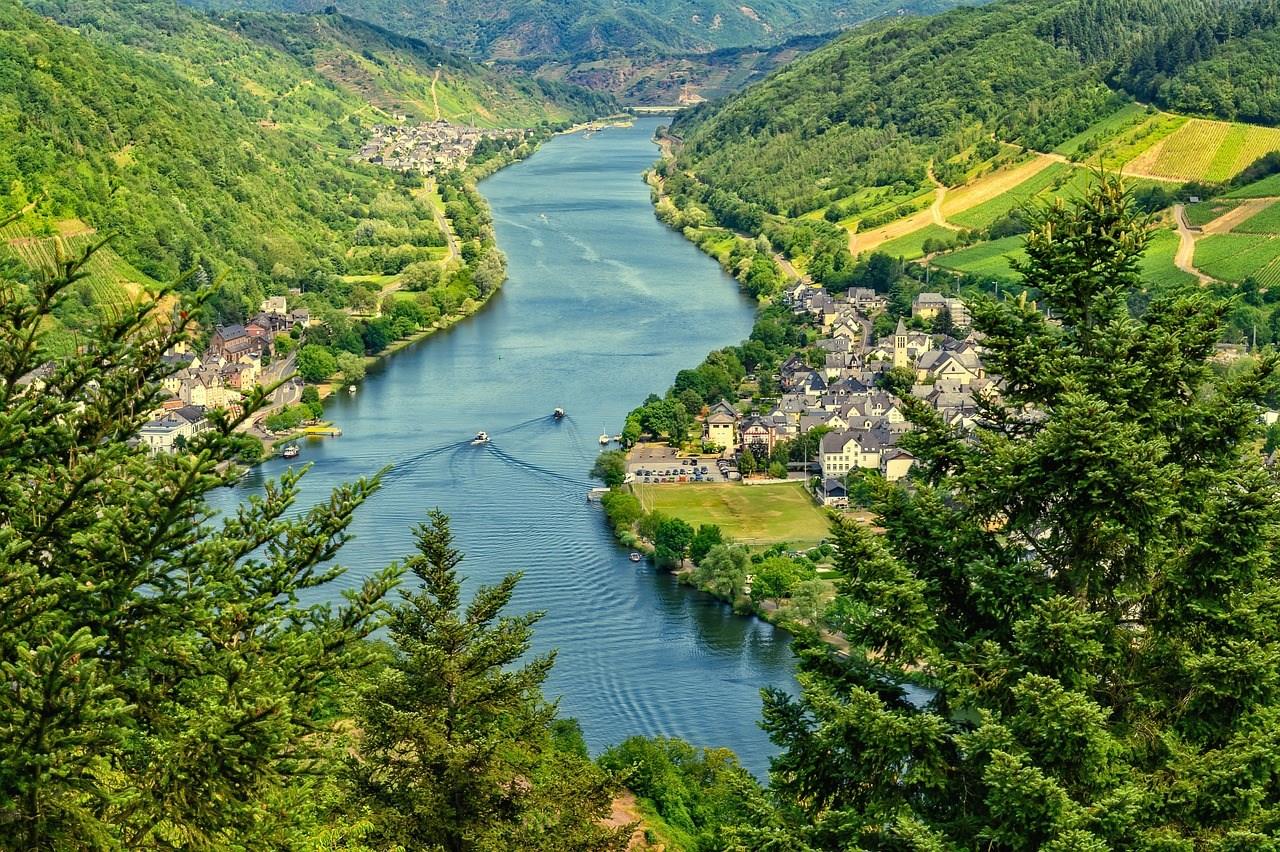
Moselle River
A tributary of the Rhine, the Moselle River flows through France, Luxembourg and Germany. The Moselle also lends its name to a region of France, a valley which it bisects, and a wine produced along its banks.
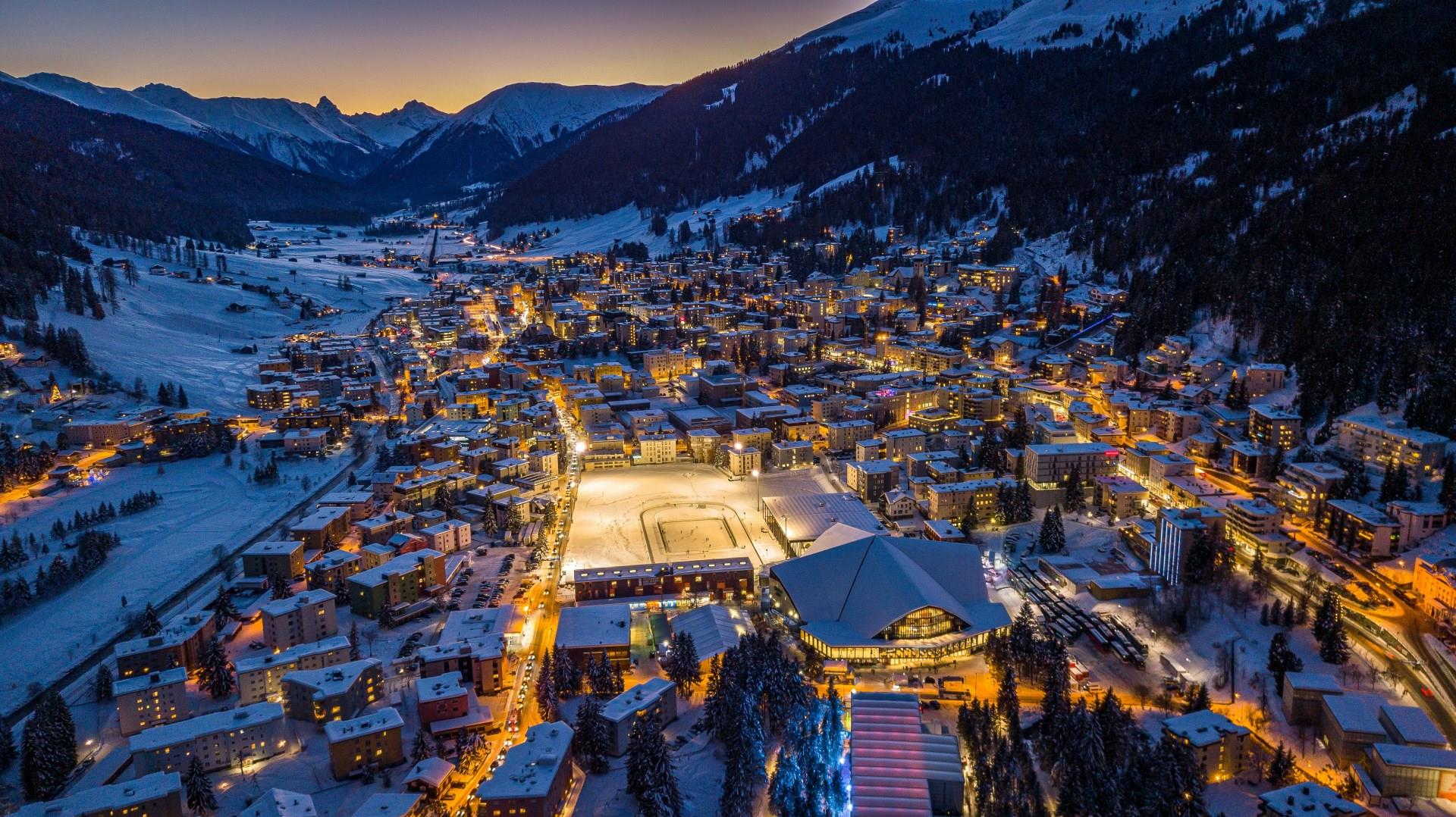
Davos
Davos, located in the Swiss canton of Graubünden, is the highest town in Europe at 1,560 meters above sea level and known for its alpine sports and outdoor activities. In winter, it offers over 300 kilometers of ski slopes shared with neighboring Klosters, along with cross-country trails and Europe’s largest natural ice rink. In summer, the same mountains transform into hiking and mountain biking routes, including the panoramic Jakobshorn and Parsenn areas.
