
Catania
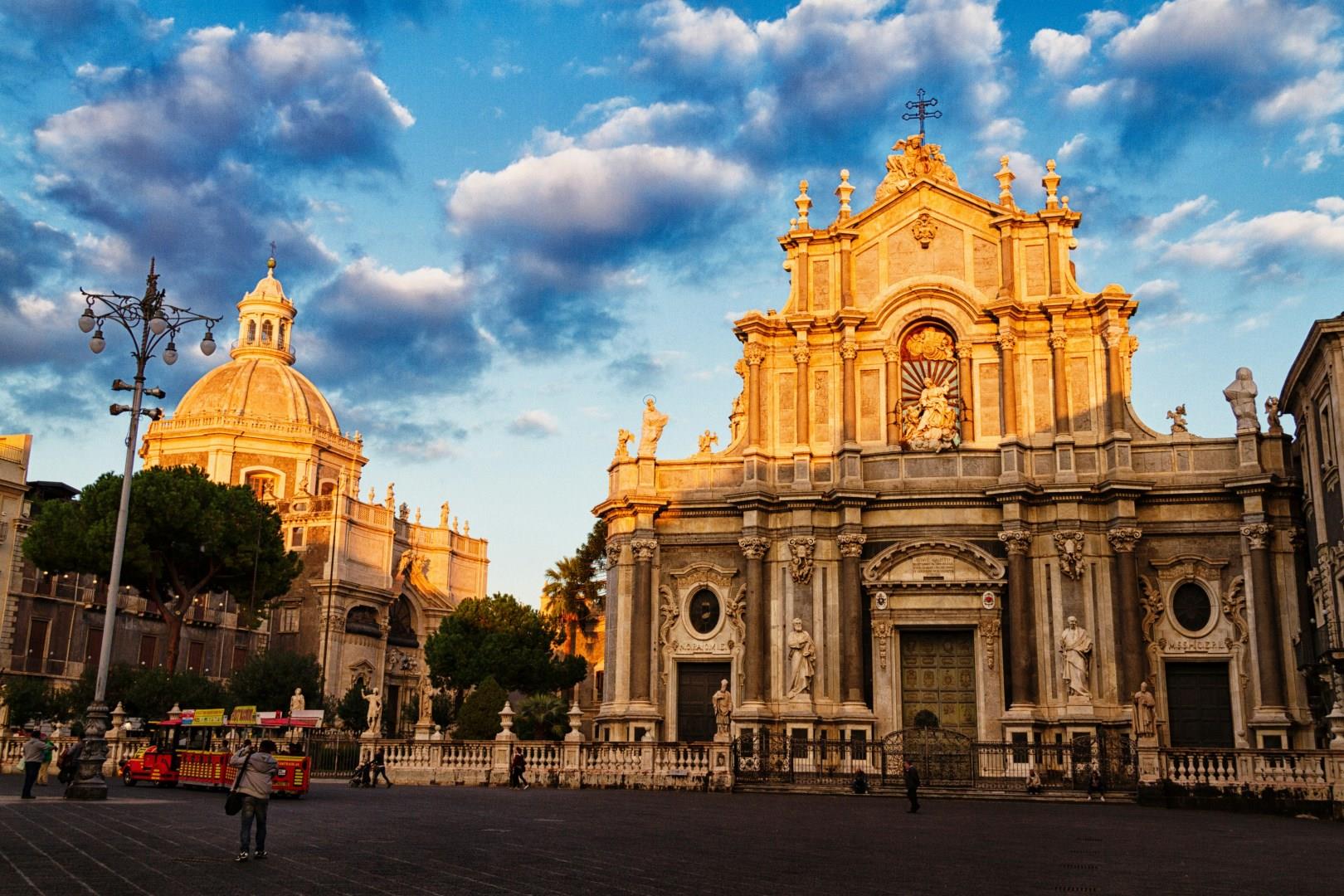
Catania, nestled on the eastern coast of Sicily, is a city shaped by fire and stone. Built from the black lava of Mount Etna, it’s a landscape filled with energy and contrasts from its Baroque palaces to its open air fish markets. At the heart of the city stands the Piazza del Duomo, where the iconic Fontana dell’Elefante, which is carved from volcanic rock, greets every visitor who passes by.
Derry
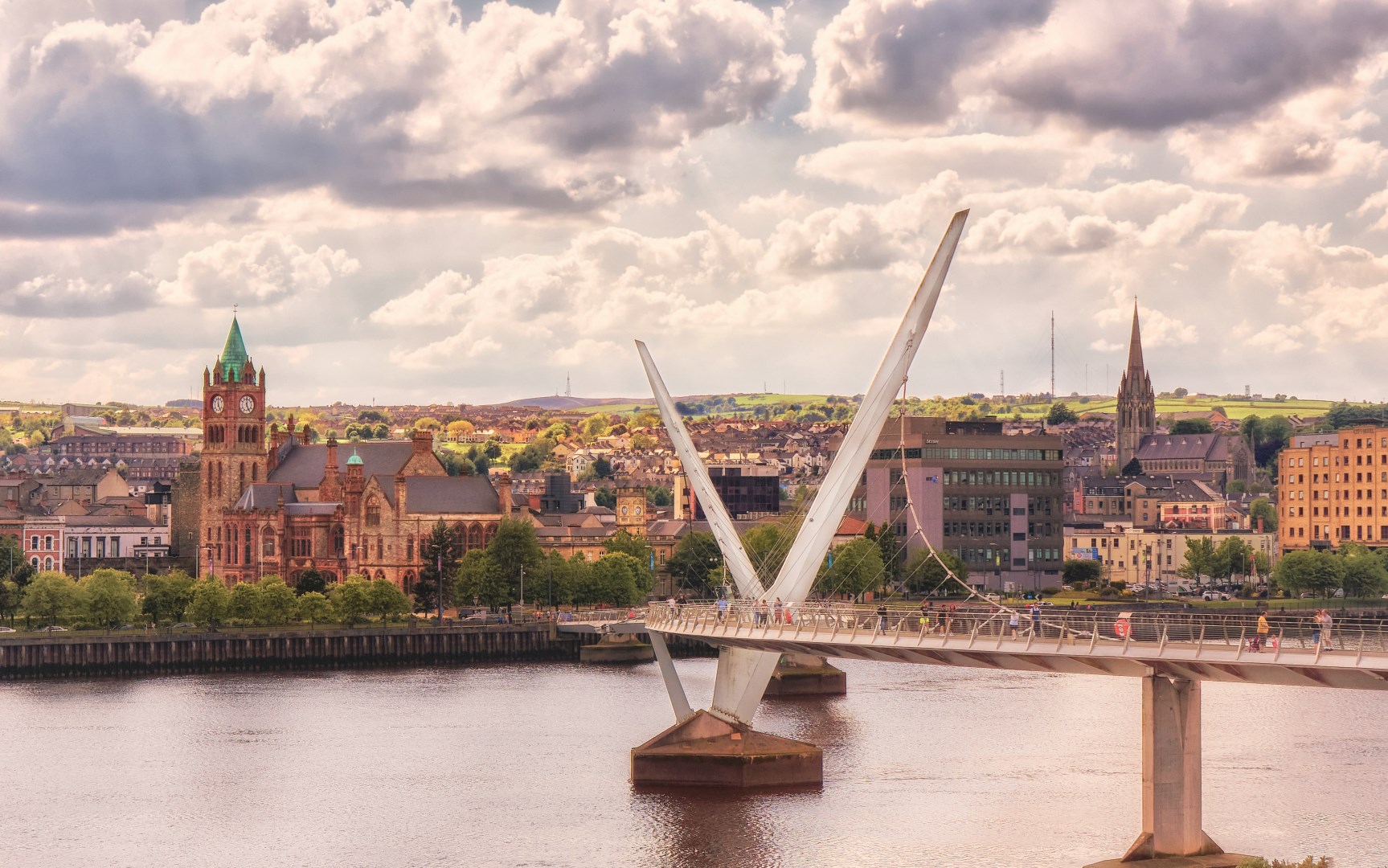
Derry stands on the banks of the River Foyle in Northern Ireland and is known for its intact seventeenth-century city walls, steep streets, and strong local identity.
Springdale
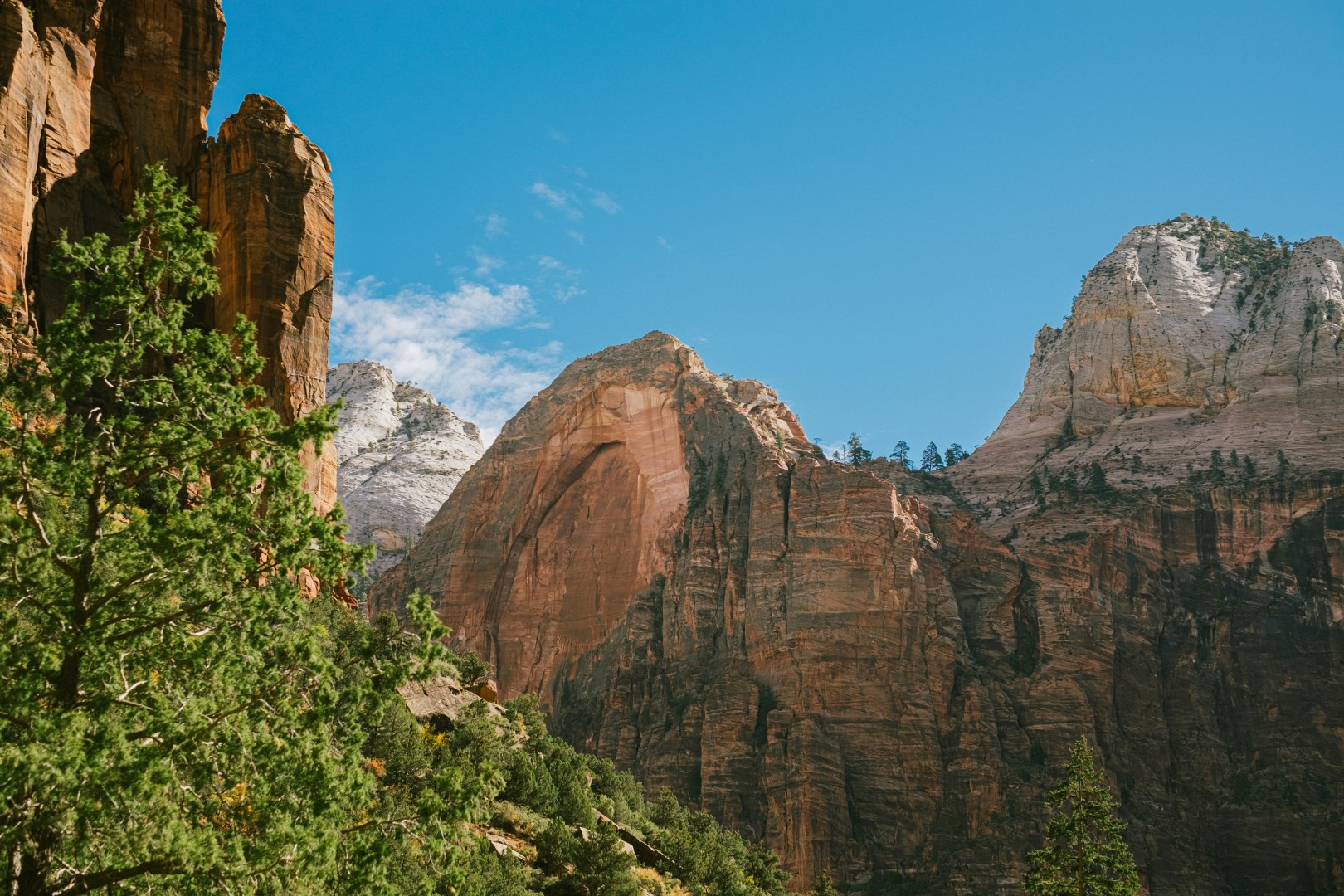
Springdale, Utah sits at the entrance to Zion Canyon, serving as the gateway to one of the most striking landscapes in the American Southwest. The town stretches along a scenic road framed by red rock cliffs that rise sharply on either side, creating a setting that feels closely tied to the land around it. Visitors often find that even a simple walk through town offers uninterrupted views of sandstone formations that shift in color throughout the day, from pale orange to deep red.
Nazca
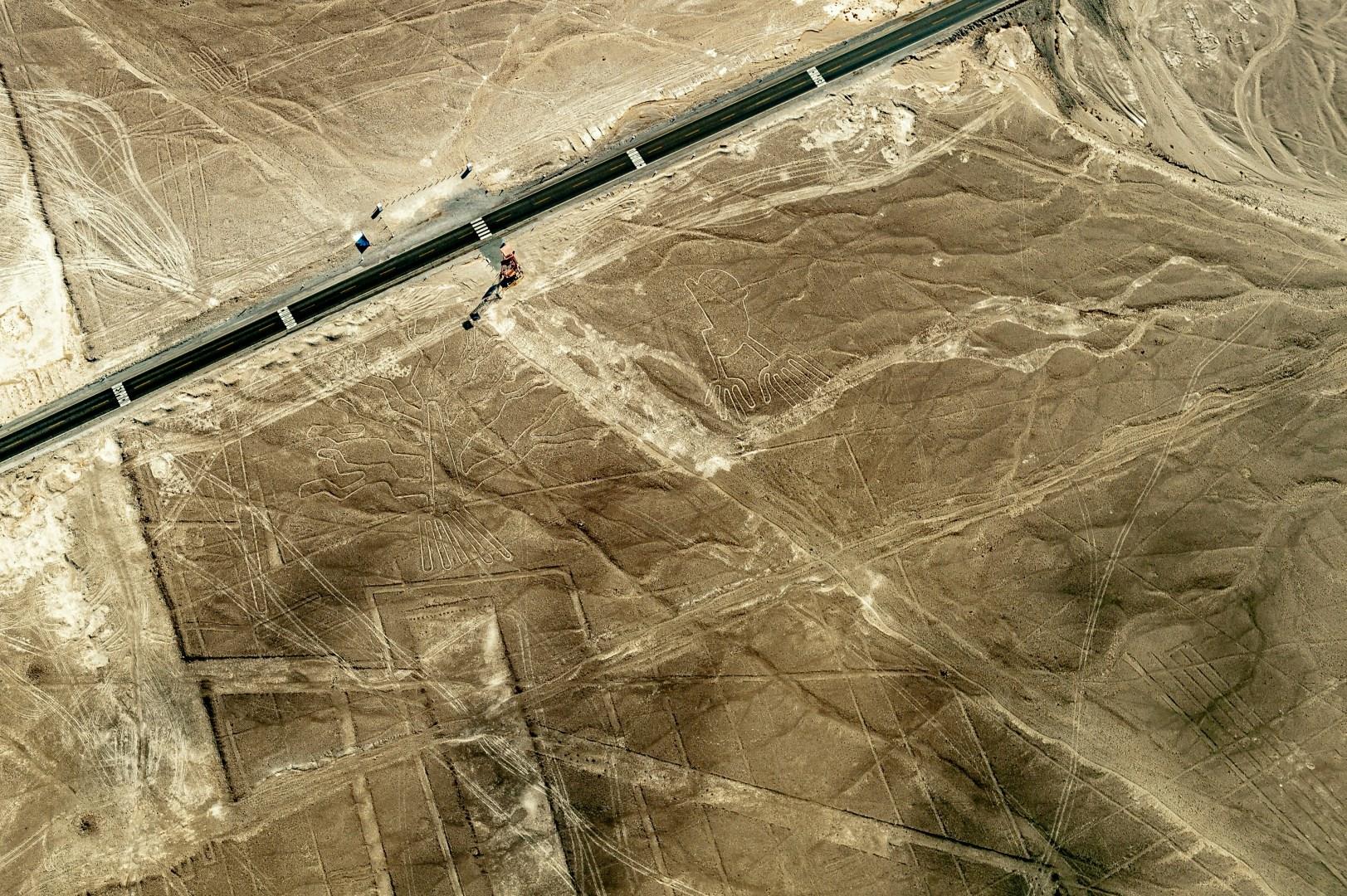
In the southern deserts of Peru, Nazca invites visitors to look beyond the horizon. This small city is world-famous for the mysterious Nazca Lines, enormous geoglyphs etched into the desert floor more than 1,500 years ago. From the air, shapes like hummingbirds, monkeys, and even a stylized astronaut come into view, some stretching over 300 meters. Their exact purpose remains a mystery, fueling decades of theories.

Stykkishólmur
Nestled on the northern coast of Iceland's Snæfellsnes Peninsula, Stykkishólmur is a charming coastal town known for its scenic beauty and maritime heritage. Often referred to as the gateway to the Westfjords, Stykkishólmur is the ideal base for exploring the stunning landscapes of this less-traveled part of Iceland. The town's picturesque harbor, lined with colorful houses and fishing boats, offers a quintessential Icelandic coastal experience.
