
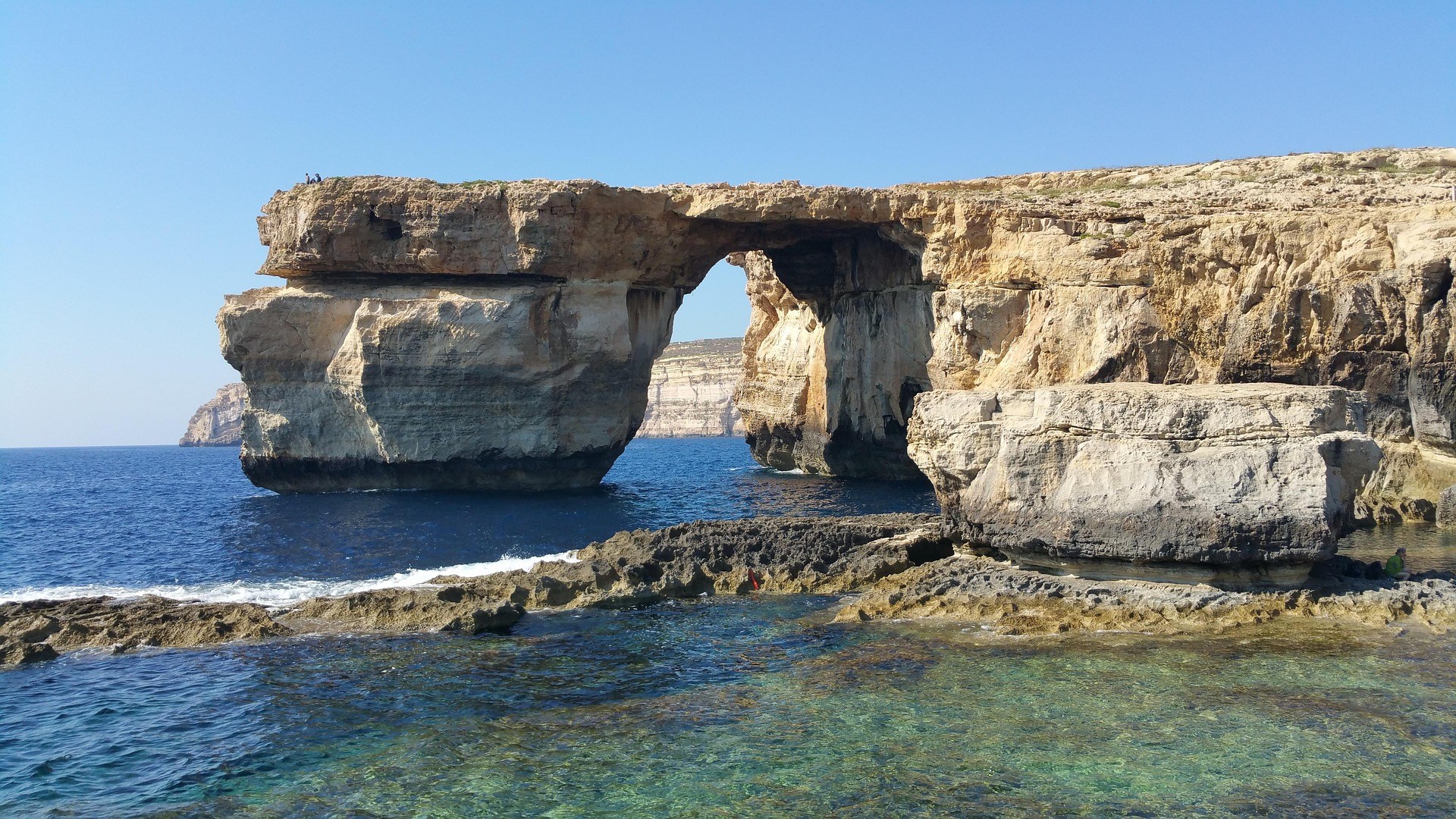
Gozo Island
Gozo, the smaller sister island of Malta, offers a tranquil contrast to the busier main island, blending rich history, rugged landscapes, and a slower pace of life. Known for its rolling hills, picturesque villages, and dramatic coastline, Gozo has preserved much of its rural charm, allowing visitors to step back into centuries of Mediterranean culture and tradition.
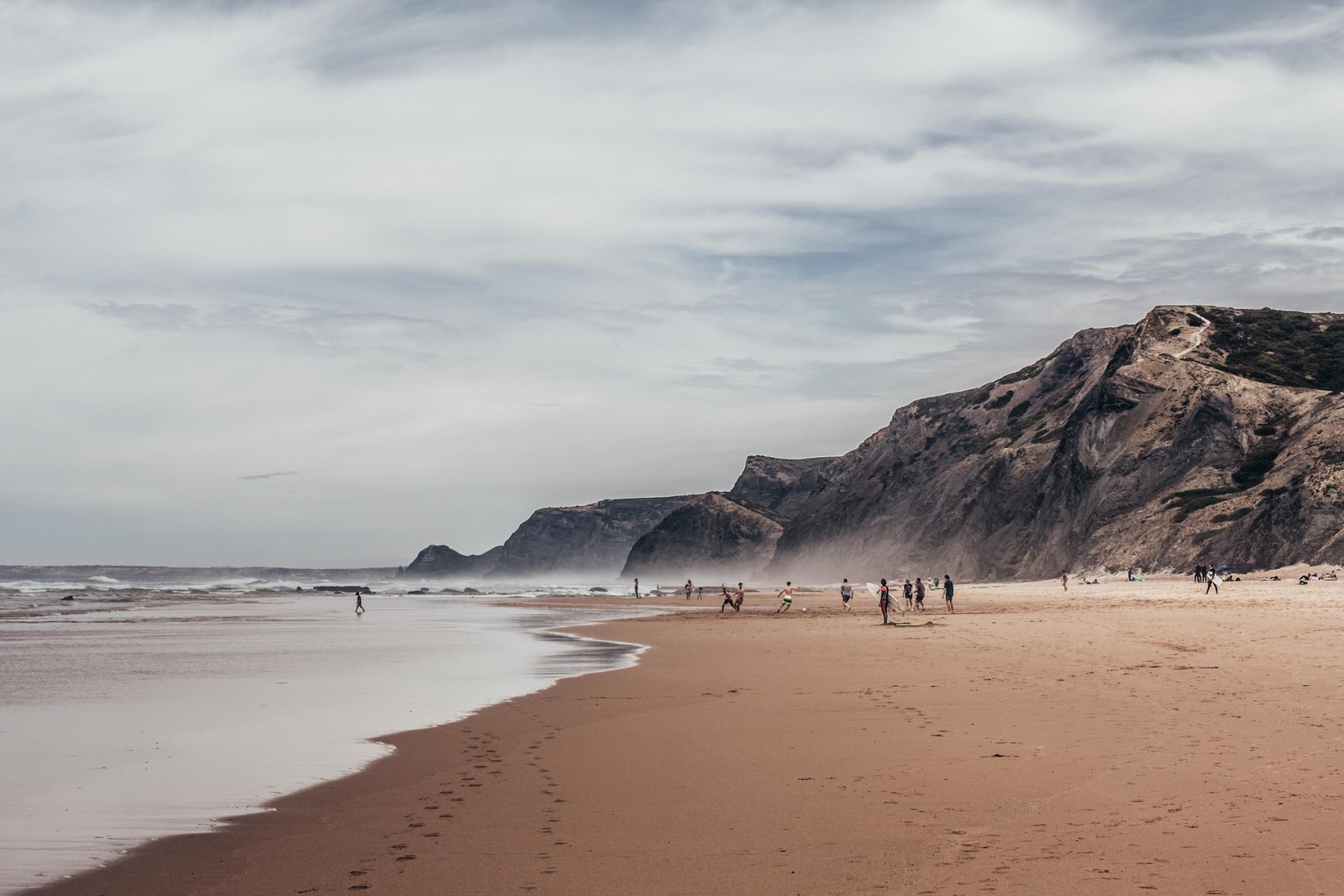
Faro
This is the most Moorish part of Portugal, the rich plain south of the Serra do Caldeirao, scalloped by the beaches and headlands of the Algarve. It is where, in early spring, blossoming almond trees carpet the still-brown hillsides with drifts of snow-like flowers, and the plain white facades of little houses are topped by intricately pierced chimneys that look like ice-cream cones.

Denmark
Denmark is a country shaped by water, wind, and centuries of human ingenuity. In places like Roskilde, visitors can see five original Viking ships at the Viking Ship Museum and even try rowing a replica longboat across the fjord. In Copenhagen, the harbor once used by merchants and sailors now welcomes swimmers, kayakers, and ferries, with historic warehouses repurposed into restaurants and museums.
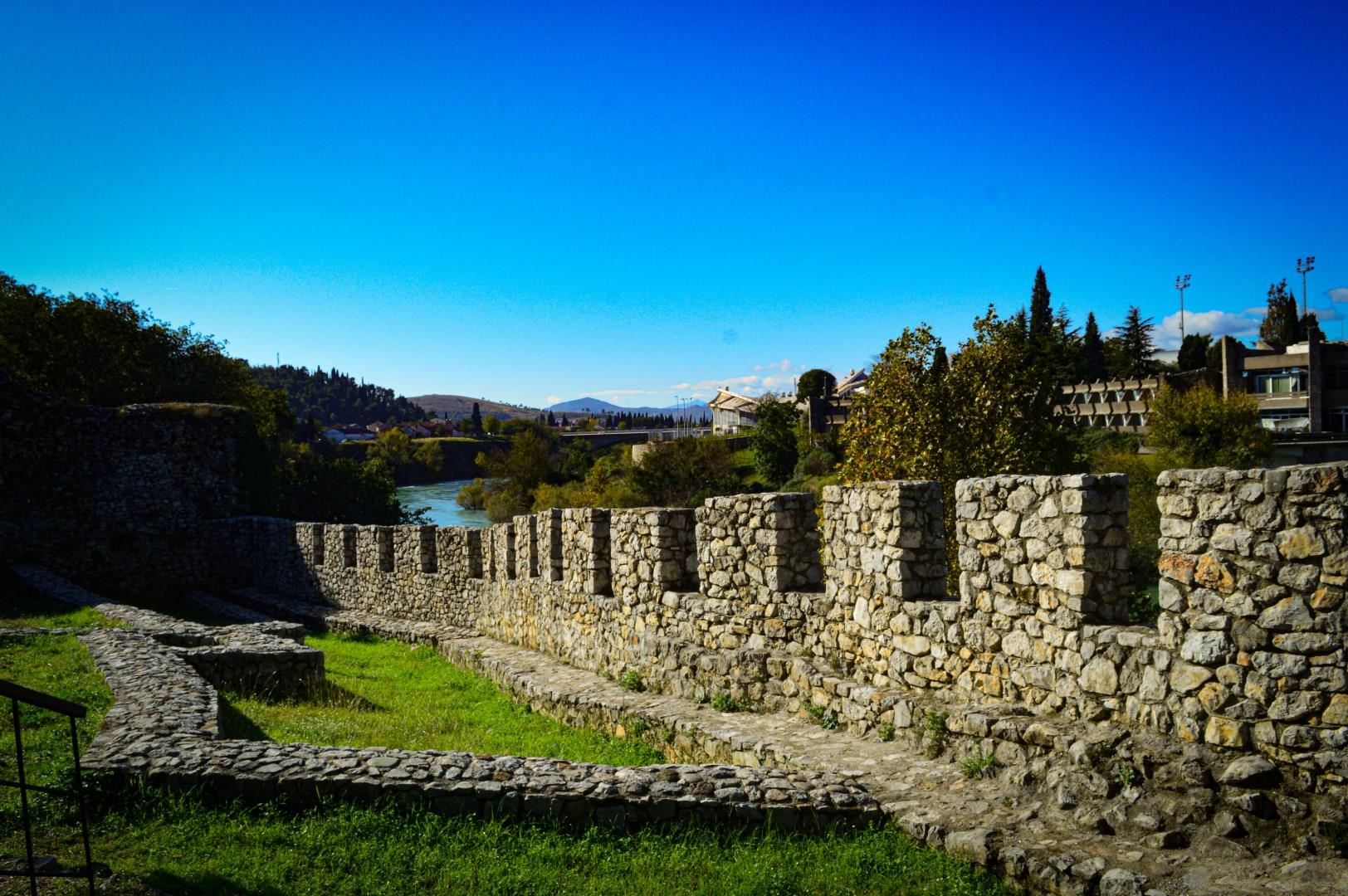
Podgorica
Podgorica, the capital of Montenegro, showcases the country’s contrasting landscapes and deep-rooted history. Although much of the city was rebuilt after World War II, traces of its Roman and Ottoman past still remain. Visitors can explore the ruins of Doclea, a Roman settlement just outside the city, where surviving columns and mosaics give a glimpse into life nearly two millennia ago.
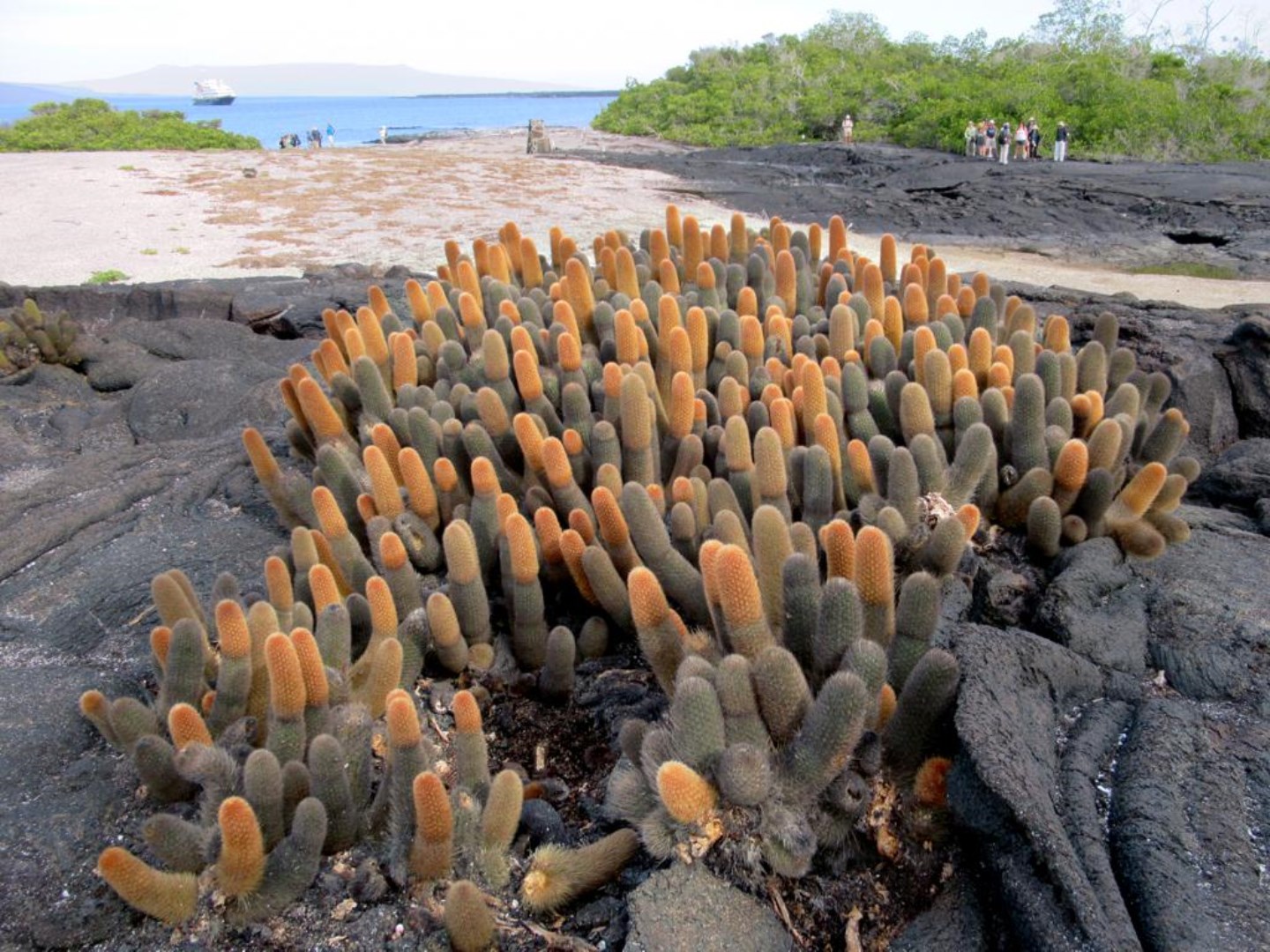
Punta Espinosa
Punta Espinosa is located on Fernandina Island in Ecuador’s Galápagos archipelago, an island shaped by recent volcanic activity and isolated landscapes. The site is known for its dark lava fields, sparse vegetation, and large populations of marine iguanas resting along the shoreline.
