
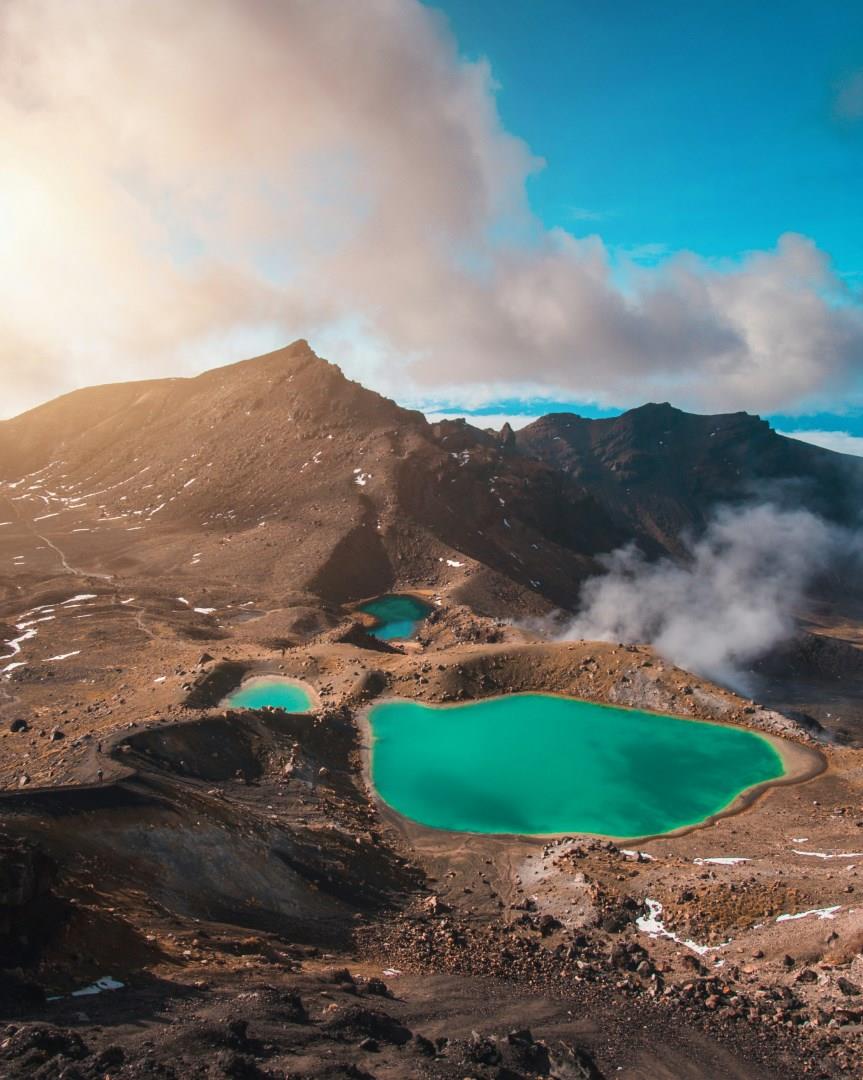
Tongariro National Park
Tongariro National Park, on New Zealand’s North Island, holds deep cultural meaning as well as striking geological presence. It was the country’s first national park, gifted to the nation by Ngāti Tūwharetoa chiefs in the 19th century, establishing a model that tied conservation to Māori guardianship. The volcanic peaks of Tongariro, Ngāuruhoe, and Ruapehu are considered ancestors, giving the landscape a living cultural identity rather than a purely scenic one.
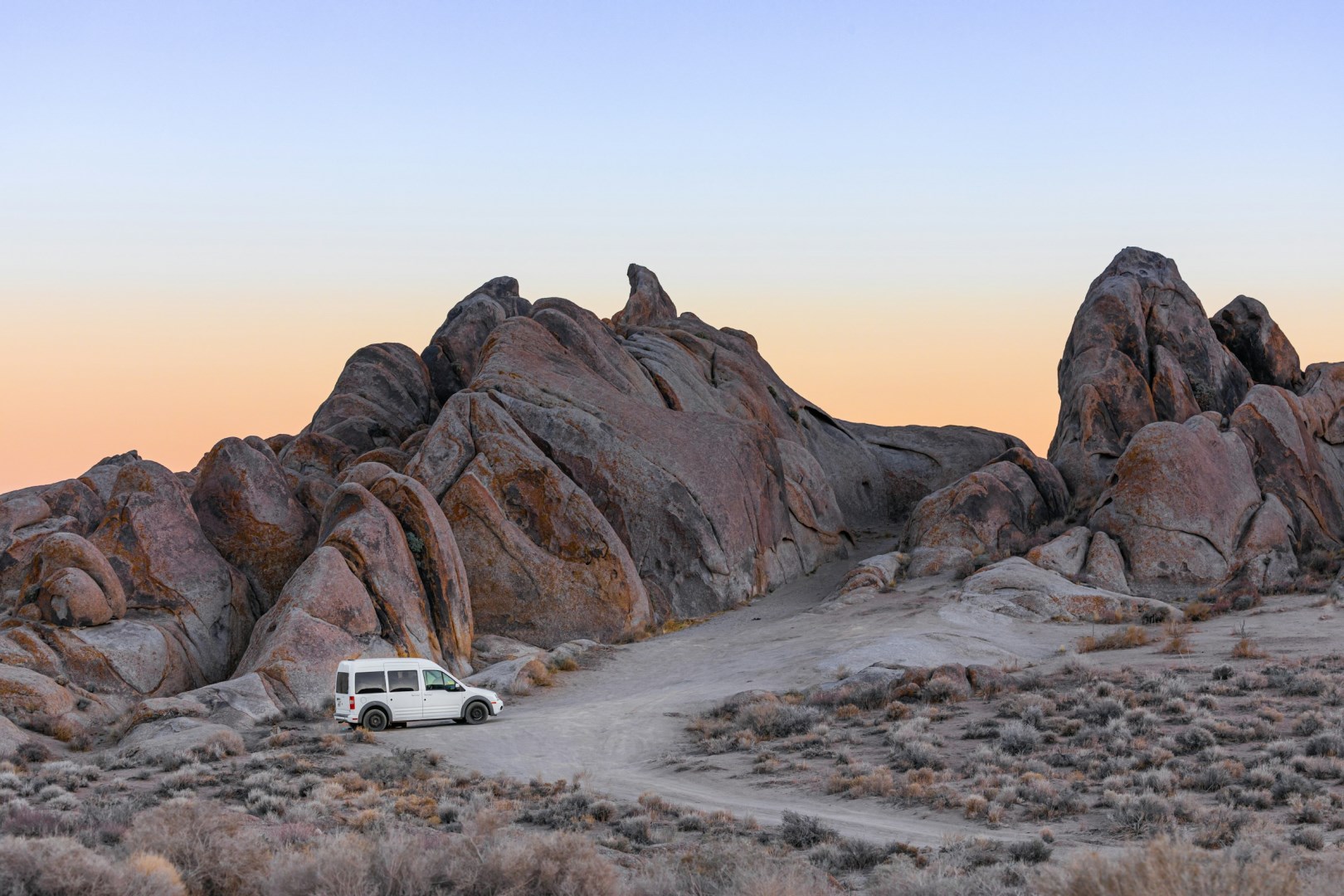
Lone Pine
The Alabama Hills are one of Lone Pine’s most recognizable attractions, with rounded orange and brown rock formations set against the steep Sierra Nevada. Numerous roads and trails provide access to arches, boulders, and viewpoints across the area. Mount Whitney, the highest summit in the contiguous United States, rises west of town, while the Inyo National Forest and surrounding wilderness areas provide opportunities for hiking, climbing, fishing, and wildlife observation.
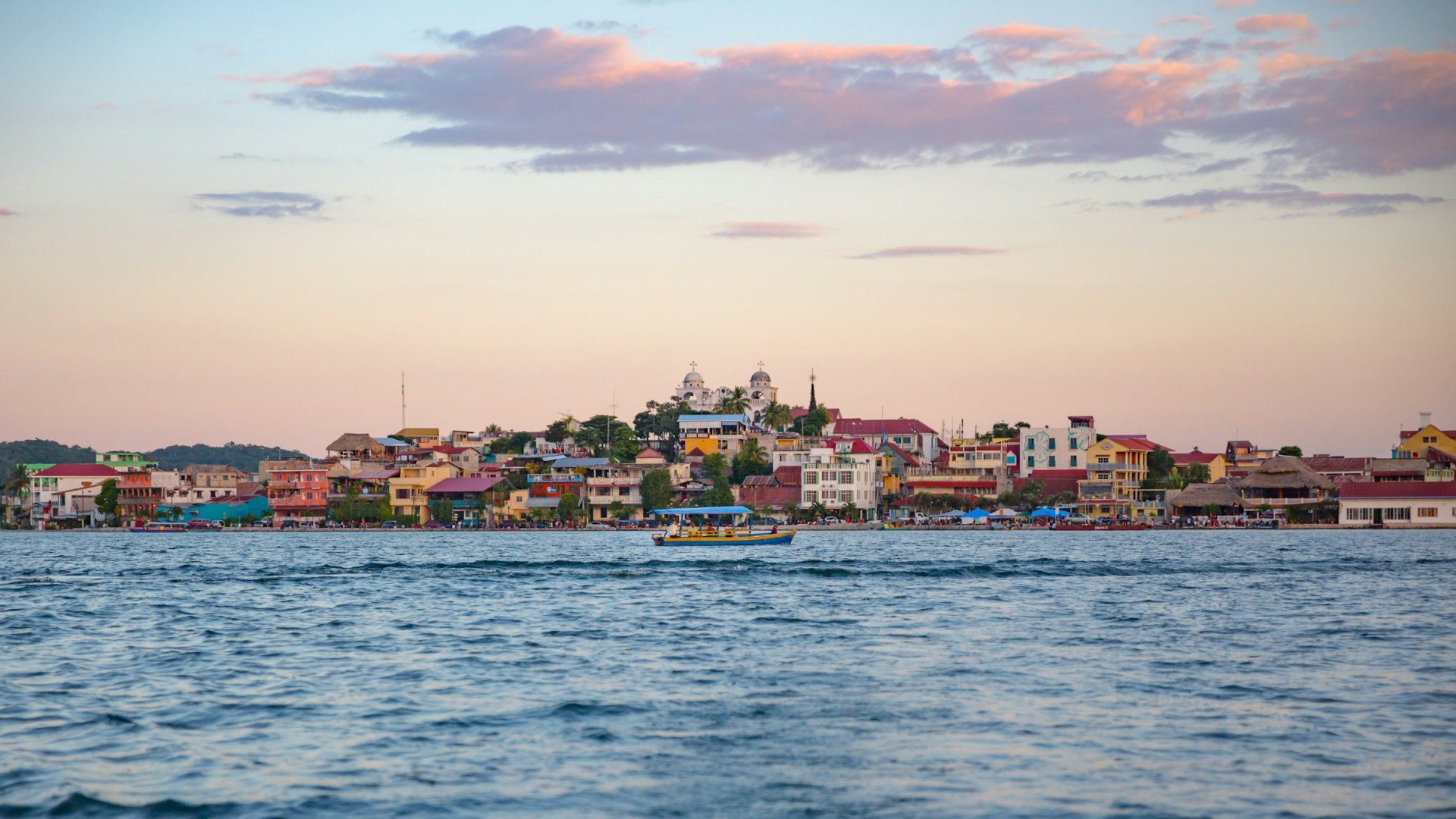
Flores
Flores is the capital of Guatemala's Petén department and occupies a small island in Lake Petén Itzá, connected to the mainland by a causeway. The compact island is known for its colorful buildings, narrow streets, waterfront promenade, and views across the lake. Flores also serves as a base for exploring the archaeological and natural attractions of northern Guatemala.

Ensenada
Ensenada is an enchanting port city on the coast of Baja California, Mexico. Stroll along the harbor on the Malecón Promenade for spectacular panoramic views of the Pacific Ocean, or hit the town for a taste of Ensenada's thrilling night life and delectable local eats.
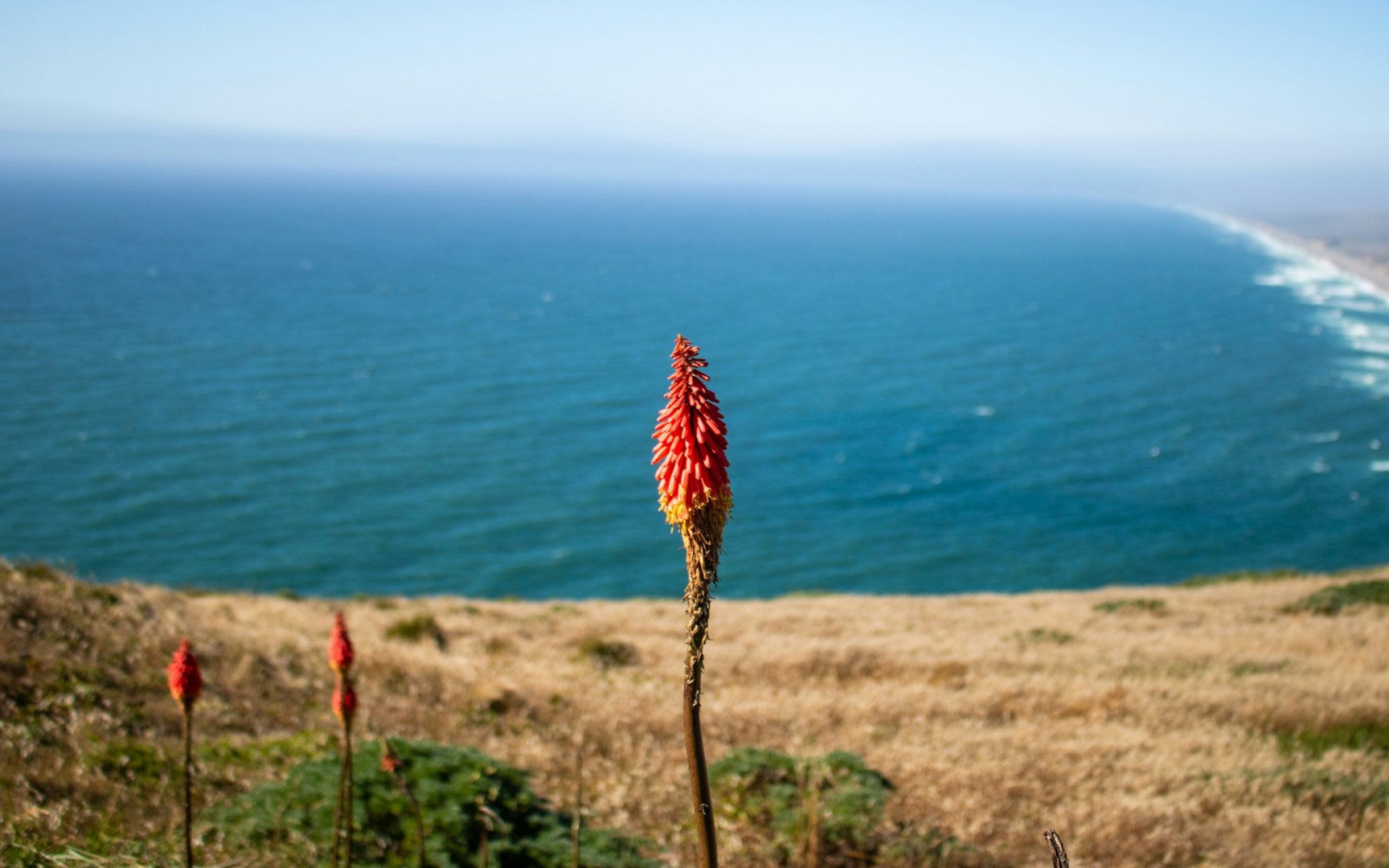
Point Reyes
Point Reyes is a rugged coastal region of Northern California, extending into the Pacific Ocean on the western side of Marin County. Much of the peninsula is protected within Point Reyes National Seashore, where windswept beaches, coastal cliffs, grasslands, forests, wetlands, and rocky headlands create a varied landscape.
